
Sorbitol and Dogs: Safety Risks Revealed
Explore the hidden risks of sorbitol in dog food and treats, from digestive woes to potential long-term health concerns.
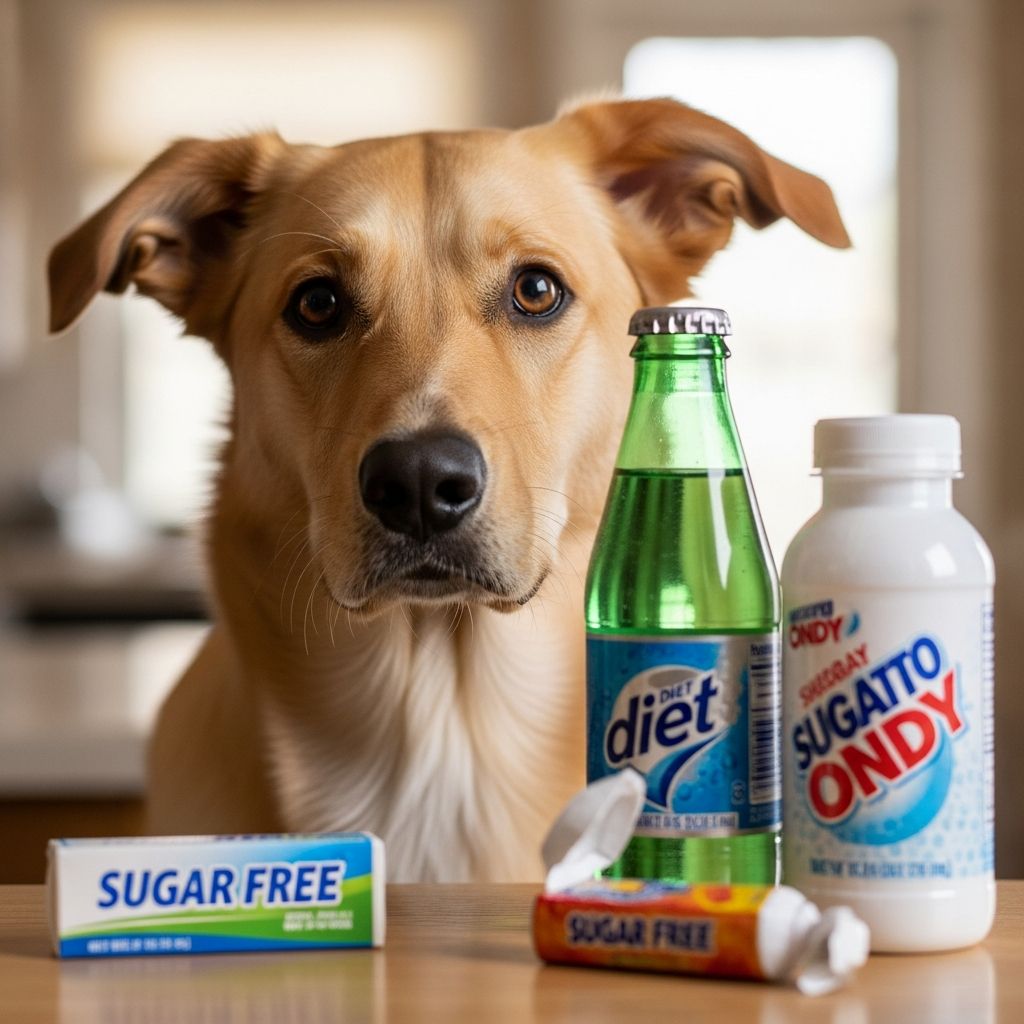
Sorbitol, a common sugar alcohol used in many processed foods and pet products, raises questions about its safety for dogs. While regulatory bodies deem it generally safe in moderation, potential side effects like gastrointestinal distress make it a controversial additive for canine diets.
What Exactly Is Sorbitol?
Sorbitol belongs to a class of compounds known as polyols or sugar alcohols, which occur naturally in some fruits but are mostly produced synthetically for commercial use. Manufacturers derive it from glucose, often sourced from corn or potato starch, reducing it to create this low-calorie sweetener. Its mild sweetness—about 60% that of table sugar—along with humectant properties that retain moisture, makes it popular in gums, candies, and yes, some dog treats and toothpastes.
In pet products, sorbitol enhances flavor, improves texture, and prevents drying out. However, dogs lack the strong sweet tooth humans have, prompting debate on whether such additives serve any real purpose beyond palatability for picky eaters.
Regulatory Views on Sorbitol for Pets
The U.S. Food and Drug Administration (FDA) lists sorbitol as Generally Recognized as Safe (GRAS) for both human and animal consumption. This status stems from studies showing no acute toxicity or carcinogenic risks at typical doses. For humans, the FDA suggests limiting intake to under 30-50 grams daily to avoid laxative effects, a threshold that translates cautiously to pets based on body weight.
Despite this approval, European regulations restrict polyols like sorbitol in certain beverages due to their osmotic effects in the gut. Pet food guidelines, such as those from the Association of American Feed Control Officials (AAFCO), permit sorbitol but do not mandate it, leaving room for manufacturers to include it voluntarily.
Potential Health Impacts on Dogs
While small amounts may pass unnoticed, sorbitol’s incomplete digestion in the canine gut can lead to several issues. As a hyperosmotic agent, it pulls water into the intestines, softening stools but risking overhydration of the bowel.
- Diarrhea and Loose Stools: The most common reaction, especially in sensitive dogs or with higher doses, due to sorbitol fermentation by gut bacteria producing gas and fluid buildup.
- Bloating and Gas: Undigested sorbitol ferments, causing abdominal distension and discomfort.
- Nausea or Vomiting: Excessive intake may irritate the stomach lining, leading to regurgitation.
- Dehydration Risk: Severe diarrhea can deplete fluids, particularly dangerous for puppies, seniors, or small breeds.
Beyond acute symptoms, chronic exposure links to broader concerns. Some reports associate regular sorbitol consumption with hypoglycemia (low blood sugar), weight gain from overeating sweetened foods, and even dental issues like tartar buildup, though evidence remains anecdotal in pets.
Special Vulnerabilities: Pregnant and Nursing Dogs
Research on rats from the 1980s revealed concerning outcomes: offspring of sorbitol-fed nursing mothers exhibited smaller size and damage to liver and bone marrow tissues. While no direct canine studies exist, this flags caution for breeding females. The FDA advises pregnant women to consult doctors on sorbitol intake, mirroring advice for pet owners to err on the side of avoidance during gestation or lactation.
Sorbitol vs. Xylitol: A Critical Distinction
Don’t confuse sorbitol with xylitol, another sugar alcohol. Xylitol poses a life-threatening toxicity to dogs, causing rapid insulin release, hypoglycemia, liver failure, and potentially death even in tiny amounts (as little as 0.1g/kg body weight). Found in human gum, toothpaste, and sugar-free baked goods, xylitol demands strict vigilance. Sorbitol, by contrast, lacks this insulin-spiking effect but still warrants label scrutiny.
| Aspect | Sorbitol | Xylitol |
|---|---|---|
| Safety Level | Generally safe in small amounts | Highly toxic |
| Main Risks | GI upset, diarrhea | Hypoglycemia, liver damage |
| Common Sources | Dog treats, toothpaste | Human gum, candy |
| FDA Status | GRAS | Not for pets |
Where You’ll Find Sorbitol in Pet Products
Scan ingredient lists on kibble, chews, dental pastes, and lick mats—sorbitol hides in many. It’s cheaper than natural flavors and extends shelf life. Processed diets heavy in such additives may contribute to picky eating habits, as dogs adapt to artificial sweetness and shun plain meats or veggies.
Signs Your Dog May Be Reacting to Sorbitol
Monitor for these post-meal symptoms:
- Sudden loose stools or urgency
- Excessive flatulence or whining from belly pain
- Lethargy from mild dehydration
- Refusal of food after initial enthusiasm
If symptoms persist, eliminate suspect foods for 48 hours and observe. Consult a vet for stool tests to rule out parasites or allergies mimicking sorbitol intolerance.
Healthier Alternatives to Sorbitol in Dog Diets
Ditch unnecessary sweeteners for natural options:
- Fresh Fruits: Apples (pips removed), blueberries—natural sorbitol sources in tiny, safe quantities.
- Vegetable Purees: Pumpkin or sweet potato for fiber without sugars.
- Herbal Enhancers: Mint or parsley for fresh breath in dental care.
- Homemade Treats: Bone broth popsicles or plain yogurt (unsweetened).
Transition picky eaters by mixing toppers into kibble gradually, prioritizing whole-food nutrition over processed palatability.
Understanding Canine Digestion and Sugar Alcohols
Dogs absorb sorbitol poorly in the small intestine; unmetabolized portions reach the colon, where bacteria break it down into short-chain fatty acids and hydrogen gas. This process suits occasional laxative use but falters in daily diets. Dogs with irritable bowel syndrome (IBS) or food sensitivities amplify reactions, turning minor additives into major disruptors.
A 2007 study on diabetic dogs noted elevated erythrocyte sorbitol levels correlating with disease severity, hinting at polyol pathway overactivation in metabolic stress. While not directly causal, it underscores monitoring sweeteners in vulnerable pups.
Expert Tips for Label Reading and Prevention
- Check first five ingredients—avoid if sweeteners precede proteins.
- Opt for AAFCO-compliant foods without artificial additives.
- Contact manufacturers for sorbitol quantities if undisclosed.
- Store human sweets securely to prevent accidental xylitol exposure.
Frequently Asked Questions (FAQs)
Can a small amount of sorbitol hurt my dog?
Typically no, but sensitive dogs may show mild upset. Limit exposure proactively.
Is sorbitol natural or synthetic in dog food?
Mostly synthetic from starch, despite natural occurrences in fruits.
What if my dog ate a lot of sorbitol-containing treats?
Watch for diarrhea; offer water and bland diet. Vet if symptoms worsen.
Are there sorbitol-free dental products for dogs?
Yes, enzyme-based gels or raw bones provide safer cleaning.
Does sorbitol cause obesity in dogs?
Indirectly, by encouraging overconsumption of flavored foods.
Final Thoughts on Keeping Your Dog Safe
While sorbitol won’t likely kill your dog, its risks—from tummy troubles to unproven long-term effects—outweigh benefits in most cases. Prioritize transparent, additive-minimal diets to foster optimal health. When in doubt, consult your veterinarian for personalized guidance tailored to your pup’s needs.
References
- Is Sorbitol Safe for Dogs? — A-Z Animals. 2023. https://a-z-animals.com/blog/is-sorbitol-safe-for-dogs/
- Is Sorbitol Safe For Dogs? — Dogs Naturally Magazine. 2023. https://www.dogsnaturallymagazine.com/is-sorbitol-safe-for-dogs/
- Is Sorbitol Safe For Dogs? — Four Leaf Rover. 2023. https://fourleafrover.com/blogs/natural-health/is-sorbitol-safe-for-dogs
- Advanced Glycation End Products and Sorbitol in Blood from Diabetic Dogs — PubMed (National Library of Medicine). 2007-07-01. https://pubmed.ncbi.nlm.nih.gov/17631369/
- The Hidden and Harmful Additives in Dog Treats — Dog Street. 2023. https://dogstreet.com.au/articles/the-hidden-and-harmful-additives-in-dog-treats
Similar Articles








Read full bio of Sneha Tete




