

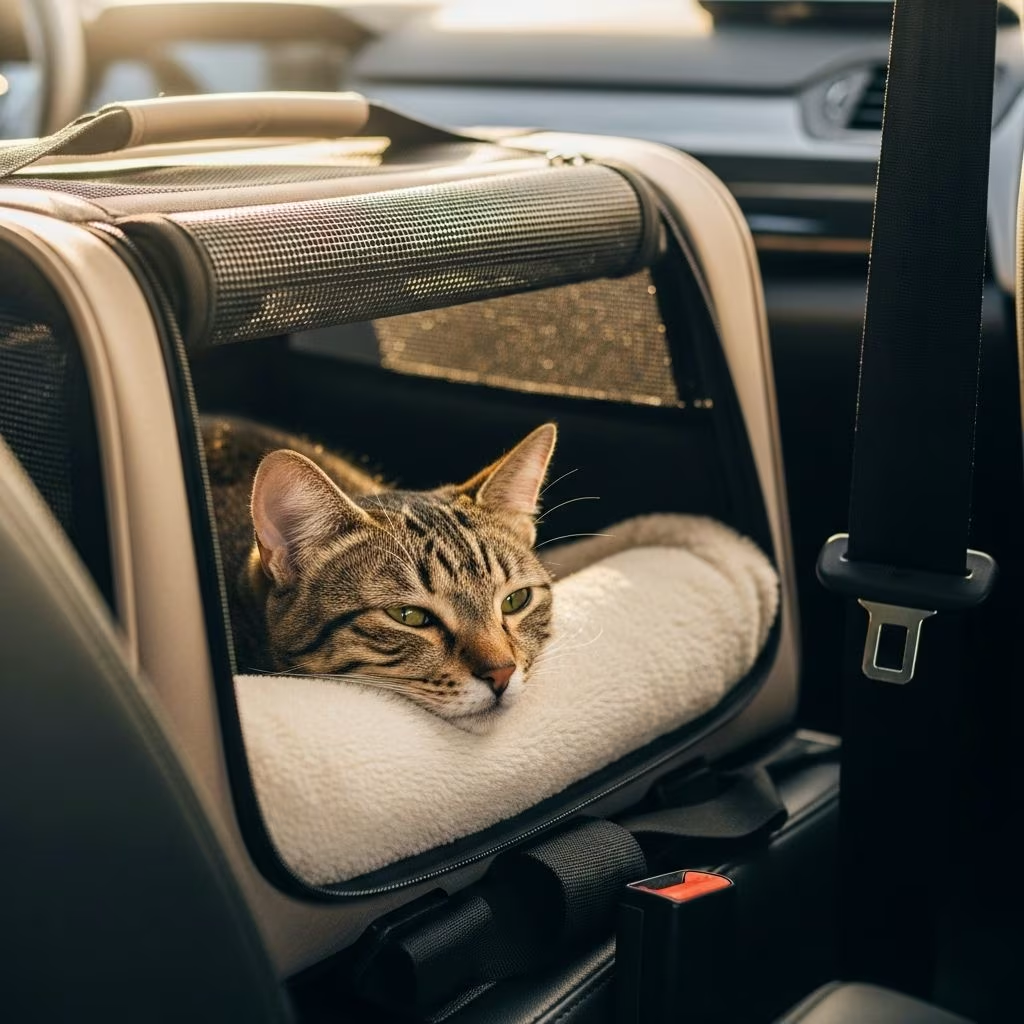
Traveling by car with a cat often triggers anxiety due to unfamiliar motions, sounds, and confinement, but targeted preparation transforms these trips into manageable experiences. This guide outlines comprehensive methods to desensitize your pet, equip your vehicle properly, and handle journeys smoothly, drawing from veterinary insights and practical pet owner strategies.
Understanding Feline Stress in Vehicles
Cats instinctively seek stability and control, making the unpredictable environment of a moving car distressing. Symptoms like vocalizing, trembling, or hiding signal discomfort, potentially leading to health issues such as elevated heart rates or digestive upset. Early intervention through habituation prevents escalation, fostering a sense of security.
- Observe baseline behaviors: Note how your cat reacts to household noises resembling engines.
- Recognize triggers: Sudden stops, horns, or vibrations amplify fear responses.
- Health check prerequisite: Consult a vet to rule out underlying conditions exacerbating travel phobia.
Selecting the Perfect Travel Carrier
A reliable carrier is the cornerstone of safe feline transport, acting as a protective cocoon during drives. Opt for models that balance ventilation, durability, and crash-test certification to mitigate injury risks in emergencies.
| Carrier Feature | Benefits | Examples |
|---|---|---|
| Crash-tested design | Secures via seatbelt; withstands impacts | Sleepypod Mobile Pet Bed |
| Mesh panels | Reduces claustrophobia with visibility | Well-ventilated tops |
| Convertible bed-carrier | Familiar scent retention for comfort | Multi-use pet beds |
| Easy-clean materials | Handles accidents hygienically | Waterproof liners |
Secure the carrier on the seat using the vehicle’s seatbelt system, avoiding floors or trunks where access is limited. For added restraint, incorporate a harness compatible with the carrier door.
Desensitization Techniques for Smooth Rides
Gradual exposure builds positive associations, converting the carrier and car into neutral or pleasant spaces. Begin weeks ahead to allow adaptation without overwhelming your cat.
- Carrier familiarization: Leave it open in a high-traffic room, placing treats or meals inside to encourage voluntary entry.
- Home simulations: Carry the closed carrier around the house, rewarding calm exits with affection or snacks.
- Engine acclimation: Sit in the parked car with the motor running, progressing to short stationary periods.
- Brief drives: Start with 5-minute loops, extending duration as tolerance improves; always end positively.
Incorporate pheromone products like Feliway wipes on carrier fabrics to mimic calming maternal signals, enhancing relaxation during sessions.
Packing Essentials for On-the-Go Comfort
A dedicated “cat travel kit” ensures immediate access to needs, preventing disruptions. Prioritize portability and organization for quick retrieval.
- Hydration and nutrition: Collapsible bowls, bottled water, measured food portions; withhold breakfast on travel day to curb nausea.
- Waste management: Portable litter pan, pee pads lining the carrier base, disposable gloves, and cleanup bags.
- Health aids: Medications, nail clippers, GPS trackers like Jiobit for escape prevention.
- Comfort boosters: Favorite toys, blankets with home scents, treats for rewards.
Store this kit in the front passenger area, separate from bulk luggage, to maintain focus on driving.
Mastering the Journey: Step-by-Step Protocols
Pre-Departure Routines
Final checks safeguard against oversights. Verify ID tags include destination contact info, and microchip details are current. Harness-train if planning supervised breaks, using escape-proof models.
During the Drive
Maintain steady speeds to minimize jarring motions, playing soft classical music or white noise to drown out road clamor. Monitor via rearview mirrors, speaking reassuringly without overstimulating.
- Avoid free-roaming: Cats may interfere with controls or escape at stops.
- Climate control: Keep interior 68-75°F (20-24°C), adjusting vents toward the carrier.
Strategic Pit Stops
Schedule every 2-3 hours for multi-hour trips, selecting pet-friendly or secluded spots. Offer water, allow litter access, and provide brief, leashed exploration if trained.
| Stop Duration | Activities | Safety Notes |
|---|---|---|
| 5-10 minutes | Water, litter check | Carrier door latched |
| 15-20 minutes | Leashed stretch | Shaded area, no escapes |
| Overnight | Full exercise | Pet-welcoming lodging |
Never leave unattended in extreme weather; use dual keys to run AC/heat while locked, limiting absences to essentials.
Advanced Calming Interventions
For persistent anxiety, layer multiple tools. Veterinary-prescribed anti-anxiety meds suit severe cases post-exam. Natural supplements like chamomile or L-theanine offer milder options, but vet approval is essential.
- Aromatherapy: Pheromone diffusers clipped near the carrier.
- Sound therapy: Pre-recorded purring tracks via Bluetooth.
- Physical aids: Pressure wraps mimicking maternal embrace.
Post-trip decompression with quiet familiarity aids recovery, preventing long-term aversion.
Frequently Asked Questions
Can cats ever roam freely in the car?
No, it’s hazardous; they risk distracting drivers or escaping. Confinement prioritizes safety.
How long before a trip to start training?
At least 2-4 weeks for optimal habituation, adjusting for individual responsiveness.
What if my cat gets carsick?
Use motion-sickness meds from vets, ginger treats, and ensure fasting beforehand; clean promptly to avoid scent triggers.
Is overnight travel feasible?
Yes, with pre-booked pet accommodations and maintained routines for litter and feeding.
Should I cover the carrier?
Partially, to dim visuals during high-stress phases, but ensure airflow.
Long-Term Travel Mastery
Repetition refines tolerance, turning occasional trips into routine events. Track progress in a journal, noting effective tools for future refinements. Ultimately, proactive measures empower confident companionship on the road, strengthening your bond amid adventures.
References
- 13 Tips for Traveling with a Cat by Car — KittyCatGO. 2023. https://kittycatgo.com/how-to-travel-with-a-cat-in-a-car/
- Road Trips and Car Travel With Your Cat — VCA Animal Hospitals. 2024-01-15. https://vcahospitals.com/know-your-pet/road-trips-and-car-travel-with-your-cat
- How to Travel Long Distance With a Cat in the Car — YouTube (Pet Travel Video). 2023-06-10. https://www.youtube.com/watch?v=SNmh4N-AIvM
- Traveling with your cat? We’ve got some tips! — Animal Humane Society. 2024. https://www.animalhumanesociety.org/resource/traveling-your-cat-weve-got-some-tips



