

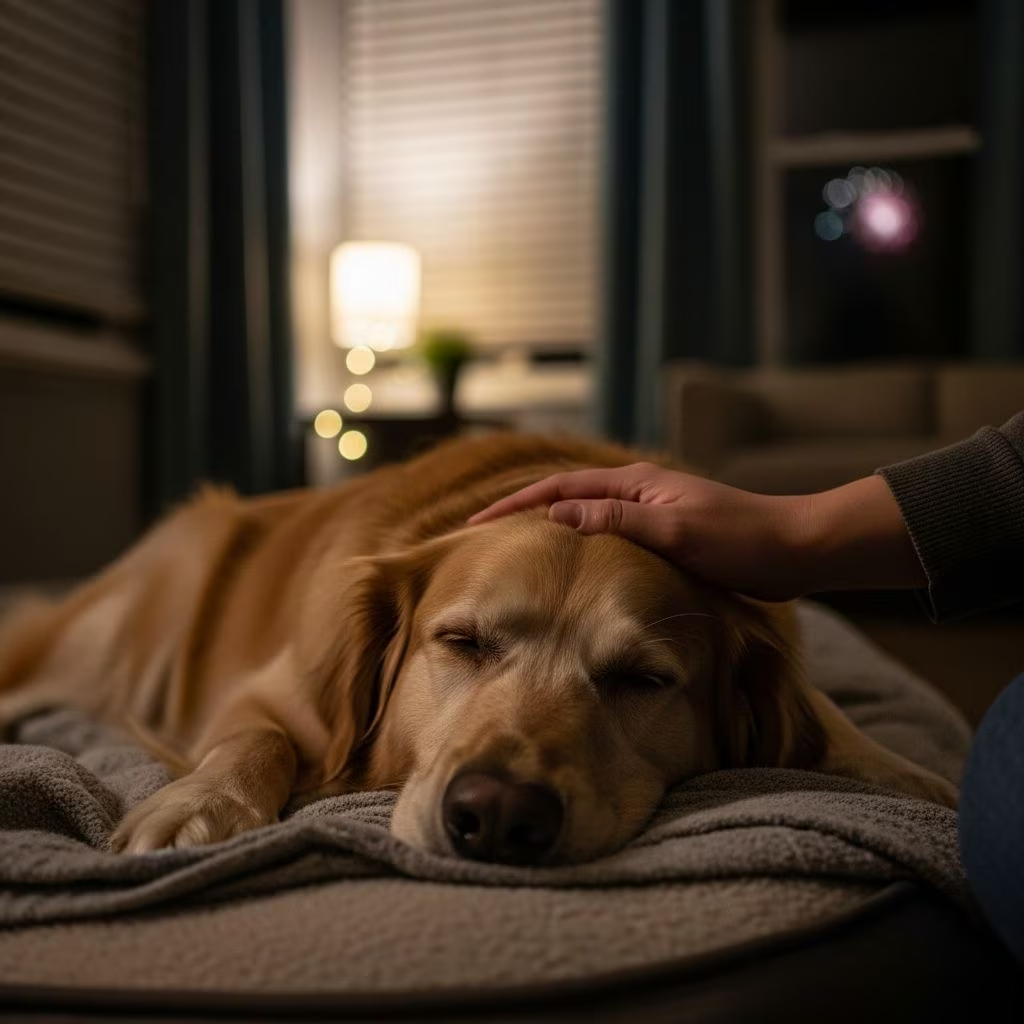
Soothe Your Dog During Fireworks Season: A Comprehensive Guide
Fireworks season brings joy and celebration to many households, but for dogs, the loud noises and bright flashes can trigger significant anxiety and fear. Many dogs experience noise phobia—an irrational fear of loud sounds that can manifest as excessive barking, destructive behavior, and attempts to escape. Understanding how to recognize and address fireworks anxiety in your dog is essential for maintaining their emotional well-being during festive seasons.
Firework anxiety is a genuine phobia that affects countless dogs nationwide. When dogs perceive fireworks as a threat, they enter a “fight, flight, or freeze” state, causing them to experience panic and distress. The good news is that with proper preparation, training, and support, you can significantly reduce your dog’s anxiety and help them feel safer during fireworks displays.
Understanding Fireworks Anxiety in Dogs
Dogs experience fireworks anxiety differently than humans. Their acute hearing makes fireworks sounds approximately four times louder and more intense to them than to us. Combined with the unpredictable flashes of light and vibrations from the explosions, fireworks create a perfect storm of sensory overload that can overwhelm even the calmest dogs.
Common signs that your dog is experiencing fireworks anxiety include constant barking or whimpering, excessive panting, trembling, attempting to hide or run away, loss of appetite, and indoor accidents even if your dog is housetrained. Some dogs may also display destructive behavior, such as scratching at doors or windows, or attempting to escape from your home entirely.
Preparation: Building a Foundation for Success
Create a Safe Space
The first step in helping your dog manage fireworks anxiety is establishing a designated safe space where your dog can retreat when they feel anxious. This should be a quiet, comfortable area in your home with minimal exposure to windows and external light. Ideal locations include interior bathrooms, closets, basements, or specially designated rooms away from the noise.
Stock this safe space with comfort items your dog loves: their favorite bed, blankets, toys, and water bowls. The familiar scents and objects will help your dog feel secure and protected. Make this space positive year-round by spending time there with treats and praise, so your dog naturally gravitates to it when they need comfort.
Desensitization Training
One of the most effective long-term solutions for fireworks anxiety is gradual desensitization. This process involves exposing your dog to fireworks sounds at low volumes while pairing the experience with positive reinforcement. Begin this training weeks in advance of fireworks season.
Start by playing fireworks sound recordings at very low volumes—barely audible—while giving your dog treats and praise. Gradually increase the volume over multiple training sessions, always watching for signs of distress. If your dog shows anxiety, reduce the volume immediately. The goal is to help your dog learn that fireworks sounds don’t signify danger.
This desensitization process should always be enjoyable for your dog. Pair the sounds with activities they love, such as playing fetch, practicing tricks, or enjoying their favorite toys. Over time, your dog may begin to associate fireworks sounds with positive experiences rather than threats.
Soundproofing Your Home
Physical barriers can significantly reduce the intensity of fireworks noise that reaches your dog. Close all windows and curtains to muffle outside sounds and block the flashes of light that accompany fireworks. Heavy curtains or blackout shades are particularly effective at reducing visual stimulation.
Consider using white noise machines, soft classical music, or nature sounds to further mask the noise of fireworks. Playing calming music not only helps drown out external sounds but also creates a soothing environment that promotes relaxation. Many dogs respond well to specifically composed canine relaxation music available through various streaming platforms.
During Fireworks: Immediate Strategies
Stay Calm and Provide Reassurance
Dogs are incredibly sensitive to their owner’s emotions and energy levels. When you remain calm and relaxed during fireworks, you communicate to your dog that there is no real threat. If you panic or show anxiety, your dog will pick up on these cues and become more anxious themselves.
During fireworks, maintain a normal routine as much as possible. Speak to your dog in soothing, gentle tones and offer physical comfort if your dog seeks it. However, avoid excessive coddling, which may reinforce anxious behaviors. The goal is to provide reassurance while maintaining a sense of normalcy.
Distraction and Engagement
Keeping your dog mentally and physically engaged during fireworks can help redirect their attention away from the noise. Provide interactive toys, puzzle feeders, or long-lasting chews that require sustained focus. Puzzle toys filled with high-value treats encourage your dog to engage their nose and mouth, which has a natural calming effect.
Consider engaging your dog in training exercises or games they enjoy. Practicing tricks for treats not only distracts them but also reinforces that good behavior earns rewards, creating a positive association with the experience. The key is choosing activities that naturally hold your dog’s attention and provide mental stimulation.
Use Calming Products
Several over-the-counter calming products can help reduce anxiety in dogs. Anxiety wraps or pressure vests apply gentle, constant pressure that many dogs find soothing. Dog-appeasing pheromone (DAP) products, such as Adaptil diffusers or sprays, mimic the calming pheromones produced by mother dogs, creating a sense of well-being.
Calming treats and supplements containing ingredients like L-theanine, melatonin, or chamomile may help take the edge off anxiety. However, consult with your veterinarian before introducing any new supplements to ensure they’re appropriate for your dog and won’t interact with any medications your dog may be taking.
Medications for Fireworks Anxiety
Short-Acting Anti-Anxiety Medications
For dogs with severe anxiety, prescription medications can provide significant relief. Trazodone and alprazolam (Xanax) are commonly prescribed medications that work well for noise-sensitive dogs. These medications typically take one to two hours to begin working, so it’s important to administer them well before fireworks start.
Sileo gel is an FDA-approved medication specifically designed for noise-induced anxiety in dogs. Applied directly to your dog’s gums, Sileo begins working in 30 minutes or less, making it ideal for unexpected fireworks or last-minute events. Your veterinarian can provide a prescription for this medication in advance of fireworks season.
Long-Term Anti-Anxiety Medications
Dogs with generalized anxiety may benefit from long-term medications such as amitriptyline or fluoxetine (Prozac). These antidepressants are typically given once or twice daily and may take up to a month to reach full effectiveness. These medications are often used as part of a comprehensive behavioral treatment plan rather than as a quick fix for single events.
Research indicates that approximately 69% of dog owners reported that medications helped their dogs with fireworks anxiety. However, medications work best when combined with behavioral training and environmental modifications. Always work with your veterinarian to determine the most appropriate medication and dosage for your dog’s specific needs.
Behavioral Training and Professional Help
Counterconditioning and Systematic Desensitization
Professional behavioral trainers use counterconditioning and systematic desensitization to help dogs overcome fireworks fear. Counterconditioning works by pairing the anxiety-triggering stimulus (fireworks sounds) with something positive (treats, praise, play), gradually changing your dog’s emotional response from negative to positive.
Systematic desensitization involves gradually increasing exposure to fireworks sounds while monitoring your dog’s response. When combined with positive reinforcement, this technique helps your dog learn that fireworks are not dangerous. This process requires patience and consistency but produces long-lasting results.
Working with a Professional Trainer
For dogs with severe anxiety or phobias, consulting a certified professional dog trainer or veterinary behaviorist is highly recommended. These professionals can assess your dog’s specific triggers and create a customized training plan tailored to your dog’s needs.
Board-certified veterinary behaviorists are particularly valuable for addressing complex anxiety issues. They combine behavioral expertise with veterinary knowledge to provide comprehensive treatment plans that may include medication, behavioral modification, and environmental changes.
Alternative and Complementary Therapies
Some pet owners find success with alternative therapies for managing their dog’s fireworks anxiety. These approaches should be discussed with your veterinarian to determine their suitability for your dog.
Acupuncture may help reduce overall anxiety and promote relaxation in some dogs. Massage therapy can help calm nervous dogs and reduce muscle tension associated with anxiety. Herbal remedies like valerian root or passionflower may have mild calming properties, though evidence for their effectiveness varies.
While these therapies show promise for some dogs, they should not replace evidence-based treatments like medications prescribed by your veterinarian or proven behavioral training techniques. Instead, consider them as complementary approaches used alongside established interventions.
Pre-Fireworks Planning Checklist
Successful management of fireworks anxiety requires advance planning. Use this checklist to prepare:
- Schedule a veterinary appointment weeks in advance to discuss anxiety concerns and obtain prescriptions if needed
- Begin desensitization training with fireworks sound recordings at least 2-3 weeks before fireworks season
- Stock your dog’s safe space with comfort items, toys, and treats
- Install blackout curtains or heavy drapes to block light and muffle sound
- Purchase white noise machines or calming music playlists for use during fireworks
- Acquire anxiety wraps or pheromone diffusers if you plan to use these products
- Arrange for any necessary behavioral training with a certified professional
- Ensure your dog wears updated identification and microchip information in case they escape
- Practice maintaining calm behavior during training exercises so you can model calm during actual fireworks
What NOT to Do During Fireworks
Understanding what to avoid is just as important as knowing what to do. Never punish your dog for anxiety-related behaviors such as hiding, barking, or accidents in the house. Punishment will only increase fear and worsen the situation over time. Instead, focus on creating a safe environment and providing comfort.
Avoid forcing your dog to face fireworks directly. Don’t take your anxious dog to fireworks displays or insist they stay in open areas during fireworks. Some owners mistakenly believe “exposure” will help their dog overcome fear, but forcing confrontation with anxiety triggers typically makes anxiety worse.
Post-Fireworks Recovery
After fireworks end, help your dog wind down through calming activities. Encourage your dog to engage in self-soothing techniques for at least 15 minutes by offering treat-filled puzzle toys or setting up a scavenger hunt through your home. These activities engage your dog’s natural sniffing and foraging instincts, which promote relaxation and help lower stress hormones.
Maintain your dog’s routine the following day with normal meals, exercise, and activities. This helps your dog transition back to a sense of normalcy and security. Monitor your dog for any lingering anxiety or behavioral changes in the days following fireworks.
Frequently Asked Questions
Q: At what age can I start desensitization training for fireworks anxiety?
A: You can begin gentle desensitization at any age, but starting with puppies is ideal for prevention. Puppies exposed to varied sounds in a positive context are less likely to develop sound phobias. Adult dogs can learn to manage anxiety at any age through patience and consistent training.
Q: How long does it take for medications to work?
A: Short-acting medications like Sileo gel work within 30 minutes, while Trazodone and Xanax typically begin working within one to two hours. Long-term medications like fluoxetine may take three to four weeks to reach full effectiveness.
Q: Can I give my dog natural calming supplements instead of prescription medication?
A: Natural supplements may help take the edge off mild anxiety, but dogs with severe anxiety typically need prescription medication for adequate relief. Discuss supplement options with your veterinarian, as some may interact with medications or be inappropriate for dogs with certain health conditions.
Q: What should I do if my dog escapes during fireworks?
A: Ensure your dog wears an up-to-date collar with identification tags and is microchipped with current contact information registered with the microchip company. Contact local animal shelters and veterinary clinics immediately if your dog escapes, and post on social media and community lost-and-found pages.
Q: Will my dog always have fireworks anxiety?
A: With proper training, behavior modification, and management strategies, many dogs can learn to cope significantly better with fireworks noise. Some dogs may always be more sensitive to loud noises, but consistent intervention can dramatically reduce their anxiety levels over time.
References
- Easing Firework Anxiety in Dogs — Animal Cardiology of Nevada. 2024. https://animalcardiologynv.com/easing-firework-anxiety-in-dogs/
- How to Calm Your Dog During Holiday Fireworks — GoodRx Pet Health. 2024. https://www.goodrx.com/pet-health/dog/dogs-and-fireworks
- 9 Tips for Helping a Dog That’s Scared of Fireworks — PetMD. 2024. https://www.petmd.com/dog/tips-helping-dogs-thats-scared-fireworks
- 10 Ways to Calm Your Dog During Fireworks — Rover.com. 2024. https://www.rover.com/blog/why-are-dogs-afraid-of-fireworks/
- Treating Fear of Storms and Fireworks in Dogs — VCA Animal Hospitals. 2024. https://vcahospitals.com/know-your-pet/treating-fear-of-storms-and-fireworks-in-dogs
- Is Your Dog Scared of Fireworks? Here’s What to Do — Zoetis Petcare. 2024. https://www.zoetispetcare.com/blog/article/dog-scared-fireworks
- Helping Your Pet Cope with Fireworks Anxiety in New England — Mass Riveter. 2024. https://massriveter.com/blog/helping-your-pet-cope-with-fireworks-anxiety-in-new-england/



