

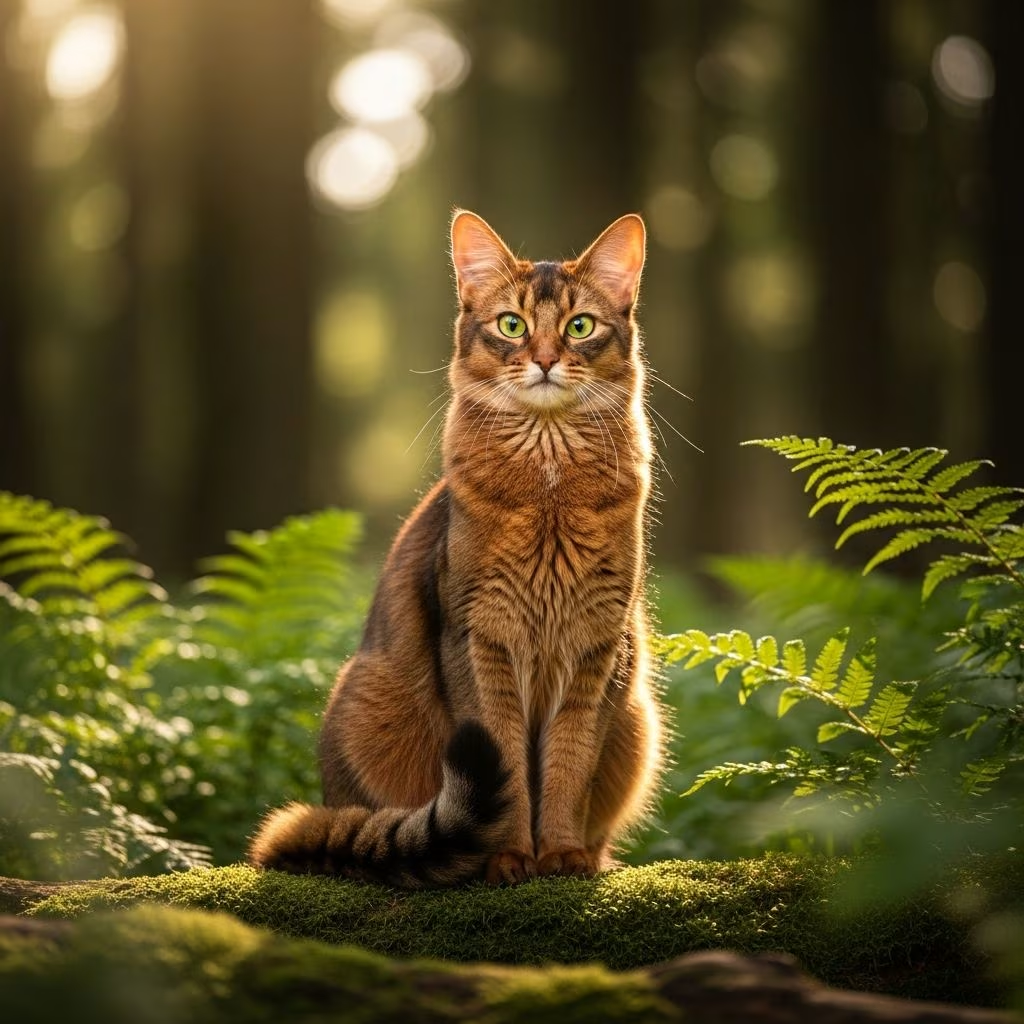
The Somali cat stands out as a captivating feline with its elegant, flowing coat and spirited demeanor, often likened to a miniature wild fox due to its bushy tail and alert expression. Descended from the Abyssinian, this breed combines grace, intelligence, and boundless energy, making it an ideal companion for active households.
Origins and Development of the Somali Breed
Somali cats trace their lineage directly to Abyssinian cats, emerging as the long-haired variant through a recessive gene that surfaced unexpectedly in litters during the mid-20th century. Historical records indicate that post-World War II breeding efforts to preserve the dwindling Abyssinian population may have introduced this trait, possibly via crosses with long-haired breeds or spontaneous mutation.
In the United States, the breed’s foundation owes much to key figures like Evelyn Mague, who in the 1950s rescued and bred long-haired kittens from Abyssinian lines, including descendants of the imported British cat Raby Chuffa of Selene. Facing resistance from Abyssinian purists who viewed the long hair as a flaw, Mague named the cats ‘Somalis’ after the African nation neighboring ancient Abyssinia (modern Ethiopia), establishing the Somali Cat Club of America in 1972.
Across the border in Canada, breeder Ken McGill advanced recognition after encountering a standout Somali at a cat show, with his cat Mayling Tutsuta becoming the first officially acknowledged by a major registry. The Cat Fanciers’ Association (CFA) granted championship status in 1979, followed by international bodies, solidifying the Somali’s place among pedigreed cats.
Distinctive Physical Features
Somalis possess a lithe, muscular frame of medium size, typically weighing 6-12 pounds, with males larger than females. Their bodies exhibit a foreign type build: long legs, oval paws, and a tapering tail plumed with soft fur, enhancing their fox-like allure.
The head forms a modified wedge with high cheekbones, large almond-shaped eyes in vivid green, gold, or copper, and prominent ears set wide apart. The coat, medium-long and silky, features a luxurious ruff around the neck and breeches on the hind legs, with slow-maturing ticking that bands each hair in multiple colors for a shimmering effect.
| Feature | Description |
|---|---|
| Body Type | Athletic, lithe, well-proportioned |
| Coat | Medium-long, ticked with 3+ bands per hair |
| Eyes | Almond-shaped, green/gold/copper |
| Tail | Long, bushy, tapering |
| Weight | 6-12 lbs (females lighter) |
Recognized colors include ruddy (brown), red, blue (dilute black), and fawn, with the ticked pattern creating darker facial markings, paw pads, and tail tips.
Temperament and Behavioral Traits
Renowned for their vivacious personality, Somalis are highly intelligent, curious explorers who thrive on interaction and mental stimulation. They move with a light, tiptoe gait, tail held high, embodying a playful hunter’s spirit.
- Active and Agile: These cats love leaping to high perches and chasing toys, requiring ample vertical space.
- Affectionate yet Independent: They bond deeply with families but retain a self-assured demeanor.
- Social Butterflies: Somalis get along well with children, dogs, and other cats, provided introductions are gradual.
- Quiet Communicators: Soft chirps and trills convey needs without excessive meowing.
Owners often baby-proof homes, as Somalis’ inquisitiveness leads them into cabinets and drawers. Their adaptability suits apartments if exercise is provided.
Grooming and Daily Care Essentials
Despite the semi-long coat, Somalis shed moderately and self-groom effectively, needing weekly brushing to maintain gloss and reduce loose fur. Focus on the ruff and tail during shedding seasons.
Bathing is rare, but nail trims every 10-14 days, ear cleaning with vet-approved solutions, and dental care via brushing or treats prevent issues. Provide scratching posts to protect furniture.
Litter Training and Hygiene
Somalis are fastidious, quickly mastering litter boxes with clumping, unscented litter. Scoop daily and fully change weekly to match their high standards.
Nutrition and Feeding Guidelines
High-quality, protein-rich food supports their active lifestyle—aim for 200-300 calories daily, split into meals. Wet food aids hydration, crucial for coat health.
- Kittens: Frequent small meals for growth.
- Adults: Measured portions to prevent obesity.
- Seniors: Senior formulas for joint support.
Always supply fresh water; fountains appeal to their playful side. Consult vets for weight management.
Health Considerations and Lifespan
Somalis enjoy a robust lifespan of 12-18 years, but screen for hereditary issues like hypertrophic cardiomyopathy (HCM), pyruvate kinase deficiency (PKD), and progressive retinal atrophy (PRA). Annual vet exams, including dental checks, are vital.
Vaccinations, flea/tick preventives, and spaying/neutering enhance well-being. Their athletic build minimizes obesity risks if exercised.
Bringing a Somali into Your Home
Select reputable breeders who health-test parents and provide pedigrees, or consider rescues. Kittens mature slowly, reaching full coat development at 3-4 years.
Prepare with tall cat trees, interactive toys, and secure windows. Early socialization fosters well-rounded adults.
Comparing Somali to Similar Breeds
| Breed | Coat Length | Energy Level | Personality |
|---|---|---|---|
| Somali | Medium-long | High | Curious, playful |
| Abyssinian | Short | High | Similar, more sleek |
| Oriental Shorthair | Short | High | Vocal, slender |
| Ocicat | Short | High | Spotted, bold |
Frequently Asked Questions
Are Somali cats good for first-time owners?
Yes, their friendly nature suits novices, but their energy demands commitment to playtime.
How much grooming do Somalis need?
Weekly brushing suffices; they’re low-maintenance for longhairs.
Do Somali cats vocalize a lot?
No, they use soft sounds rather than loud meows.
Can Somalis live with other pets?
Typically yes, with proper introductions.
What is the average litter size for Somalis?
4-6 kittens, reflecting their healthy fertility.
Training Tips for Somali Cats
Harness their intelligence with clicker training for tricks like fetching or leash walking. Positive reinforcement with treats works best; short sessions prevent boredom.
Teach boundaries early to curb counter-surfing. Puzzle feeders engage their problem-solving skills.
Somali Cats in Modern Homes
Ideal for urban dwellers offering enrichment, Somalis adapt to travel via carriers and hotels with familiarity items. Their hypoallergenic-leaning coat sheds less than full Persians.
Community enthusiasts share stories of Somalis excelling in agility shows, highlighting their versatility.
References
- History of Somali Cats – Cat Breeds info — cat-breeds-info.com. N/A. https://www.cat-breeds-info.com/somali-cats.html
- Somali – The Governing Council of the Cat Fancy — gccfcats.org. N/A. https://www.gccfcats.org/getting-a-cat/choosing/cat-breeds/somali/
- What to Know About a Somali Cat — WebMD. N/A. https://www.webmd.com/pets/cats/what-to-know-about-a-somali-cat
- Somali Cat Breed Complete Guide — A-Z Animals. N/A. https://a-z-animals.com/animals/somali/
- Somali Facts – Cat Breeds — Wisdom Panel. N/A. https://www.wisdompanel.com/en-gb/cat-breeds/somali
- Somali Cat Breed Information — Purina UK. N/A. https://www.purina.co.uk/find-a-pet/cat-breeds/somali
- Somali Cats: Origin, Personality, and Health Issues — ASPCA Pet Insurance. N/A. https://www.aspcapetinsurance.com/resources/somali/



