

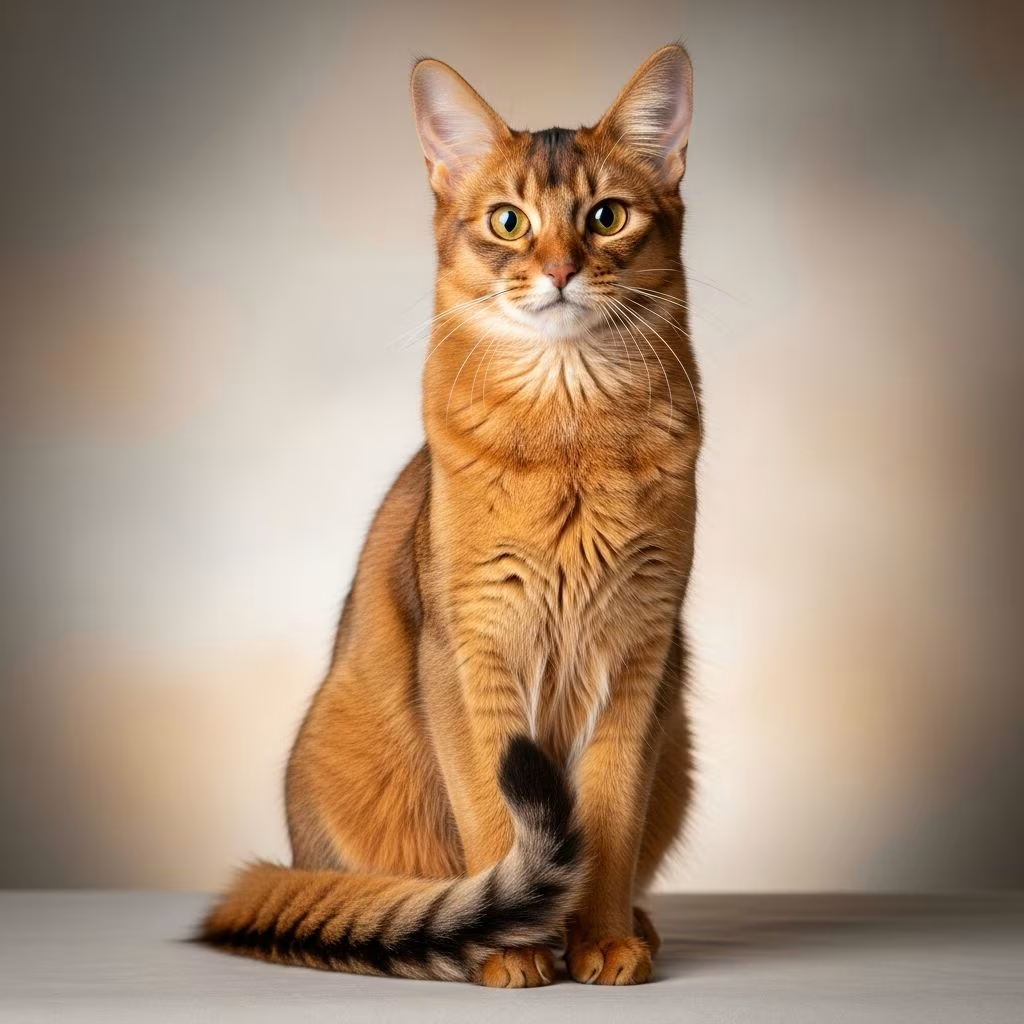
The Somali cat stands out as a captivating breed known for its athletic grace, vibrant ticked coat, and boundless energy. Often called the long-haired version of the Abyssinian, this feline combines wild aesthetics with a loving personality, making it an ideal choice for active households.
Origins and Development of the Somali Breed
The Somali cat emerged unexpectedly in the mid-20th century when long-haired kittens appeared in Abyssinian litters. These kittens carried a recessive long-hair gene, transforming the short-coated Abyssinian into a new variety with a semi-long, luxurious coat. Breeders in Australia first showcased them in cat shows around 1965, dubbing them ‘long-haired Abyssinians.’ By the 1970s, the breed gained official recognition from major cat registries like the Cat Fanciers’ Association (CFA) and The International Cat Association (TICA).
Efforts to standardize the breed focused on preserving the Abyssinian’s ticked coat pattern while enhancing the fur length. Today, Somalis are celebrated worldwide for their resemblance to wild felines, earning nicknames like ‘fox cat’ due to their bushy tails and alert demeanor. The CFA recognizes four primary colors: ruddy, cinnamon, blue, and fawn, each displaying the signature agouti ticking where individual hairs feature multiple color bands.
Distinctive Physical Features
Somali cats possess a medium-large frame that exudes agility and strength. Their bodies are lithe and muscular, with a slightly arched back suggesting perpetual readiness to pounce. Standing 7-11 inches tall at the shoulder and weighing 6-10 pounds, they strike a balance between elegance and power.
The head forms a modified wedge shape with smooth contours, featuring large, almond-shaped eyes in shades of gold, amber, or green. These eyes, outlined by dark pigmentation, convey intelligence and curiosity. Ears are notably large, cupped at the base, and set high on the skull, often adorned with interior tufts for added expressiveness.
One hallmark is the coat: medium-length, soft, and non-woolly, with a ruddy or glowing undercoat. The agouti pattern creates a shimmering effect, darker along the spine and lighter on the belly and legs. The tail is long, bushy, and tapering, resembling a fox’s brush, while paws are oval with tufted toes.
| Feature | Description |
|---|---|
| Body Type | Lithe, muscular, medium-long torso |
| Coat | Medium-length, ticked agouti with color bands |
| Eyes | Almond-shaped, gold/amber/green |
| Tail | Long, full brush, slightly tapering |
| Size | 7-11 inches tall, 6-10 lbs |
Recognized Coat Colors and Patterns
Somalis display a warm, glowing coat with even ticking, where each hair shaft alternates light and dark bands for a multidimensional glow. The CFA standards prioritize ruddy (burnt sienna ground ticked black/brown), cinnamon (red-orange ticked chocolate), blue (beige ticked slate), and fawn (rose-beige ticked cocoa).
- Ruddy: Deep sienna base, black-tipped hairs, tile-red nose, black paw pads.
- Cinnamon: Warm red ground, chocolate ticking, rosy nose, pink pads with brown tufts.
- Blue: Beige body, slate ticking, old rose nose, mauve pads.
- Fawn: Rose-beige, light cocoa bands, salmon nose, pink pads.
Other shades like sorrel, lilac, or silver exist but lack full registry approval. Kittens mature slowly, with full ticking developing over years.
Temperament and Behavioral Traits
Somalis embody vivacity and intelligence, thriving on interaction and exploration. They are bold, curious climbers who investigate every nook, often mastering door latches or high perches. Their soft vocalizations—chirps and trills—communicate needs, making them notably talkative.
Highly social, they bond deeply with owners, following them room-to-room and craving playtime. Independent yet affectionate, Somalis suit experienced owners providing enrichment like puzzle toys or hunting games. They adapt well to calm homes but may overwhelm sedentary lifestyles with their energy.
In multi-pet households, they coexist amicably if socialized early, though their playfulness demands tolerant companions.
Essential Care and Grooming Routines
Despite the longer coat, Somalis require minimal grooming thanks to their non-matting fur. Weekly brushing distributes oils, removes loose hair, and strengthens bonds—many enjoy it as play. Focus on the ruff, tail, and breeches where fur lengthens.
Bathing is rare; a damp cloth suffices for spots. Dental care, nail trims biweekly, and ear cleaning prevent issues. Provide scratching posts to maintain claw health.
Nutrition and Feeding Guidelines
Active Somalis need high-protein diets mimicking their ancestral prey-based nutrition. Opt for quality kibble or wet food rich in animal proteins, avoiding fillers. Feed 1/4-1/2 cup dry food daily, split into meals, adjusted for age and activity.
Fresh water is crucial; fountains appeal to their curiosity. Monitor weight to prevent obesity, as their lithe build suits lean maintenance.
Health Considerations and Lifespan
Somalis typically live 12-16 years with proper care. Common concerns include:
- Pyruvate kinase deficiency (PKD): Genetic anemia; test breeders.
- Periodontal disease: Daily brushing advised.
- Patellar luxation: Mild kneecap displacement.
- Amyloidosis: Rare renal issue.
Annual vet checkups, vaccinations, and parasite prevention ensure vitality. Their Abyssinian heritage prompts early dental and genetic screenings.
Training and Enrichment Strategies
Harness their smarts with clicker training for tricks like fetch or leash walking. Interactive toys, vertical spaces, and rotation of puzzles combat boredom. Simulated hunts with wand toys fulfill instincts.
Socialization from kittenhood fosters confidence around strangers and pets.
Ideal Living Environments
Somalis flourish in spacious homes with climbing opportunities over apartments. Outdoor access via enclosures is beneficial, but supervision prevents escapes. They tolerate brief alone time but prefer company.
Finding and Selecting a Somali Kitten
Source from CFA-registered breeders emphasizing health testing. Evaluate parents for temperament and conformation. Kittens should be outgoing, weaned, and vet-checked at 12 weeks. Adoption from rescues offers mature Somalis.
Expect $800-$1500 for pedigreed kittens.
FAQs About Somali Cats
Are Somali cats good for first-time owners?
They suit active, experienced owners needing enrichment; novices may find their energy challenging.
How often should I groom a Somali?
Weekly brushing keeps their coat silky; daily play sessions double as grooming.
Do Somalis get along with dogs?
Yes, with proper introductions; their confidence aids compatibility.
What colors are CFA-approved Somalis?
Ruddy, cinnamon, blue, and fawn.
Are Somalis hypoallergenic?
No, but low-shedding coats produce less dander than many breeds.
References
- What to Know About a Somali Cat — WebMD. 2023-10-15. https://www.webmd.com/pets/cats/what-to-know-about-a-somali-cat
- Somali cat — Wikipedia. 2024-05-20. https://en.wikipedia.org/wiki/Somali_cat
- Somali Cat Breed — Hill’s Pet Nutrition. 2024-02-10. https://www.hillspet.com/cat-care/cat-breeds/somali
- Somali Cat Breed Information — Purina UK. 2023-11-05. https://www.purina.co.uk/find-a-pet/cat-breeds/somali
- Somali — The Cat Fanciers’ Association. 2024-01-12. https://cfa.org/breed/somali/
- Somali Cat Breed Health and Care — PetMD. 2023-09-28. https://www.petmd.com/cat/breeds/somali
- Somali Cats: Origin, Personality, and Health Issues — ASPCA Pet Insurance. 2024-03-18. https://www.aspcapetinsurance.com/resources/somali/



