

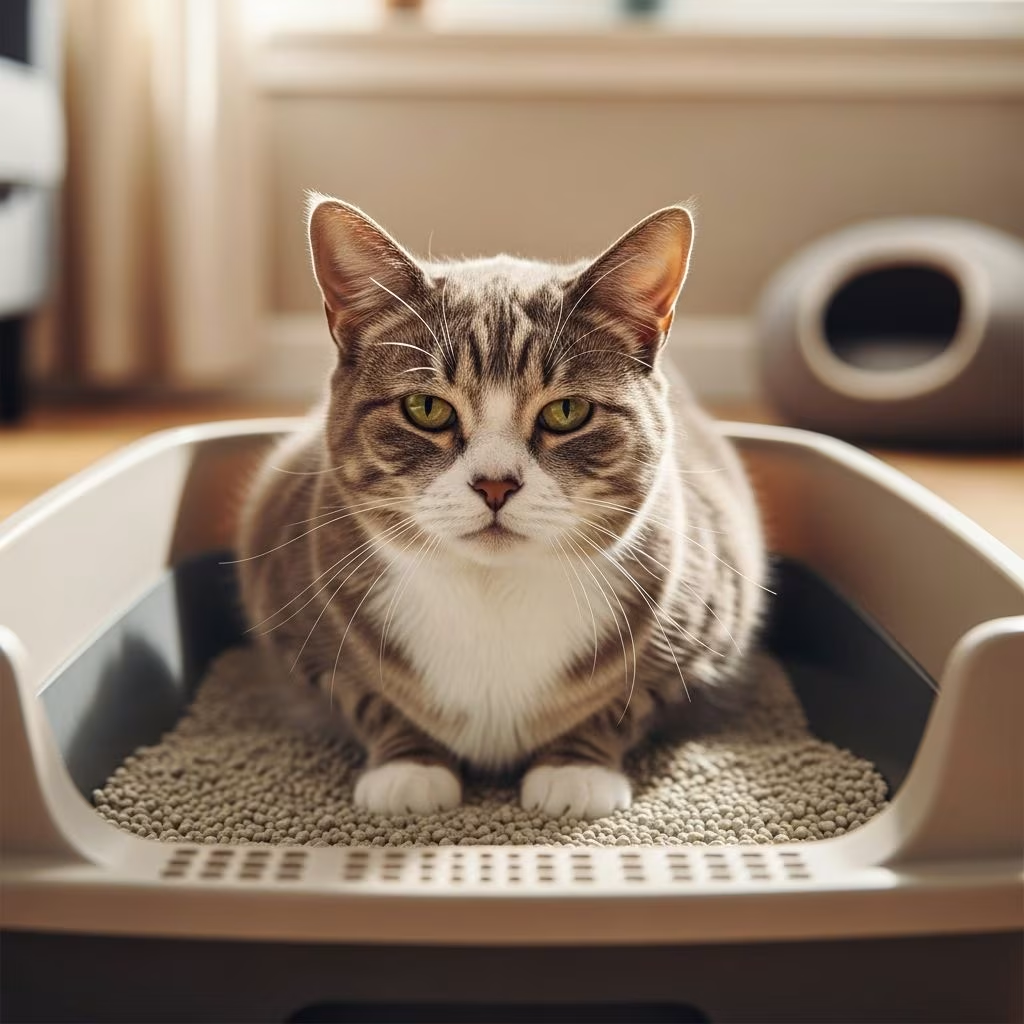
As cats age, they undergo significant physical and behavioral changes that can affect their litter box habits. Senior cats may experience arthritis, reduced mobility, cognitive decline, and various medical conditions that make using the bathroom outside the litter box more likely. Understanding the root causes of these problems and implementing practical solutions can help your aging feline companion maintain proper elimination habits while preserving their dignity and comfort. This comprehensive guide explores the most effective strategies for addressing litter box problems in senior cats.
Understanding Why Senior Cats Develop Litter Box Problems
Litter box avoidance in senior cats rarely stems from behavioral issues or spite. Instead, it typically reflects underlying medical conditions, physical limitations, or environmental factors that make the litter box experience uncomfortable or inaccessible. Common causes include arthritis and joint pain, which make it difficult for older cats to climb into high-sided boxes or maintain balance while eliminating. Cognitive dysfunction syndrome, similar to dementia in humans, can cause senior cats to forget where their litter box is located or how to use it properly.
Medical conditions such as inflammatory bowel disease, diabetes, chronic kidney disease, and urinary tract infections can increase frequency of elimination or cause discomfort during the process. Additionally, some senior cats become increasingly sensitive to environmental changes, including modifications to their litter box routine. Age-related vision decline may make it harder for older cats to locate boxes in poorly lit areas. Recognizing these contributing factors is the first step toward implementing effective solutions.
Your Current Litter Box May Not Serve Its Purpose Anymore
One of the most common reasons senior cats avoid litter boxes is that the boxes themselves have become physically challenging to use. Traditional litter boxes with high sides or top-entry designs present significant obstacles for arthritic and mobility-limited cats. With stiff joints and declining muscle strength, older felines may avoid boxes that require jumping, climbing, or contorting their bodies into uncomfortable positions.
Consider Switching to a Litter Box with Low Sides
The single most impactful change you can make for a senior cat experiencing litter box problems is switching to a low-entry litter box specifically designed for aging cats. Low-sided boxes allow easier access without requiring your senior companion to navigate high barriers. These boxes typically feature entry points of 2.5 inches or less, compared to the 5-7 inch heights of traditional boxes. Easier access to the litter box can be particularly helpful for senior cats who are already having trouble getting up and down furniture or navigating stairs.
When selecting a low-entry box, prioritize both the height of the entry point and the interior dimensions. Senior cats need adequate space to turn around comfortably without feeling cramped during elimination. A box that measures at least 1.5 times the length of your cat (excluding the tail) provides sufficient room for comfortable movement. Some seniors may still prefer privacy, so consider boxes with lower entry points that maintain higher sides or partial covers, providing both accessibility and the security many cats prefer when eliminating.
The Importance of Proper Litter Box Size
Beyond the entry height, the overall dimensions of the litter box significantly impact whether your senior cat will use it consistently. Cramped boxes can trigger litter box avoidance, particularly in cats experiencing pain or anxiety. Larger boxes reduce stress and allow senior cats to position themselves comfortably while squatting or standing. If space constraints make larger boxes challenging, consider furniture designed to conceal litter boxes while providing essential accessibility. Many modern options resemble end tables or cabinets while maintaining low entry points for your aging companion.
Experiment with Litter Types
The type of litter you use significantly affects whether senior cats will maintain proper elimination habits. Many older cats develop preferences for or aversions to specific litter textures, scents, and materials. Experimenting with different litter options can often resolve persistent elimination problems.
Try Fine, Unscented Litter
Veterinary professionals frequently recommend unscented, fine litter as the optimal choice for senior cats. Fine litter closely mimics natural sand and is gentler on sensitive paws, particularly for cats experiencing arthritis in their joints. Unscented varieties eliminate potential irritation from perfumes and additives that can trigger litter box avoidance in sensitive older cats.
Senior cats who are having difficulty with proper elimination may struggle with traditional litter because they lack secure footing while squatting. Cats with arthritis in their wrists or paws especially benefit from fine litter that provides stability without requiring significant gripping effort. Some brands specifically formulate litter for senior cats, accounting for their unique needs and preferences.
Implementing Litter Changes Successfully
When introducing a new litter type, place it in a new box while keeping your cat’s current litter brand in their usual box. Monitor your senior cat’s behavior and observe which litter box they prefer. If your cat gravitates toward the new litter and box, gradually transition the remaining boxes to the new litter. This gradual approach prevents rejection of the new litter and helps your senior maintain consistent litter box habits.
Adjust Litter Depth
The amount of litter in the box directly impacts whether senior cats will use it comfortably. Too much litter can make elimination difficult for cats struggling with mobility or paw pain. When cats don’t have adequate paw support while squatting, the experience becomes uncomfortable and anxiety-inducing. Consider reducing litter depth to one to two inches, providing enough material for digging and odor control without creating instability. This adjustment is particularly beneficial for senior cats with arthritis affecting their wrists, paws, or hind legs.
Optimize Litter Box Placement
The location of your senior cat’s litter box significantly influences whether they will use it consistently. Poor placement can contribute to elimination problems even when the box itself is appropriate for their age and abilities.
Create Multiple Litter Box Stations
Adding more litter boxes throughout your home helps guide senior cats to appropriate elimination locations and addresses the simple convenience factor. Senior cats with reduced mobility benefit from having elimination options on each floor of their home, eliminating the need to travel long distances when nature calls. Place additional boxes in quiet corners of commonly used rooms, away from high-traffic areas and loud appliances.
If your senior cat has been eliminating in specific spots around your home, place litter boxes in those locations. This strategic placement acknowledges your cat’s preferences and provides convenient access to appropriate elimination areas. Over time, you can gradually move boxes to more desirable locations as your senior cat becomes accustomed to finding them.
Ensure Accessibility and Privacy
Senior cats require a balance between accessibility and privacy for comfortable elimination. Boxes should be located away from their food and water bowls, as cats naturally avoid eliminating near eating areas. Ensure the path to the litter box remains clear and unobstructed, with adequate lighting to help senior cats with vision decline locate the box easily. Consider using night lights or motion-activated lighting in dark areas to improve visibility for aging cats.
Provide privacy without sacrificing accessibility through decorative screens or designated litter areas. This approach maintains the security many cats prefer during elimination while keeping boxes accessible for senior companions with mobility challenges. Successful litter station arrangements combine functional design with aesthetic appeal, creating solutions that work for both your senior cat and your home environment.
Address Medical Considerations
Before implementing behavioral or environmental modifications, consult with your veterinarian to rule out medical conditions contributing to litter box problems. Senior cats experiencing elimination changes may have underlying health issues requiring treatment. Conditions such as urinary tract infections, kidney disease, diabetes, hyperthyroidism, and cognitive dysfunction syndrome can all trigger litter box avoidance or inappropriate elimination.
Your veterinarian can conduct appropriate diagnostics and recommend treatment options that may resolve elimination problems entirely. Additionally, your vet can advise on pain management for arthritic cats, which often improves litter box compliance when joint pain is adequately controlled. Medical treatment combined with environmental modifications provides the most comprehensive approach to resolving senior cat litter box problems.
Create a Senior-Friendly Litter Environment
The area surrounding your cat’s litter box is just as important as the box itself for optimal senior cat accessibility and comfort. Floor surfaces near litter boxes should provide secure footing for arthritic cats. Slippery hardwood or tile flooring near the litter box can be treacherous, potentially causing falls or increasing anxiety about box visits.
Consider adding low-pile, washable rugs or rubber mats to improve traction around the litter area. These materials provide secure footing for senior cats while also catching stray litter for easier cleanup. Ensure adequate space around the box for your senior cat to approach comfortably from any direction without feeling crowded or trapped. Maintaining clean surroundings with enzymatic cleansers ensures that previous elimination accidents don’t attract continued inappropriate elimination in those spots.
Frequently Asked Questions
Q: At what age do cats become seniors?
A: Cats are generally considered seniors around age 11-14 years old, though some veterinarians classify cats age 10 and older as senior. Individual variation exists, so consult your veterinarian about your specific cat’s senior status and health considerations.
Q: How many litter boxes should I have for my senior cat?
A: The general rule is one litter box per cat plus one extra. For senior cats, placing boxes on each floor of your home and in areas where elimination has occurred can be particularly helpful for maintaining consistent habits.
Q: Can senior cat litter box problems be caused by behavioral issues?
A: While behavioral factors can contribute, litter box problems in senior cats usually stem from medical issues, physical limitations, or environmental factors rather than behavioral problems. Always consult your veterinarian to rule out health conditions first.
Q: How long does it take for a senior cat to adjust to a new litter box?
A: Most senior cats adjust to new litter boxes within a few days to a week, particularly when the new box addresses accessibility issues. Gradual transitions and keeping familiar elements present can accelerate the adjustment process.
Q: Should I use litter box liners for senior cats?
A: Many senior cats find litter box liners uncomfortable, as they can shift underfoot and feel unstable. Unlined boxes with frequent scooping may be more appealing to cats experiencing mobility or balance challenges.
Q: What should I do if my senior cat continues having accidents despite trying these solutions?
A: Schedule a comprehensive veterinary examination to investigate underlying medical conditions. Cognitive dysfunction, urinary tract infections, and other health issues may require medical treatment in addition to environmental modifications.
References
- Senior Cat Litter Box Accessibility: 5 Essential Solutions — The Pet Vet. 2024. https://thepetvet.com/senior-cat-litter-box-accessibility/
- Litter Box Problems — ASPCA. https://www.aspca.org/pet-care/cat-care/common-cat-behavior-issues/litter-box-problems
- Cat Not Using Litter Box: Causes and Solutions — Best Friends Animal Society. https://bestfriends.org/pet-care-resources/cat-not-using-litter-box-causes-and-solutions
- Old Cat Not Using Litter Box: Causes and Solutions — UAH Pet Care. https://www.uahpet.com/blogs/post/old-cat-not-using-litter-box-causes-and-solutions



