Solving Feline Behavioral Challenges
Master effective techniques to address unwanted cat behaviors

Solving Feline Behavioral Challenges: A Comprehensive Guide
Cats are independent creatures with distinct personalities, yet they occasionally develop behavioral patterns that frustrate their owners. Whether your feline companion is scratching furniture, eliminating outside the litter box, or displaying aggression, understanding the root causes and implementing effective solutions can restore harmony to your household. This guide explores evidence-based approaches to address the most common behavioral challenges in cats.
Understanding the Root Causes of Behavioral Issues
Before attempting to modify your cat’s behavior, it is essential to determine why the behavior is occurring. Many behavioral problems stem from underlying health conditions, environmental stressors, or unmet needs. Cats cannot communicate their discomfort or anxiety through words, so they often express these feelings through problematic behaviors.
Environmental factors play a significant role in feline behavior. Disruptions to routine can trigger stress and anxiety, which may manifest as aggression or destructive actions. Additionally, cats require mental and physical stimulation; boredom often leads to unwanted behaviors. Health issues are another critical consideration—conditions such as urinary tract infections, kidney stones, or arthritis can cause litter box avoidance or excessive vocalization. Always consult your veterinarian to rule out medical causes before attributing behavior problems to intentional misbehavior.
Core Behavior Modification Techniques
Animal behaviorists have developed several scientifically-supported methods for reshaping feline behavior. Understanding these techniques enables cat owners to implement effective solutions.
Counterconditioning: Teaching New Responses
Counterconditioning involves teaching your cat to replace an unwanted behavior with a desirable one. This technique works by associating a previously unpleasant situation with positive outcomes. For example, a fearful cat can be taught to sit and relax in exchange for treats in the presence of a trigger that normally causes fear. This method requires patience and consistency, as your cat must feel genuinely calm during the process—body language and facial expressions will reveal whether your feline is truly relaxed or merely tolerating the situation.
Desensitization and Gradual Exposure
When your cat reacts fearfully or aggressively to specific stimuli, gradual desensitization can help. This involves briefly exposing your cat to the fear-inducing stimulus from a distance, then rewarding calm behavior. Over time, you incrementally reduce the distance or intensity of exposure. This slow-paced approach allows your cat’s nervous system to acclimate to the trigger without becoming overwhelmed.
Extinction: Removing Reinforcement
Extinction is a behavior modification approach where the reinforcement that maintains a behavior is removed. For instance, if your cat meows excessively to demand food, feeding them only at scheduled times—not in response to vocalization—eventually teaches the cat that meowing does not produce meals. While effective, extinction requires consistency; every family member must follow the protocol, or the behavior may become worse before improving.
Shaping and Reward-Based Training
Shaping involves rewarding small steps toward the desired behavior, gradually molding your cat’s actions into the final goal. Reward-based training is superior to punishment because it teaches your cat what behaviors earn positive outcomes. When your cat scratches an appropriate post instead of furniture, immediately provide praise, treats, or play—this reinforces the correct choice.
Addressing Specific Behavioral Problems
Litter Box Avoidance
Inappropriate elimination is one of the most common complaints among cat owners. The first step is ruling out medical causes such as infections or painful arthritis. Once health issues are excluded, environmental factors become the focus.
Litter box placement and setup significantly influence whether cats will use them. Boxes should be located in semi-private, quiet areas away from food and water bowls. Ensure you provide one litter box per cat plus an additional box—cats will not share if resources are limited. The box itself should accommodate your cat comfortably; older or arthritic cats benefit from boxes with lower-entry points.
Litter type matters as well. If you’ve recently switched brands, your cat may reject the new litter. Cats develop preferences for specific textures and odors. Gradually transition to a new litter by mixing increasing amounts with the familiar brand over several weeks, allowing your cat to acclimate without abandoning the box.
Destructive Scratching
Scratching is a natural, healthy behavior for cats—they mark territory, stretch muscles, and maintain claw health. Rather than eliminating scratching, redirect it to appropriate surfaces.
Provide attractive scratching options throughout your home. Cats prefer tall, stable posts with textured surfaces that allow full-body stretching. Position posts near areas where your cat naturally spends time, such as windows or sleeping spots. Many cats also enjoy horizontal scratching surfaces; offer both vertical and horizontal alternatives to satisfy various preferences. Sprinkle catnip on posts to increase interest.
When your cat uses appropriate scratching surfaces, reward immediately with treats or play. Additionally, regular nail trimming reduces the damage caused by scratching. If your cat persists in scratching furniture despite these interventions, use deterrent sprays on targeted furniture pieces or place clear vinyl carpet runners with uncomfortable nubby undersides on tables and counters to discourage climbing.
Excessive Meowing and Vocalization
Some cats are naturally more vocal than others, but sudden increases in meowing warrant veterinary evaluation to rule out health problems. If your cat is healthy, excessive vocalization often stems from attention-seeking, hunger, or reproductive status.
For cats that meow demanding food, establish strict feeding schedules rather than feeding on demand. This teaches your cat that meals arrive at specific times, not when they vocalize. Spaying or neutering addresses excessive meowing related to reproductive hormones—spaying also reduces the risk of breast cancer in female cats.
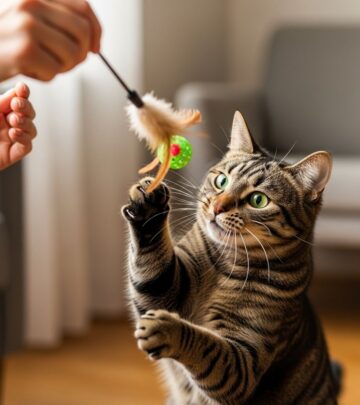
If your cat seeks attention through meowing, provide interactive play sessions several times daily. Engage your cat in chase games with toys for five minutes every couple of hours. After play, offer a small meal; cats typically groom and rest after eating, naturally settling into quieter behavior. This approach meets your cat’s need for interaction and activity while channeling their energy productively.
Nighttime Restlessness and Early Waking
Cats that wake owners early or remain restless throughout the night can disrupt household sleep. Before assuming behavioral causes, consult your veterinarian, as pain or illness may cause unusual nighttime activity.
Behavioral solutions include exhausting your cat before bedtime with energetic interactive play. Offer a meal or snack before sleep so your cat won’t wake demanding breakfast. Consider an automatic feeder programmed to dispense food at your desired wake time; this gradually shifts your cat’s expectations from you to the feeder.
For cats waking you early, try setting an alarm a few minutes before your cat normally awakens you and immediately offer wet food when it sounds. Over several weeks, gradually shift the alarm to later times. Your cat will eventually associate the alarm sound—not your presence—with feeding time, reducing motivation to wake you.
Aggression Toward People and Other Cats
Aggression is a serious behavioral concern requiring veterinary evaluation. Aggressive behavior can stem from fear, pain, territorial disputes, or improper socialization. Consult your veterinarian to identify underlying causes and determine whether medication or behavioral intervention is appropriate.
When multiple cats share a home, provide separate resources to reduce conflict. Each cat should have its own food bowl, litter box, and sleeping area. This prevents competition-driven aggression and allows cats to coexist peacefully. Gradually introduce unfamiliar cats through scent-swapping and supervised interactions rather than forcing immediate contact.
Environmental Enrichment and Prevention
Many behavioral problems can be prevented through proper environmental design and enrichment. Cats require mental stimulation, physical activity, and control over their environment.
Creating an Enriched Living Space
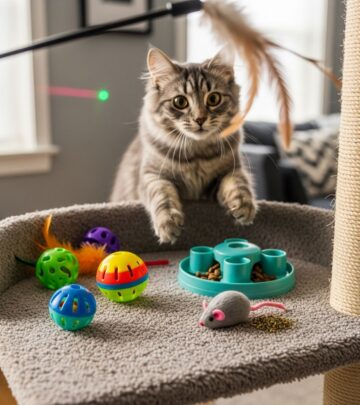
Provide interactive toys and play centers that engage your cat’s hunting instincts. Food-filled and treat-filled toys, toys that can be batted or chased, and interactive wand toys provide mental and physical stimulation. Rotate toys regularly to maintain novelty; leaving the same toys available constantly reduces their appeal.
Vertical spaces such as cat trees, wall-mounted shelves, and window perches satisfy climbing instincts and provide observation points. Cats feel secure when they can survey their environment from elevated positions. Ensure perches near windows allow visual access to outdoor activity.
Cardboard boxes and paper bags offer inexpensive enrichment and hiding spaces where cats can retreat when stressed. These simple items provide comfort and control, allowing cats to regulate their own privacy and security.
Establishing Predictable Routines
Consistent daily schedules reduce stress and anxiety. Cats thrive with predictability regarding feeding times, play sessions, and social interaction. Maintain regular patterns for meals, interactive play, and handling. Avoid sudden changes to routines; if changes are necessary, introduce them gradually.
Scheduled Social Interaction
Implement regular, scheduled social interaction sessions including play, exercise, and training. These structured sessions provide mental stimulation and strengthen your bond. Between sessions, provide settle-down areas with comfortable bedding where your cat can rest and relax undisturbed.
Training Principles and Best Practices
Effective cat training differs substantially from dog training due to feline independence and motivation styles. Understanding key principles improves training success.
Focus on One Behavior at a Time
Attempting to address multiple behavioral issues simultaneously overwhelms and confuses your cat. Prioritize the most pressing concerns—particularly dangerous behaviors such as chewing electrical cords—before moving to less urgent issues. Once one behavior improves, progress to the next challenge.
Use Reward-Based Methods
Reward-based training proves far more effective than punishment for cats. Cats do not respond to punishment the way humans do; it may increase anxiety and damage your relationship. Instead, provide rewards only when your cat exhibits desired behaviors, helping them understand which actions earn positive consequences. Use high-value rewards such as favorite treats, wet food, or play to motivate compliance.
Recognize Individual Differences
Each cat has a unique personality, motivation style, and learning pace. What works for one cat may not work for another. Experiment with different reward types, training approaches, and environmental modifications to find what resonates with your individual feline. Patience and flexibility are essential.
When Professional Help Is Needed
Some behavioral problems require professional intervention. Consult a veterinarian or certified animal behavior consultant when behavior issues persist despite your efforts, involve aggression, or seem to cause your cat significant distress. Professionals can identify underlying causes, rule out health conditions, and design customized behavior modification plans. In some cases, behavioral medication prescribed by a veterinarian may complement behavior modification efforts.
Key Takeaways
- Always rule out medical causes before addressing behavioral issues—many problems stem from pain or illness
- Use reward-based training and behavior modification techniques rather than punishment
- Provide environmental enrichment including appropriate scratching surfaces, interactive toys, and climbing opportunities
- Establish predictable daily routines and schedules to reduce stress and anxiety
- Address one behavioral problem at a time to avoid overwhelming your cat
- Seek professional help for persistent, serious, or complex behavioral concerns
Frequently Asked Questions
Why is my cat suddenly behaving differently?
Sudden behavioral changes often indicate underlying health problems. Schedule a veterinary examination to rule out illness, pain, or other medical conditions before assuming the behavior is psychological or intentional.
How long does behavior modification take?
Timeline varies depending on the behavior, your cat’s age and temperament, and consistency of implementation. Some behaviors improve within weeks, while others require months of patient, consistent effort. Younger cats generally adapt faster than older cats.
Is punishment effective for cat behavior problems?
Punishment is generally ineffective and often counterproductive with cats. It may increase fear, anxiety, and aggression while damaging your relationship. Reward-based approaches yield better results with fewer negative side effects.
Should I punish my cat for litter box accidents?
Never punish litter box avoidance. Punishment teaches your cat to hide when eliminating rather than addressing the underlying cause. Instead, ensure the litter box is accessible and clean, rule out medical issues, and reward your cat for using the box correctly.
Can adult cats learn new behaviors?
Yes, cats of all ages can learn new behaviors, though younger cats often adapt more quickly. Adult cats are capable of behavior modification when the process is patient, consistent, and reward-based.
References
- Treatment of Behavior Problems in Cats — Merck Veterinary Manual. https://www.merckvetmanual.com/cat-owners/behavior-of-cats/treatment-of-behavior-problems-in-cats
- 5 Cat Behavior Problems and How to Solve Them — ASPCA Pet Insurance. https://www.aspcapetinsurance.com/resources/5-cat-behavior-problems-and-how-to-solve-them/
- Cat Behavior Problems: Compulsive Disorders in Cats — VCA Animal Hospitals. https://vcahospitals.com/know-your-pet/cat-behavior-problems-compulsive-disorders-in-cats
- Recognizing and Correcting Cat Behavior Issues — Love.vet. https://love.vet/cat-behavior-recognizing-and-correcting-cat-behavior-issues/
- Top 9 Cat Behavior Challenges — Friends4Life. https://friends4life.org/cat-behavior-101/
- 9 Common Cat Behavior Problems (and How to Fix Them) — PetMD. https://www.petmd.com/cat/slideshows/9-common-cat-behavior-problems-and-how-fix-them
- Feline Behavior Problems: Aggression — Cornell Feline Health Center. https://www.vet.cornell.edu/departments-centers-and-institutes/cornell-feline-health-center/health-information/feline-health-topics/feline-behavior-problems-aggression
Similar Articles







Read full bio of medha deb