

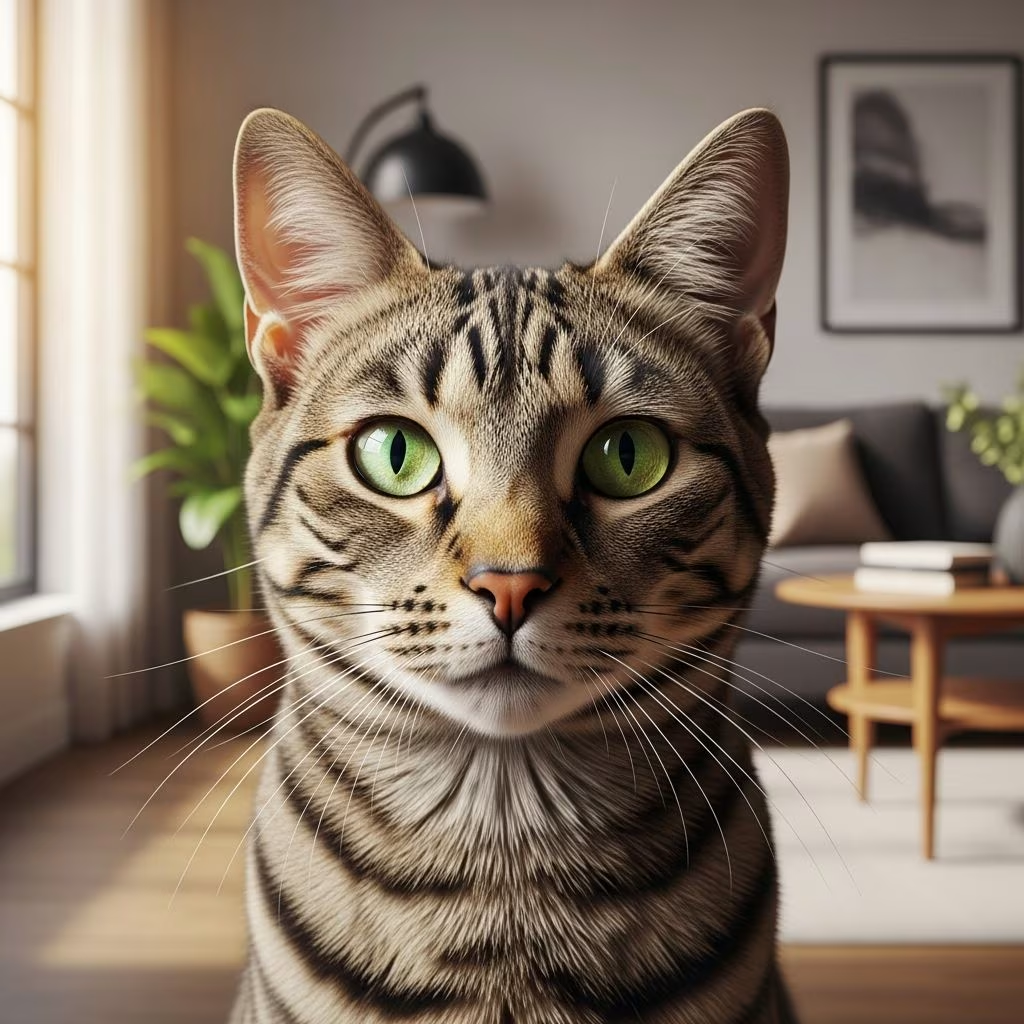
Cat behavior issues can strain the bond between pets and owners, but most problems stem from unmet needs or environmental stressors rather than inherent ‘bad’ traits. With patient application of modification techniques like counterconditioning and environmental enrichment, owners can foster positive changes.
Recognizing Early Warning Signs of Feline Distress
Observing subtle shifts in a cat’s routine helps catch issues before they escalate. Key indicators include sudden changes in appetite, vocalization patterns, or social withdrawal, often signaling underlying medical or emotional discomfort.
- Aggressive outbursts: Hissing, swatting, or biting at familiar people or animals, potentially linked to fear or redirected frustration.
- Litter avoidance: Urinating outside the box, which may indicate urinary tract infections or stress-induced aversions.
- Destructive scratching: Targeting furniture over posts, driven by territorial marking or claw maintenance instincts.
- Restless hyperactivity: Frenzied chasing or pouncing on shadows, resembling compulsive disorders from boredom or anxiety.
- Excessive vocalizing: Persistent meowing for attention, possibly due to hunger, isolation, or cognitive decline in seniors.
Always consult a veterinarian first to rule out health conditions, as pain from arthritis or hyperthyroidism can mimic behavioral problems.
Core Principles of Effective Cat Behavior Modification
Successful interventions prioritize positive reinforcement over punishment, which often heightens fear and worsens issues. Techniques focus on rewarding desired actions while gradually exposing cats to triggers in controlled ways.
| Technique | Description | Example Application |
|---|---|---|
| Counterconditioning | Pairing a feared stimulus with a positive reward to shift emotional response. | Treat a cat during calm encounters with a scary vacuum cleaner. |
| Desensitization | Slow exposure to triggers at sub-threshold levels to build tolerance. | Play doorbell sounds at low volume, increasing gradually as the cat relaxes. |
| Extinction | Withholding attention for unwanted behaviors to reduce their frequency. | Ignore attention-seeking meows until quiet, then reward silence. |
| Response Substitution | Training an incompatible positive behavior in place of the problem one. | Teach ‘sit’ for treats instead of jumping on counters. |
Consistency across household members is crucial; mixed signals confuse cats and prolong training.
Tailored Solutions for Top Feline Misbehaviors
Addressing Aggression in Cats
Aggression manifests as offensive attacks or defensive posturing, often triggered by resource guarding or overstimulation during play. Differentiate play aggression from true threats by noting dilated pupils and flattened ears.
- Interrupt sessions before escalation with a time-out in a quiet room.
- Provide individual resources like separate food bowls and litter boxes for multi-cat homes.
- Use pheromone diffusers to lower baseline anxiety.
For fear-based aggression, desensitization paired with counterconditioning proves most effective, requiring weeks of daily practice.
Fixing Inappropriate Elimination Habits
The leading complaint, litter box avoidance affects up to 10% of cats and demands a multi-step diagnostic approach. Medical exams precede behavioral tweaks.
- Ensure one box per cat plus one extra, scooped daily in quiet, accessible spots.
- Test litters; prefer unscented clumping types matching substrate preferences.
- Clean accidents with enzymatic cleaners to erase scent cues.
Stress reduction via routine schedules and hiding boxes in low-traffic areas prevents relapses.
Redirecting Destructive Scratching
Scratching satisfies natural urges for nail conditioning and scent marking. Punishment fails; attraction to alternatives succeeds.
- Select sturdy posts of varied textures (sisal, cardboard) at 3 feet tall for full stretches.
- Position near problem areas initially, rewarding use with play or treats.
- Apply sticky deterrents or foil to furniture temporarily.
Regular trims or soft caps complement training without curbing the instinct.
Managing Compulsive and Hyperactive Patterns
Behaviors like wool sucking or tail chasing signal excess energy or genetic predispositions, common in breeds like Siamese.
- Enrich environment with puzzle feeders, cat trees, and rotating toys to mimic hunting.
- Schedule 15-minute play sessions twice daily using wand toys for aerobic exertion.
- Incorporate food-dispensing toys to extend mental engagement.
A predictable routine—meals, play, rest—anchors the cat’s internal clock, curbing night waking.
Curating Nighttime Peace: Curbing Dawn Meowing
Morning yowls stem from wild crepuscular rhythms clashing with human sleep. Preemptive feeding retrains clocks.
- Set an alarm 10 minutes early, offering wet food to associate wake-up with rewards.
- Gradually delay by 2-3 minutes daily until aligned with preferred rise time.
- Employ automatic feeders for consistency during absences.
Evening exhaustion from interactive chase games ensures deeper sleep.
Environmental Enrichment: The Foundation of Prevention
A stimulating habitat prevents boredom-fueled issues. Vertical spaces like shelves and window perches fulfill climbing drives, while varied toys maintain novelty.
- Rotate toys weekly to preserve appeal; hide some for ‘new’ discoveries.
- Install bird feeders outside windows for safe entertainment.
- Use catnip or silvervine sparingly for bursts of joy without tolerance buildup.
For multi-pet homes, scent swapping via towel rubs eases introductions, reducing territorial spats.
When to Seek Professional Guidance
If home efforts yield no progress in 4-6 weeks or behaviors intensify, certified behaviorists or vets specializing in felines offer customized plans, sometimes including anti-anxiety medications.
Early intervention maximizes success; kittens adapt quickest, but adults respond well to structured programs.
Frequently Asked Questions (FAQs)
Why is my cat suddenly aggressive?
Often pain, fear, or frustration; vet check first, then modify triggers with positive techniques.
How do I stop litter box avoidance?
Rule out UTI, optimize boxes, reduce stress—enzymatic cleaners for accidents.
Are scratching posts always effective?
Yes, if matched to preferences and rewarded; combine with deterrents.
Can older cats change behaviors?
Absolutely, with patience; cognitive aids help seniors.
Is punishment ever okay?
Rarely; timing errors worsen fear. Focus on rewards.
Long-Term Success Strategies
Sustain gains through lifelong enrichment and health vigilance. Annual behavior audits during vet visits catch regressions early. Patient owners see 80-90% improvement rates with consistent effort.
References
- Treatment of Behavior Problems in Cats — Merck Veterinary Manual. 2023. https://www.merckvetmanual.com/cat-owners/behavior-of-cats/treatment-of-behavior-problems-in-cats
- Cat Behavior Problems – Compulsive Disorders in Cats — VCA Animal Hospitals. 2024. https://vcahospitals.com/know-your-pet/cat-behavior-problems-compulsive-disorders-in-cats
- Recognizing and Correcting Cat Behavior Issues — Love Vet. 2024. https://love.vet/cat-behavior-recognizing-and-correcting-cat-behavior-issues/
- Cat Behavior 101: Top 9 Challenges — Friends For Life Animal Shelter. 2023. https://friends4life.org/cat-behavior-101/
- Cat Behavior Problems: Scratching, Biting, Hiding — Ermineskin Veterinary Clinic. 2025-09-03. https://ermineskinvet.com/2025/09/03/cat-behavior-problems/
- 9 Common Cat Behavior Problems (and How to Fix Them) — PetMD. 2024. https://www.petmd.com/cat/slideshows/9-common-cat-behavior-problems-and-how-fix-them



