

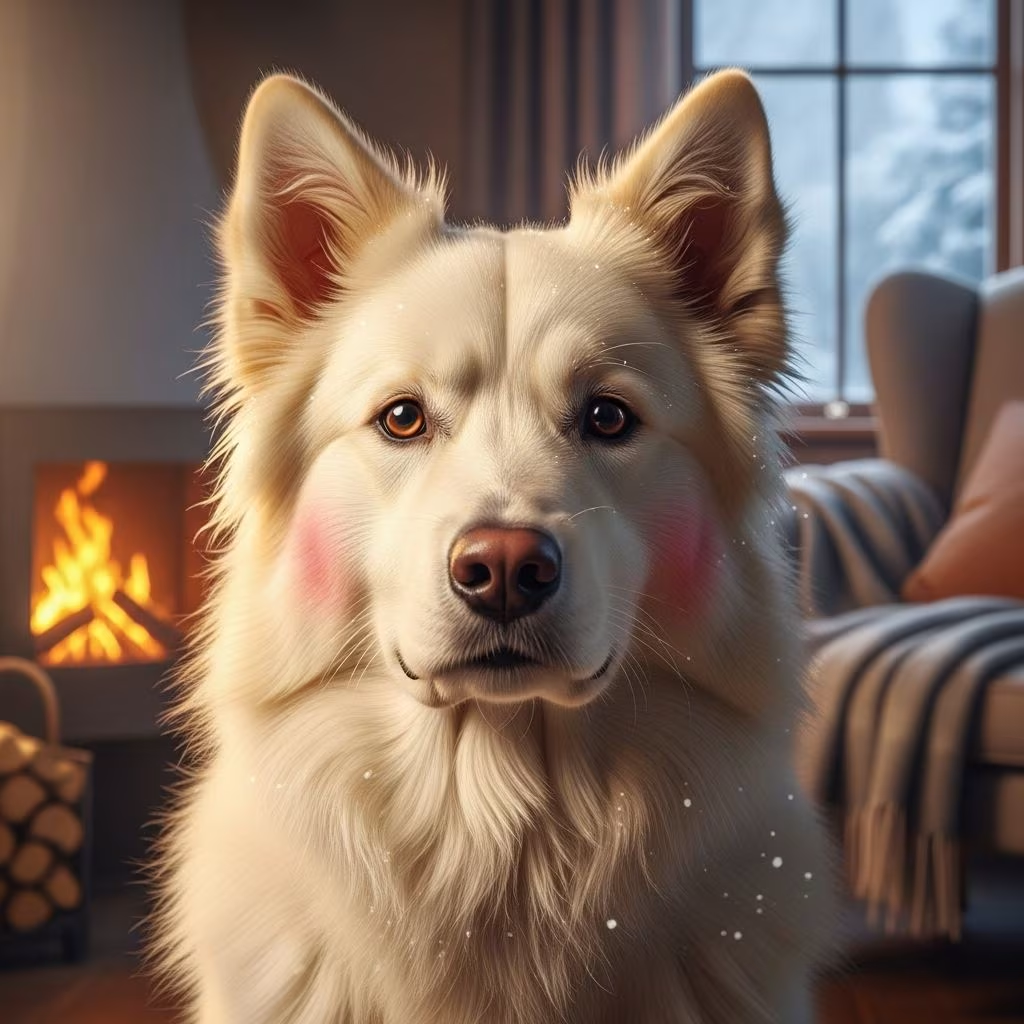
Winter weather can wreak havoc on your dog’s skin and coat, leaving them uncomfortable and itchy. The cold, dry air, combined with indoor heating and exposure to salt and ice melt, creates the perfect storm for skin issues. Understanding these problems and implementing a seasonal care routine can help keep your furry friend’s skin healthy and comfortable throughout the winter months.
Understanding Winter Skin Issues in Dogs
As temperatures drop, dogs face a unique set of skin challenges that differ from other seasons. The dry winter air strips moisture from the skin, and indoor heating systems further exacerbate this problem by reducing humidity levels in your home. Additionally, exposure to snow, ice, salt, and chemical deicers creates additional stress on sensitive paw pads and can lead to irritation and inflammation. Environmental factors combined with reduced outdoor activity and dietary changes can trigger or worsen existing skin conditions.
Skin and Coat Care Concern No. 1: Dry, Itchy Skin
Dry, itchy skin is the most common winter skin complaint among dog owners. This condition manifests as flaking, redness, and persistent scratching, which can lead to secondary infections if left untreated. The root cause often stems from environmental factors, though underlying allergies may also play a role.
Adjusting Your Dog’s Bathing Routine
One of the most important steps in winter skin care is modifying your bathing schedule. Over-bathing removes essential natural oils from your dog’s skin, making dryness worse during winter months. Reduce bathing frequency and when you do bathe your dog, use lukewarm water rather than hot water, which can further strip oils from the skin. When selecting a shampoo, opt for moisturizing formulas specifically designed for sensitive skin. Aloe-based shampoos provide soothing relief, while colloidal oatmeal shampoos offer anti-itch properties and help restore skin moisture. Follow up with a quality conditioner to lock in hydration and create a protective barrier on the skin.
Boosting Hydration from Within
Proper hydration plays a crucial role in maintaining healthy skin during winter. Encourage your dog to drink more water by making it more appealing—add warm water to their meals to increase moisture intake. Adequate hydration supports skin health from the inside out and contributes to overall wellness. Consider using a pet water fountain to encourage drinking, as many dogs prefer flowing water.
Humidity Control in Your Home
Indoor heating systems create exceptionally dry environments that aggravate skin conditions. Adding a humidifier to areas where your dog spends the most time can significantly improve skin health. Aim for indoor humidity levels between 40-60 percent, which benefits both you and your pet. A humidifier helps restore moisture to the air and prevents skin from becoming overly dry and irritated.
Nutritional Support for Skin Health
A balanced diet enriched with essential fatty acids supports skin and coat health year-round but becomes especially important during winter. Omega-3 and omega-6 fatty acids help maintain skin moisture and reduce inflammation. Consider adding salmon oil supplements or fish-based foods to your dog’s diet, as these are natural sources of omega fatty acids. Supplements like biotin and vitamin E work similarly to how they benefit human hair and skin, softening dry fur and preventing matting. Always consult your veterinarian before adding supplements to ensure they’re appropriate for your dog’s specific needs.
Professional Assessment When Needed
If your dog’s itching persists despite preventive measures, allergies might be the underlying cause rather than simple dryness. Schedule a veterinary appointment to rule out allergies and other conditions. Your vet may recommend allergy supplements designed to bolster immune response and reduce uncomfortable symptoms. In some cases, prescription treatments may be necessary to provide relief.
Skin and Coat Care Concern No. 2: Coat Maintenance and Grooming
Proper grooming becomes increasingly important during winter months. While you may be tempted to let your dog’s fur grow longer for insulation, regular grooming appointments remain essential. Longer coats can trap moisture, dead skin cells, and debris, potentially worsening skin problems rather than protecting against them.
Regular Brushing and Coat Care
Brushing your dog’s coat several times weekly helps remove loose fur, stimulates natural oil production, and improves circulation to the skin. After outdoor adventures in the snow, thoroughly brush your dog’s coat to remove debris and moisture that could cause irritation. Regular brushing sessions also provide an opportunity to inspect the skin for any concerning changes. Keep an absorbent microfiber towel handy to dry your dog quickly after outdoor activities, preventing moisture from sitting on the skin and causing irritation.
Professional Grooming Considerations
Work with your groomer to maintain your dog’s coat length appropriately for winter. While leaving some extra length can provide moderate insulation, matted or overly thick coats trap moisture and prevent air circulation, exacerbating skin problems. Discuss your dog’s specific needs with your groomer, especially if they have sensitive skin or existing conditions. Professional groomers can provide therapeutic baths with medicated shampoos that offer immediate relief for dogs with allergies or infections.
Skin and Coat Care Concern No. 3: Irritated Paw Pads
Your dog’s paw pads face unique challenges during winter. Beyond typical wear and tear, exposure to ice, snow, and chemical deicers creates significant irritation and potential health hazards. Salt and ice melt chemicals can cause skin irritation and pose serious health risks if ingested during grooming.
Protecting Paws from Environmental Hazards
Before winter walks, apply a protective paw balm to create a barrier against ice, snow, and deicing chemicals. Paw balms with beeswax and natural oils form a waterproof seal that prevents direct contact with harmful substances. Alternatively, consider investing in protective dog booties for added defense during winter walks. After outdoor activities, rinse your dog’s paws thoroughly with lukewarm water and a gentle cloth to remove residual salt and chemicals. This simple step prevents irritation and reduces the risk of toxicity from ingested chemicals.
Treatment for Cracked and Dry Paw Pads
If your dog’s paw pads become cracked or irritated despite prevention efforts, specialized paw balms can provide relief. Products formulated specifically for paw pad care contain moisturizing ingredients like shea butter, coconut oil, and beeswax that soothe and heal. Gently massage these products into affected areas for a therapeutic treatment. For persistent cracking or signs of infection, consult your veterinarian, as more aggressive treatment may be necessary.
Managing Salt and Ice Melt Exposure
Pet-safe ice melt alternatives are available and should be prioritized when possible. If you must use traditional ice melt in your area, use it sparingly and ensure your dog has immediate access to fresh water. Educate family members and neighbors about the importance of pet-safe products, and always rinse your dog’s paws before allowing them inside to prevent ingestion of harmful chemicals.
Additional Winter Skin Care Strategies
Essential Fatty Acid Supplements
Beyond dietary sources, concentrated omega-3 and omega-6 supplements specifically formulated for dogs can provide additional support. These supplements work systemically to maintain skin moisture, reduce inflammation, and promote a healthy coat. Fish oil supplements are particularly beneficial due to their high omega-3 content and anti-inflammatory properties. Incorporate these into your dog’s routine with veterinary guidance to determine appropriate dosages.
Home Remedies for Skin Relief
Several natural remedies can complement your winter skin care routine. Coconut oil massages provide moisturizing and anti-inflammatory benefits when gently applied to dry areas. Colloidal oatmeal baths effectively soothe itching and irritation while being gentle enough for sensitive skin. These remedies work best as part of a comprehensive approach rather than as standalone solutions.
Monitoring for Secondary Issues
Dry, itchy skin can lead to hot spots and secondary infections if your dog engages in excessive licking or scratching. Hot spots, or acute moist dermatitis, are painful infected areas that develop quickly and require prompt veterinary attention. Additionally, fleas and parasites remain problematic during winter, particularly for indoor dogs exposed to other animals. Maintain year-round parasite prevention even during winter months to avoid these complications.
When to Seek Professional Veterinary Care
While many winter skin issues can be managed with preventive care and home remedies, certain situations warrant professional evaluation. If your dog shows signs of severe itching, persistent hair loss, signs of infection, or skin lesions that don’t improve with home care, contact your veterinarian. Allergies often manifest as skin problems and require professional diagnosis and tailored treatment plans. Your vet may recommend prescription shampoos, oral medications, or other targeted therapies to address underlying conditions.
Creating Your Winter Skin Care Routine
An effective winter skin care routine combines multiple strategies tailored to your individual dog’s needs:
- Reduce bathing frequency to once every 2-4 weeks, using moisturizing, fragrance-free shampoos
- Add a humidifier to areas where your dog spends significant time
- Increase water intake by adding warm water to meals
- Incorporate omega-3 and omega-6 supplements into your dog’s diet
- Brush your dog’s coat thoroughly 3-4 times weekly
- Apply paw balms before outdoor activities and rinse paws afterward
- Schedule regular grooming appointments to maintain coat health
- Monitor your dog’s skin regularly for changes or concerns
- Maintain year-round parasite prevention
Winter Skin Care Product Recommendations
| Product Type | Key Ingredients | Benefits |
|---|---|---|
| Moisturizing Shampoos (Aloe-based) | Aloe vera, glycerin, natural oils | Soothes irritation, moisturizes dry skin, reduces itching |
| Colloidal Oatmeal Products | Colloidal oatmeal, aloe, vitamin E | Anti-itch properties, restores moisture, forms protective barrier |
| Paw Balms | Beeswax, shea butter, coconut oil | Protects from ice/salt, heals cracks, waterproof barrier |
| Omega-3/6 Supplements | Fish oil, flaxseed, salmon oil | Maintains skin moisture, reduces inflammation, promotes coat health |
| Humidifiers | Water vapor dispersal | Restores indoor humidity, prevents skin dryness |
Frequently Asked Questions (FAQs)
Q: How often should I bathe my dog during winter?
A: Reduce bathing frequency to once every 2-4 weeks during winter months. Over-bathing strips natural oils that protect skin from dryness and irritation. When bathing is necessary, use lukewarm water and moisturizing shampoos.
Q: Is coconut oil safe for dogs with winter dry skin?
A: Yes, virgin coconut oil is safe and beneficial for dogs with dry skin. It possesses moisturizing and anti-inflammatory properties that help soothe irritation when gently massaged onto affected areas. However, use in moderation to avoid excessive oiliness.
Q: Can I use human moisturizers on my dog’s skin?
A: No, human moisturizers may contain ingredients that are harmful to dogs if ingested during grooming. Always use pet-safe, veterinarian-approved products specifically formulated for dogs.
Q: What should I do if my dog’s paws are already cracked and painful?
A: Apply a specialized paw balm designed for dogs and reduce outdoor time temporarily. If cracks are severe, show signs of infection, or your dog is limping, consult your veterinarian for professional evaluation and treatment.
Q: How can I tell if my dog has a winter allergy versus simple dryness?
A: Allergies typically cause persistent, intense itching that doesn’t respond to moisturizing treatments alone. You may notice excessive licking, chewing, or redness beyond typical dry skin symptoms. Your veterinarian can perform allergy testing and help distinguish between environmental dryness and allergic reactions.
Q: Do all dogs need paw booties in winter?
A: Not all dogs require booties, but they’re beneficial for dogs with sensitive paws, those prone to dermatitis, or those living in areas with heavy salt and ice melt use. Booties provide excellent protection if your dog tolerates wearing them.
Q: Should I keep my dog’s coat longer during winter for protection?
A: A moderately longer coat provides some insulation, but excessively long coats can trap moisture and debris, worsening skin problems. Work with your groomer to maintain appropriate length based on your dog’s individual needs and skin condition.
Q: How much omega-3 supplement should I give my dog?
A: Dosage depends on your dog’s size, age, and health status. Consult your veterinarian to determine the appropriate amount of omega-3 and omega-6 supplements for your specific dog.
References
- Fur-ocious Winter Woes: How to Keep Your Pet’s Skin from Getting Ruff — Mid Valley Veterinary Clinic. Accessed 2025-11-28. https://mid-valleyvet.com/fur-ocious-winter-woes-how-to-keep-your-pets-skin-from-getting-ruff/
- Help Solve Dog Skin Problems This Winter With a Routine Refresh — Chewy Education. 2024. https://www.chewy.com/education/dog/health-and-wellness/how-to-solve-common-winter-dog-skin-problems
- Expert Insights on Dog Dry Skin – Nutri-Vet — Nutri-Vet. 2024. https://nutri-vet.com/blogs/news/dry-skin-dogs-winter-remedies
- How To Ease Your Dog’s Winter Itch — Pet Assure. 2024. https://www.petassure.com/maxscorner/treating-dry-skin-for-dogs/
- Common Winter Skin and Fur Conditions — Penn Vet Care. 2024. https://www.pennvetcare.com/blog/1260795-common-winter-skin-and-fur-conditions_2



