

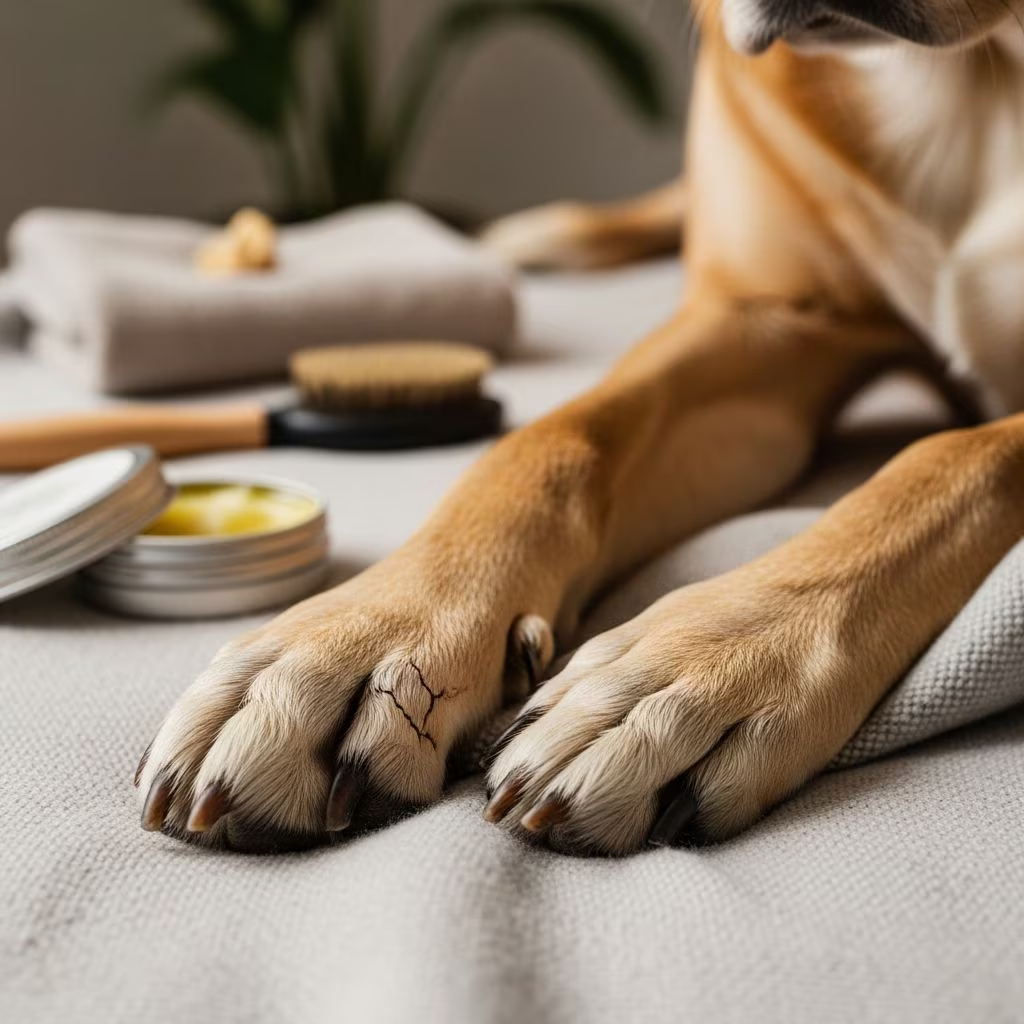
Solutions for Caring for Cracked Dog Paws
Your dog’s paw pads are among the most important yet often overlooked parts of their body. These tough, leathery cushions bear the weight of your dog’s entire body as they run, walk, and play throughout the day. Cracked paw pads can be a source of significant discomfort for your furry friend, potentially leading to pain, limping, and infection if left untreated. Understanding how to properly care for cracked paws and prevent future damage is essential for every dog owner.
Understanding Cracked Paw Pads in Dogs
Cracked paw pads can occur for various reasons, ranging from environmental factors to underlying health conditions. Dogs with cracked paws may experience pain, difficulty walking, or behavioral changes such as excessive licking or reluctance to go for walks. In some cases, your dog might display signs of discomfort by being less active than usual or vocalizing in pain. Recognizing these symptoms early is crucial for prompt treatment and preventing complications.
Common Causes of Cracked Paws
Several factors can contribute to the development of cracked paw pads in dogs. Understanding these causes can help you take preventative measures and identify risk factors specific to your pet.
Wear and Tear: One of the most common causes of cracked paws is simple wear and tear from daily activities. Dogs that spend extended periods on rough, rocky terrain, concrete surfaces, or abrasive ground may develop cracks due to constant friction and pressure. The repeated impact on hard surfaces gradually wears down the protective layer of the paw pad, making it more susceptible to cracking.
Environmental Exposure: Harsh environmental conditions significantly impact paw pad health. During winter, exposure to ice melt and salt can cause irritation and cracking, while summer heat can cause paw pads to blister and crack when dogs walk on hot pavement. Dry climates and indoor heating during winter months can also cause paw pads to lose moisture, becoming dry and brittle.
Chemical Exposure: Harsh chemicals used for ice melting or floor cleaning can irritate and damage paw pads. When dogs walk through these substances and then lick their paws, the chemicals can cause further irritation and inflammation, leading to increased cracking and potential infection.
Underlying Health Problems: Sometimes cracked paws indicate an underlying medical condition. Dry paw pads can result from allergies, nutritional deficiencies, or skin conditions that require veterinary attention. If your dog’s paws remain cracked despite home care efforts, consulting with your veterinarian is important to rule out systemic health issues.
When to Treat at Home vs. Seeking Veterinary Care
Not all cracked paws require professional veterinary intervention. However, knowing when to treat your dog at home and when to seek professional help is essential for your dog’s wellbeing.
Home Treatment Candidates: If your dog’s paw pads have superficial cracks that aren’t bleeding and show no signs of infection, you can attempt home treatment. Small, shallow cracks that don’t seem to cause your dog significant discomfort are generally safe to treat at home with proper care and monitoring.
When to See a Veterinarian: Seek professional help if your dog’s cracks are deep, bleeding, or showing signs of infection such as swelling, redness, discharge, or a foul odor. Additionally, if your dog exhibits significant pain, limping, or behavioral changes, professional evaluation is necessary. If home treatment doesn’t show improvement within a few days or if the condition worsens, contact your veterinarian immediately.
Step-by-Step Guide to Treating Cracked Dog Paws at Home
If your dog has mild to moderate cracked paws, follow these steps to promote healing and prevent infection.
Step 1: Clean the Injured Paw Pad
Begin treatment by thoroughly cleaning the affected paw pad. Use warm water or a saline solution to gently rinse away dirt, debris, and any potential contaminants. Clean the pads with a soft washrag and warm water combined with antibacterial soap, paying special attention to the cracks and crevices where bacteria might hide. After washing, pat the paws dry with a clean towel, ensuring you don’t leave any moisture that could promote bacterial growth or soften the tissue further.
Important note: Avoid using hydrogen peroxide on paw pads, as it can damage healthy tissue and complicate healing. Stick to gentle, dog-safe cleaning solutions instead.
Step 2: Apply Protective Sealing (for Larger Cracks)
For larger cuts or cracks, some veterinarians recommend using veterinary-grade adhesive (similar to surgical glue) to hold the wound together during healing. If your vet advises this approach, carefully hold the crack together and apply the glue, maintaining pressure until it dries completely. This technique works similarly to surgical closure and can significantly speed up healing for deeper cracks. For smaller cracks, you can skip this step and proceed directly to applying balm.
Step 3: Apply Healing Balm or Moisturizer
Once any adhesive is completely dry, apply a pet-safe paw balm, butter, or moisturizing cream to the affected area. These products are thicker than regular creams and provide longer-lasting protection and moisture. Quality paw balms contain nourishing ingredients that help soften dry pads and promote healing. Ensure the product is specifically formulated for dogs to prevent toxicity or adverse reactions. Apply the balm generously and massage it into the paw pad, making sure it penetrates well into the cracks.
Step 4: Bandage the Paw
Protect the treated paw pad with appropriate bandaging materials. Use sterile gauze and self-adhering veterinary tape to wrap the paw securely. Wrap the gauze around the affected area and extend the wrapping around the entire foot and partially up the leg for stability. Self-adhering tape works particularly well because it won’t pull your dog’s fur. Ensure the bandage is snug enough to prevent slipping but not so tight that it restricts blood circulation. Watch for signs of swelling in the paw or leg, which indicates the bandage is too tight and needs adjustment.
If your dog attempts to chew or lick at the bandage, you may need to use a cone (Elizabethan collar) or place a protective sock over the bandaged paw to prevent further damage or removal of the dressing.
Step 5: Change Dressings Regularly
Change the bandage at least once daily, and more frequently if it becomes soiled or wet. Each time you change the dressing, repeat the cleaning and balm application process. Continue this regimen until the crack is completely healed, which typically takes one to two weeks depending on severity. Discontinuing bandaging too early can result in the wound reopening or becoming infected, so patience is essential during the healing process.
Step 6: Limit Activity and Provide Mental Stimulation
Encourage your dog to rest and minimize stress on the injured paw pad. Reduce the length and intensity of walks, and avoid rough terrain, hot pavement, and rocky surfaces while healing. For active dogs, this can be challenging, so providing alternative forms of mental stimulation is important. Use puzzle toys, indoor games, and training sessions to tire out your dog mentally without requiring physical exertion. This approach helps prevent your dog from being restless and trying to run or play despite their injury.
Professional Veterinary Treatment Options
When home care isn’t sufficient, your veterinarian may recommend additional treatments depending on the severity and underlying cause of the cracked paws.
Antibiotics: If infection is present or suspected, your vet may prescribe oral antibiotics such as cephalexin, topical antibiotics like mupirocin, or injectable medications like Convenia to combat bacterial infection and prevent complications.
Pain Management: For dogs experiencing significant discomfort, pain medications such as carprofen or tramadol may be prescribed to manage pain and reduce inflammation, allowing your dog to move more comfortably during recovery.
Medicated Treatments: Your veterinarian may apply or prescribe medicated cleansing agents, medicated mousses, or specialized medicated wipes designed to promote healing and prevent infection. These professional-grade products often contain ingredients not available in over-the-counter pet products.
Prevention Strategies for Healthy Paw Pads
Preventing cracked paws is far easier than treating them. Implementing these prevention strategies can significantly reduce your dog’s risk of developing painful paw pad issues.
Environmental Protection
Winter Care: During winter months, use dog booties when walking on snow, ice, or salted surfaces. Additionally, rinse your dog’s paws with clean water immediately after walks to remove salt, ice melt chemicals, and other irritants. Apply paw protection wax or balm before heading outside to create a protective barrier against salt and cold temperatures.
Summer Protection: In hot weather, test pavement temperature with your hand before allowing your dog to walk on it. If it’s too hot for your bare hand, it’s too hot for your dog’s paws. Consider walking during cooler parts of the day, using dog booties on hot surfaces, or applying paw wax for protection. Limiting time on hot concrete and asphalt can prevent blister formation and cracking.
Terrain Management
Keep your yard free of sticks, rocks, sharp objects, and other debris that could cut or puncture paw pads. When hiking or walking on rough terrain, use protective dog booties or apply paw wax. These simple measures can prevent cuts and excessive wear that leads to cracking.
Regular Maintenance
Inspect your dog’s paw pads daily, especially if they spend significant time outdoors. Look for early signs of cracking, discoloration, or irritation. Regularly trim hair between the toe pads to improve traction and reduce moisture accumulation. Keep paw pads moisturized with pet-safe balms and waxes to prevent dryness that leads to cracking.
Nutritional Support
Ensure your dog receives a balanced diet rich in omega-3 and omega-6 fatty acids, which support healthy skin and paw pad condition. Proper nutrition strengthens the skin barrier and promotes overall paw health from the inside out.
Recommended Paw Care Products
| Product Type | Purpose | Best For |
|---|---|---|
| Paw Balms and Butters | Moisturizing and healing cracked pads | General paw pad maintenance and minor cracks |
| Dog Booties | Physical protection from environmental hazards | Walking in winter, heat, or rough terrain |
| Paw Wax | Creating protective barrier against elements | Prevention before exposure to harsh conditions |
| Medicated Wipes | Gentle cleansing and disinfection | Daily paw cleaning and mild irritation |
| Oatmeal Shampoo | Soothing sensitive paw pads | Cleaning while providing comfort to irritated pads |
Frequently Asked Questions About Cracked Dog Paws
Q: How long does it take for cracked dog paws to heal?
A: Most minor cracks heal within one to two weeks with proper care and bandaging. More severe cracks may take three to four weeks. Consistent daily treatment and activity restriction significantly impact healing time.
Q: Can I use human moisturizer on my dog’s paws?
A: No, always use products specifically formulated for dogs. Human products may contain ingredients that are toxic to dogs if ingested, and they may not be appropriate for canine skin pH levels.
Q: Should I use a cone if my dog keeps licking their paws?
A: Yes, using an Elizabethan collar (cone) is recommended if your dog continuously licks or chews at the injury or dressing. Excessive licking can remove medication, delay healing, and introduce bacteria, causing infection.
Q: Are certain dog breeds more prone to cracked paws?
A: Dogs that spend more time outdoors, active breeds, and working dogs are more susceptible to cracked paws due to increased exposure to harsh environments and rough terrain.
Q: What’s the difference between dry paws and cracked paws?
A: Dry paws lack moisture and feel rough but haven’t developed visible cracks. Cracked paws have visible splits in the pad surface and may be painful or bleeding. Dry paws can progress to cracked paws if not treated.
Q: Can diet affect my dog’s paw pad health?
A: Yes, a balanced diet with adequate omega-3 and omega-6 fatty acids supports healthy skin and paw pads. Nutritional deficiencies can contribute to dry, cracked paws and slower healing.
Q: Is it normal for paw pads to have some cracks?
A: Minor surface roughness is normal, but deep cracks or bleeding cracks require treatment. If cracks are causing your dog discomfort or showing signs of infection, they need attention.
References
- Cracked Paw Pads: How to Care for Your Dog’s Paws — Business Insider. 2024. https://www.businessinsider.com/guides/pets/dogs-with-cracked-paw-pads
- Cracked Paws – Why This Happens and What to Do About It — Friends of the Dog. https://www.friendsofthedog.co.za/cracked-paws–why-this-happens-and-what-to-do-about-it.html
- Cracked Dog Paws? Common Causes and How to Care For Them — PetMD. 2024. https://www.petmd.com/dog/general-health/cracked-dog-paws



