

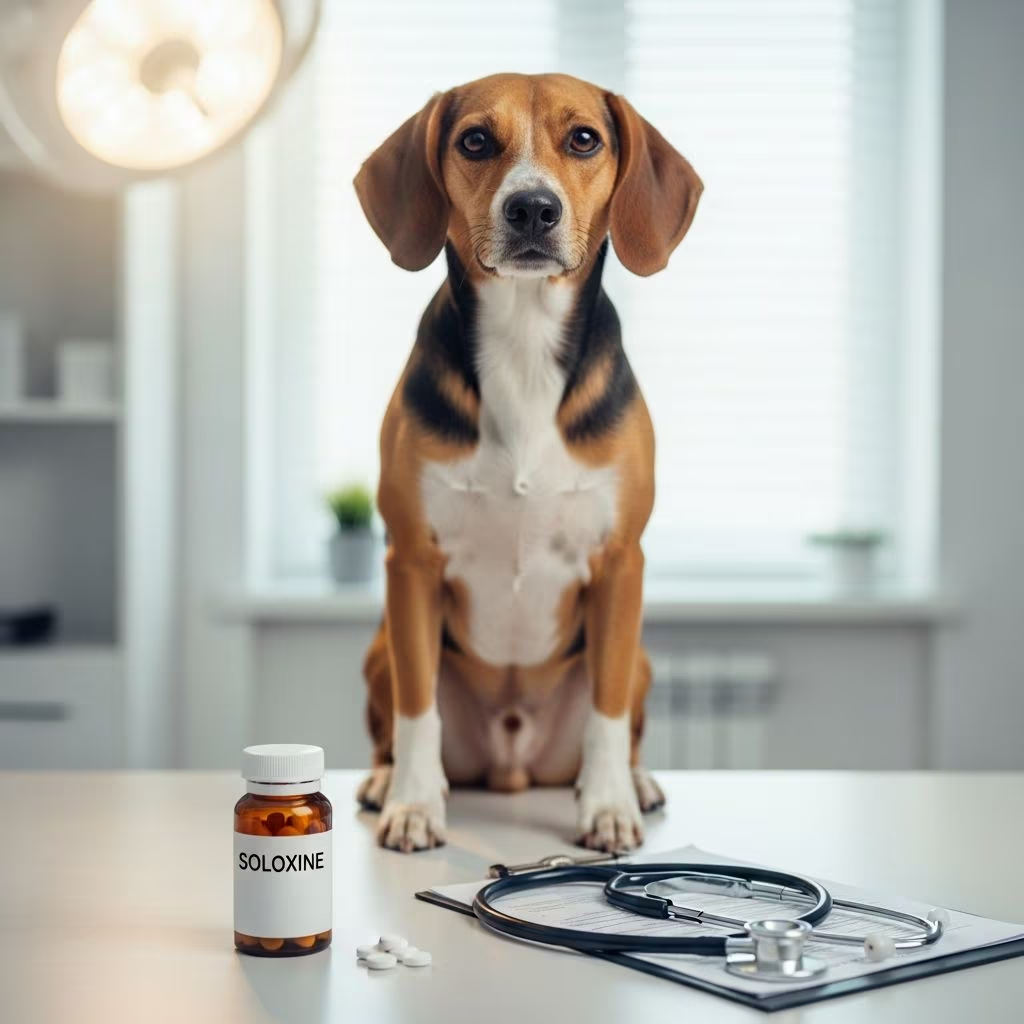
Levothyroxine sodium, marketed as Soloxine, serves as a cornerstone therapy for dogs suffering from hypothyroidism, a prevalent endocrine disorder characterized by insufficient thyroid hormone production. This synthetic hormone replacement mimics the body’s natural thyroxine (T4), restoring metabolic balance and alleviating debilitating symptoms.
Understanding Canine Hypothyroidism
Hypothyroidism ranks among the most common hormonal conditions in dogs, primarily affecting middle-aged to older medium and large breeds such as Golden Retrievers, Dobermans, and Boxers. The thyroid glands, located in the neck, produce hormones essential for regulating metabolism, energy levels, skin health, and organ function. When production falters—often due to autoimmune destruction (lymphocytic thyroiditis)—dogs experience a cascade of health issues.
Primary causes include immune-mediated atrophy of the thyroid tissue, accounting for over 90% of cases, with rarer instances stemming from idiopathic atrophy or congenital defects. Unlike humans, dietary iodine deficiency rarely triggers the condition in dogs.
Recognizing the Signs
- Hair loss: Symmetrical alopecia, especially on the trunk, tail, and thighs, without itching.
- Skin changes: Dry, flaky, or oily skin; hyperpigmentation; recurrent infections.
- Weight issues: Unexplained gain despite normal appetite.
- Behavioral shifts: Lethargy, exercise intolerance, mental dullness.
- Other indicators: Cold intolerance, high cholesterol, slowed heart rate, infertility, or neurological problems in severe cases.
These symptoms develop gradually, often mistaken for aging. Early veterinary intervention via blood tests measuring total T4, free T4, and TSH levels confirms diagnosis, distinguishing it from non-thyroidal illness.
How Soloxine Works in Dogs
Soloxine supplies levothyroxine (T4), which the body converts to active triiodothyronine (T3). This supplementation normalizes basal metabolic rate, enhances protein synthesis, boosts catecholamine sensitivity, and supports cardiovascular, neurological, and dermatological functions. As the gold standard, Soloxine offers consistent absorption and reliable results, outperforming some generics in clinical practice.
Veterinarians favor it for its nine color-coded tablet strengths (0.1 to 1.0 mg), facilitating precise dosing adjustments. Trusted for over 25 years, it quickly elevates thyroid levels, improving quality of life.
Administering Soloxine Effectively
Administer on an empty stomach, 30-60 minutes before feeding, to maximize gastrointestinal absorption. Consistency in timing—typically every 12 hours—prevents fluctuations.
Dosing Guidelines
| Dog Weight Range | Initial Dose (mcg/kg) | Frequency | Tablet Options |
|---|---|---|---|
| Under 12 lbs | 0.01-0.02 mg total | q12h | 0.1-0.2 mg |
| 12-44 lbs | 0.3-0.6 mg total | q12h | 0.3-0.5 mg |
| 44-88 lbs | 0.7-1.2 mg total | q12h | 0.6-0.8 mg |
| Over 88 lbs | 1.3+ mg total | q12h | 1.0 mg |
Start at 0.01 mg/kg twice daily (about 10 mcg/lb), adjusting based on follow-up panels after 4-6 weeks. Full effects emerge in 4-8 weeks, with hair regrowth taking 3-6 months.
For puppies or breeding dogs, consult a vet; use cautiously in cardiac cases, starting low and titrating slowly.
Benefits Backed by Veterinary Experience
Vets report superior outcomes with Soloxine. One practitioner noted a Jack Russell’s skin clearing and thyroid normalization faster than with generics. Another clinic manages hundreds of cases with predictable results and high owner compliance due to easy dosing.
Studies affirm its efficacy: field trials show reversal of lethargy, weight gain, and hyperlipidemia. It prevents secondary issues like anemia or ulcers.
Potential Side Effects and Risks
Overdose mimics hyperthyroidism: hyperactivity, panting, rapid heartbeat, or vomiting. Rare allergic reactions include facial swelling. Monitor for interactions with phenobarbital, steroids, or antacids, which impair absorption.
Pregnant or lactating bitches require vet oversight, as excess hormones pose fetal risks.
Monitoring and Long-Term Management
- Week 2-4: Check trough T4 levels pre-pill.
- Month 1-2: Full thyroid panel (T4, free T4, TSH, cholesterol).
- Ongoing: Every 6-12 months, or if symptoms recur.
Lifelong therapy is standard, with 80-90% success rates when dosed correctly. Annual exams track weight, coat, and labs.
Alternatives to Soloxine
| Medication | Key Features | Comparison to Soloxine |
|---|---|---|
| Thyro-Tabs Canine | FDA-approved levothyroxine | Similar efficacy; different manufacturer |
| ThyroKare | Oral tablets | Equivalent dosing; good absorption |
| Generics | Levothyroxine sodium | May vary in bioavailability |
FDA approves multiple levothyroxine products for canine use, emphasizing prescription-only status.
Owner Tips for Success
- Give consistently, same times daily.
- Avoid food/milk within 1 hour.
- Track weight and symptoms in a journal.
- Report changes promptly.
- Store at room temperature, away from light.
Frequently Asked Questions (FAQs)
Can Soloxine be used in cats?
Occasionally for post-surgical hypothyroidism, but dosing is lower (10-20 mcg/kg daily). Vet supervision essential.
How soon do improvements appear?
Energy and appetite boost in 1-2 weeks; skin/hair in months.
Is lifelong treatment necessary?
Yes, as hypothyroidism is permanent; abrupt stops cause relapse.
What if my dog misses a dose?
Give as soon as remembered; skip if near next. Never double.
Does diet affect Soloxine?
High-fat meals reduce absorption; soy/soybean products may interfere.
Choosing Soloxine: Why It Stands Out
With proven consistency, veterinary endorsements, and FDA backing, Soloxine empowers dogs to thrive despite hypothyroidism. Partner with your vet for tailored care, ensuring monitoring and adjustments keep your pet energetic and healthy.
References
- Tried & true: Soloxine is the gold standard for canine hypothyroidism therapy — dvm360 (Sponsored by Virbac). 2006. https://www.dvm360.com/view/tried-true-soloxine-gold-standard-canine-hypothyroidism-therapy-sponsored-virbac
- 3 Steps for Using Dog Thyroid Medications — PetCareRx. N/A. https://www.petcarerx.com/article/3-steps-for-using-dog-thyroid-medications/1418
- Levothyroxine for Dogs: Uses, Side Effects, and Dose Monitoring — AKC. N/A. https://www.akc.org/expert-advice/health/levothyroxine-for-dogs/
- Levothyroxine (Soloxine®,ThyroTabs®) for Dogs and Cats — PetPlace. N/A. https://www.petplace.com/article/drug-library/drug-library/library/levothyroxine-soloxinethyrotabs-for-dogs-and-cats
- Hypothyroidism in Dogs—There are FDA-Approved Drugs to Treat It — U.S. Food and Drug Administration (FDA). N/A. https://www.fda.gov/animal-veterinary/animal-health-literacy/hypothyroidism-dogs-there-are-fda-approved-drugs-treat-it



