

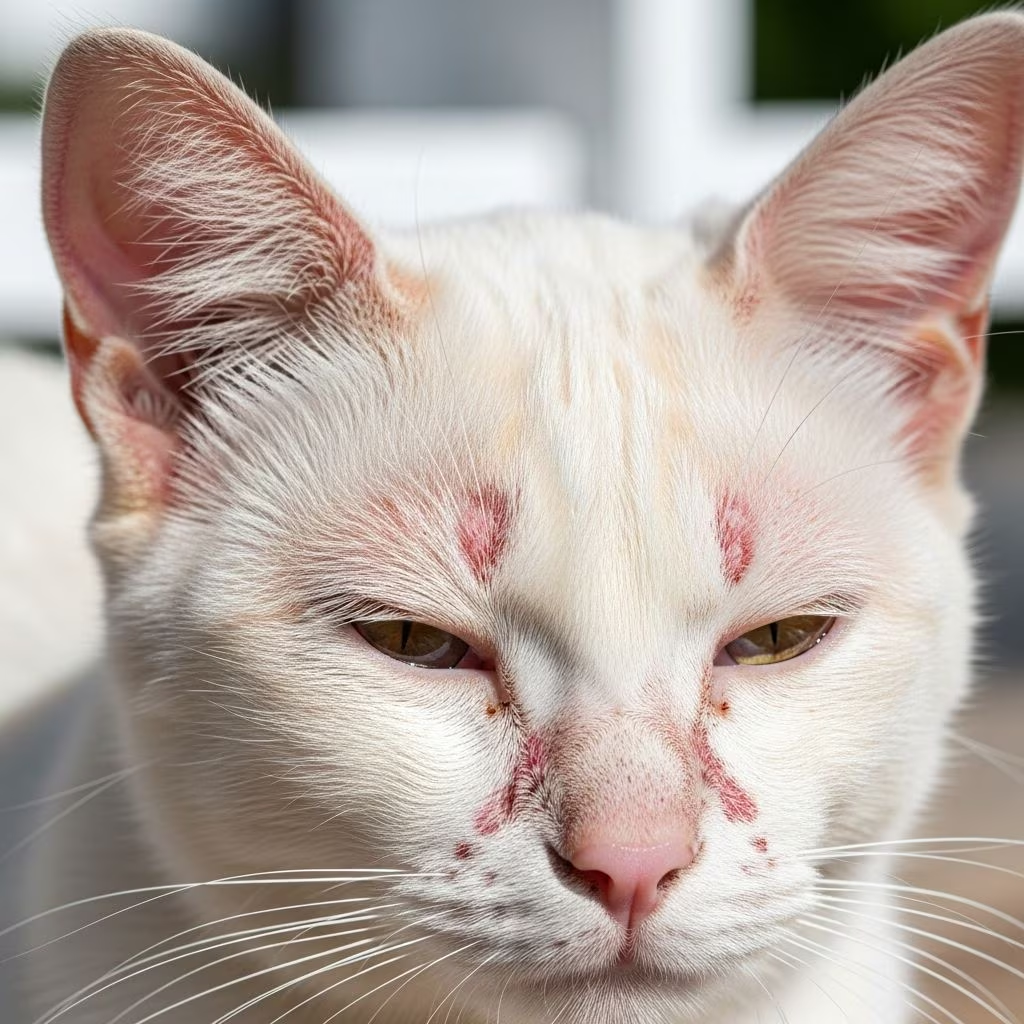
Solar dermatitis, also known as actinic or photodermatitis, is a prevalent skin condition in cats triggered by prolonged ultraviolet (UV) radiation exposure. It primarily impacts lightly pigmented or sparsely haired areas, such as ear tips, nose, eyelids, and belly, leading to inflammation that can escalate to serious complications if unmanaged.
Understanding the Nature of Solar Dermatitis
This condition arises when UVB rays penetrate the skin, damaging cells and dilating surface blood vessels, which sparks inflammation and abnormal cell growth. Unlike a simple sunburn, it accumulates over time, affecting both outdoor adventurers and indoor loungers near windows. Cats with white or thin fur are especially vulnerable due to minimal natural shielding from melanin and dense coat.
Initially mistaken for allergies, solar dermatitis manifests without intense itching, distinguishing it from other dermatoses. Early intervention is crucial as untreated cases may evolve into precancerous lesions or malignancies like squamous cell carcinoma (SCC).
Recognizing Early Warning Signs
The onset is subtle: pinkish, scaly patches emerge on sun-exposed zones. Owners might notice redness on ear edges or nose bridges, often with mild hair thinning. As exposure persists, lesions thicken into raised, crusted plaques, potentially ulcerating or bleeding from head shaking or scratching.
- Initial phase: Red, flaky skin without pruritus.
- Progressive stage: Firm, wrinkled elevations, erosions, and secondary crusting.
- Advanced indicators: Hair loss, oozing sores, and bacterial overgrowth signs like foul odor.
These changes typically appear during peak sun seasons but can develop year-round in sunny climates.
Risk Factors and Vulnerable Cats
Not all cats face equal threats. Key predispositions include:
| Risk Factor | Description | Prevalence Impact |
|---|---|---|
| Light-colored fur/skin | White or pale ears, nose lack protective pigment | High – most cases reported |
| Sparse hair areas | Ear tips, eyelids, shaved spots | High – direct UV access |
| Outdoor lifestyle | Frequent midday sunbathing | Moderate to high |
| Indoor sun seekers | Window perches allowing UVA/UVB penetration | Moderate – glass filters UVA minimally |
| Geographic location | High-UV regions like Australia, tropics | High – intensified exposure |
Short-haired or bald breeds, seniors with thinning fur, and those recovering from grooming injuries heighten susceptibility.
Diagnostic Approaches for Confirmation
Veterinarians start with a thorough history and physical exam, noting lesion locations and sun habits. To differentiate from mites, allergies, or infections, they may perform:
- Skin scrapes or cytology for parasites/bacteria.
- Biopsy for histopathology confirming UV damage or dysplasia.
- UV fluorescence tests in some cases.
Early diagnosis via biopsy prevents missteps, as SCC mimics demand precise identification.
Treatment Strategies: From Mild to Severe
Management hinges on stage and complications. Core principles: halt UV insult, soothe inflammation, combat infections, and excise threats.
Conservative Interventions
For nascent cases, restrict sunlight and apply vet-prescribed topicals:
- Steroids: Creams reduce swelling and redness within days.
- Vitamin A/retinoids: Promote healthy cell turnover.
- Antibiotics: Oral or topical for secondary invaders.
Healing spans weeks, demanding patience as damaged cells regenerate.
Advanced Therapies
Persistent or precancerous plaques warrant:
- Chemotherapy creams: 5-FU or imiquimod induce targeted cell death, though irritating.
- Cryotherapy/laser: Freezes or ablates lesions minimally invasively.
- Surgery: Pinnectomy for ear SCC or wide excision elsewhere; radiation follows if needed.
Prognosis excels early (near 100% resolution) but drops if metastasis occurs.
Prevention: Proactive Sun Safety
Foremost defense: Minimize UV contact.
- Confine indoors 10am-4pm, prime burn hours.
- Block window access with UV films or curtains.
- Employ feline-safe sunscreens (e.g., vet-formulated like Filtabac); reapply post-grooming, avoiding human types toxic via ingestion.
- Dress in UV-protective vests/hats for outings.
- Provide shaded retreats and cooling beds to deter basking.
Annual vet skin checks for at-risk cats catch subclinical changes.
Potential Complications and Long-Term Outlook
Neglect invites SCC or hemangiosarcoma, aggressive cancers with guarded prognoses post-spread. Post-treatment vigilance curbs recurrence, as prior damage lingers 6-12 months. Holistic monitoring ensures quality life.
Frequently Asked Questions (FAQs)
Can indoor cats get solar dermatitis?
Yes, window UV penetration risks sun-lovers, especially whites.
Is cat sunscreen safe?
Only vet-approved; human variants often toxic if licked.
How quickly does it progress to cancer?
Months to years untreated; early limits vital.
What breeds are most prone?
Whites like Siamese, Sphynx; any light-eared.
Does surgery cure it fully?
Often for localized SCC; metastasis alters outlook.
Owner Tips for Daily Management
Integrate routines:
- Monitor pink spots weekly.
- Log sun patterns via apps.
- Pair diet with skin-supportive omegas.
- Join breed forums for shared strategies.
Empowerment through knowledge averts crises.
References
- Solar Dermatitis in Cats – Causes, Treatment and … – Vetster — Vetster. 2023. https://vetster.com/en/conditions/cat/solar-dermatitis-in-cats
- Solar Dermatitis in Cats and How to Prevent Cat Sunburn | Bond Vet — Bond Vet. 2023. https://bondvet.com/blog/solar-dermatitis-in-cats-and-how-to-prevent-cat-sunburn
- Solar Dermatitis, Actinic Keratoses and SCC – SASH Vets — SASH Vets. 2023. https://sashvets.com/vet-resources/solar-dermatitis-actinic-keratoses-and-scc-by-dr-linda-vogelnest/
- Solar Dermatitis and Squamous Cell Carcinoma in Cats – The Vets — The Vets. 2023. https://www.thevets.net.nz/pet-health/cats/solar-dermatitis-and-squamous-cell-carcinoma-in-ca
- Disorders of the Outer Ear in Cats – Merck Veterinary Manual — Merck & Co., Inc. 2024-02-01. https://www.merckvetmanual.com/cat-owners/ear-disorders-of-cats/disorders-of-the-outer-ear-in-cats
- Solar Dermatitis in Cats | VCA Animal Hospitals — VCA. 2023. https://vcahospitals.com/know-your-pet/solar-dermatitis-in-cats



