

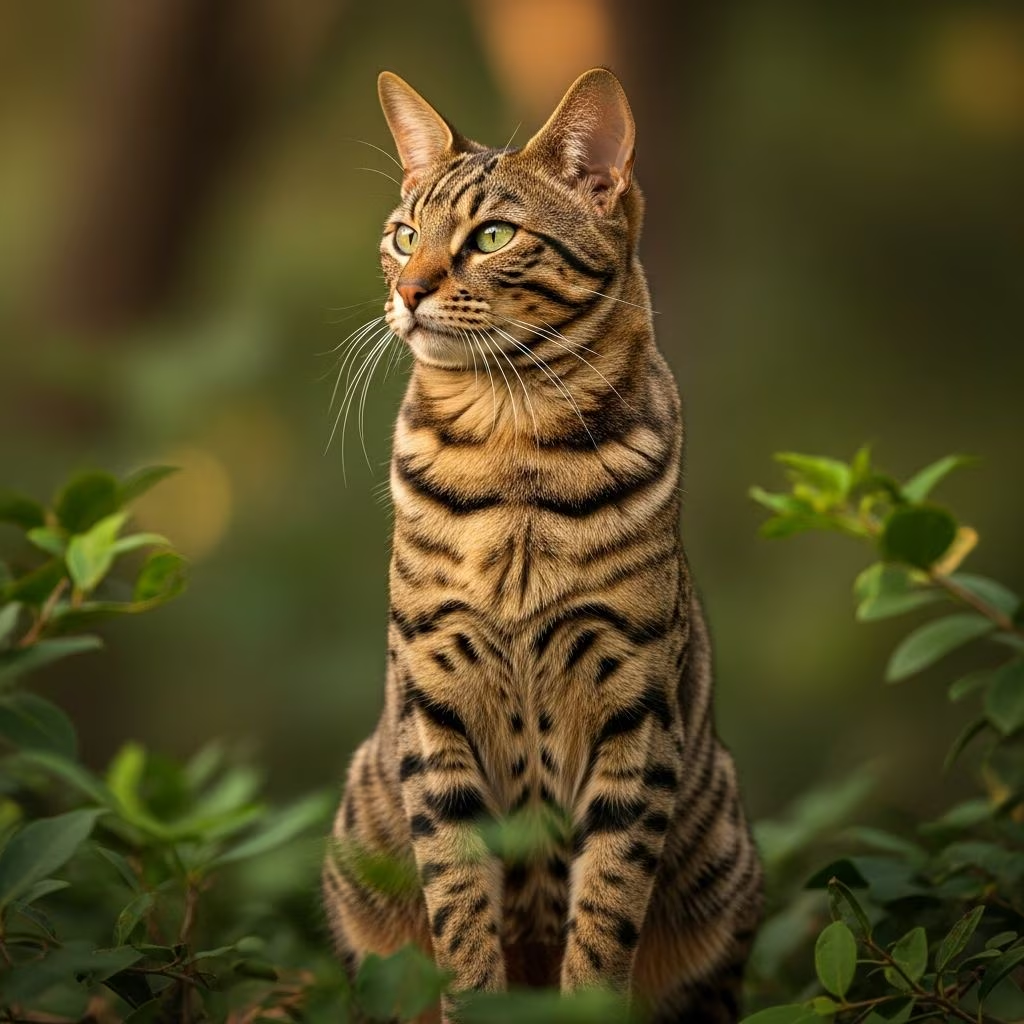
The Sokoke cat stands out as one of the rarest and most distinctive domestic breeds, originating from the wild forests of coastal Kenya. This natural breed, developed without artificial crossbreeding, boasts a unique coat pattern resembling wood grain or marbled tabby, paired with a slender, athletic physique that echoes its feral ancestry.
Origins in the Kenyan Wilds
The Sokoke’s story begins in the Arabuko-Sokoke National Forest, a biodiversity hotspot in eastern Kenya where feral cats known locally as khadzonzo roamed freely. These cats, prized by the Giriama tribe for their hunting prowess, adapted to the dense forest environment over generations, evolving traits like long legs for agility and a camouflaged coat for stealth. In the 1970s, British-Kenyan resident Jeni Slater discovered a litter of these kittens on her coconut plantation near Watamu. Intrigued by their brindle-like markings and tame nature, she began selectively breeding them, marking the shift from wild landrace to recognized breed.
By 1983, Slater exported pairs to Denmark, where breeder Gloria Moeldrop continued the program, showcasing the cats in Copenhagen the following year. This ‘old line’ foundation stock formed the basis for standardization, with additional imports from Kenya bolstering genetic diversity. A ‘new line’ emerged from cats trapped near forest edges by breeders like Jeannie Knocker, introducing subtle variations while preserving core traits. Today, the breed is standardized by organizations like FIFe (since 1994), TICA, and GCCF, though populations remain critically low outside controlled programs.
Distinctive Physical Traits
Sokoke cats embody elegance and athleticism, with a medium-sized frame that’s lean and muscular rather than bulky. Adults typically weigh 5-10 pounds and stand 7-8 inches tall at the shoulder, with males slightly larger than females. Their bodies feature a long, tapering tail—often described as whip-like—for balance during high-speed chases, and notably long legs that give them a gazelle-like stride.
The head is a narrow wedge shape with large, almond-shaped eyes in shades of green, gold, or amber, flanked by oversized ears set high on the skull. This facial structure contrasts with stockier African domestic cats, hinting at possible ancient domestic influences.
| Feature | Description |
|---|---|
| Body Type | Slender, long-legged, athletic |
| Coat | Short, coarse, ticked tabby |
| Eyes | Almond-shaped, greenish-amber |
| Tail | Long, tapered, elegant |
| Size | 5-10 lbs, 7-8 inches tall |
The Signature Coat Pattern
What truly sets the Sokoke apart is its coat: a short, dense, coarse fur with a modified blotched tabby pattern unique to the breed. Bands of color ticking each hair create a marbled or ‘wood grain’ effect, primarily in brown tones with darker ghost barring. This camouflage served forest dwellers well, blending seamlessly with tree bark and leaf litter.
Traditional ‘old line’ Sokokes display large, irregular spots or chained marbling, while ‘new line’ variants may show chaotic whorls or clouded effects. Rare colorations include blue (dilute) or lynx points from selective outcrosses. Long-haired individuals are virtually nonexistent, and the coat requires minimal grooming—just a weekly brush to remove loose fur.
Temperament and Behavior
Sokokes are bundles of energy and curiosity, often likened to dogs in their loyalty and trainability. Highly intelligent, they thrive on interactive play, learning tricks like fetch or leash-walking with ease. Their affectionate nature shines in small family settings, where they form deep bonds, following owners room-to-room and offering gentle head-butts.
- Playful and Athletic: Love climbing, leaping, and hunting toys, needing ample vertical space.
- Social yet Independent: Friendly with strangers but not clingy; good with respectful children and dogs.
- Vocal and Communicative: Use chirps and trills rather than loud meows.
- Hunting Instincts: Excellent mousers, suited for rural homes.
Despite their wild looks, Sokokes adapt well to apartments if exercised daily, but boredom leads to mischief like shredding furniture.
Care and Grooming Essentials
Caring for a Sokoke is straightforward due to their hardy constitution. Feed high-protein diets mimicking their prey-based ancestry—wet food supplemented with quality kibble. Portion control prevents obesity in less active pets; aim for 200-300 calories daily based on age and activity.
Grooming involves a soft brush weekly and monthly baths if needed. Dental care is crucial; provide chew toys and brush teeth bi-weekly to combat plaque. Long claws require trimming every 2-3 weeks, and ear checks prevent wax buildup.
Exercise Recommendations
Daily sessions of 20-30 minutes with wand toys, laser pointers, or puzzle feeders keep them sharp. Cat trees and window perches satisfy climbing urges.
Health Considerations
As a natural breed, Sokokes enjoy robust health, with lifespans of 15-20 years. Common concerns include:
- Hypertrophic Cardiomyopathy (HCM): Screen breeding cats via echocardiograms.
- Progressive Retinal Atrophy (PRA): Genetic testing available.
- Dental Issues: Monitor for gingivitis.
Veterinary oversight, vaccinations, and parasite prevention ensure longevity. Their rarity necessitates breeders who prioritize health testing.
Bringing a Sokoke Home
Acquiring a Sokoke demands patience; litters are small (2-4 kittens), and ethical breeders maintain waitlists. Expect prices of $1,500-$3,000 from reputable sources registered with TICA or FIFe. Verify pedigrees, health clearances, and socialization.
Adopt from rescues if available, though most are breeder-exclusive due to scarcity. Prepare with scratching posts, interactive toys, and a secure outdoor enclosure for supervised adventures.
Fun Facts About Sokokes
- The Giriama called them ‘khadzonzo,’ meaning ‘like wood’ for their camouflaged coats.
- They may represent an ancient tabby pattern origin in domestic cats.
- Sokokes excel in agility competitions, rivaling Bengal or Abyssinian breeds.
- Female Sokokes often mature faster, reaching full size by 18 months.
Frequently Asked Questions (FAQs)
Are Sokoke cats hypoallergenic?
No, but their short coat sheds minimally compared to longhaired breeds.
Can Sokokes live with other pets?
Yes, with proper introductions; their high prey drive suits dog-friendly cats over small rodents.
How vocal are Sokoke cats?
Moderately; they prefer soft chirps and purrs over yowling.
Do Sokokes need much grooming?
Low-maintenance: weekly brushing suffices.
Are Sokokes good lap cats?
Affectionate but active; they enjoy laps after play sessions.
Why Choose a Sokoke?
For enthusiasts seeking a wild-at-heart companion without ferocity, the Sokoke delivers exotic allure, unwavering loyalty, and effortless care. Their preservation story underscores commitment to biodiversity in pet breeding, making ownership a privilege.
References
- Sokoke – Wikipedia — Wikipedia. 2024-01-15. https://en.wikipedia.org/wiki/Sokoke
- All about Sokoke breed – Animalia — Animalia.bio. 2023-11-20. https://animalia.bio/pets/sokoke
- Sokoke Cat Breed – AmarPet — AmarPet. 2024-02-07. https://amarpet.com/blogs/sokoke-cat-breed
- Sokoke – Cat Breeds – Omlet — Omlet. 2023-05-10. https://www.omlet.us/breeds/cats/sokoke/
- Sokoke – Fédération Internationale Féline — FIFe. 2024-01-01. https://fifeweb.org/cats/breeds/sokoke/
- Sokoke Cat, Choosing a Cat Breed that Suits You | PetcareRx.com — PetCareRx. 2023-08-15. https://www.petcarerx.com/breed-guide/meet-the-sokoke-cat-a-feline-work-of-art/74
- Sokoke Cat Breed: Size, Appearance & Personality – Cats.com — Cats.com. 2024-03-12. https://cats.com/cat-breeds/sokoke



