

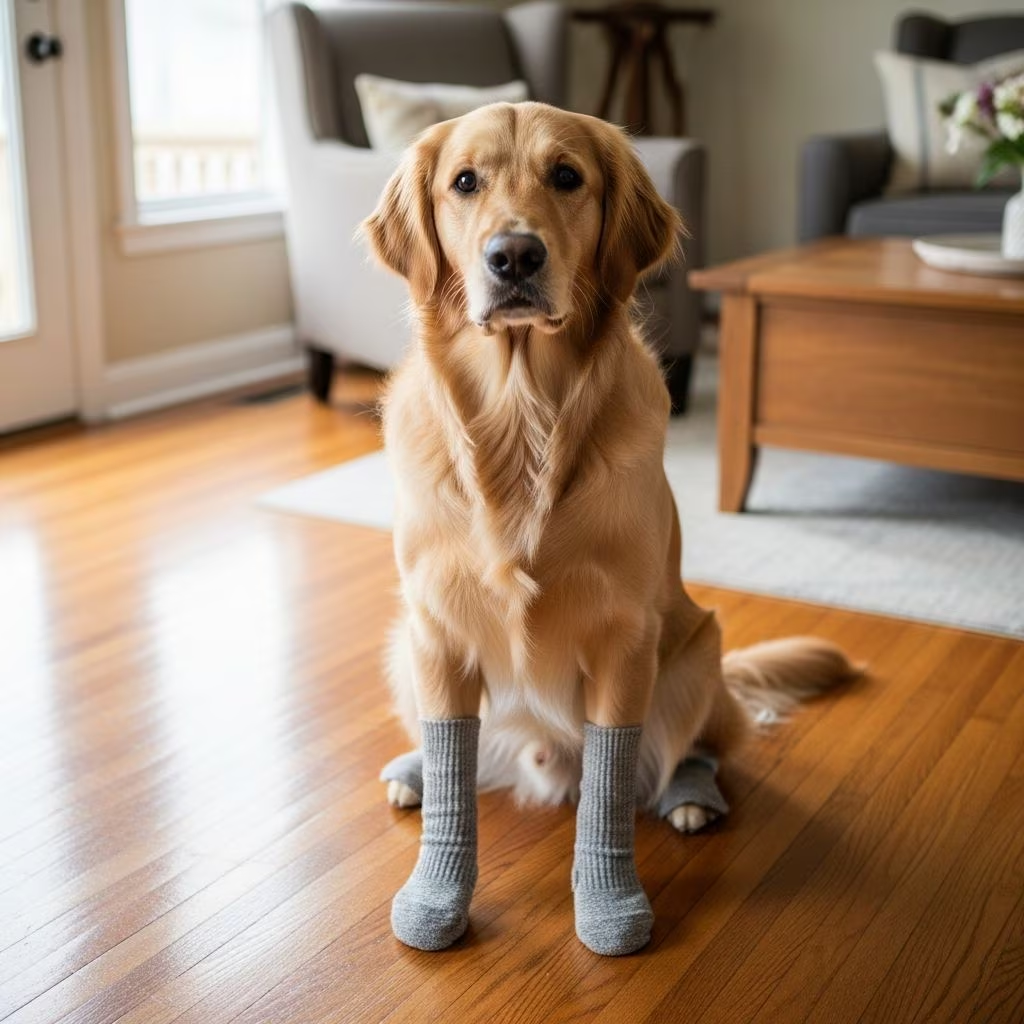
Putting socks on a dog’s paws might seem like a quick fix for excessive scratching, but it offers limited benefits and potential hazards. Safer options like Elizabethan collars, topical treatments, and addressing root causes provide more reliable relief for itchy skin.
Understanding Why Dogs Scratch Excessively
Dogs scratch for various reasons, often signaling underlying health issues rather than mere boredom. Common triggers include allergies to food, pollen, or dust mites, which irritate the skin and prompt constant pawing or biting. Parasites like fleas cause intense itching even if not visible, as their bites trigger allergic reactions in sensitive dogs. Environmental factors, such as dry air or chemical cleaners, exacerbate skin dryness, leading to compulsive scratching that damages fur and exposes skin to infections.
Compulsive behaviors may stem from anxiety or stress, where dogs scratch doors, furniture, or themselves as a self-soothing mechanism. Medical conditions like infections or hormonal imbalances, such as hypothyroidism, can also manifest as relentless itching without fleas. Identifying the cause through observation—such as checking for redness, hair loss, or hotspots—is crucial before applying any remedy.
Can Socks Actually Prevent Scratching?
Socks on a dog’s paws aim to create a barrier, limiting direct contact between claws and itchy areas, particularly on legs or belly. In theory, this reduces self-inflicted wounds from vigorous scratching. However, effectiveness is minimal for several reasons. Dogs often remove socks quickly by chewing or rubbing them off, especially active breeds. Ill-fitting socks slip, bunch up, or cause discomfort, potentially worsening irritation.
Moreover, socks do not address the itch itself, allowing underlying inflammation to persist. They block airflow to the skin, trapping moisture and promoting bacterial growth in humid environments. For paw-specific itching, booties might protect during walks, but for body-wide scratching, they fail entirely. Veterinary sources note that while temporary paw protection has niche uses, socks rarely solve scratching problems long-term.
Pros and Cons of Using Socks on Dogs
| Pros | Cons |
|---|---|
| Quick, inexpensive option using household items | Dogs chew or remove them easily |
| Protects furniture from paw marks | Reduces traction, risking slips on floors |
| Short-term barrier for minor paw irritation | Traps heat/moisture, breeding bacteria |
| Reusable and washable | Not suitable for hot weather or active dogs |
While pros appeal for minor cases, cons outweigh them for persistent scratching, emphasizing the need for targeted interventions.
Superior Alternatives to Socks for Scratch Prevention
Instead of socks, prioritize proven methods that target both symptoms and causes. Elizabethan collars, or e-collars, form a physical barrier preventing paws or mouth from reaching itchy spots, ideal post-surgery or for hot spots. Soft recovery cones offer comfort without the bulk of traditional plastic ones.
- Bandages and Dressings: Secure wounds with vet-approved bandages to limit access while allowing healing airflow when changed daily.
- Anti-Lick Sprays: Bitter-tasting deterrents discourage licking and scratching without restricting movement.
- Cold Compresses: Apply briefly to numb areas and reduce inflammation, refreshing every few hours.
Topical ointments with hydrocortisone or oatmeal soothe skin, applied after cleaning. For broader relief, medicated shampoos remove allergens during baths every 1-2 weeks.
Medical and Veterinary Solutions for Itchy Skin
When home remedies fall short, professional care is essential. Vets diagnose via skin scrapes, allergy tests, or bloodwork to pinpoint issues like atopic dermatitis or yeast infections. Prescription apoquel or cytopoint injections rapidly alleviate allergy symptoms, often within hours, without steroids’ side effects.
Flea preventatives like oral nexgard ensure year-round protection, as even one flea can spark cycles of itching. For food allergies, hypoallergenic diets eliminate triggers over 8-12 weeks. Antimicrobial shampoos combat secondary infections from broken skin.
Grooming Routines to Minimize Scratching
Regular grooming removes irritants and promotes skin health. Brush daily with a curry comb to distribute oils and detect issues early. Bathe bi-weekly using oatmeal-based or hypoallergenic shampoos to cleanse without stripping moisture.
- Trim nails every 3-4 weeks to prevent injury from forceful scratching.
- Wipe paws post-walks to remove pollen, chemicals, or grit.
- Use grooming gloves for gentle massages that calm nerves and exfoliate.
Hypoallergenic bedding and frequent vacuuming reduce household allergens like dust mites, cutting exposure significantly.
Dietary Changes and Supplements for Skin Health
Nutrition plays a key role in skin resilience. Switch to omega-3 rich foods like salmon-based kibble, mimicking fish oil supplements that reduce inflammation. Probiotics support gut health, indirectly easing allergy-related itching.
Avoid common allergens in trials: novel proteins like duck or venison for 2 months. Add coconut oil topically or internally for moisturizing effects. Hydration via wet food or fountains prevents dry skin exacerbation.
Environmental Adjustments to Curb Itching
Modify surroundings to limit triggers. Use air purifiers and HEPA filters to trap pollen and dander. Pet-safe wipes clean coats after outdoor time, preventing ingested irritants.
Humidifiers maintain 40-60% humidity, countering dry winter air. Limit grass/chemical exposure with booties on walks and rinse after. Consistent routines—exercise, play, potty breaks—reduce stress-induced scratching.
Training Techniques to Discourage Scratching
Behavioral training redirects habits. Ignore scratching for attention, rewarding calm with treats. Teach “leave it” or “sit” near triggers using positive reinforcement.
Puzzle toys and chews occupy bored dogs, channeling energy positively. For door-scratching, install bells for polite requests. Short sessions build obedience, fostering patience.
When to See a Vet Urgently
Seek immediate care if scratching causes bleeding, hair loss, foul odors, or lethargy—these signal infections or severe allergies. Swollen paws, limping, or open sores warrant same-day visits. Track symptoms: duration, affected areas, diet changes for accurate diagnosis.
FAQs
Are dog socks safe for indoor use?
Short-term yes, but monitor for slippage or chewing; not ideal for all-day wear due to overheating risks.
What if my dog won’t tolerate a cone?
Try inflatable collars, t-shirts for torso coverage, or vet-prescribed sedatives for adjustment.
Can diet alone fix scratching?
Often helps allergies, but combine with flea control and grooming for best results; consult vet first.
How often should I bathe an itchy dog?
Every 7-14 days with medicated shampoo; over-bathing dries skin further.
Do essential oils stop dog itching?
Avoid undiluted; some like lavender soothe, but toxicity risks exist—vet-approved only.
Long-Term Prevention Strategies
Sustain relief through vigilance: monthly flea checks, annual allergy screens, seasonal grooming boosts. Track progress in a journal to spot patterns. Balanced exercise—30-60 minutes daily—burns energy, minimizing stress scratches. Community support via breed forums shares breed-specific tips.
Ultimately, holistic management combining vet care, home care, and lifestyle tweaks yields itch-free dogs. Patience during trials ensures tailored success.
References
- How to Prevent Your Dog from Scratching a Wound — WagWalking. 2023-05-15. https://wagwalking.com/wellness/how-to-prevent-your-dog-from-scratching-a-wound
- 5 Home Remedies for Your Dog’s Itchy Skin — PetMD. 2024-08-20. https://www.petmd.com/dog/general-health/home-remedies-for-dog-itchy-skin
- Best Solutions to Stop Your Dog From Itchy and Scratching — Lange Animal Hospital. 2024-03-10. https://langeanimalhospital.com/best-solutions-to-stop-your-dog-from-itchy-and-scratching/
- Dogs and Compulsive Scratching, Licking, and Chewing — WebMD. 2023-11-05. https://www.webmd.com/pets/dogs/dogs-and-compulsive-scratching-licking-and-chewing
- Help! My Dog Is Itching & Scratching: 8 Steps — Walkerville Vet. 2024-01-22. https://www.walkervillevet.com.au/blog/stop-dog-itching-scratching/



