

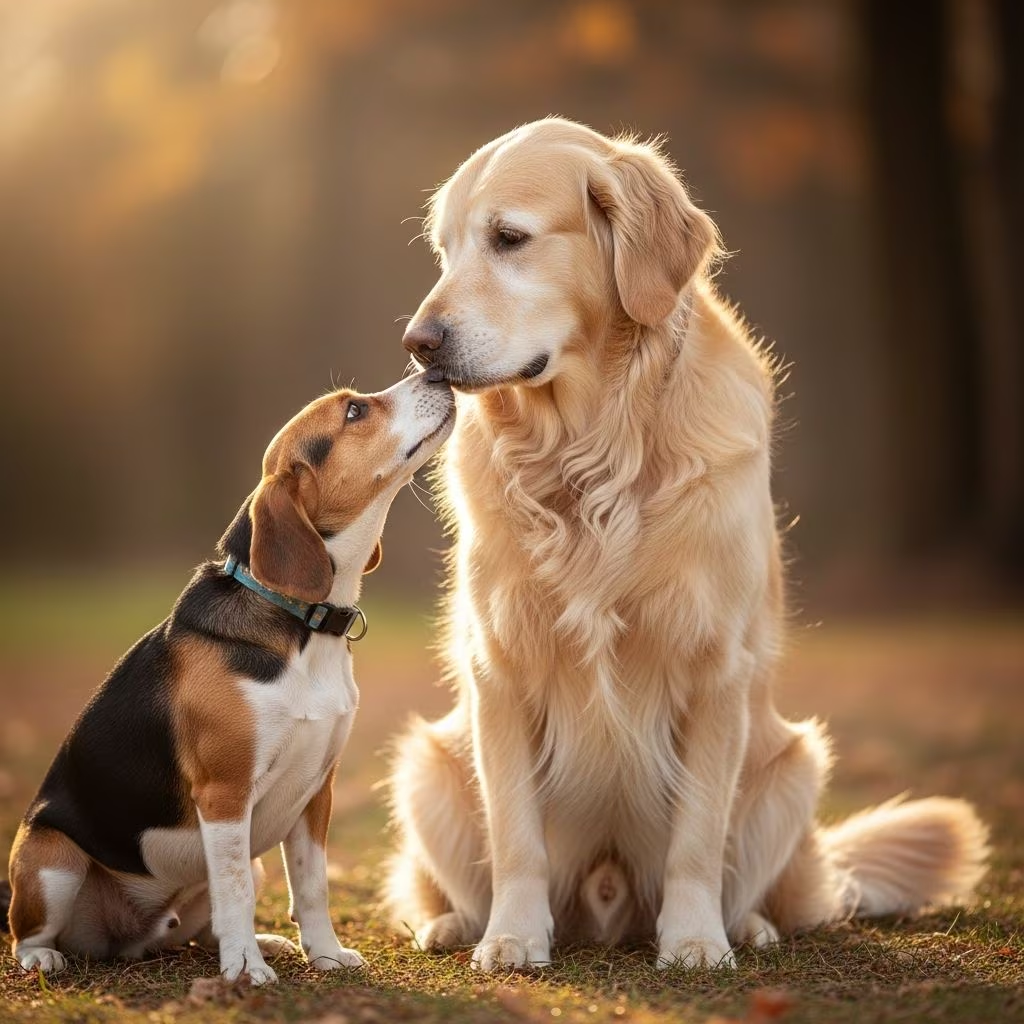
Many dog owners believe socialization is only for puppies, but older dogs can learn to navigate social settings with patience and the right approach. This guide provides a comprehensive roadmap for helping mature dogs gain confidence around people, animals, and new experiences, drawing on expert-recommended methods to ensure positive outcomes.
Understanding Socialization Needs in Mature Dogs
Senior dogs often carry past experiences that shape their reactions to the world. Unlike puppies with a blank slate, adults may show hesitation or fear due to limited exposure or negative encounters. Observing body language—such as tucked tails, ears pinned back, or avoidance—is key to tailoring efforts. Gradual exposure paired with rewards helps rewire these responses, fostering trust and enjoyment in interactions.
Benefits extend beyond behavior: socialized seniors experience less stress, better health from increased activity, and stronger bonds with owners. Veterinary associations emphasize that ongoing socialization supports mental sharpness in aging pets, reducing isolation-related issues.
Assessing Your Dog’s Current Comfort Level
Before diving in, evaluate your dog’s baseline. Note reactions during routine outings: Does your dog freeze near strangers, bark at other pets, or shy from novel sounds? Create a simple log over a week to identify triggers.
- Low confidence: Avoids eye contact, cowers, or hides.
- Moderate: Shows curiosity but with tension, like stiff posture.
- High: Approaches calmly, tail wagging loosely.
This assessment guides your plan, ensuring introductions match their readiness.
Building Foundations with Daily Routines
Incorporate Frequent, Low-Pressure Walks
Daily walks serve as the cornerstone of socialization. Aim for at least 20-30 minutes, exposing your dog to neighborhood stimuli without overwhelming them. Vary routes to include gentle traffic, birds, or distant joggers. If tension arises, pivot calmly—no petting or soothing words, as these can reinforce anxiety. Instead, maintain neutral energy to signal normalcy.
Pro tip: Use high-value treats like soft, meat-based bites to mark calm moments. Over time, walks build resilience to everyday novelties.
Practice Calm Observation from Afar
Position yourself at a distance from stimulating areas, such as across a park fence. Praise and treat for mere acknowledgment of distant dogs or people. This ‘look and reward’ technique desensitizes fears without direct contact, progressing as comfort grows.
Controlled Introductions to People
Start in familiar territory: invite a quiet friend over. Instruct guests to ignore the dog initially—sit still, avoid eye contact. Allow your dog to investigate at their pace, tossing treats from afar if needed. Sessions should last 5-10 minutes, ending on a high note.
| Introduction Stage | Distance | Reward Trigger |
|---|---|---|
| Initial | 10+ feet | Calm glance |
| Intermediate | 5 feet | Relaxed approach |
| Advanced | Touch range | Gentle sniff |
Gradually include varied types: men with hats, women with bags, to broaden associations.
Navigating Dog-to-Dog Meetings
Pair with a known calm adult dog for parallel walks, maintaining 20-50 feet separation. Monitor for stress signals like lip licking or yawning. If positive, allow leashed sniffs post-walk in a neutral yard. Skip dog parks until proficiency is evident; opt for one-on-one first.
For seniors, prioritize quality: short playdates with peers who match energy levels prevent exhaustion.
Enhancing Experiences with Novelty
Introduce Objects and Sounds Gradually
Bring household items like umbrellas or boxes indoors. Place them out, rewarding investigation. Pair with recordings of fireworks or vacuums at low volume, increasing as tolerance builds. Novelty games like ‘find it’ with hidden treats boost exploratory confidence.
Explore Public Spaces Mindfully
Visit pet stores or cafes during off-peak hours. Sit peripherally, treating for composure amid mild bustle. Advance to busier venues only after successes.
Role of Professional Guidance
Enlist a certified trainer using positive reinforcement for personalized plans. They assess nuances, troubleshoot setbacks, and teach owner techniques like impulse control sits before greetings. Group classes offer controlled socialization; choose small, senior-friendly ones. Benefits include faster progress and addressing root issues like latent aggression.
Tools and Aids for Success
- Treats: Soft, pungent options for quick delivery.
- Calming Aids: Pheromone collars or supplements, per vet approval.
- Leashes/Harnesses: Front-clip for better control without tension.
- Enrichment Toys: For post-session decompression.
Consistency amplifies tools: daily practice yields results in weeks.
Age-Specific Adjustments for Seniors
Mature dogs tire faster, so cap sessions at 15 minutes. Focus on mental engagement: watch-the-world benches or hydrotherapy pools for joint-friendly socialization. Maintain ties with familiar canine pals, as enduring friendships provide security.
Common Pitfalls and Fixes
Avoid rushing—multiple stimuli overload senses. Don’t force interactions; retreat signals safety. If regression occurs, scale back and rebuild. Track wins in a journal to stay motivated.
Measuring Progress and Long-Term Maintenance
Track via metrics: reduced barking incidents, voluntary approaches. Monthly reviews adjust plans. Socialization is ongoing; refresh exposures seasonally to sustain gains.
Frequently Asked Questions
Is it too late to socialize a 10-year-old dog?
No—adults learn via counter-conditioning, though slower than puppies. Patience yields confident seniors.
What if my dog growls during introductions?
Increase distance, reinforce calm remotely. Consult a trainer if persistent.
How often should sessions occur?
Daily short exposures outperform infrequent long ones.
Can medication help anxious older dogs?
Vet-prescribed options complement training; never standalone.
What’s the role of daycare for seniors?
Ideal post-basics: small-group, supervised play affirms skills.
References
- How to Socialize Your Older Dog — Chewy. 2023. https://www.chewy.com/education/dog/training-and-behavior/socializing-an-older-dog
- How to Socialize a Dog: Proven Tips for Adult Dogs — Hounds Lounge. 2024. https://www.houndslounge.com/blog/how-to-socialize-an-adult-dog-and-why-its-never-too-late/
- How to Socialize an Adult Dog and Why It’s Never Too Late — PV Pets. 2024. https://www.pvpets.com/blog/how-to-socialize-an-adult-dog-and-why-its-never-too-late.html
- 5 Easy Tips to Socialize Your Older Dog Today — Holmdel Veterinary Clinic. 2023. https://www.holmdelveterinaryclinic.com/5-easy-tips-to-socialize-your-older-dog-today.html
- Dog Socialization & Training Hub — Wagbar. 2025. https://www.wagbar.com/dog-socialization-training-hub-complete-guide-from-puppyhood-to-senior-years



