

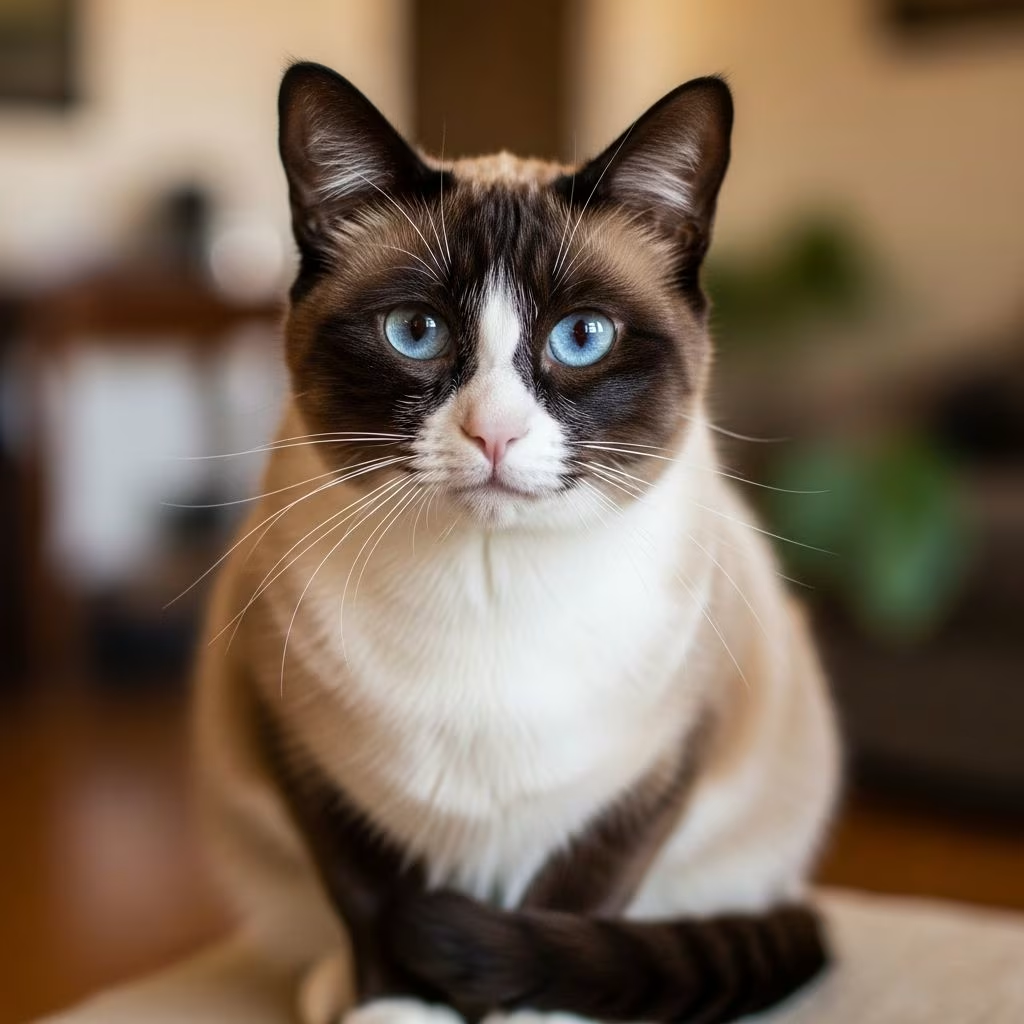
The Snowshoe cat represents a fascinating blend of feline genetics, combining the grace and elegance of Siamese cats with the sturdy build of American Shorthairs. This medium-sized breed emerged as a distinctive feline variety when a Siamese breeder’s cat unexpectedly gave birth to kittens with distinctive white markings on their paws. Over the decades, breeders have refined this breed into the striking, intelligent companion known today. The Snowshoe has gained recognition from major cat associations worldwide and continues to captivate cat enthusiasts with its unique appearance and engaging personality.
Visual Identity and Physical Characteristics
One of the most immediately recognizable features of a Snowshoe cat is its distinctive coat pattern. Snowshoe kittens are born completely white, and their signature markings develop gradually over their first few weeks and months of life. The colorpoint pattern—darker coloring on the ears, face, tail, and legs—emerges slowly, with full coloration typically established within the first few years. No two individual cats display identical markings, making each Snowshoe genuinely unique in appearance.
The breed’s name derives directly from its most characteristic feature: pristine white markings on the paws that resemble snow boots. To meet breed standards, Snowshoe cats must display specific white markings:
- An inverted white “V” marking between the eyes
- Two white mittens or gloves on the front paws
- White boots extending up the back legs
- Often a white chin or bib marking
The pointed coloring comes in multiple variations, including seal, blue, chocolate, and lilac points. Some Snowshoes display additional patterns such as tabby stripes, tortoiseshell, or bicolor combinations, adding further visual interest to this already striking breed.
Head and Facial Structure
Snowshoe cats possess a more rounded and fuller face compared to their Siamese ancestors. The head shape typically appears triangular, though some individuals may have a rounder “applehead” appearance with a more traditional cat-like profile. The ears are medium to medium-large in size with slightly rounded tips rather than the extremely pointed ears of pure Siamese cats. This softer facial structure contributes to the breed’s distinctive charm and distinguishes it from the sharper features of its ancestry.
Eye Coloration and Expression
The eyes represent another striking signature of the breed. All Snowshoe cats possess blue eyes, ranging from pale sky blue to deep azure shades. The eye color remains brilliant and unwavering throughout the cat’s life, contributing significantly to their expressive and engaging appearance. According to breed standards, the eyes should be walnut-shaped, slightly rounder than those of their Siamese forebears. This combination of blue eyes with the pointed coat pattern and white markings creates an unmistakably elegant appearance that sets Snowshoes apart from other shorthaired felines.
Physical Build and Athletic Composition
Unlike the delicate appearance of Siamese cats, Snowshoes display a more substantial and muscular physique. These cats typically weigh between 7 to 14 pounds, with males generally heavier than females. They measure approximately 8 to 13 inches at the shoulder. Males tend to be noticeably sturdier and more robust than their female counterparts, though both sexes maintain well-developed musculature.
The overall body structure reveals an athletic build that appears capable and powerful rather than delicate or elongated. The cats possess deceptively powerful frames that suggest they are built for movement and activity rather than sedentary lounging. Their medium-large body size combined with their solid musculature makes them substantial presence in any household without being overly large or cumbersome.
Personality Traits and Behavioral Characteristics
Snowshoe cats inherit much of their temperament from their Siamese ancestry, which means they are vocal, social, and highly interactive felines. These cats actively seek human companionship and will make their desires known through consistent vocalization. Their voices tend to be soft and melodic rather than loud and harsh, adding to their charm when communicating with family members.
Social Nature and Family Compatibility
The breed demonstrates exceptional sociability with humans of all ages. Snowshoes are generally affectionate, sweet-tempered, and mellow, making them excellent choices for families with children. They actively pursue human interaction and attention, often inserting themselves into household activities or jumping onto laps when you least expect it. These cats show remarkable devotion and love toward their owners, though some individuals may become strongly bonded to a single family member above others.
Snowshoes adapt well to multi-pet households, displaying compatibility with other cat breeds, dogs, and household animals. Their social and docile nature makes them less aggressive toward other pets compared to more territorial feline breeds. However, it is important to recognize that Snowshoes dislike prolonged solitude and may develop separation anxiety if left alone for extended periods. When possible, providing another cat companion can significantly improve their well-being during working hours.
Playfulness and Intelligence
The breed’s intelligence combined with its playful nature creates an engaging and entertaining companion. Snowshoes love interactive play and quickly learn to play fetch, sometimes even teaching their owners how to participate correctly. They are attracted to fishing rod toys and appreciate climbing structures, particularly those featuring tunnels or hammocks. These cats require mental and physical stimulation to prevent boredom and behavioral issues.
The breed demonstrates remarkable adaptability to various living situations and shows considerable confidence in unfamiliar circumstances. At cat shows, Snowshoes display extroverted personalities, readily accepting attention and thriving in the spotlight. This “bombproof” temperament—a term used by breed enthusiasts to describe their unflappable nature—means that little seems to genuinely distress these cats.
Coat Characteristics and Grooming Requirements
Unlike their Siamese ancestors, Snowshoe cats possess short to medium-length coats that are bright and smooth. The coat should lack a noticeable undercoat, and cats displaying plush or double coats are considered faulty by breed standards. The breed sheds minimally and requires low maintenance grooming, making them suitable for individuals seeking a less demanding feline companion regarding coat care.
The breed’s coat undergoes seasonal changes, with some variation in shedding levels throughout the year. Regular brushing during shedding seasons helps maintain coat health and removes loose hair before it accumulates on furniture and clothing. Despite their relatively low grooming needs, regular brushing provides an excellent opportunity for bonding with your Snowshoe and monitoring their overall health.
Health Considerations and Lifespan
Snowshoe cats typically enjoy lifespans of 14 to 19 years, providing long-term companionship for committed owners. Like all cat breeds, Snowshoes may be predisposed to certain health conditions inherited from their Siamese ancestry. These may include kidney disease and eye conditions, making regular veterinary checkups essential for early detection and management.
It is important to note that while their short coat and low shedding may suggest hypoallergenic properties, Snowshoe cats are not technically hypoallergenic. Individuals with cat allergies may still experience allergic reactions to Snowshoes, as allergies are typically triggered by proteins in cat saliva and skin rather than primarily by coat length or shedding volume.
Breeding Challenges and Genetics
Developing Snowshoe cats with correct markings presents breeders with substantial challenges. The genes controlling white markings are difficult to regulate, resulting in many cats displaying boots that extend too far up the legs, do not reach sufficiently high, or lack white markings altogether. Consequently, pet-quality Snowshoes frequently have excessive white, insufficient white, or mismarked white features that would disqualify them from show competition.
Achieving the proper body type further complicates breeding efforts. Breeders must simultaneously maintain the correct head shape and ear set while preserving the American Shorthair body structure and the length characteristic of Siamese cats. This genetic balancing act requires careful selection and ongoing refinement to produce cats meeting established breed standards.
Is a Snowshoe Cat Right for Your Family?
| Factor | Suitability | Notes |
|---|---|---|
| Families with Children | Excellent | Patient, playful, and tolerant of interaction |
| Multi-Pet Households | Excellent | Compatible with other cats and dogs |
| Single Owners | Good | May require another pet to prevent separation anxiety |
| Active Families | Excellent | Thrive with interactive play and mental stimulation |
| First-Time Pet Owners | Good | Affectionate and manageable, though need attention |
| Allergy Sufferers | Poor | Not hypoallergenic; may trigger allergic reactions |
Advantages and Disadvantages
Strengths of the Breed
- Exceptionally playful and engaging personality
- Highly affectionate and devoted to family members
- Low-maintenance coat requiring minimal grooming
- Excellent compatibility with children and other pets
- Striking and unique aesthetic appearance
- Long lifespan providing years of companionship
Considerations Before Ownership
- Vocal nature requires acceptance of frequent “conversation”
- Predisposed to certain health issues requiring veterinary monitoring
- Cannot tolerate extended periods of solitude without anxiety
- Require substantial mental and physical enrichment
- Not suitable for individuals with cat allergies
- Breeding challenges result in inconsistent markings in pet-quality animals
Frequently Asked Questions
What colors do Snowshoe cats come in?
Snowshoe cats are produced in all Siamese color variations, including seal, blue, chocolate, and lilac points. They may also display tabby, tortoiseshell, or bicolor pattern combinations. The body color ranges from light cream to darker shades that intensify with age.
Do Snowshoe cats get along with other pets?
Yes, Snowshoes are highly social and generally compatible with other cats, dogs, and household pets. Their docile and friendly temperament makes them excellent choices for multi-pet environments.
How much space do Snowshoe cats need?
These active, playful cats benefit from adequate vertical space including climbing structures, cat condos, and elevated perches where they love to observe their environment from high vantage points.
Are Snowshoe cats good for first-time owners?
Yes, Snowshoes are suitable for first-time pet owners due to their affectionate nature and manageable care requirements. However, potential owners should understand their need for attention and interactive play.
Why are my Snowshoe kitten’s markings changing?
This is completely normal. Snowshoe kittens are born white, and their pointed coloring and white markings develop gradually over weeks and months. Full coloration typically establishes within the first few years of life.
Conclusion
Snowshoe cats represent a remarkable achievement in feline genetics, combining the best qualities of their Siamese and American Shorthair heritage. Their striking appearance—featuring pristine white markings, brilliant blue eyes, and elegant pointed coloring—immediately captures attention and admiration. Beyond their undeniable beauty, these cats offer devoted companionship, playful engagement, and affectionate interaction that enriches family life. Their compatibility with children, other pets, and various living situations makes them versatile choices for diverse households. While their vocal nature, need for attention, and requirement for mental stimulation demand commitment from owners, the rewards of companionship with a Snowshoe cat far outweigh these considerations. For families seeking an interactive, beautiful, and loving feline companion, the Snowshoe cat truly embodies the ideal balance of aesthetic appeal and engaging personality.
References
- Snowshoe — The Governing Council of the Cat Fancy. 2024. https://www.gccfcats.org/getting-a-cat/choosing/cat-breeds/snowshoe/
- Snowshoe Cat Breed Information & Lifestyle — Rover.com. 2024. https://www.rover.com/blog/snowshoe-cats/
- The Snowshoe Cat Breed — Hill’s Pet Nutrition. 2024. https://www.hillspet.com/cat-care/cat-breeds/snowshoe
- Snowshoe cat — Wikimedia Foundation. 2024. https://en.wikipedia.org/wiki/Snowshoe_cat
- What is a Snowshoe Cat? Breed Facts and FAQs — ASPCA Pet Insurance. 2024. https://www.aspcapetinsurance.com/resources/snowshoe/
- Snowshoe Cat Breed Health and Care — PetMD. 2024. https://www.petmd.com/cat/breeds/snowshoe-cat



