

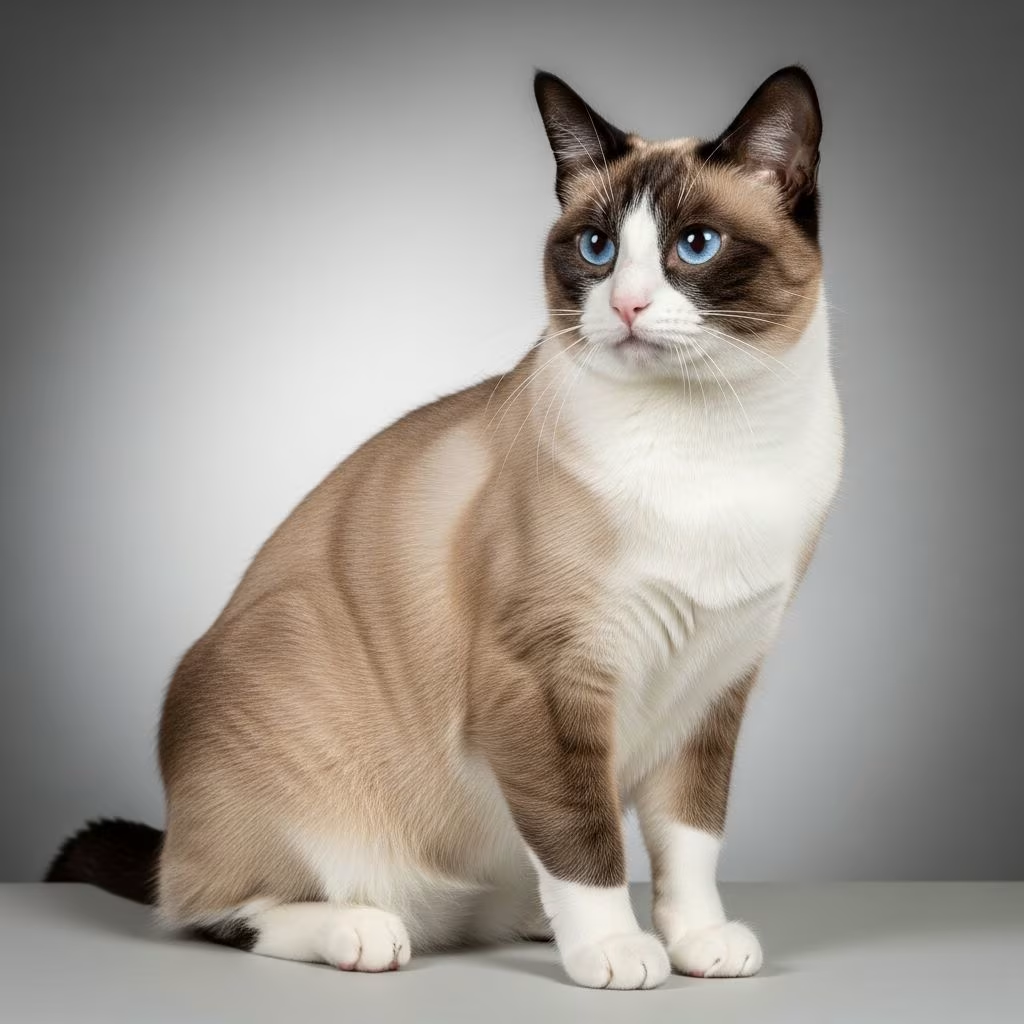
Snowshoe cats, a charming breed blending Siamese elegance with American Shorthair sturdiness, are medium-sized felines typically weighing 7–12 pounds and standing 7–13 inches tall at the shoulder. Females tend to be smaller, often at the lower end of these ranges, while males reach the upper limits, giving the breed a balanced, athletic build ideal for active households.
This detailed guide provides a vet-approved growth chart, factors influencing size, measurement tips, and nutrition advice to help Snowshoe owners track healthy development and prevent obesity, a common issue in U.S. cats. Understanding your Snowshoe’s growth trajectory ensures they thrive into their 14–19-year lifespan.
Snowshoe Cat Size and Growth Chart
Snowshoe kittens grow rapidly in the first year, reaching near-adult height and length by 12 months, though weight gain continues up to 24 months due to their sturdy frame. The following chart approximates average growth based on breed standards from TICA and veterinary observations; individual cats may vary slightly.
| Age | Weight Range (lbs) | Length Range (inches) | Height Range (inches) |
|---|---|---|---|
| 3 Months | 3–5 | 8–10 | 6–8 |
| 6 Months | 4–6 | 10–13 | 6–8 |
| 9 Months | 5–7 | 10–14 | 7–10 |
| 12 Months | 6–9 | 12–15 | 7–11 |
| 14 Months | 7–10 | 14–16 | 8–12 |
| 18 Months | 8–12 | 16–18 | 8–13 |
| 24 Months (Adult) | 8–14 | 16–18 | 8–13 |
Note: Females average 7–10 lbs (3–5.5 kg) and 7–11 inches tall; males 9–14 lbs (4–6.5 kg) and up to 13 inches. Length measures nose-to-tail base; height at shoulder.
Snowshoe Cat Measurements
Adult Snowshoes have a semi-foreign body type: muscular yet elegant, with a wedge-shaped head, large blue eyes, and points on ears, face, legs, and tail in Siamese colors like seal, chocolate, or blue. Their short cream-to-white coat with tuxedo markings (white paws, bib) accentuates a hefty feel despite medium stature—males often seem heavier when lifted.
- Weight: 7–12 lbs average (up to 14 lbs for large males)
- Height: 7–13 inches (females smaller)
- Length: 16–18 inches (body + tail base)
- Build: Stocky, muscular from Shorthair ancestry
When Does a Snowshoe Cat Stop Growing?
Snowshoe cats typically reach full height and length by 12 months but continue gaining weight until 24 months, filling out their muscular frame. By age 1, expect 80–90% of adult size; stabilization occurs when monthly weigh-ins show no increase.
Signs of maturity include weight plateau, body shape refinement, and reduced kitten-like energy. Spaying/neutering around 4–6 months may slightly slow growth by altering hormones, but proper nutrition ensures full potential. Track progress monthly—consistent vet checkups catch issues early.
Unlike smaller breeds, Snowshoes’ thick build allows post-1-year weight gain without height change. Full maturity at 2–3 years aligns with their 14–19-year lifespan.
Factors Affecting the Size of Snowshoe Cat
Several key elements determine a Snowshoe’s final size, with genetics as the foundation. Responsible breeders select for balanced Siamese-Shorthair traits, producing kittens mirroring parents’ builds.
- Genetics: Inherited from Siamese (slender) and American Shorthair (stocky) parents; TICA standards emphasize medium heft.
- Parents’ Size: Larger dams/sires yield bigger kittens—ask breeders for pedigree weights.
- Diet & Nutrition: High-protein kitten food supports growth; deficiencies stunt size.
- Neutering Age: Early procedures (pre-6 months) may reduce ultimate size by 10–20% via hormone changes.
- Health & Activity: Parasites, illness, or inactivity hinder growth; indoor Snowshoes need play to build muscle.
Environmental factors like stress or poor husbandry also play roles, but genetics dominate 60–70% of variance per veterinary studies.
Ideal Diet for Maintaining a Healthy Weight
Snowshoes require tailored calories based on age, activity, and neuter status—typically 200–300 kcal/day for adults, more for kittens. Obesity affects 60% of U.S. cats; maintain ideal body condition score (BCS 4–5/9) via vet guidance.
- Kittens (to 12 months): High-protein (40%+), calorie-dense food fed 3–4x daily; transition gradually at 12 months.
- Adults: 30–40% protein, low-carb formula; measure portions to prevent free-feeding.
- Seniors (10+ years): Joint-supportive with glucosamine; reduce calories 10–20% for metabolism slowdown.
Avoid table scraps (10% max calories) and limit treats. Use puzzle feeders for mental stimulation. Automatic feeders schedule meals for overeaters. Underweight cats need vet-prescribed gains; overweight ones gradual reduction (1–2% body weight/week). Wet food aids hydration and satiety. Consult vets for brands like those meeting AAFCO standards.
How to Weigh Your Snowshoe Cat
Regular weighing detects growth stalls or excess gain early. Use a digital gram scale for precision; aim for monthly checks until 2 years old.
- Baby Scale Method: Place cat in empty litter box or carrier, tare to zero, add cat—most accurate.
- Box Trick: Weigh empty cardboard box, add cat, subtract box weight. Cats relax in boxes.
- Human Scale Hack: Weigh yourself, then with cat; subtract. Less precise but accessible.
- Vet Scale: Professional during annuals for baseline.
Weigh at consistent times (post-meal, same scale). Track in a journal or app. Sudden changes (>10% monthly) warrant vet visits for thyroid, diabetes, or parasites.
Frequently Asked Questions (FAQs)
Q: How big do Snowshoe cats get?
A: Adults weigh 7–12 pounds (males larger) and stand 7–13 inches tall, with females typically smaller.
Q: When do Snowshoe cats stop growing?
A: Full height/length by 12 months; weight stabilizes at 24 months.
Q: How much should a Snowshoe kitten weigh at 6 months?
A: Around 4–6 pounds, varying by sex and genetics.
Q: Are Snowshoe cats prone to obesity?
A: Yes, like many domestics; monitor diet and exercise to stay lean.
Q: What’s the lifespan of a Snowshoe cat?
A: 14–19 years with proper care.
Q: How do I know if my Snowshoe is underweight?
A: Visible ribs, waist pinchable, no fat cover—vet BCS assessment needed.
Snowshoes thrive as affectionate, social companions. Pair growth tracking with love, play, and vet care for a healthy life.
References
- Snowshoe Cat Vet-Approved Weight, Size & Growth Chart — Catster. 2023. https://www.catster.com/cat-health-care/snowshoe-cat-weight-size-growth-chart/
- How Big Do Snowshoe Cats Get? Average Weight & Growth Chart — Hepper. 2023. https://articles.hepper.com/snowshoe-cat-size-weight-growth-chart/
- Snowshoe Breed Standard — The International Cat Association (TICA). 2024. https://tica.org/breed/snowshoe/
- Snowshoe Cat Breed: Size, Appearance & Personality — Cats.com. 2023. https://cats.com/cat-breeds/snowshoe
- Snowshoe: Characteristics, Size, Temperament — Zooplus Magazine. 2023. https://www.zooplus.co.uk/magazine/cat/cat-breeds/snowshoe



