

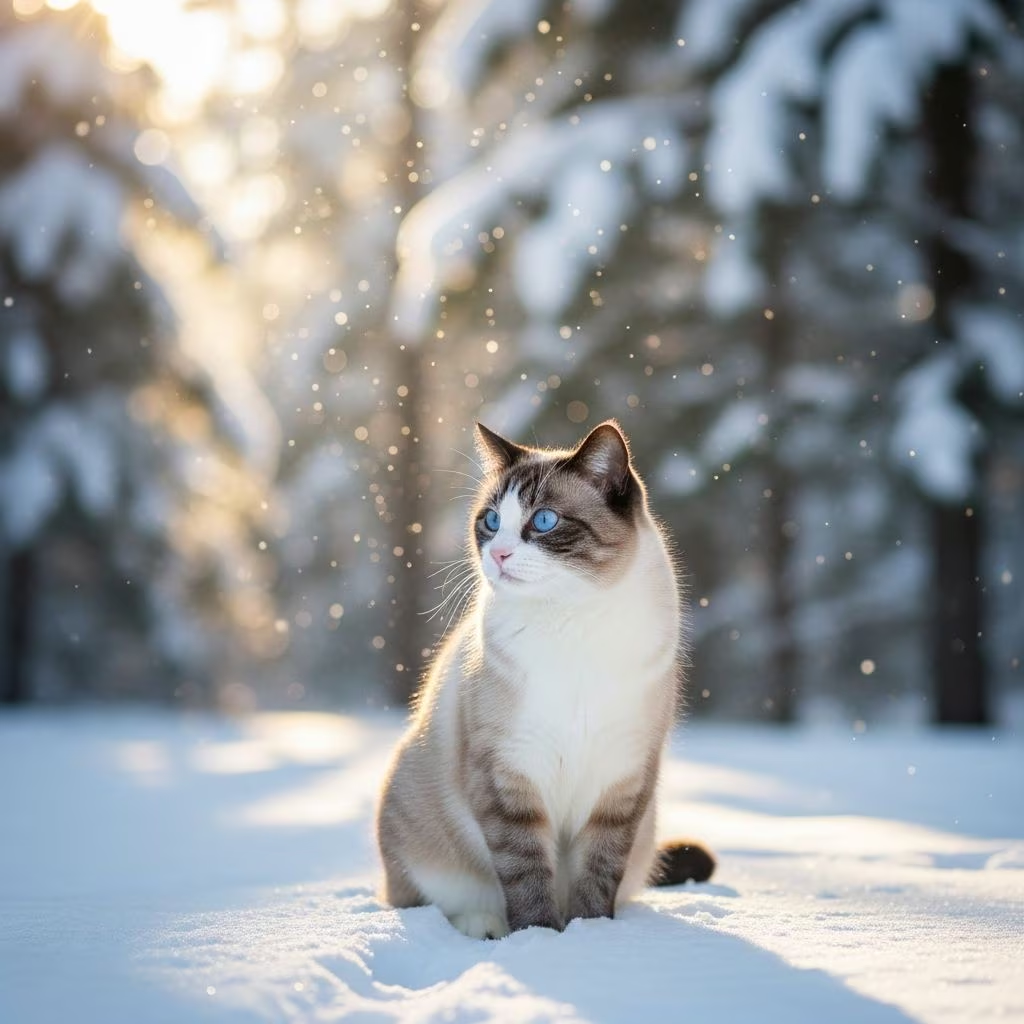
The Snowshoe cat, a striking breed with its signature white paws and Siamese heritage, typically enjoys a lifespan of 15–20 years. This range can vary based on genetics, diet, exercise, and preventive healthcare, allowing many Snowshoes to reach their upper teens or even early twenties with optimal care.
Originating from a cross between Siamese and American Shorthair cats in the 1960s, Snowshoes are known for their affectionate, dog-like personalities, blue eyes, and pointed color patterns with white mittens, blaze, and belly. Their moderate size—usually 8–12 pounds for females and 12–15 pounds for males—contributes to their hardy constitution. However, like all purebreds, they inherit certain predispositions from parent breeds that owners must monitor.
To help your Snowshoe achieve the longest possible life, focus on balanced nutrition, regular veterinary check-ups, mental stimulation, and a safe environment. This article breaks down the key factors influencing lifespan, life stages, common health issues, and practical care strategies.
Snowshoe Cat Average Lifespan
Snowshoe cats generally live between 14–20 years, with some sources citing 15–20 years as the most common range. Less optimistic estimates place it at 9–15 or 14–19 years, reflecting variations in breeding practices and care quality. Indoor living significantly extends this expectancy by shielding them from traffic accidents, predators, and infectious diseases—outdoor cats often live 2–5 years less on average.
Factors like spaying/neutering also play a role; unsterilized cats face higher risks of reproductive cancers and roaming-related injuries. Proper weight management is crucial, as obesity shortens lifespan by inviting diabetes, arthritis, and heart disease.
Factors Affecting Snowshoe Cat Lifespan
- Diet: High-quality, age-appropriate food prevents obesity and nutrient deficiencies. Feed kitten formulas until one year, then adult maintenance diets, transitioning to senior formulas around age 11.
- Exercise: Daily play sessions (15–30 minutes) using toys, cat trees, or laser pointers keep muscles toned and hearts healthy.
- Genetics: Reputable breeders screen for hereditary issues like hypertrophic cardiomyopathy (HCM), a Siamese-linked heart condition.
- Environment: Stress-free homes with companionship (Snowshoes are social) reduce cortisol-related illnesses.
- Veterinary Care: Annual exams, vaccinations, and parasite preventives catch problems early.
Care Tips to Maximize Lifespan
Snowshoes are low-maintenance groomers thanks to their short, sleek coats, but consistent care routines ensure longevity.
Grooming
Brush weekly with a soft slicker brush to distribute oils and reduce shedding. Trim nails every 10–14 days, clean ears monthly with vet-approved wipes, and brush teeth 2–3 times weekly using feline toothpaste to combat periodontal disease. Bathe only if needed, as they self-groom effectively.
Diet and Nutrition
Provide AAFCO-approved commercial cat food tailored to life stage. Aim for 200–300 calories daily for adults, split into 2–3 meals. Include wet food for hydration (cats need 3–4 oz per 5 lbs body weight daily). Avoid free-feeding to prevent obesity; use puzzle feeders for mental engagement.
| Life Stage | Daily Calories | Key Nutrients |
|---|---|---|
| Kitten (0–12 mo) | 200–250 kcal/kg | High protein/fat for growth |
| Adult (1–10 yrs) | 50–70 kcal/kg | Balanced for maintenance |
| Senior (11+ yrs) | 40–60 kcal/kg | Joint support, antioxidants |
Exercise
Snowshoes are moderately active, loving interactive play that mimics hunting. Provide vertical spaces like cat trees and window perches. Companionship with dogs or other cats boosts activity levels, as they thrive socially.
Healthcare
Schedule vet visits: kittens every 3–4 weeks until 16 weeks, then annually; seniors biannually. Core vaccines include rabies, FVRCP. Parasite control year-round. Dental cleanings under anesthesia may be needed every 1–3 years.
Common minor issues: crossed eyes (strabismus from Siamese genes), gingivitis. Serious concerns: hypertrophic cardiomyopathy (HCM), feline lower urinary tract disease (FLUTD), arterial thromboembolism (ATE), polycystic kidney disease (PKD).
The Life Stages of a Snowshoe Cat
Snowshoes progress through four distinct stages, each with tailored care needs.
Kitten: 0–12 Months
This foundational phase shapes lifelong health. Socialize extensively for friendly traits. Vaccinate at 6–8, 10–12, 14–16 weeks. Feed growth-oriented kitten food; expect 1 lb/month weight gain until 6 months (e.g., 3-month-old ~3 lbs). Deworm and start flea preventives. Teething occurs 3–6 months; baby teeth by 6–8 weeks, adults by 6–7 months.
Young Adult: 1–6 Years
Prime health years. Switch to adult food. Maintain exercise, spay/neuter at 4–6 months if not done. Annual vet checks monitor baselines for heart, kidneys, urine.
Mature Adult: 7–10 Years
Subtle aging signs emerge: slower metabolism, minor aches. Screen for early HCM via echocardiogram. Adjust calories down 10–20%; add glucosamine for joints.
Senior: 10+ Years
Monitor closely for arthritis, hyperthyroidism, kidney decline. Bloodwork annually; consider phosphorus-restricted renal diets. Many remain playful; enrich with soft toys.
Common Health Issues in Snowshoe Cats
Generally robust, Snowshoes inherit Siamese vulnerabilities.
- Hypertrophic Cardiomyopathy (HCM): Thickened heart walls; genetic screening recommended. Symptoms: lethargy, rapid breathing. Annual echoes from age 1.
- FLUTD: Bladder inflammation/crystals; stress exacerbates. Increase water intake.
- Dental Disease: Plaque leads to gingivitis; weekly brushing prevents extractions.
- PKD: Kidney cysts; ultrasound screening.
- Crossed Eyes: Cosmetic, rarely impacts vision.
Pet insurance covers diagnostics/treatments; lifetime policies up to £10,000/year.
Frequently Asked Questions (FAQs)
Do Snowshoe cats make good pets for families?
Yes, their docile, people-oriented nature suits families, but supervise with toddlers due to playful energy.
How can I tell my Snowshoe kitten’s age?
Weigh for growth (1 lb/month to 6 mo) or check teeth: baby set at 6–8 weeks, full adults by 6–7 months.
Are Snowshoe cats prone to obesity?
Moderately; measured meals and play prevent it, as excess weight shortens life.
What is the best diet for a senior Snowshoe?
Low-phosphorus, high-antioxidant senior formulas support kidneys and immunity.
How often should Snowshoes see the vet?
Annually young adults; biannually seniors.
With diligent care, your Snowshoe can enjoy a vibrant 15–20 years filled with purrs and play. Prioritize preventive measures for the best outcomes.
References
- Snowshoe Cat Lifespan: How Long Do They Live? — Catster. 2023. https://www.catster.com/cat-health-care/snowshoe-cat-lifespan-how-long-do-they-live/
- Snowshoe Cat Insurance | Cat Breed Guide — Sainsbury’s Bank. 2024. https://www.sainsburysbank.co.uk/pet-insurance/cat-breed/snowshoe
- What is a Snowshoe Cat? Breed Facts and FAQs — ASPCA Pet Insurance. 2023. https://www.aspcapetinsurance.com/resources/snowshoe/
- Snowshoe cat breed profile — Fetch Pet Insurance. 2024. https://www.fetchpet.com/the-dig/snowshoe
- Snowshoe — Governing Council of the Cat Fancy. 2022. https://www.gccfcats.org/getting-a-cat/choosing/cat-breeds/snowshoe/



