

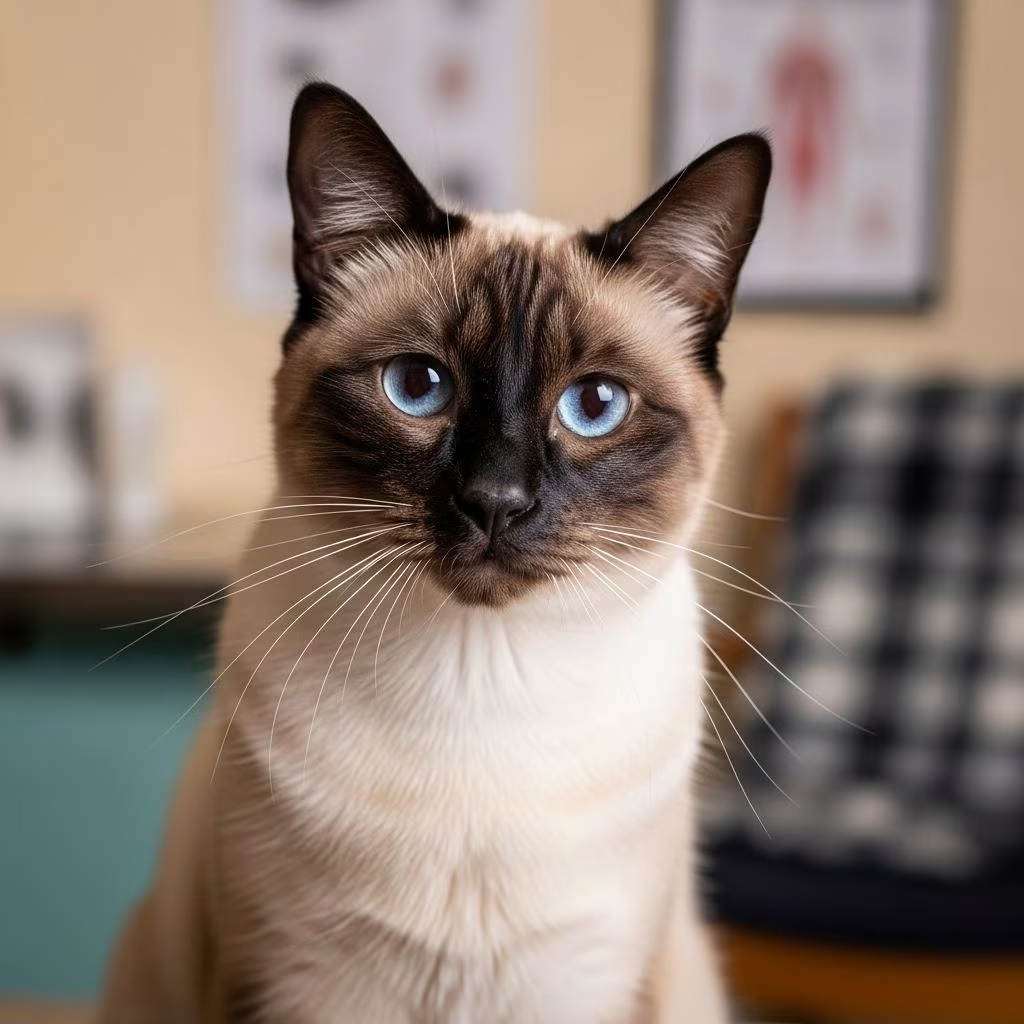
Snowshoe cats are a charming hybrid breed resulting from crosses between Siamese and American Shorthair cats, known for their striking blue eyes, pointed coats, and white paws resembling snowshoes. While generally healthy with a lifespan of 14–20 years, they inherit predispositions to certain health issues from their parent breeds. This article details the **10 most common Snowshoe cat health problems**, drawing from veterinary insights to help owners recognize symptoms early, pursue accurate diagnosis, and implement effective treatments. Early intervention is crucial, as many conditions like hypertrophic cardiomyopathy (HCM) or diabetes can progress silently.
The 10 Common Snowshoe Cat Health Problems
Snowshoe cats may face a range of issues, from urinary tract disorders to metabolic diseases. Factors like genetics, diet, lifestyle, and age play significant roles. Overweight indoor cats fed dry food diets are particularly at risk for several conditions. Regular vet checkups, balanced nutrition, and exercise can mitigate many risks.
1. Feline Lower Urinary Tract Disease (FLUTD)
**Feline Lower Urinary Tract Disease (FLUTD)** encompasses conditions like cystitis, urethral plugs, and crystals affecting the bladder and urethra. It’s prevalent in middle-aged, overweight Snowshoes using indoor litter boxes and eating dry food exclusively. Stress can also trigger episodes.
- Straining to urinate
- Urinating small amounts frequently
- Eliminating outside the litter box
- Vocalizing or crying during urination
- Blood in the urine
Diagnosis and Treatment: Vets perform a physical exam, urinalysis to detect infections or crystals, and blood tests for underlying issues like diabetes or kidney disease. Treatment includes pain relief, antibiotics if infected, increased water intake via wet food or fountains, and stress reduction. Severe cases may require catheterization.
2. Feline Rhinotracheitis Virus Infection (FVR)
**Feline Rhinotracheitis Virus (FVR)**, caused by feline herpesvirus-1, leads to upper respiratory infections. Snowshoes, inheriting Siamese traits, may be susceptible to respiratory issues. It’s highly contagious in multi-cat homes.
- Sneezing and nasal discharge
- Conjunctivitis and eye discharge
- Fever and lethargy
- Loss of appetite
- Oral ulcers
Diagnosis and Treatment: Clinical signs and viral swabs confirm FVR. Supportive care includes antivirals like famciclovir, eye ointments, fluids, and lysine supplements. Vaccination prevents severe cases, though the virus persists lifelong.
3. Diabetes Mellitus
**Diabetes Mellitus** occurs when the pancreas fails to regulate blood sugar (glucose). Older, overweight male Snowshoes are at higher risk, with potential genetic links.
- Excessive thirst and urination
- Increased appetite yet weight loss
- Lethargy
- Weak hind legs (diabetic neuropathy)
Diagnosis and Treatment: Blood glucose tests and urinalysis diagnose it. Management involves insulin injections, low-carb diets, exercise, and monitoring. Prognosis is good with compliance.
4. Feline Obesity
**Feline Obesity** affects sedentary Snowshoes, leading to joint strain, diabetes, and hepatic lipidosis. Dry food-only diets exacerbate it.
- Difficulty jumping or climbing
- Visible weight gain
- Lethargy and reduced activity
- Unhealthy eating habits
Diagnosis and Treatment: Vets assess body condition score by palpating ribs and hips. Treatment includes calorie-controlled diets, portion feeding, interactive toys, and thyroid/diabetes screening. Aim for 1-2% weekly weight loss.
5. Feline Dental Disease
**Feline Dental Disease**, including gingivitis and periodontitis, causes pain and systemic issues. Snowshoes are prone due to breed tendencies.
- Red, swollen gums
- Plaque and tartar buildup
- Bleeding gums
- Halitosis and drooling
- Weight loss from eating reluctance
Diagnosis and Treatment: Oral exam under sedation reveals extent. Treatments range from professional cleanings and antibiotics to extractions. Daily brushing and dental diets prevent recurrence.
6. Hyperthyroidism
**Hyperthyroidism** involves thyroid overactivity, common in senior Snowshoes, accelerating metabolism and risking heart/kidney complications.
- Weight loss despite ravenous appetite
- Hyperactivity or restlessness
- Vomiting and diarrhea
- Poor coat quality
Diagnosis and Treatment: Blood tests measure T4 levels. Options include methimazole medication, radioactive iodine therapy, surgery, or diet. Monitor for hypertension.
7. Kidney Failure
**Kidney Failure** (chronic kidney disease) impairs waste filtration, affecting older cats. Snowshoes may inherit predispositions.
- Increased urination and thirst
- Vomiting and diarrhea
- Bad breath and oral ulcers
- Lethargy and anemia
Diagnosis and Treatment: Bloodwork shows elevated creatinine/BUN; urinalysis assesses concentration. Manage with renal diets, fluids, phosphorus binders, and blood pressure meds. Stages determine prognosis.
8. Hypertrophic Cardiomyopathy (HCM)
**Hypertrophic Cardiomyopathy (HCM)** thickens heart walls, impairing pumping. Genetic in related breeds, Snowshoes require screening.
- Rapid or labored breathing
- Lethargy and weakness
- Collapse or fainting
- Murmurs (early sign)
Diagnosis and Treatment: Echocardiogram visualizes thickening. Beta-blockers, ACE inhibitors, and diet manage symptoms. No cure; avoid breeding affected cats.
9. Pica
**Pica** is compulsive non-food ingestion, linked to Oriental ancestry in Snowshoes. Risks include obstructions.
- Wool-sucking or fabric chewing
- Eating plants, strings, or plastic
- Vomiting or constipation
Diagnosis and Treatment: Behavioral history and ruling out medical causes. Provide toys, anti-pica sprays, and vet consult for underlying issues like anemia.
10. Gastroenteritis
**Gastroenteritis** inflames the GI tract from infections, toxins, or foreign bodies.
- Vomiting and diarrhea
- Abdominal pain
- Lethargy and fever
- Dehydration
Diagnosis and Treatment: Fecal tests, imaging, and bloodwork identify causes. Fasting, fluids, anti-emetics, and cause-specific therapy resolve most cases.
How to Keep Your Snowshoe Healthy
Preventive care is key. Provide a high-moisture diet, daily play, annual vet exams with bloodwork, dental care, and vaccinations. Monitor weight and litter habits. Genetic screening for breeding stock is advisable.
| Health Problem | Key Risk Factors | Prevention Tips |
|---|---|---|
| FLUTD | Obesity, dry food | Wet food, fountains |
| HCM | Genetics | Echo screenings |
| Obesity | Sedentary lifestyle | Exercise, portion control |
Frequently Asked Questions (FAQs)
What is the lifespan of a Snowshoe cat?
Snowshoes typically live 14–20 years with proper care, though health issues can shorten this.
Are Snowshoe cats prone to heart disease?
Yes, HCM is a concern; regular cardiac exams are essential.
How can I prevent urinary issues in my Snowshoe?
Feed wet food, encourage hydration, maintain ideal weight, and reduce stress.
Do Snowshoes need special grooming?
No, weekly brushing suffices for their short coat. Check eyes, ears weekly.
Is obesity common in Snowshoe cats?
Yes, due to indoor lifestyles; daily activity prevents it.
References
- Snowshoe Cat Health Problems: 10 Vet-Reviewed Issues — Catster. 2023. https://www.catster.com/cat-health-care/snowshoe-cat-health-problems/
- Snowshoe Cat Breed Health and Care — PetMD. 2024. https://www.petmd.com/cat/breeds/snowshoe-cat
- What is a Snowshoe Cat? Breed Facts and FAQs — ASPCA Pet Insurance. 2024. https://www.aspcapetinsurance.com/resources/snowshoe/



