

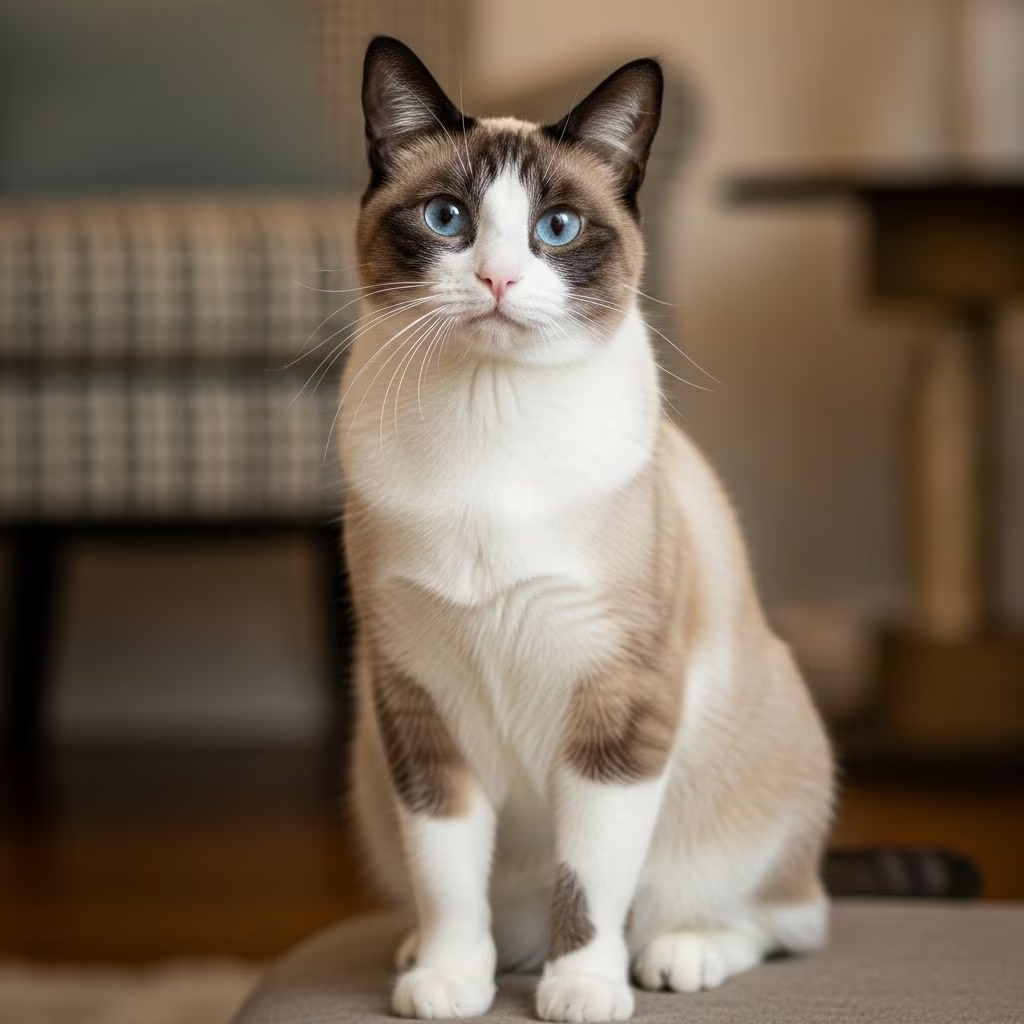
Snowshoe Cat Breed: Behavior, Traits & Care Guide
The Snowshoe cat is one of the most charming and distinctive cat breeds, characterized by their striking appearance and captivating personality. True to their name, these felines flaunt mittened paws adorned with snow-white fur, which can range from just the tips of their toes to extending up their legs. Beyond their aesthetic appeal, Snowshoe cats possess a unique blend of personality traits that make them exceptional companions for families and individuals alike. Their temperament is a delightful combination of the spirited nature of Siamese cats and the playful yet slightly more docile demeanor of American Shorthairs, from which the breed is descended.
Understanding Snowshoe Cat Personality and Temperament
The Snowshoe cat personality is as unique as their appearance, with no two cats exhibiting identical characteristics. Some are shy and reserved, while others are bossy and commanding, and still others display caregiving tendencies toward their chosen family members. Despite these variations, all Snowshoes share common traits that define the breed. They are uncannily intelligent, amusing, and deeply loyal companions that thrive on interaction and affection.
These cats are exceptionally social and should not be left alone for extended periods. Their need for companionship is paramount to their well-being and happiness. Unlike typical independent cats, Snowshoes often attach themselves to one primary family member, becoming a constant companion much like a dog. They enjoy being near you but prefer to lead rather than follow, creating a unique dynamic in the household. If you’re chosen by a Snowshoe, you’ll experience a level of devotion and affection that defines what it truly means to be owned by a cat.
Snowshoe cats can be quite adaptable, making them excellent companions for busy households, including those with other pets or children. However, a cat’s adaptability relies heavily on early socialization, proper introductions, and teaching children how to handle and care for pets appropriately. Experts emphasize that while genetics play a role in shaping personality and temperament, early experiences and interactions are equally important in developing a well-adjusted feline.
Snowshoe Cat Behavior Characteristics
The behavioral traits of Snowshoe cats reflect their mixed heritage. American Shorthairs are known for being playful, laid-back, and social, while Siamese cats are characterized as spunky and talkative. Snowshoes typically display an active nature that enjoys social interaction and mental stimulation. They are energetic and athletic, with a love for play and exploration that requires dedicated attention from their owners.
One of the most distinctive behavioral traits is their vocal nature. Snowshoes are generally talkers and will communicate frequently with their humans. However, unlike their more vocal Siamese ancestors, they express themselves in a soft, melodic voice that is pleasant to the ear. This talkative nature means your Snowshoe will likely engage in conversations with you throughout the day.
While very energetic, Snowshoes are not typically restless or easily agitated. However, they have been known to cause mischief if left unoccupied for extended periods. To satisfy their playful and spunky side, provide your cat with plenty of opportunities to play, exercise, and explore. This engagement helps deter unwanted behaviors such as excessive vocalization and destructive scratching of furniture.
Water Loving Tendencies
A unique behavioral characteristic of Snowshoe cats is their fondness for water. Unlike most cats that avoid water entirely, many Snowshoes will happily jump in the bathtub with you or splash around in a shallow container of water for hours. This unusual trait sets them apart from other cat breeds and provides opportunities for interactive enrichment activities.
Social Compatibility and Family Life
Snowshoe cats are ideal companions for families with young children or other pets. Their outgoing personality and loyalty make them excellent family members. They generally get along well with other cats and can coexist peacefully with dogs, making them versatile additions to multi-pet households. However, it’s crucial to teach children how to interact appropriately with cats and to supervise interactions with younger children.
While demure around strangers, Snowshoes show great devotion toward their family members. They form primary bonds with their chosen person while maintaining friendships with other household members. It’s not uncommon for these cats to be hesitant or shy around strangers initially, but they will typically warm up to new houseguests relatively quickly once they feel comfortable.
Intelligence and Training Capabilities
Snowshoe cats are extremely intelligent felines, capable of learning tricks and understanding complex behaviors. Their high intelligence, combined with their high energy levels and love for human companionship, makes training an engaging and fun activity for both cat and owner. These athletic cats quickly catch on to fun games such as fetch, jumping to marker spots, and even walking on a leash.
The intelligence of Snowshoes can be both a blessing and a challenge. On one hand, they can learn to open doors and master impressive tricks. On the other hand, they may use their intelligence for unexpected behaviors, demonstrating their independent streak. This intelligent nature means that providing mental stimulation is as important as physical exercise for preventing boredom-related behavioral issues.
Enrichment and Activity Recommendations
To keep your Snowshoe cat happy and discourage unwanted behaviors like excessive climbing and furniture scratching, provide them with appropriate outlets for their energy and intelligence.
Essential Environmental Enrichment
Snowshoe cats benefit significantly from environmental enrichment that caters to their active and curious nature. Cat trees and climbing structures are essential, as these cats love being up high and observing their surroundings from elevated perches. Scratching posts specifically designed for their needs help direct scratching behavior away from furniture and other household items.
Interactive toys provide mental stimulation and opportunities for play. These cats enjoy watching and chirping at birds from window perches, fetching toy mice, exploring new spaces, and solving puzzle feeders. These activities engage both their physical and mental capabilities, keeping them entertained and satisfied.
Daily Play and Exercise Schedule
Like most cats, Snowshoes benefit from approximately four 10-minute sessions of interactive playtime daily. This regular engagement maintains their physical fitness, provides mental stimulation, and strengthens the bond between cat and owner. Interactive play sessions might include using wand toys, laser pointers, or fetch games tailored to your cat’s preferences.
Favorite Snowshoe Cat Activities
Snowshoe cats enjoy a variety of activities that combine social interaction with physical and mental stimulation:
- Being around people and other pets
- Watching and chirping at birds from windows
- Fetching toy mice and other small toys
- Climbing cat trees and exploring vertical spaces
- Exploring new spaces and rooms in the home
- Solving feeder puzzles and treat-dispensing toys
- Cuddling with their chosen family member
- Playing with water in shallow containers or during bath time
Health Considerations and Special Concerns
While Snowshoe cats are generally healthy and robust, there are specific health considerations and behavioral concerns to be aware of when caring for this breed.
Pica in Snowshoe Cats
Pica, the tendency to eat non-food items, isn’t uncommon in Oriental cat breeds like Siamese, and the condition might appear in Snowshoes due to their shared ancestry. Wool-sucking is one of the most prevalent forms of this compulsive behavior. Pica can pose serious dangers, as ingesting non-food items like certain houseplants, hair ties, and string may lead to poisoning or internal obstructions.
If you notice your Snowshoe cat eating things they shouldn’t, consult with your veterinarian promptly. Providing appropriate toys and environmental enrichment can help prevent this behavior from developing. Additionally, ensuring your home is free from potentially dangerous objects reduces the risk of pica-related health emergencies.
Grooming and General Care
Snowshoe cats are relatively easy to maintain compared to long-haired breeds. Regular brushing once a week helps keep their coat healthy and shiny while reducing shedding. This grooming routine also provides an opportunity to bond with your cat and check for any skin issues or abnormalities.
Beyond grooming, Snowshoes require standard cat care including regular veterinary checkups, vaccinations, parasite prevention, and dental care. A balanced diet appropriate for their age and activity level ensures they maintain optimal health and weight.
Color Development and Maturation
An interesting aspect of Snowshoe cat development is the gradual color development that occurs as they mature. Full colors, points, and white area development may take up to two years to complete, especially in dilute color variations. Kittens may appear lighter at birth, with their characteristic markings becoming more pronounced as they age. This gradual color transformation is a fascinating aspect of watching your Snowshoe kitten grow into adulthood.
Is a Snowshoe Cat Right for Your Family?
Snowshoe cats make excellent companions for families seeking an active, intelligent, and affectionate breed. They thrive in households where they receive adequate attention, interaction, and mental stimulation. These cats are particularly well-suited for families with young children or homes with other pets, provided proper introductions and supervision are maintained.
However, potential owners should understand that Snowshoes require dedication and commitment. Their need for companionship means they’re not ideal for people who work long hours without pet care arrangements. They prefer leading households to following their humans, so owners should be comfortable with a cat that has opinions about how things should be done.
Frequently Asked Questions About Snowshoe Cats
Q: Are Snowshoe cats good family pets?
A: Yes, Snowshoe cats are excellent family pets. They are social, loyal, and affectionate with family members, including children. They get along well with other pets and are ideal for active households that can provide adequate attention and interaction.
Q: How much exercise do Snowshoe cats need?
A: Snowshoe cats benefit from approximately four 10-minute sessions of interactive playtime daily. They are active and energetic, requiring regular physical exercise and mental stimulation to prevent boredom and behavioral issues.
Q: Can Snowshoe cats be trained?
A: Yes, Snowshoe cats are highly intelligent and can be trained to learn tricks, walk on leashes, play fetch, and perform other behaviors. Their intelligence and desire to interact with humans make them responsive to training.
Q: Do Snowshoe cats like water?
A: Unlike most cats, many Snowshoes enjoy water and may swim in shallow containers or jump into bathtubs. This unique trait makes them excellent candidates for water-based enrichment activities.
Q: Are Snowshoe cats vocal?
A: Yes, Snowshoe cats are known for being vocal and will communicate frequently with their humans. However, they express themselves in a soft, melodic voice that is gentler and more pleasant than their more vocal Siamese ancestors.
Q: How often should I groom my Snowshoe cat?
A: Snowshoe cats should be brushed weekly to maintain coat health, reduce shedding, and strengthen the bond with your pet. This regular grooming routine is straightforward and helps keep their short coat in optimal condition.
Q: Do Snowshoe cats get along with other cats?
A: Generally, yes. Snowshoe cats are social and get along well with other cats in multiple cat households. However, some individuals may prefer being the only cat and receiving their owner’s undivided attention.
Q: What is pica in Snowshoe cats?
A: Pica is the tendency to eat non-food items, with wool-sucking being common. This condition can occur in Snowshoe cats due to their Siamese ancestry. If your cat exhibits pica behavior, consult your veterinarian as it can pose health risks.
References
- Snowshoe Cat Breed Health and Care — PetMD. 2024. https://www.petmd.com/cat/breeds/snowshoe-cat
- Snowshoe Breed Profile — The International Cat Association (TICA). 2024. https://tica.org/breed/snowshoe/
- The Snowshoe Cat Breed — Hill’s Pet Nutrition. 2024. https://www.hillspet.com/cat-care/cat-breeds/snowshoe
- What is a Snowshoe Cat? Breed Facts and FAQs — ASPCA Pet Insurance. 2024. https://www.aspcapetinsurance.com/resources/snowshoe/
- Snowshoe Cat: 14 Must-Know Facts About This Charming Breed — Holistic Pet. 2024. https://www.holistapet.com/blogs/cat-breeds/snowshoe
- Journal of Veterinary Behavior: Pica in Cats — Peer-Reviewed Research. Cited by PetMD as source on pica prevalence in Oriental cat breeds.



