

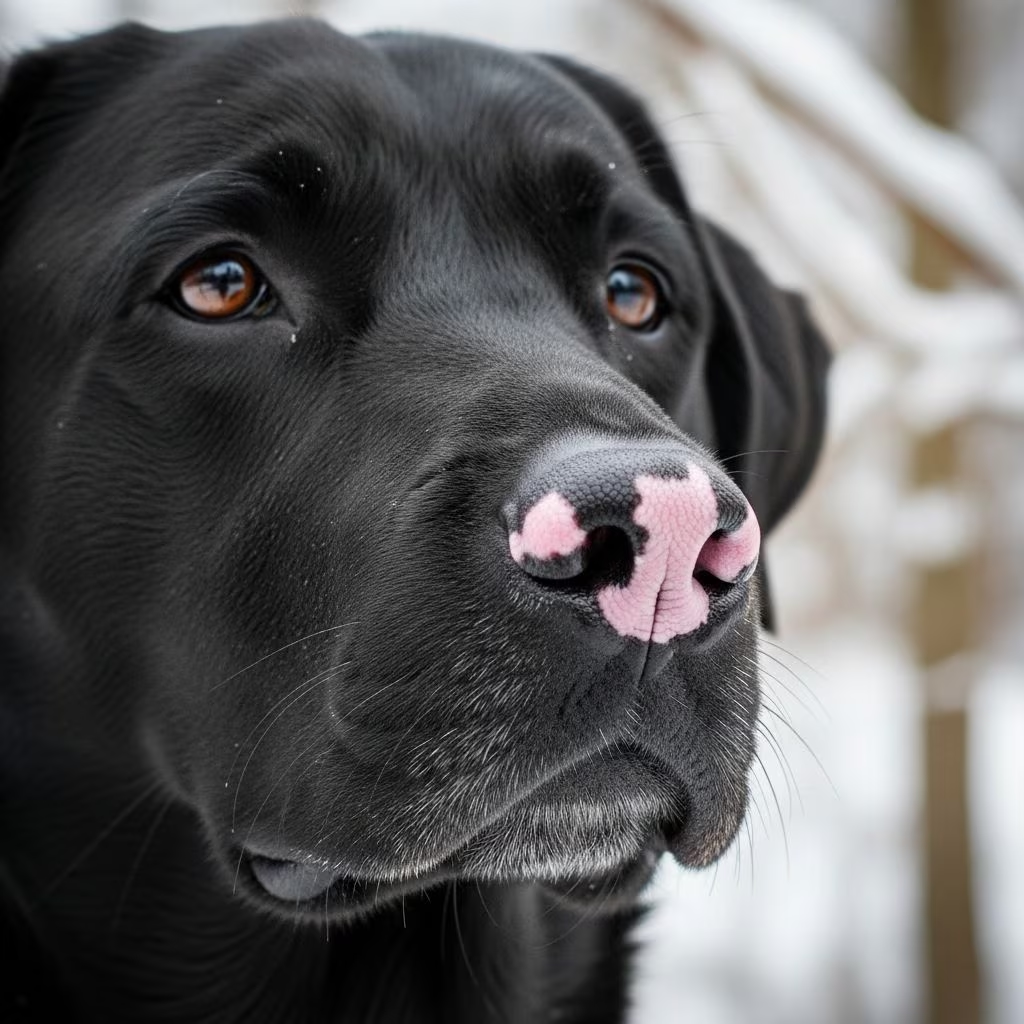
Snow Nose in Dogs: What Is It and Why Does It Happen?
If you’ve noticed your dog’s nose turning pink or lighter in color during the winter months, you’re likely observing a common and harmless condition known as snow nose. This temporary change in nose pigmentation affects many dog owners, particularly those with breeds like Golden Retrievers, Labrador Retrievers, and Siberian Huskies. Understanding what snow nose is, why it happens, and how to care for your dog during this time can help you feel confident that your furry friend is healthy and thriving.
Snow nose, medically known as seasonal nasal hypopigmentation, is a benign condition where a dog’s nose loses some or all of its pigmentation and turns a lighter color, often appearing pink or light brown. This phenomenon occurs most frequently during winter months, though it can also appear year-round and in warmer climates, which contradicts the popular belief that only dogs in cold regions experience this condition. Despite its name, exposure to actual snow isn’t required for the condition to develop.
What Exactly Is Snow Nose?
Snow nose is a seasonal loss of pigment that affects the nasal planum, which is the flat, hairless part of a dog’s nose. The condition is characterized by a noticeable lightening of nose pigmentation where the dog’s nose was previously a normal darker color, often appearing as spots, stripes down the center, or affecting the entire nose. This cosmetic change is completely harmless and does not indicate any underlying health problems.
The most important characteristic of true snow nose is that it affects only the color of the nose—everything else remains perfectly normal. The texture of the nose remains unchanged, and there are no other symptoms associated with the condition. Many dogs experience this pigmentation loss during colder months, with the pigment returning as temperatures warm and sunlight exposure increases in spring and summer. However, in some cases, the lighter color can become permanent, though this remains purely cosmetic.
Which Dog Breeds Are Most Affected?
While snow nose can potentially affect any dog breed, certain breeds are significantly more prone to developing this condition. The breeds most commonly affected include:
- Siberian Huskies
- Golden Retrievers
- Labrador Retrievers
- Bernese Mountain Dogs
- Alaskan Malamutes
- American Eskimos
- Cocker Spaniels
The genetic predisposition to snow nose in these breeds is thought to be related to their genetic makeup and how their bodies produce and regulate pigment. Interestingly, the condition is more frequently seen in dogs known for their explorative habits and tendency to spend more time outdoors, which may expose them to varying light and temperature conditions.
Why Do Dogs Get Snow Nose?
The exact cause of snow nose remains unknown, but researchers and veterinarians have developed several theories about what triggers this seasonal pigmentation loss. Understanding these potential causes can help explain why some dogs experience this condition while others do not.
Temperature and Environmental Factors
One leading theory suggests that cold temperatures may play a role in triggering snow nose. It’s believed that certain enzymes responsible for producing melanin—the pigment that colors a dog’s skin and nose—may be less active in cold or low-light conditions on the exposed skin of a dog’s nose. The enzyme tyrosinase, which is responsible for producing melanin, is sensitive to cold temperatures and may break down more readily in winter months. However, this theory doesn’t fully explain why snow nose occurs in some dogs and not others, or why it can affect dogs in warmer climates.
Light Exposure and UV Radiation
Researchers believe that the amount of daylight and UV exposure may contribute to snow nose development. Some studies suggest that UV light can damage pigment cells, leading to decreased pigmentation during months with reduced sunlight exposure. As daylight hours decrease during winter, dogs may produce less melanin, resulting in the characteristic lightening of the nose.
Enzyme Activity and Genetic Factors
The levels of the tyrosinase enzyme, which breaks down and produces pigment, are postulated to fluctuate seasonally. Additionally, dog genetics play a significant role in susceptibility to snow nose. Certain dogs are genetically wired to have unique levels and distribution of pigment in their noses, and the condition is more frequently seen in specific breeds with genetic predispositions to seasonal pigmentation changes. The liver gene, piebalding, and white spotting are examples of genetic factors that result in naturally pink-colored noses in some dogs.
Age-Related Pigmentation Changes
As dogs grow and age, they often experience different pigmentation throughout their bodies, not just on their noses. These changes can occur on the tongue, gums, belly, and other areas. In some older dogs, snow nose may become a permanent condition rather than a seasonal occurrence, as the ability to regenerate pigment decreases with age.
Recognizing the Symptoms of Snow Nose
The primary and most obvious symptom of snow nose in dogs is a noticeable lightening of nose pigmentation. The nose may turn pink, light brown, or even appear almost white in some cases. However, it’s crucial to understand what snow nose is NOT to ensure your dog doesn’t have a more serious condition.
What Snow Nose Is NOT
True snow nose presents with only one symptom: color change. If your dog’s nose exhibits any of the following symptoms, it may indicate a more serious condition that requires veterinary attention:
- Texture changes or roughness
- Excessive dryness or cracking
- Sores or lesions
- Bleeding or discharge
- Crusting or scabbing
- Signs of discomfort or pain
These additional symptoms could indicate more serious conditions such as discoid lupus erythematosus, infections, skin cancer, or other autoimmune diseases that require immediate veterinary evaluation.
Treatment Options for Snow Nose
The good news for pet owners is that snow nose requires no treatment whatsoever, as it is a completely harmless, cosmetic condition. Despite this, many pet parents have attempted various remedies in hopes of preventing or reversing the pigmentation loss, though none have proven effective.
Ineffective Treatment Approaches
Several treatments have been tried by well-meaning dog owners but have not been shown to make any difference:
- Vitamin E supplements (though theoretically it could stabilize cell membranes)
- Kelp supplementation (high in iodine to support thyroid function)
- Dietary supplements and special diets
- Topical treatments and creams
- Keeping dogs warm in winter clothing
There is no scientific evidence that any of these interventions prevent or reverse snow nose, making them unnecessary expenses for dog owners.
Natural Resolution
In many cases, a dog’s nose turning pink resolves naturally as temperatures rise and sunlight exposure increases in spring and summer. The condition can be cyclical, with pigment fading during colder months and returning when it’s warm—though not always. Some dogs experience complete restoration of pigment each year, while others may retain the lighter color year-round or see only partial restoration of pigment.
How To Prevent Snow Nose in Dogs
Since the exact cause of snow nose remains unknown, there is no proven way to prevent it. Many pet parents wonder if various interventions might help, but research has not supported these approaches:
- Keeping dogs warm in winter does not prevent snow nose
- Winter clothing and protective gear do not stop pigmentation loss
- Dietary changes and supplements haven’t been shown to make a difference
- Limiting outdoor exposure doesn’t prevent the condition
The best approach is to accept that snow nose is a normal, temporary condition in genetically predisposed dogs. However, one protective measure that may be beneficial is applying sunscreen to your dog’s pink nose, especially when it becomes lighter and more sensitive to UV radiation.
When Should You Contact Your Veterinarian?
While snow nose itself is harmless and requires no veterinary intervention, it’s important to contact your veterinarian if your dog’s nose shows any signs beyond simple color change. Schedule an appointment if you notice:
- Sores, bleeding, or crusting on the nose
- Excessive dryness or cracking that appears painful
- Texture changes or bumps
- Signs of discomfort when the nose is touched
- Discharge from the nose
- Any other symptoms accompanying the color change
These symptoms could indicate conditions that mimic snow nose in their early stages, such as autoimmune diseases, infections, or cancer, all of which require proper diagnosis and treatment.
Nose Care Tips for Dogs with Snow Nose
Although snow nose doesn’t require treatment, you can take steps to keep your dog’s nose healthy and protected:
- Apply dog-safe sunscreen: Protect the nose from UV damage during sunny days, especially when the nose is pink and lighter in color
- Monitor for changes: Keep track of when pigmentation changes occur and whether it returns seasonally
- Keep the nose clean: Gently clean any dirt or debris from the nose area
- Maintain overall health: Ensure your dog receives proper nutrition and exercise
- Schedule regular checkups: Regular veterinary visits help catch any potential health issues early
Frequently Asked Questions About Snow Nose in Dogs
Q: Is snow nose painful for my dog?
A: No, snow nose is not painful. It is purely a cosmetic condition that does not cause discomfort. If your dog’s nose appears to be bothering them or shows signs of pain, consult a veterinarian as this may indicate a different condition.
Q: Will my dog’s nose color return to normal?
A: In many cases, yes. As temperatures warm and daylight hours increase, pigment often returns to the nose in spring and summer. However, some dogs experience permanent lightening, particularly as they age, though this remains purely cosmetic.
Q: Can I prevent snow nose with supplements or special diets?
A: No, there is no scientific evidence that supplements, special diets, or other interventions prevent or reverse snow nose. Despite many claims, none of these approaches have proven effective.
Q: Should I keep my dog indoors during winter to prevent snow nose?
A: There is no evidence that indoor time prevents snow nose. Your dog should continue to enjoy normal winter activities and exercise, as limiting outdoor time is unnecessary and could negatively impact their overall health.
Q: How can I tell if it’s snow nose or a more serious condition?
A: True snow nose only causes color change. If your dog’s nose also shows sores, bleeding, excessive dryness, texture changes, or signs of discomfort, contact your veterinarian promptly as these could indicate a more serious condition.
Q: Do all dogs get snow nose?
A: No, snow nose is more common in certain breeds like Golden Retrievers, Labrador Retrievers, and Siberian Huskies, though it can affect any breed. Genetics play a significant role in susceptibility to this condition.
Q: Is snow nose more common in cold climates?
A: Snow nose is typically associated with winter months and colder climates, but it can occur in dogs living in warmer regions too. The condition isn’t limited to northern climates as was once believed.
Key Takeaways About Snow Nose
Snow nose is a harmless cosmetic condition where a dog’s nose lightens in color, often during winter months due to factors like temperature, light exposure, and genetic predisposition. The condition doesn’t require treatment and may resolve naturally as temperatures rise, though some dogs keep the lighter color year-round. If your dog’s nose also develops sores, bleeding, or discomfort, it could be a sign of a more serious issue that needs veterinary attention. While the exact cause remains unknown, understanding that snow nose is benign and temporary can help you feel confident about your dog’s health. Focus on keeping your dog’s nose protected with sunscreen and maintain regular veterinary checkups to ensure any changes are monitored appropriately.
References
- Snow Nose in Dogs: Common Causes — Petcube. Accessed November 2025. https://petcube.com/blog/snow-nose-in-dogs/
- Dog Snow Nose: Why Dogs’ Noses Turn Pink — Hill’s Pet Nutrition. Accessed November 2025. https://www.hillspet.com/dog-care/behavior-appearance/dog-snow-nose
- Snow Nose in Dogs: What Is It and Why Does It Happen? — Chewy. Accessed November 2025. https://www.chewy.com/education/dog/health-and-wellness/snow-nose-in-dogs
- Snow Nose on Dogs Is Real — Whole Dog Journal. Accessed November 2025. https://www.whole-dog-journal.com/health/snow-nose-on-dogs-is-real/
- What is Dog Snow Nose and What Can You Do About it? — PetMD. Accessed November 2025. https://www.petmd.com/dog/wellness/what-dog-snow-nose-and-what-can-you-do-about-it
- Seasonal Nasal Hypopigmentation in Dogs — Vetster. Accessed November 2025. https://vetster.com/en/conditions/dog/seasonal-nasal-hypopigmentation



