

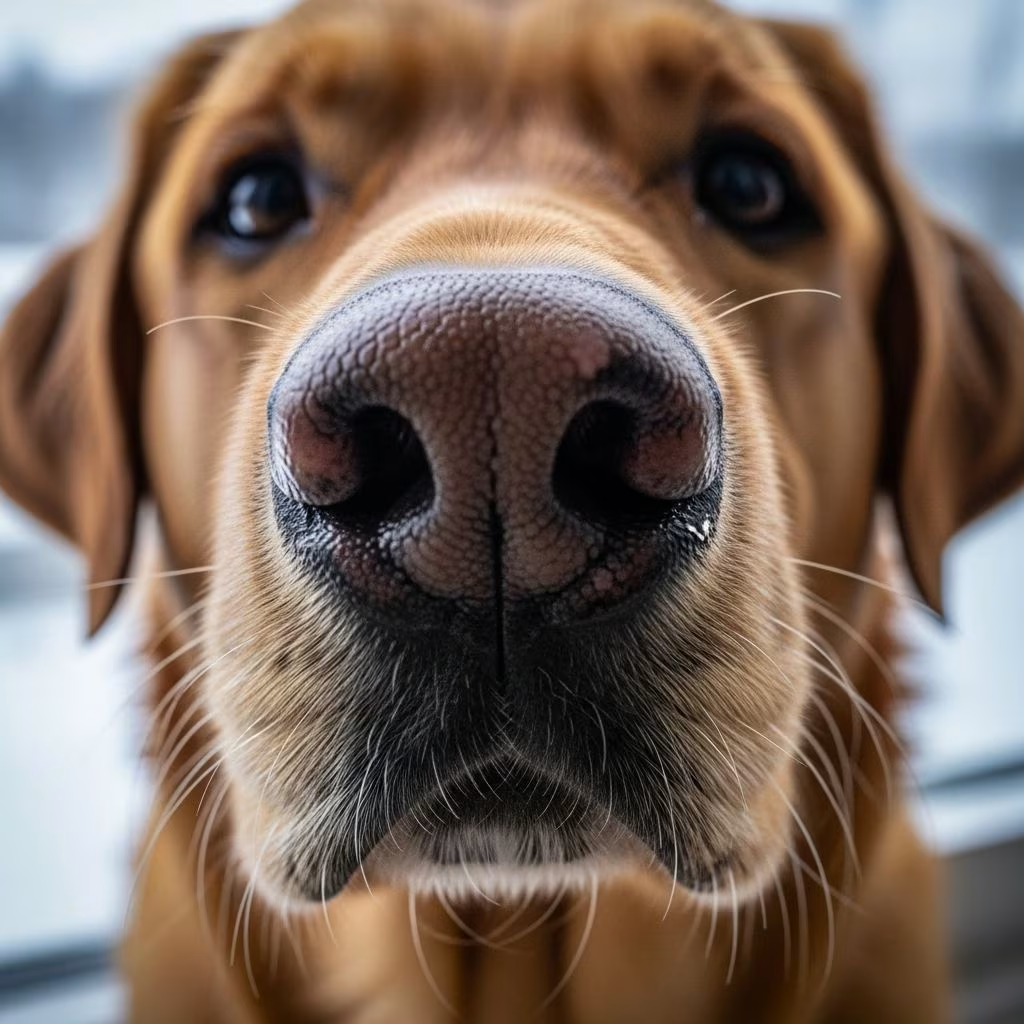
A dog’s nose turning from black or dark brown to pinkish during colder months often alarms owners, but this change, known as snow nose or seasonal nasal hypopigmentation, is typically harmless. It involves a temporary loss of melanin pigment in the nasal planum, affecting the nose’s color without altering its texture or causing discomfort.
Defining Snow Nose and Its Visual Characteristics
Snow nose manifests as a fading of the nose’s natural dark pigmentation to lighter shades like pink, tan, or beige. This can cover the entire nose surface, form a central stripe, or appear in irregular patches. Unlike pathological conditions, the nose remains smooth, with its characteristic cobblestone texture intact, and the dog shows no signs of pain, itching, or behavioral changes.
The term “snow nose” derives from its prevalence in winter, though it may occur in other seasons for some dogs. It is distinct from Dudley nose, a permanent genetic variant resulting in a lighter nose year-round, often linked to specific coat colors like liver.
Factors Influencing the Development of Snow Nose
Although the precise mechanism remains unidentified, several factors are implicated. Reduced sunlight exposure in shorter winter days may diminish melanin synthesis. Temperature drops could impair tyrosinase, the enzyme crucial for melanin production, as it proves sensitive to cold environments.
Genetic predisposition plays a key role, with certain breeds exhibiting higher incidence rates due to inherited traits affecting pigment regulation. Aging naturally reduces tyrosinase activity, explaining why older dogs sometimes develop lighter noses independently of seasons.
Breeds Most Susceptible to Seasonal Nose Lightening
Northern breeds and those with liver or lighter coat dilutions frequently display snow nose. Common examples include:
- Siberian Huskies
- Alaskan Malamutes
- Golden Retrievers
- Labrador Retrievers
- Bernese Mountain Dogs
- American Eskimo Dogs
- Cocker Spaniels
These breeds’ genetic makeup predisposes them to pigment fluctuations triggered by environmental cues. Any dog with a dark nose can potentially experience it, but prevalence is notably higher in these groups.
Distinguishing Benign Snow Nose from Serious Nasal Conditions
While reassuring, snow nose requires differentiation from disorders mimicking its appearance. Key indicators of snow nose include isolated color fading without surface irregularities or systemic symptoms.
Serious conditions present additional red flags. The following table compares snow nose to common differentials:
| Condition | Symptoms Beyond Color Change | Potential Causes |
|---|---|---|
| Snow Nose | None; smooth texture preserved | Seasonal, genetic, enzymatic |
| Pemphigus Foliaceus | Blisters, crusting, ulcers, lethargy, fever | Autoimmune |
| Discoid Lupus Erythematosus (DLE) | Sores, scaling, shiny surface, pawing | Autoimmune |
| Fungal/Bacterial Infections | Discharge, sneezing, crusting | Infectious agents |
| Nasal Tumors | Bleeding, bumps, asymmetry | Cancerous growths |
If lesions, cracks, bleeding, excessive rubbing, or changes in eyelids, lips, or paw pads occur, veterinary evaluation is essential. Snow nose confines changes strictly to the nose.
Veterinary Diagnostic Approach for Nose Pigment Loss
Diagnosis relies on exclusion, as no specific test confirms snow nose. Veterinarians assess history, noting seasonal patterns and breed, alongside physical exams.
Further diagnostics for suspicious cases may include:
- Skin biopsies for histopathology
- Cytology or cultures for infections
- Blood tests to screen for autoimmune markers
- Imaging if tumors suspected
Absence of abnormalities alongside classic presentation confirms snow nose.
Management and Expectations for Dogs with Snow Nose
No intervention is required for snow nose, as it resolves spontaneously with warmer weather and increased daylight, typically restoring original pigmentation. Affected dogs often recur annually, but this poses no health risk.
Owners should monitor for complications. Sun protection via pet-safe sunscreen prevents sunburn on lightened noses during summer, especially for outdoor dogs. Routine nose moisturizers maintain leather-like texture, though unnecessary for pigment alone.
FAQs About Snow Nose in Dogs
Is snow nose painful for my dog?
No, it causes no discomfort; dogs behave normally.
Will my dog’s nose stay pink forever?
Usually not; pigment returns in spring or summer, though some retain partial lightening.
Can snow nose affect puppies?
Rarely, as it typically emerges in adults, but possible in predisposed breeds.
Does diet or supplements reverse snow nose?
No evidence supports this; it’s not nutritional.
Should I worry if my dog has a liver-colored coat?
Higher risk for Dudley nose variant, but still benign; monitor as advised.
Preventive Monitoring and Long-Term Outlook
Regular home checks during seasonal shifts empower owners. Photograph the nose for comparison. Annual vet wellness exams catch unrelated issues early.
Snow nose highlights canine physiology’s adaptability to environments. While mysterious, its benign nature reassures. Prompt vet consultation for anomalies ensures peace of mind.
For breeds prone to pigment issues, genetic counseling aids breeding decisions, minimizing permanent variants. Overall, snow nose enriches understanding of dogs’ responses to nature’s cycles.
References
- Snow Nose in Dogs: A Veterinarian Explains — Dr. Buzby, ToeGrips. 2023. https://toegrips.com/snow-nose-dog/
- Snow Nose on Dogs Is Real — Whole Dog Journal. 2023. https://www.whole-dog-journal.com/health/snow-nose-on-dogs-is-real/
- Why is my dog’s nose changing color? Snow nose and Dudley nose explained — My Woof. 2024. https://mywoof.com/blogs/articles/why-is-my-dog-rsquo-s-nose-changing-color-snow-nose-and-dudley-nose-explained
- Seasonal Nasal Hypopigmentation in Dogs — Vetster. 2024. https://vetster.com/en/conditions/dog/seasonal-nasal-hypopigmentation
- Snow Nose: What Is It and Why Is My Dog’s Nose Turning Pink? — PetMD, Brittany Kleszynski, DVM. 2024. https://www.petmd.com/dog/general-health/snow-nose-dog



