

Snow Dog Breeds That Love Winter
When winter arrives and snow blankets the landscape, certain dog breeds come alive with an energy and enthusiasm that’s truly remarkable. While many dogs bundle up and prefer the warmth of indoors, some breeds are naturally built to embrace the cold and flourish in snowy conditions. These winter-loving dogs possess unique physical adaptations and bred instincts that make them ideal companions for those who want to enjoy outdoor adventures year-round, even when temperatures drop and snow falls. Understanding these breeds and their special characteristics can help you choose the perfect cold-weather canine companion.
Why Some Dogs Thrive in Cold Weather
Not all dogs are created equal when it comes to handling winter conditions. Certain breeds possess specialized adaptations that allow them to regulate body temperature, navigate snowy terrain, and maintain comfort in frigid environments. These adaptations have been developed over centuries of selective breeding for work in harsh climates, particularly among Northern and Arctic breeds.
Thick Double Coats
The most obvious adaptation in cold-weather dog breeds is their thick double coat. Unlike single-coated dogs, winter-loving breeds have two layers of fur: a dense outer coat and a woolly undercoat that provides exceptional insulation. This dual-layer system traps warm air close to the skin, creating a barrier against wind and moisture. The undercoat also sheds seasonally in thick clumps, which represents the dog’s natural way of adjusting to temperature changes throughout the year.
Specialized Paw Structure
Many snow-loving breeds have paws that function like natural snowshoes. The Alaskan Malamute, for instance, has broad, bear-like paws that can grip ice, distribute the dog’s weight across a greater surface area, and prevent the dog’s feet from sinking too deeply into snow. Similarly, Tibetan Terriers possess “snowshoe feet”—large, round paws that allow them to traverse snowy terrain with surprising ease. These paw adaptations make movement through deep snow far less taxing than for breeds with smaller, narrower feet.
Bushy, Plumed Tails
The magnificent bushy tails found on many winter breeds serve a practical purpose beyond aesthetic appeal. Siberian Huskies and similar breeds can wrap their tails around themselves while sleeping to warm the air they inhale. By the time air reaches the delicate tissue of their lungs through the hair of their tail, it has been pre-warmed. With their faces warm and paws tucked beneath their tail, these dogs have been known to sleep 12 hours straight during snowstorms.
Top Snow-Loving Dog Breeds
Siberian Husky
The Siberian Husky is arguably the most well-known winter dog breed and often the first breed that comes to mind when discussing cold-weather dogs. These striking dogs, famous for their participation in the annual Iditarod sled dog race, were bred by the Mahlemut people to haul heavy loads, hunt seals, and even scare away polar bears during harsh Arctic seasons. Their thick double coat provides exceptional insulation, allowing them to maintain comfort even when temperatures plummet dramatically. Huskies possess effortless energy that shines through even before they step into the snow, making them ideal companions for winter sports enthusiasts. These brilliant and active dogs do require significant attention and space, making them most suitable for owners with previous dog ownership experience.
Alaskan Malamute
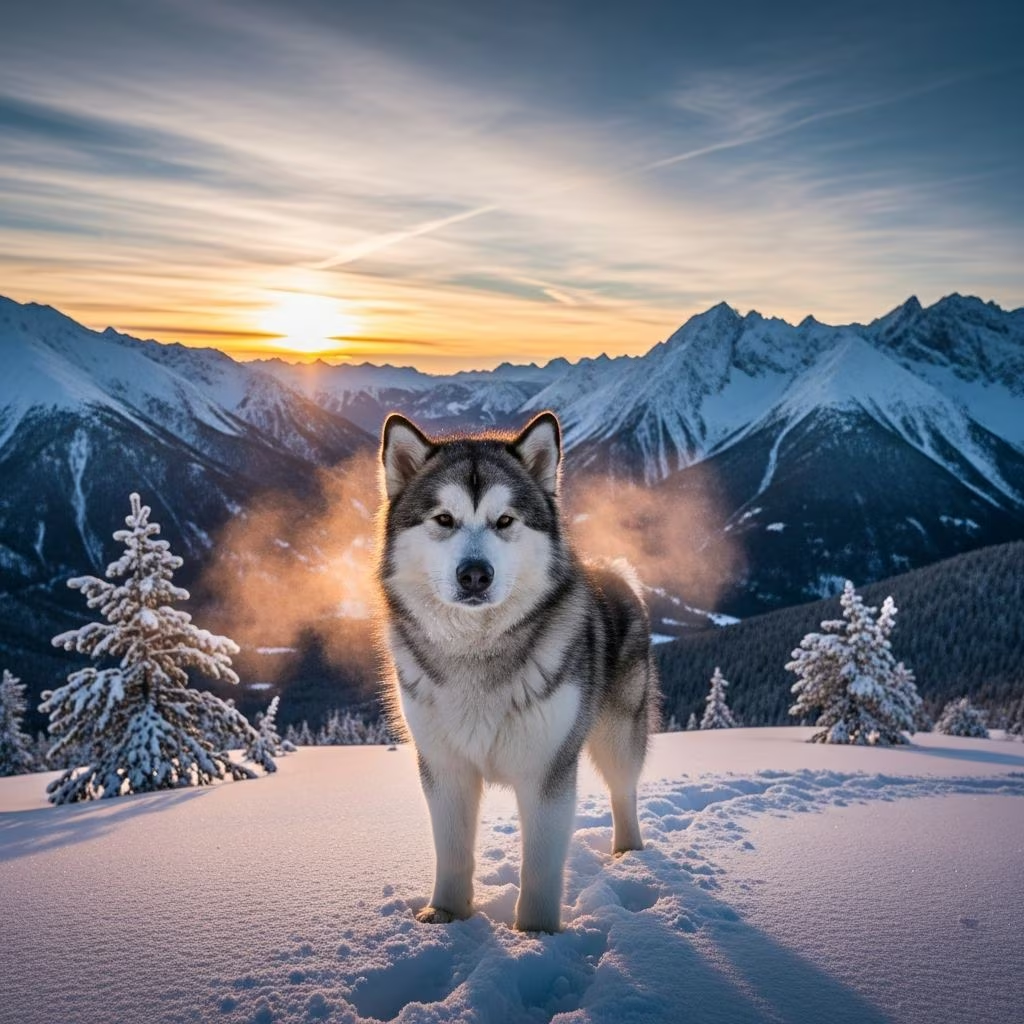
The Alaskan Malamute, sometimes called the “Clydesdale of the Great White North,” represents the pinnacle of cold-weather dog breeding. These powerful dogs were developed to pull heavy sleds across frozen terrain and thrive in environments where few other animals can survive. Alaskan Malamutes combine strength with endurance that has been honed specifically for icy landscapes. Their broad paws, thick coat, and powerful build make them exceptional snow navigators. Unlike the Husky’s speed-focused breeding, Malamutes emphasize strength and the ability to haul substantial loads over long distances through harsh winter conditions.
Bernese Mountain Dog
The Bernese Mountain Dog brings a calm steadiness to winter adventures that distinguishes them from more high-energy breeds. These Swiss mountain dogs possess a thick, double coat that shields their body from icy winds and wet snow, keeping them comfortable during extended outdoor sessions. Their sturdy and muscular frame handles snowy paths with natural ease, and they genuinely enjoy exploring open spaces when temperatures drop. While not considered high-energy dogs like Huskies, Bernese Mountain Dogs still require at least 30 minutes of daily exercise. This combination of durability, gentle enthusiasm, and manageable exercise needs makes them dependable partners for families seeking winter companions without the intensity of sled dog breeds.
Saint Bernard
Saint Bernards are calm, watchful companions that handle cold weather with remarkable ease and confidence. Travelers and hikers in alpine regions have historically relied on these gentle giants for warmth and protection during harsh mountain conditions. Their thick, dense coat acts as natural insulation, allowing them to navigate snowy landscapes without discomfort. These dogs glide over snow without sinking too deeply, maintain a consistent pace during long walks, and remain comfortable in low temperatures without visible effort. Saint Bernards are known for their remarkable patience with children during outdoor activities and their calm behavior in busy winter settings. They are strong swimmers even in icy water, adding another dimension to their winter capabilities.
Samoyed
Named after the Samoyedic peoples of Siberia where the breed originates, the Samoyed was built to survive harsh winter weather and frigid temperatures. These distinctive white dogs possess a thick double coat of silky fur and thrive in cold-weather conditions. Samoyeds genuinely enjoy outdoor winter activities like hiking and snowshoeing. Beyond recreational pursuits, they excel at competitive activities including agility, conformation, herding, and obedience competitions. Most impressively, Samoyeds truly excel at pulling activities like drafting and carting, demonstrating their heritage as working dogs in extreme conditions.
American Eskimo Dog
Originally known as the German Spitz and later the American Spitz, the American Eskimo dog has snow embedded in its DNA. These spunky, high-energy dogs will run laps around your snowy yard at every opportunity. If you live in a snowy climate and own an American Eskimo Dog (often called an Eskie for short), you must be prepared to spend considerable time outdoors during winter. Any chance to run on a trail or romp around an open field will be enthusiastically welcomed by this winter-loving breed. Their exceptional cold tolerance combined with their boundless energy makes them perfect for active families who enjoy frequent outdoor winter adventures.
Norwegian Elkhound
The Norwegian Elkhound carries a confident and bold presence that makes winter adventures genuinely exciting for families who enjoy active days in the cold. This breed’s thick coat handles freezing temperatures with ease, transforming icy trails into comfortable ground for exploration. The combination of their natural confidence and cold-weather adaptation makes the Norwegian Elkhound a natural fit for anyone seeking a winter-loving dog breed for snowy outings.
Keeshond
The Keeshond’s dense double coat and thick ruff around its neck provide exceptional insulation, helping to protect this spunky little fluffball from cold and damp climates. When snow arrives, Keeshonds would much rather be romping around in the snow with their owners than curled up inside without them. These adaptable dogs are enthusiastic participants in winter activities like cross-country skiing and enjoy almost any outdoor winter pursuit. For those seeking a cute little snow buddy with a manageable size and cheerful personality, the Keeshond represents an excellent choice.
Tibetan Terrier
While larger breeds often dominate discussions of snow-loving dogs, Tibetan Terriers prove that cold-weather capability isn’t dependent on size. These terriers were born for snow work and possess thick fur that protects them from harsh conditions. More importantly, their paws are specifically adapted for snow travel. Tibetan Terriers have “snowshoe feet”—large, round paws that allow them to traverse snow with impressive ease. Historically, these dogs were used to find lost items in the mountains of Tibet, demonstrating their exceptional snow-working abilities. While recommended for those with older children and seasoned dog owners, they are also suitable for young adults seeking a smaller snow-loving companion.
Winter Care Considerations for Cold-Weather Dogs
Grooming and Coat Maintenance
Maintaining the coat of a snow-loving breed requires consistent effort and attention. Regular brushing helps remove loose fur and keeps the coat healthy and functional. Many winter breeds shed their undercoat in dense clumps during seasonal changes, which represents a natural and healthy cycle that helps the dog’s body adjust to temperature fluctuations. Rather than fighting this process, owners should facilitate it through regular grooming.
Exercise and Activity Levels
Different snow-loving breeds have varying exercise requirements. High-energy breeds like Siberian Huskies and American Eskimo Dogs require substantial daily activity and may not be suitable for sedentary lifestyles. More moderate breeds like Bernese Mountain Dogs need at least 30 minutes of daily exercise. Providing appropriate outlets for their energy and instincts ensures these dogs remain physically healthy and mentally stimulated during winter months.
Nutrition and Hydration
Cold-weather dogs often require additional calories during winter months as their bodies work harder to maintain body temperature. Ensuring access to fresh, unfrozen water is essential, as snow and ice cannot substitute for proper hydration. Quality nutrition supports their thick coats, maintains their energy, and supports overall health.
Comparison Table: Winter Dog Breeds
| Breed | Size | Energy Level | Coat Type | Best For |
|---|---|---|---|---|
| Siberian Husky | Large | Very High | Thick Double | Active families, sled sports |
| Alaskan Malamute | Very Large | High | Thick Double | Heavy pulling work |
| Bernese Mountain Dog | Large | Moderate | Thick Double | Families, moderate activity |
| Saint Bernard | Very Large | Low-Moderate | Thick Double | Calm families, mountain living |
| Tibetan Terrier | Small-Medium | Moderate | Thick Double | Smaller households, experienced owners |
| American Eskimo Dog | Small-Medium | Very High | Thick Double | Active families, winter enthusiasts |
| Samoyed | Medium-Large | High | Thick Double | Outdoor families, competition |
| Norwegian Elkhound | Medium | High | Thick Double | Active outdoor families |
| Keeshond | Medium | Moderate | Thick Double | Active families, cross-country skiing |
Frequently Asked Questions
Q: What makes a dog breed suitable for snow and cold weather?
A: Snow-loving dog breeds typically possess thick double coats for insulation, specialized paw structures like snowshoe feet for traction and weight distribution, and bushy tails that provide additional warmth. These physical adaptations, combined with selective breeding for cold-climate work, make certain breeds naturally suited to winter conditions.
Q: Can I keep a snow-loving breed in a warm climate?
A: While it’s possible to keep cold-weather breeds in warmer climates, it requires careful management. These dogs need regular grooming to help them shed their thick coats appropriately, air conditioning or cool environments during hot months, and reduced exercise during peak heat. However, they may experience discomfort and heat-related stress, so warmer climates are generally not ideal for these breeds.
Q: How much exercise do snow-loving dog breeds need?
A: Exercise requirements vary significantly among snow-loving breeds. High-energy breeds like Siberian Huskies and American Eskimo Dogs require extensive daily activity. Moderate breeds like Bernese Mountain Dogs need at least 30 minutes of daily exercise, while calm breeds like Saint Bernards require less vigorous activity but still benefit from regular outdoor time.
Q: Do these breeds require special grooming during winter?
A: Yes, winter-loving breeds require consistent grooming throughout the year. Their thick double coats shed seasonally in dense clumps as part of their natural temperature-adjustment cycle. Regular brushing helps facilitate this process and keeps their coat healthy and functional. Proper grooming is essential to maintaining their coat’s insulating properties.
Q: Are snow-loving dog breeds good for first-time dog owners?
A: Some snow-loving breeds are appropriate for first-time owners, while others require more experience. Calmer, moderate-energy breeds like Bernese Mountain Dogs and Saint Bernards can work for first-time owners who are prepared for grooming demands. However, high-energy breeds like Siberian Huskies are best suited for owners with previous dog ownership experience and significant time to dedicate to exercise and training.
Q: How do these breeds stay warm in extreme cold?
A: Their thick double coats provide exceptional insulation by trapping warm air close to the skin. Additionally, their bushy tails can wrap around their body while sleeping, pre-warming the air they breathe through the tail hair before it reaches their lungs. This combination of coat insulation and behavioral adaptations allows them to sleep comfortably during snowstorms and maintain body temperature in extreme cold.
Q: What’s the difference between Siberian Huskies and Alaskan Malamutes?
A: While both are Arctic working dogs, they were bred for different purposes. Siberian Huskies were developed for speed and endurance in sled racing, making them high-energy runners ideal for winter sports. Alaskan Malamutes were bred for strength and hauling heavy loads, making them more powerful but less speed-focused. Malamutes are generally larger and more suited to pulling work, while Huskies excel at racing and high-energy outdoor activities.
References
- Reasons Why Northern Breeds Rock Cold Weather — American Kennel Club. 2024. https://www.akc.org/expert-advice/dog-breeds/northern-breeds-rock-cold-weather/
- 10 Winter-Ready Dog Breeds For Snowy Adventures And Fun — World Animal Foundation. 2024. https://worldanimalfoundation.org/dogs/winter-ready-dog-breeds-for-snowy-adventures-and-fun/
- Let it Snow: 5 Dog Breeds That Love Cold Weather — Zippy Paws. 2023-01-03. https://zippypaws.com/2023/01/03/let-it-snow-5-dog-breeds-that-love-cold-weather/
- These Dog Breeds Love the Snow — Sit Means Sit Dog Training. 2024. https://sitmeanssit.com/dog-training-mu/longmont-firestone-dog-training/these-dog-breeds-love-the-snow/
- The 9 Best Dog Breeds for Cold Weather — Orvis News. 2024. https://news.orvis.com/dogs/the-9-best-dog-breeds-for-cold-weather



