
Sniffari Adventures: Combat Dog Boredom
Transform everyday walks into thrilling sniffaris to banish boredom and boost your dog's happiness and health.
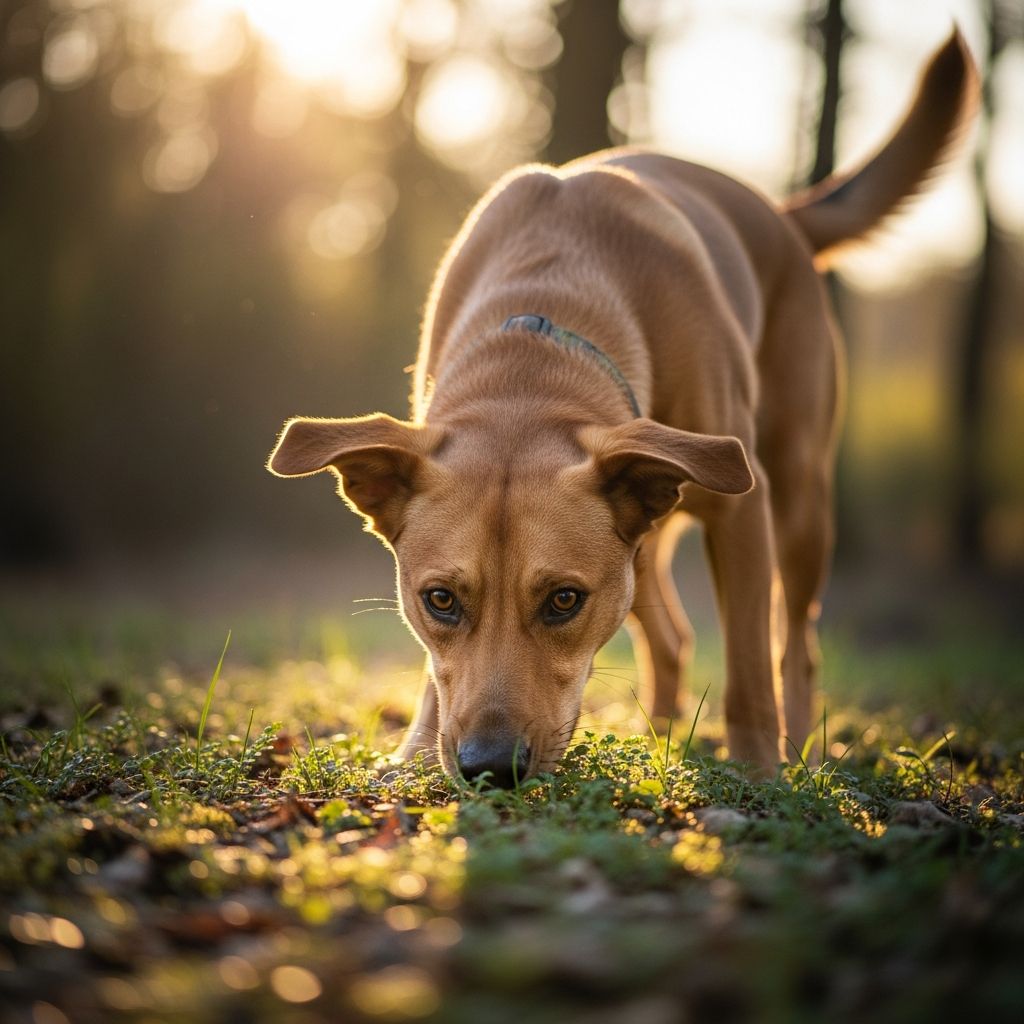
Dogs thrive on mental and physical challenges, yet many spend their days in monotonous routines that lead to frustration. Introducing sniffari walks—scent-focused outings—offers a simple yet powerful way to engage your dog’s powerful sense of smell, mimicking their ancestral hunting behaviors and providing profound enrichment.
Understanding Canine Boredom and Its Signs
Boredom in dogs manifests through subtle and overt behaviors. Excessive chewing on furniture, relentless barking at nothing in particular, or pacing restlessly signal a need for more stimulation. These actions stem from unmet needs for exploration and problem-solving, as dogs possess over 300 million olfactory receptors compared to humans’ mere 6 million.
- Destructive tendencies: Shredding pillows or digging holes indoors.
- Attention-seeking: Whining or pawing at doors constantly.
- Lethargy or hyperactivity: Either sleeping excessively or bouncing off walls.
Addressing these early prevents escalation into anxiety or aggression. Enrichment activities like sniffaris directly target these issues by activating the brain’s reward centers.
The Science Behind Scent Work for Dogs
A dog’s nose is their primary sense, processing scents 40 times more effectively than sight. Sniffari walks leverage this by allowing unstructured sniffing time, which releases dopamine and reduces stress hormones. Veterinary behaviorists note that 15-20 minutes of focused scenting equals an hour of regular walking in mental fatigue.
Research from animal welfare organizations highlights how scent enrichment improves welfare in kenneled dogs, decreasing cortisol levels significantly. For household pets, this translates to calmer, more content companions.
Planning Your First Sniffari Walk
Start with preparation to maximize enjoyment. Choose off-peak times in grassy areas rich in novel smells—parks, trails, or quiet neighborhoods. Equip with a long line (20-30 feet) for safety and freedom, plus high-value treats for encouragement.
- Select the spot: Avoid high-traffic zones; opt for natural environments.
- Harness up: Use a non-restrictive harness to allow free movement.
- Set the pace: Let your dog lead, pausing up to 5 minutes per intriguing scent.
Begin with 20-minute sessions, gradually extending as your dog builds stamina. Vary locations weekly to introduce new aromas, preventing habituation.
Enhancing Walks with Scent Games
Elevate basic sniffaris into interactive challenges. Scatter kibble along paths or hide treats in foliage, turning strolls into treasure quests. This combines physical exercise with cognitive work, ideal for high-energy breeds like Labs or Beagles.
| Game | Description | Benefits |
|---|---|---|
| Scatter Feeding | Sprinkle meals on grass; dog forages naturally. | Slows eating, boosts focus. |
| Scent Trail | Drag a treat-lined rope; dog tracks it. | Enhances nose work skills. |
| Object Hide | Conceal toys in bushes; cue “find it.” | Builds memory and confidence. |
Indoor Alternatives for Bad Weather
When outdoors isn’t feasible, replicate sniffaris inside. Create scent mazes with boxes stuffed with scented cloths or use snuffle mats—fabric puzzles embedded with treats. These keep dogs occupied for 30+ minutes, mimicking foraging.
- Snuffle mats: DIY with fleece strips and kibble.
- Room searches: Hide treats under rugs or in drawers.
- Bubble chases: Use pet-safe bubbles for visual-scent combo.
Obstacle courses from household items add physicality: tunnel under tables, weave chairs, jump cushions. Reward stations with puzzles sustain engagement.
Advanced Enrichment: Puzzle Toys and DIY Creations
Puzzle toys challenge problem-solving. Beginner levels slide compartments; advanced ones require multiple steps. Kongs stuffed with peanut butter or frozen broth provide long-lasting occupation.
DIY options stretch budgets:
- Muffin tin madness: Treats in tins, covered by balls.
- Bottle roller: Kibble in perforated bottles.
- Tennis ball treats: Slit balls filled with goodies.
Rotate toys bi-weekly to maintain novelty. Veterinary experts recommend food-based puzzles to extend mealtimes, aiding digestion.
Social and Training-Based Activities
Enroll in group classes for socialization. Agility, flyball, or freestyle dancing build skills and friendships. Daycare or playdates expose dogs to peers safely.
Teach tricks like “spin” or “roll over” daily—5 minutes yields big results. These foster bonds and provide purpose.
Outdoor Adventures Beyond Sniffaris
Expand horizons with hikes, swims, or dog parks. Fetch variations using launchers tire pups quickly. Digging zones with buried toys satisfy instinctive urges.
For urban dwellers, car rides to new spots or diner patios offer variety.
Tailoring Activities to Your Dog’s Needs
Breed, age, and energy levels dictate choices. Seniors prefer gentle sniffing; puppies need short bursts. Monitor for overexertion: heavy panting or refusal signals rest time.
| Breed Type | Ideal Activities |
|---|---|
| High-Energy (e.g., Border Collie) | Flyball, long sniffaris, agility. |
| Low-Energy (e.g., Bulldog) | Puzzles, short scent walks, chews. |
| Scent Hounds | Trail tracking, treasure hunts. |
Health Benefits of Regular Enrichment
Consistent activities reduce obesity, anxiety, and reactivity. Mentally stimulated dogs live longer, happier lives with stronger owner bonds. Track progress via behavior journals.
Frequently Asked Questions
What if my dog ignores scents on walks?
Patience is key. Use treats to lure initially, gradually fading them. Reward sniffing enthusiastically.
Are sniffaris safe for all dogs?
Yes, but supervise puppies and reactive dogs. Avoid toxic areas like pesticides.
How often should I do enrichment?
Daily: 15-30 minutes sniffing, plus one puzzle session. Adjust per energy.
Can enrichment help separation anxiety?
Absolutely. Independent puzzles build confidence during alone time.
What’s the best puzzle toy for beginners?
Snuffle mats or beginner Kongs—easy yet engaging.
References
- Canine DIY Enrichment — ASPCA. 2023-01-15. https://www.aspca.org/pet-care/dog-care/canine-diy-enrichment
- Boredom Busters for Dogs — Animal Humane Society. 2024-05-20. https://www.animalhumanesociety.org/resource/boredom-busters-dogs
- Dog Boredom Busters: What to Do When Your Dog Is Bored — Chewy Education (citing veterinary input). 2025-02-10. https://www.chewy.com/education/dog/general/dog-boredom-busters
- Indoor Enrichment Activities to Beat the Boredom this Winter — FamPetVet. 2024-11-05. https://www.fampetvet.com/services/dogs/blog/indoor-enrichment-activities-beat-boredom-winter
- Bored Dog? Try These 6 Enrichment Activities — Dove Mountain Vet. 2024-08-12. https://www.dovemountainvet.com/blog/bored-dog-try-these-6-enrichment-activities
Similar Articles








Read full bio of medha deb




