

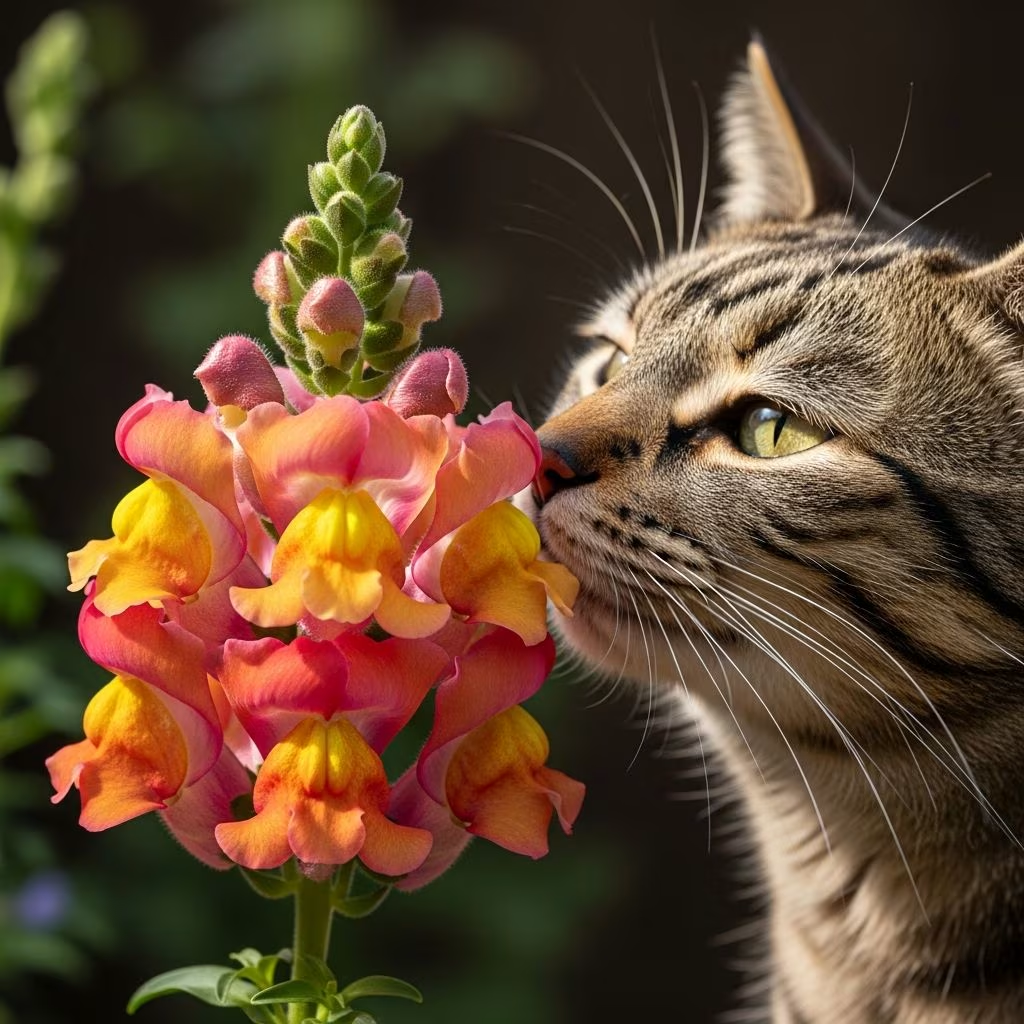
When cultivating gardens or decorating indoor spaces with flowering plants, cat owners face an important decision: which blooms are genuinely safe for their curious companions? Snapdragons represent one of the more pet-friendly options available to garden enthusiasts, yet misconceptions about their safety persist. This comprehensive exploration examines the relationship between snapdragons and feline health, providing evidence-based information to help you make informed choices about the plants surrounding your cat.
The Toxicity Status of Snapdragons for Felines
Snapdragons, scientifically known as Antirrhinum majus, belong to the Scrophulariaceae family and carry a clear designation: completely non-toxic to cats. This classification means that exposure to snapdragon plant material—whether through direct consumption, contact with pollen, or brushing against the flowers—presents no chemical poisoning risk to your feline household members. The ASPCA’s comprehensive plant database confirms this status without exception, making snapdragons a genuinely worry-free choice for multi-pet households.
The distinction between non-toxicity and complete safety warrants clarification. While snapdragons contain no harmful compounds, cats may still experience mild digestive upset if they consume large quantities due to the plant’s natural properties rather than toxic substances. This represents a mechanical or dietary issue rather than poisoning, an important distinction for pet owners to understand.
How Cats Typically Interact With Snapdragon Plants
Behavioral observation reveals that cats rarely demonstrate interest in snapdragons under normal circumstances. Unlike certain plants that attract feline attention through appealing scents or textures, snapdragons possess characteristics that discourage browsing. The plants feature a particularly bitter flavor profile that naturally repels most animals, including rabbits and deer. This built-in deterrent means that even cats with a documented history of plant nibbling typically leave snapdragons undisturbed in both outdoor gardens and indoor container displays.
When accidental consumption does occur—perhaps through a cat brushing against the plant and then grooming its fur—the outcome remains benign from a toxicity standpoint. The plant material simply passes through the digestive system without triggering poisoning responses, though large amounts might cause temporary gastrointestinal irritation similar to consuming any unusual food item.
Recognizing Potential Digestive Reactions
Although snapdragons themselves are non-toxic, cats may occasionally experience digestive symptoms following excessive plant consumption. Understanding these reactions helps distinguish between harmless upset and genuine poisoning:
- Vomiting or regurgitation of plant material
- Diarrhea or loose stools
- Reduced appetite or temporary disinterest in food
- Mild abdominal discomfort
- Increased thirst or urination patterns
These symptoms, while uncomfortable for your cat, resolve independently without veterinary intervention in most cases. However, persistent symptoms lasting more than a few hours warrant professional evaluation to rule out other medical conditions or complications.
Beyond the Plant: Hidden Hazards in Garden and Indoor Displays
The snapdragon plant itself presents no toxicity concern, yet the broader context of keeping cut flowers or planted displays introduces separate safety considerations that cat owners must address:
Commercial Flower Preservatives
Fresh flower arrangements typically arrive with commercial flower food packets containing sugar, citric acid, and small quantities of bleach to prevent bacterial growth. These additives can cause gastrointestinal upset in cats if consumed, representing a more genuine concern than the plant material itself. When keeping cut snapdragons in your home, ensure that cats cannot access the vase water or the flower food packets.
Physical Hazards Associated With Displays
Vases containing flowers pose mechanical risks that extend beyond chemical toxicity. A heavy vase knocked over by a playful or clumsy cat can cause injury from impact, breakage, or the cat becoming struck by falling water or glass. For households with particularly curious or energetic cats, eliminating vases entirely may represent the most practical safety approach.
Pesticides and Garden Chemicals
If snapdragons have been treated with chemical fertilizers or pesticides, these treatments create genuine toxicity risks that overshadow the plant’s natural safety profile. Any garden chemicals, regardless of the plant they’re applied to, require careful management in homes with pets. Physical barriers, fencing, or designated pet-free zones around treated plants provide necessary protection.
Comparative Safety: Snapdragons Among Other Garden Flowers
Snapdragons occupy a valuable niche in the landscape of pet-safe plants. While many beloved garden flowers carry significant toxicity risks—particularly lilies, which can trigger life-threatening reactions in cats even from small pollen quantities—snapdragons combine aesthetic appeal with genuine safety. Other flowers that share this non-toxic status include roses, orchids, gerbera daisies, and asters, allowing cat owners to create visually diverse gardens without sacrificing feline safety.
Creating a Cat-Safe Garden Strategy
For cat owners who want to enjoy diverse plantings while maintaining a safe environment, several strategic approaches work effectively:
- Designate snapdragons and other non-toxic species for visible garden areas where cats spend time
- Research each plant species individually before introduction, consulting ASPCA or veterinary resources
- Implement physical barriers for any plants you’re uncertain about, restricting cat access
- Avoid ornamental lilies entirely, as they present unacceptable risks even when alternative safe options exist
- Monitor applied treatments carefully, keeping pets away from recently fertilized or sprayed plants
- Observe your individual cat’s behavior, as some cats show more interest in vegetation than others
Indoor Plant Considerations for Apartment and House Cats
Indoor cat environments present unique management opportunities, as you control exactly which plants share your living space. The decision to keep snapdragons or other flowers indoors becomes straightforward: if the plant offers no toxicity risk and you can manage the non-toxic hazards like vases and flower water, there’s no inherent reason to exclude them. However, general best practices suggest discouraging cats from eating any plant material as a precautionary habit, even when that plant poses no actual danger. This discourages browsing behaviors that might transfer to a more dangerous plant during a visit elsewhere.
When to Contact Your Veterinarian
While snapdragon exposure rarely necessitates emergency care, certain situations warrant professional evaluation. Contact your veterinarian if your cat exhibits:
- Persistent vomiting beyond occasional incidents
- Diarrhea lasting more than a few hours
- Signs of lethargy or behavioral changes
- Loss of appetite extending beyond one meal cycle
- Any symptoms you cannot readily attribute to plant consumption
- Signs of distress or discomfort
For genuine poisoning emergencies involving toxic plants, the Pet Poison Hotline provides 24/7 veterinary guidance at (855) 764-7661, though snapdragon exposure would not typically require this resource.
Practical Plant Selection for Multi-Pet Households
Building a garden or indoor plant collection that accommodates cats requires only moderate effort once you understand which species are genuinely safe. Snapdragons serve as an excellent foundation plant for these collections, their bright colors and varied forms providing aesthetic interest without safety compromise. Combined with other documented non-toxic options like roses, daisies, and orchids, cat owners can create visually appealing spaces that don’t require constant vigilance or management.
The key distinction lies between plants that are simply non-toxic and plants that are also behaviorally uninteresting to cats. Snapdragons benefit from both properties: they present no chemical hazard, and cats naturally avoid them due to their bitter taste. This combination creates a genuinely low-maintenance safe choice for busy pet owners.
Understanding Your Cat’s Individual Temperament
Cats display considerable variation in their interest toward plants and gardening environments. While most cats ignore snapdragons, some individuals might show curiosity simply due to personality type or boredom. A cat confined indoors without enrichment toys or climbing spaces might browse plants more frequently than an outdoor-access cat with more environmental stimulation. Providing appropriate enrichment—scratching posts, climbing shelves, interactive toys, and window perches—naturally reduces problematic plant-chewing behaviors regardless of plant toxicity status.
Summary: Making Informed Decisions About Snapdragons and Cats
The question of snapdragon safety for cats resolves clearly through scientific documentation and veterinary consensus: snapdragons are absolutely safe, presenting no toxicity risk whatsoever. This designation frees cat owners from worry about direct plant toxicity while still requiring normal household safety judgment regarding vases, water, and applied chemicals. By understanding both what makes snapdragons genuinely safe and what peripheral hazards still require management, you can confidently incorporate these cheerful flowers into your cat-friendly home and garden.
References
- Are Snapdragons Poisonous? — Plant Addicts. Retrieved from https://plantaddicts.com/are-snapdragons-poisonous/
- Are snapdragons toxic to cats if they accidentally chew on them? — Dial A Vet. Retrieved from https://www.dialavet.com/vet-answers/post/cat-nibbling-snapdragons-toxic-48970
- Are Snapdragons Poisonous to Cats? Vet-Reviewed Safety Facts — Hepper. Retrieved from https://articles.hepper.com/are-snapdragons-poisonous-to-cats/
- Plants Safe for Cats and Dogs — HerbSpeak. Retrieved from https://herbspeak.com/plants-safe-for-cats-and-dogs/
- Garden Snapdragon – Toxic and Non-toxic Plants — ASPCA. Retrieved from https://www.aspca.org/pet-care/aspca-poison-control/toxic-and-non-toxic-plants/garden-snapdragon
- What Flowers and Plants Are Safe for Cats? — PetMD. Retrieved from https://www.petmd.com/cat/general-health/plants-safe-for-cats
- Common Snapdragon – Toxic and Non-toxic Plants — ASPCA. Retrieved from https://www.aspca.org/pet-care/aspca-poison-control/toxic-and-non-toxic-plants/common-snapdragon



