

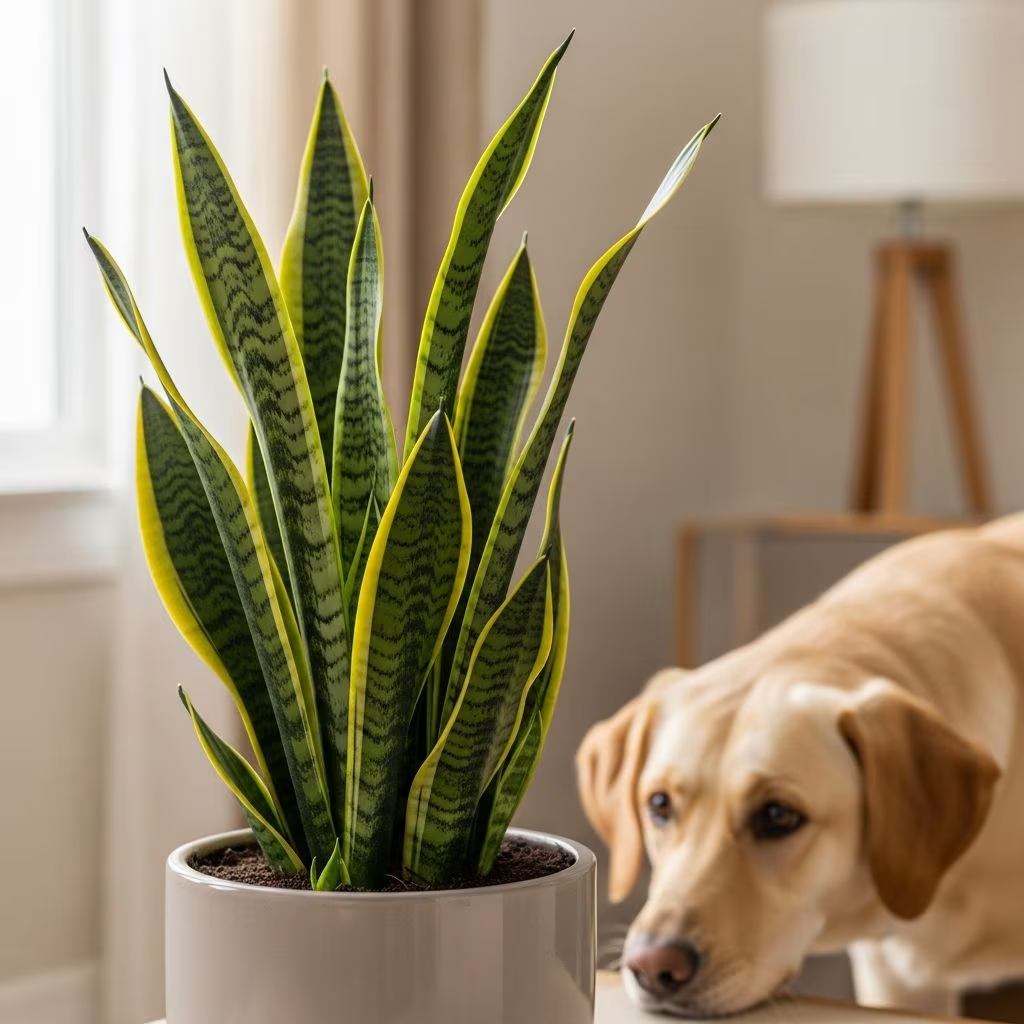
Snake plants, prized for their striking upright leaves and low-maintenance nature, can present health concerns for dogs. These popular houseplants contain saponins, natural compounds that irritate a dog’s digestive system upon ingestion, leading to mild but uncomfortable symptoms.
Understanding the Appeal and Hidden Dangers of Snake Plants
With their sword-like foliage in shades of green and yellow, snake plants thrive in various light conditions and purify indoor air by removing toxins like formaldehyde. Dog owners often place them in living rooms or bedrooms, unaware of the risks. The plant’s scientific name, Sansevieria trifasciata (now often Dracaena trifasciata), belongs to the Asparagaceae family, and all parts harbor saponins—soap-like chemicals that deter pests but harm pets.
Saponins work by binding to cell membranes in the gut, causing leakage and inflammation. For dogs, even small nibbles can trigger reactions because their systems process these compounds poorly compared to humans, who rarely suffer beyond mild stomach upset.
How Saponins Affect Canine Physiology
These glycosides foam when mixed with water, mimicking soap, which disrupts normal digestion. In dogs, saponins provoke an immune response, leading to mucosal irritation from mouth to intestines. Unlike highly lethal toxins like those in lilies, snake plant saponins cause **mild to moderate toxicity**, rarely escalating to life-threatening levels unless massive quantities are consumed.
| Factor | Impact on Dogs | Comparison to Humans |
|---|---|---|
| Toxicity Level | Mild-moderate | Minimal |
| Primary Target | Gastrointestinal tract | Same, but less sensitive |
| Lethal Potential | Very low | Negligible |
Dogs’ curiosity drives them to chew leaves, especially puppies or bored adults. The bitter taste usually deters further eating, limiting exposure.
Recognizing Signs of Snake Plant Ingestion in Dogs
Monitor for these common indicators if your dog chews a snake plant:
- Vomiting: Often the first sign, expelling plant material.
- Diarrhea: Loose, possibly foamy stools from saponin irritation.
- Excessive drooling: Due to mouth burning and nausea.
- Lethargy: Reduced energy from dehydration or discomfort.
- Loss of appetite: Refusal of food for hours or days.
- Rarely, hemolysis: Red blood cell damage in severe cases.
Symptoms appear within 30 minutes to a few hours. Small breeds or those with pre-existing conditions face higher risks of dehydration.
Is Death a Risk from Snake Plant Consumption?
Fatalities are exceedingly rare. No documented cases exist of dogs dying from typical ingestions, as the plant’s unpalatable nature prevents large intakes. Theoretical risks involve extreme overconsumption leading to profound dehydration or secondary infections, but veterinary intervention resolves most issues swiftly.
Immediate Response Protocol for Suspected Ingestion
Act quickly but calmly:
- Remove access: Confine the dog and relocate or discard the plant.
- Assess amount: Note chewed pieces; minor nibbles often self-resolve.
- Contact professionals: Call ASPCA Poison Control (888-426-4435) or your vet. Provide breed, weight, time of ingestion, and symptoms.
- Do not induce vomiting: Without vet guidance, as it risks aspiration.
- Hydrate: Offer water; bland diet (rice, boiled chicken) post-vomiting.
Vets may administer activated charcoal, anti-nausea meds, or IV fluids. Most recover within 24-48 hours.
Prevention Strategies for Pet-Safe Homes
Proactive measures minimize risks:
- Hang plants from ceilings or place on high shelves.
- Use pet gates to block access.
- Train ‘leave it’ commands with positive reinforcement.
- Opt for bitter sprays on accessible leaves.
- Supervise puppies during teething phases.
Outdoor snake plants demand fenced yards if dogs roam free.
Pet-Friendly Alternatives to Snake Plants
Choose these non-toxic, resilient options:
| Plant Name | Key Features | ASPCA Status |
|---|---|---|
| Spider Plant | Cascading leaves, air-purifying | Non-toxic |
| Parlor Palm | Tall, tropical vibe | Non-toxic |
| Boston Fern | Lush, humidity-loving | Non-toxic |
| Calathea | Colorful patterns | Non-toxic |
| Prayer Plant | Folds leaves at night | Non-toxic |
These mimic snake plants’ aesthetics without saponin risks.
Varietal Differences in Toxicity Levels
All snake plant cultivars—such as ‘Laurentii’ with yellow edges or dwarf ‘Hahnii’—contain saponins uniformly. No truly safe varieties exist for dogs; toxicity remains consistent across Sansevieria and related Dracaena types.
Long-Term Health Implications
Repeated small exposures could sensitize a dog’s gut, worsening reactions over time. Chronic chewing signals boredom or nutritional gaps—address with toys, exercise, or diet review. Always consult vets for persistent issues.
FAQs: Snake Plants and Canine Safety
Are snake plants fatal to dogs?
No, they cause mild symptoms like vomiting, not death in standard cases.
What if my dog ate a little snake plant?
Watch for symptoms; contact a vet if they persist beyond a few hours.
Can puppies handle snake plants better?
No, smaller size amplifies effects; extra vigilance needed.
Are there outdoor-safe snake plants for dogs?
Not recommended if dogs access them; elevate or replace.
How do I make my home fully pet-proof?
Combine elevation, training, and non-toxic plants.
Broader Context of Indoor Plants and Pets
Over 700 houseplants pose risks; ASPCA lists help. Educating owners fosters safer environments. Research before buying ensures harmony between greenery and pets.
References
- Toxic and Non-toxic Plants: Snake Plant — ASPCA. 2023. https://www.aspca.org/pet-care/aspca-poison-control/toxic-and-non-toxic-plants/snake-plant
- Houseplants and Ornamentals Toxic to Animals — Merck Veterinary Manual. 2024-01-15. https://www.merckvetmanual.com/toxicology/poisonous-plants/houseplants-and-ornamentals-toxic-to-animals
- Toxicity of House Plants to Pet Animals — PMC / National Library of Medicine. 2023-05-15. https://pmc.ncbi.nlm.nih.gov/articles/PMC10220692/
- Sansevieria Are Toxic To Pets — Pet Poison Helpline. 2024. https://www.petpoisonhelpline.com/poison/sansevieria/
- Snake Plant Poisoning in Dogs — WagWalking. 2023-11-20. https://wagwalking.com/condition/snake-plant-poisoning



