

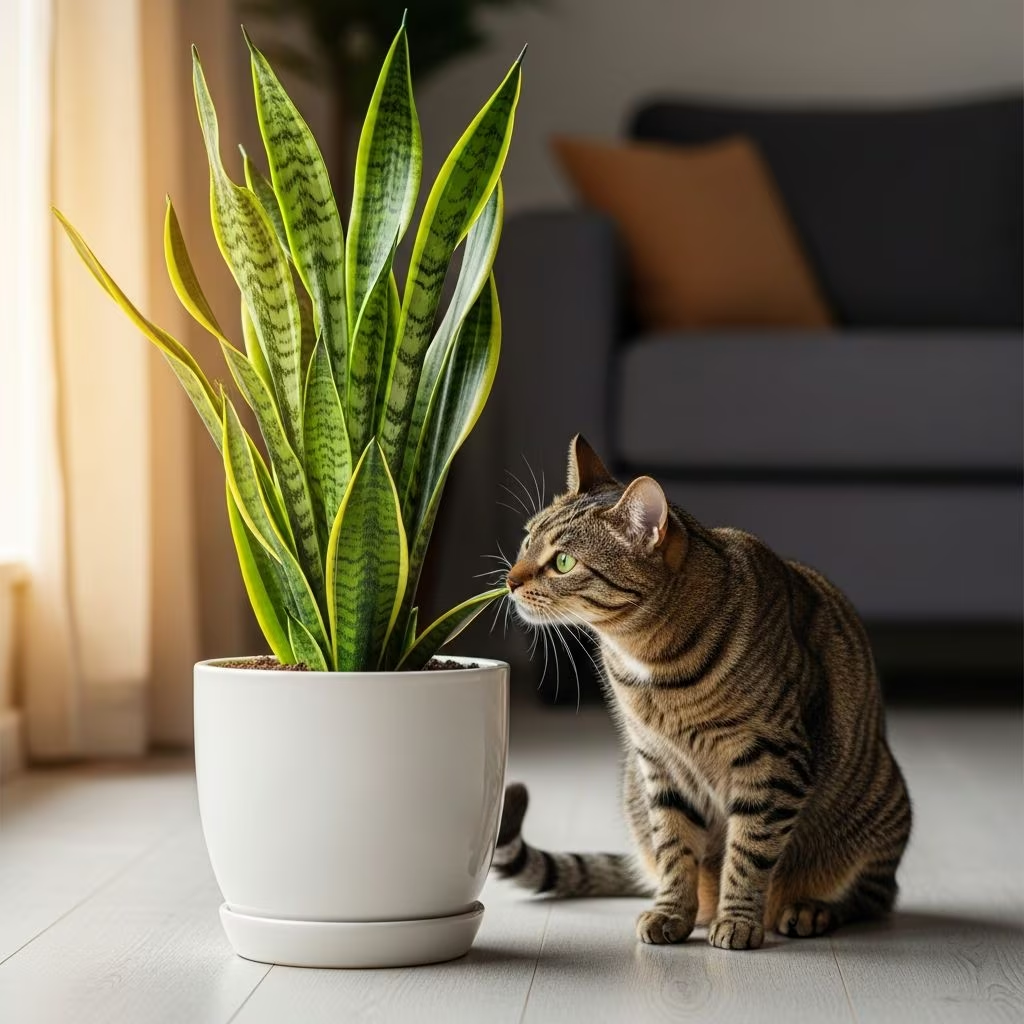
Snake plants have become increasingly popular as indoor houseplants due to their aesthetic appeal, low maintenance requirements, and air-purifying qualities. With their distinctive long, pointed leaves and striking variegated patterns, they add visual interest to any living space. However, for cat owners, these beloved plants present a significant concern. The presence of toxic compounds within snake plants creates a potential health hazard for feline companions, making it essential for pet owners to understand the risks and take appropriate precautions.
Understanding the Toxic Components in Snake Plants
Snake plants, scientifically known as Sansevieria trifasciata and related Dracaena species, contain a naturally occurring chemical compound called saponins. These compounds develop within the plant as a protective mechanism against external threats. Saponins function as natural defense agents that shield the plant from harmful microorganisms, invasive fungi, and destructive insects that might otherwise compromise the plant’s survival in natural environments.
The molecular structure of saponins gives them unique properties that allow interaction with lipid molecules, which are fundamental components of cell membranes throughout animal bodies. This interaction capacity becomes problematic when ingested by cats, as these compounds can trigger inflammatory responses and cellular irritation within the digestive system. Understanding this chemical basis helps explain why cats experience adverse reactions despite the plant’s harmless nature to humans and many other organisms.
Interestingly, the toxicity level of saponins varies depending on the concentration and the individual cat’s sensitivity. Not all cats will experience the same severity of symptoms, and some may show no signs of illness despite ingestion. This variation underscores the importance of prevention rather than relying on individual tolerance levels.
How Cats Interact with Snake Plants
Cats are naturally curious creatures with instinctive drives to investigate their environment through tactile exploration and taste. The long, grass-like leaves of snake plants can trigger a cat’s hunting and play instincts, making these plants particularly attractive to feline companions. The leaf structure resembles the movements of small prey, encouraging cats to pounce, bat, and chew on the foliage.
Additionally, younger cats and kittens exhibit stronger exploratory behaviors than mature felines, making them at higher risk of plant ingestion. Boredom and lack of environmental enrichment can also increase the likelihood that a cat will engage with household plants as a form of entertainment or stimulation. Indoor cats without access to outdoor vegetation may be especially prone to chewing on available indoor plants.
Recognizing Poisoning Symptoms in Your Feline Friend
If your cat has ingested part of a snake plant, symptoms may develop within hours or gradually over time. The severity of symptoms depends on the quantity of plant material consumed and your individual cat’s sensitivity to saponins. Being familiar with the warning signs enables you to seek veterinary assistance promptly.
Common symptoms of snake plant poisoning in cats include:
- Nausea and general malaise
- Vomiting, potentially multiple episodes
- Diarrhea or loose stools
- Loss of appetite or refusal to eat
- Excessive drooling or hypersalivation
- Pawing at the mouth or throat area
- Swelling of the mouth, throat, or tongue
- Dilated pupils
- Lethargy and decreased activity levels
- Pale coloration of the gums
- Abdominal discomfort or pain
- Depression or withdrawn behavior
The onset and intensity of these symptoms can vary considerably. Mild poisoning might result in minor gastrointestinal upset, while more significant ingestion could produce more pronounced symptoms. Importantly, symptoms may persist for one to two days, and cats should receive veterinary evaluation if signs continue beyond this timeframe.
Assessing the Severity and Fatality Risk
A critical question for concerned pet owners is whether snake plant toxicity can prove fatal. The good news is that snake plants are not typically fatal to cats. The toxicity level is classified as mild to moderate, meaning that ingestion typically causes discomfort and temporary illness rather than life-threatening conditions. The mild nature of saponin toxicity means that most cats recover fully with appropriate veterinary care and supportive treatment.
However, this does not mean the situation should be taken lightly. Even non-fatal poisoning causes significant distress to your cat and requires professional medical attention. The amount ingested, the cat’s age, overall health status, and any pre-existing medical conditions all influence the severity of the reaction. Kittens, elderly cats, and those with compromised immune systems may experience more pronounced symptoms than healthy adult cats.
Immediate Actions If Ingestion Occurs
If you suspect or witness your cat consuming snake plant material, take action immediately to minimize harm:
- Remove your cat from the area to prevent further ingestion of plant material
- Identify the specific plant if possible, noting the plant variety and approximate amount consumed
- Contact your veterinarian or local Animal Poison Control Center immediately rather than waiting to see if symptoms develop
- Provide detailed information about the ingestion, including timing, quantity, and any symptoms already observed
- Follow professional guidance precisely, including any recommended treatments or observation protocols
Do not attempt to induce vomiting or administer home remedies without explicit veterinary instruction. Professional veterinarians can determine the appropriate course of action based on your cat’s specific situation and may recommend activated charcoal, fluid therapy, or other supportive care measures.
Treatment Options and Veterinary Care
When you bring your cat to a veterinarian following suspected snake plant ingestion, the veterinary team will conduct a thorough physical examination and gather information about the exposure. Depending on the severity of symptoms and amount ingested, treatment may include:
| Treatment Method | Purpose | When Used |
|---|---|---|
| Decontamination | Removes toxic material from the system | Early after ingestion |
| Activated Charcoal | Absorbs toxins in the digestive tract | Soon after exposure |
| Fluid Therapy | Supports hydration and kidney function | If vomiting or diarrhea occurs |
| Supportive Care | Manages symptoms and promotes recovery | Throughout treatment period |
| Monitoring | Tracks recovery and detects complications | Ongoing until full recovery |
Most cats recover completely with appropriate veterinary intervention. Recovery time typically ranges from several hours to a few days, depending on the severity of the poisoning. Your veterinarian will provide specific discharge instructions regarding feeding, activity restrictions, and follow-up care to ensure complete recovery.
Prevention Strategies for Cat Owners
The most effective approach to protecting your cat is preventing exposure to snake plants altogether. Several strategies can help maintain a pet-safe home environment:
- Avoid purchasing snake plants if you have cats, especially curious young cats or those with a history of chewing plants
- Place plants out of reach on high shelves, hanging baskets, or closed rooms if you prefer to keep them
- Use physical barriers such as plant stands with protective enclosures or glass cabinets
- Provide alternative enrichment including cat grass, catnip toys, and climbing structures to redirect chewing instincts
- Supervise plant access closely and discourage any plant interaction immediately
- Consider outdoor garden access if feasible, allowing cats to satisfy plant-chewing urges safely
- Choose cat-safe plants exclusively for households with feline companions
Safe Plant Alternatives for Cat-Friendly Homes
The good news for plant-loving cat owners is that numerous non-toxic plant options exist. These plants provide similar aesthetic benefits without posing health risks to feline companions. Safe alternatives include spider plants, areca palms, Boston ferns, parlor palms, and bamboo palms. These species thrive indoors with appropriate care and offer visual interest without the danger associated with toxic houseplants.
When selecting new plants, always verify their safety status with reputable sources like the ASPCA’s comprehensive plant toxicity database. Creating a beautiful indoor garden and maintaining feline safety can coexist successfully with thoughtful plant selection.
Understanding Saponins Across Different Snake Plant Varieties
All Sansevieria and Dracaena species contain saponins, making every variety of snake plant potentially hazardous to cats. Whether you encounter the common green variety, variegated golden edge cultivars, or dwarf compact versions, the toxicity concern remains consistent. This universal toxicity across varieties means that no specific snake plant type is safer than others for households with cats.
Frequently Asked Questions
Are snake plants toxic to both indoor and outdoor cats?
Yes, snake plant toxicity affects all cats regardless of whether they live exclusively indoors or have outdoor access. If you have outdoor cats, avoid planting snake plants in accessible garden areas, patios, or porches where your cat might encounter them during their outdoor time.
How much snake plant material would make a cat seriously ill?
The amount required to cause severe symptoms varies based on individual cat factors and saponin concentration. Even small amounts can cause gastrointestinal distress in sensitive cats. There is no safe threshold, so any ingestion warrants veterinary consultation.
Can humans safely handle and care for snake plants?
Yes, saponins are not harmful to humans. You can safely care for, touch, and handle snake plants without concern for your own health. The toxicity is specific to cats and some other animals when the plant material is ingested.
Should I remove all snake plants from my home immediately?
If you have cats or are planning to acquire cats, removing snake plants eliminates the risk entirely. If you value the plants, safe storage in a completely cat-free room with a secure door can work, though removal is the safest option.
What is the difference between saponin toxicity and other plant toxins?
Saponins function through cell membrane interaction, whereas some plant toxins like oxalates cause immediate tissue damage. Snake plant poisoning typically produces gastrointestinal symptoms rather than acute severe reactions, though both require veterinary attention.
Can homeopathic or natural remedies treat snake plant poisoning?
No, home remedies cannot effectively treat saponin poisoning. Professional veterinary care is essential for proper diagnosis and treatment. Attempting home treatment delays proper care and may allow the cat’s condition to worsen.
Moving Forward with Informed Decisions
Snake plant toxicity represents a genuine but manageable concern for cat owners. Understanding the presence of saponins, recognizing poisoning symptoms, and taking preventive measures allows you to create a safe environment for your feline companion while still enjoying indoor plants. By choosing cat-safe alternatives and implementing protective strategies, you need not sacrifice either your love of houseplants or your cat’s wellbeing. Prioritizing prevention through informed plant selection represents the most effective approach to ensuring your cat’s health and safety while maintaining an attractive, plant-filled home.
References
- Snake Plants Toxicity to Cats, Dogs and Safe Alternatives — Lively Root. 2024. https://www.livelyroot.com/blogs/plant-care/snake-plants-toxicity-to-pets
- Understanding the Toxicity of Snake Plants to Cats: A Comprehensive Guide — Flowerri.com. 2024. https://flowerri.com/blogs/houseplant/understanding-the-toxicity-of-snake-plants-to-cats-a-comprehensive-guide
- Houseplants and Ornamentals Toxic to Animals — Merck Veterinary Manual. 2024. https://www.merckvetmanual.com/toxicology/poisonous-plants/houseplants-and-ornamentals-toxic-to-animals
- Sansevieria Are Toxic To Pets — Pet Poison Helpline. 2024. https://www.petpoisonhelpline.com/poison/sansevieria/
- Toxic and Non-Toxic Plant List — Cats — ASPCA. 2024. https://www.aspca.org/pet-care/animal-poison-control/cats-plant-list



