

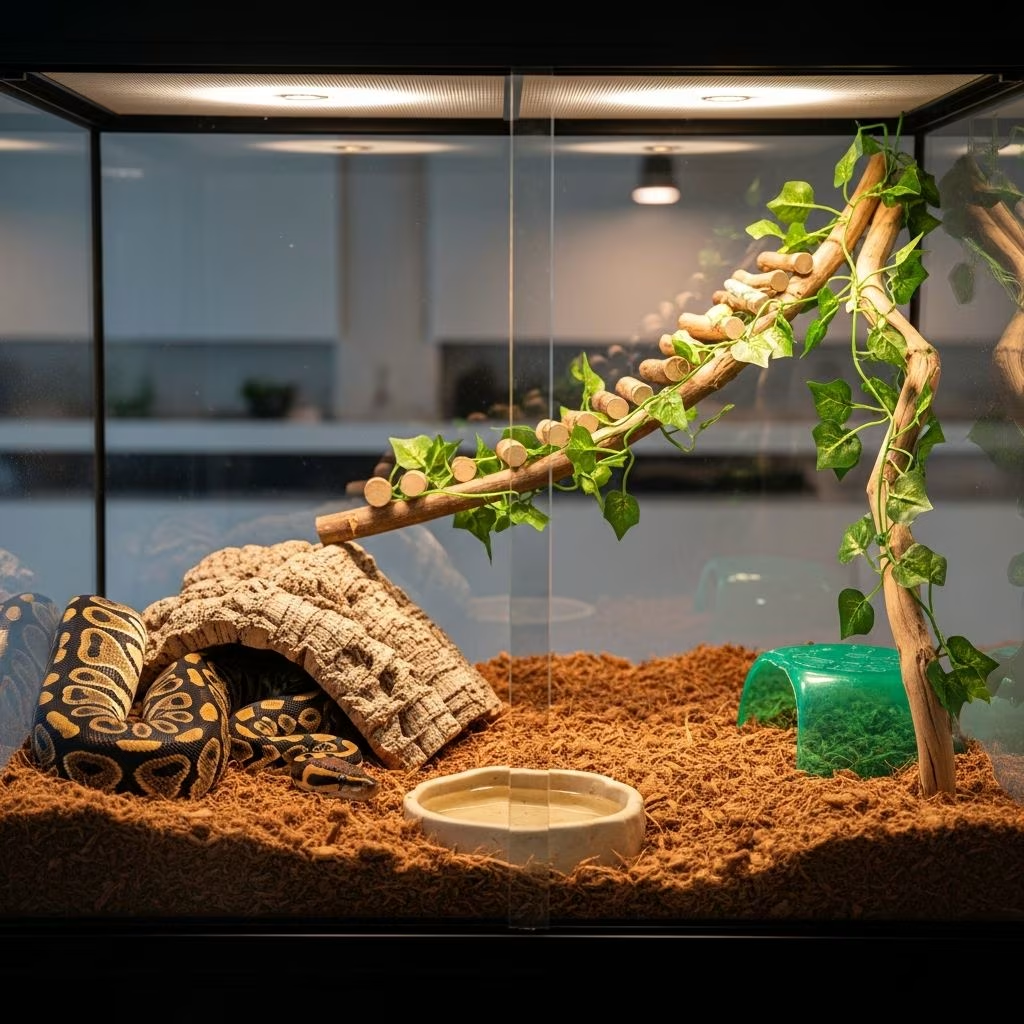
Snake Housing: How To Set Up a Snake Enclosure
When planning to bring a snake home, creating a secure and comfortable enclosure is your first critical step. A well-designed snake habitat is fundamental to your pet’s health, happiness, and longevity. In general, snake housing includes substrate, decor, water, heating, and lighting—all essential components that work together to meet your snake’s biological and psychological needs.
However, it’s important to recognize that each species of snake has different requirements. Some snakes thrive in arid desert environments, while others require high humidity. Some species love to climb, while others prefer to burrow. Before setting up your enclosure, research your specific snake species and discuss requirements with your veterinarian to ensure you’re meeting all their needs.
Snake Housing Supply Checklist
Before bringing your snake home, gather all the essential supplies needed to create a proper habitat. Having everything ready ensures a smooth transition for your new pet and helps prevent gaps in their care.
Your supply checklist should include:
- A secure, appropriately-sized enclosure (glass or plastic)
- Substrate or bedding material suited to your species
- Water dish or bowl for drinking and soaking
- Hiding places, caves, or shelter boxes
- Climbing structures, branches, or cork wood
- Heat lamp, heat pad, or ceramic emitter
- Thermometer and thermostat for temperature monitoring
- Hygrometer for humidity tracking
- UVB lighting and fixtures
- Decor items like plants, rocks, and leaf litter
Enclosure Design and Selection
Your snake’s enclosure is the foundation of their entire living environment. It serves as their primary refuge, feeding area, and space for natural behaviors like climbing, burrowing, and thermoregulation.
Size and Space Requirements
The enclosure should be spacious enough for your snake to feel comfortable and secure. Larger enclosures generally provide better opportunities for enrichment and natural behavior expression. The specific size depends on your snake species—juvenile corn snakes, for example, need at least a 10-gallon habitat, while adults require 30–40 gallons or larger. Ball pythons and other larger species may need even more space to accommodate their body length and climbing needs.
Ventilation and Design Features
Proper ventilation is absolutely crucial for your snake’s respiratory health. Without adequate airflow, the air inside the enclosure can become stagnant, significantly increasing the risk of respiratory infections and other health problems. Ensure your enclosure has appropriate ventilation holes or screen panels to promote healthy air circulation.
Additionally, snakes are known escape artists and can figure out how to manipulate enclosure doors and lids. Your enclosure must have a secure, locking mechanism and be entirely escape-proof. A screened lid that locks securely is essential to prevent your snake from escaping and to keep other pets and small children away from your snake.
Bedding and Substrate Selection
Bedding, also called substrate, lines the bottom of your enclosure to create comfort and mimic your snake’s natural habitat. Substrate selection is critical because some materials are safe while others pose serious health hazards to your pet.
The best substrate depends on your specific snake species and their natural environment. Research what kind of environment your snake naturally lives in, as this should guide your substrate choice. Species that naturally inhabit desert environments require different substrates than those from tropical rainforests.
Desert Habitat Substrates
For snakes that prefer burrows in desert environments, suitable options include:
- Desert sand
- Soil and sand mixture
- Aspen wood shavings
Tropical and Humid Environment Substrates
For species requiring higher humidity and moisture-retention, consider:
- Coconut husk
- Cypress mulch
- Paper-based bedding
- Reptile carpet
Important caution: Always avoid pine and cedar bedding, as the natural oils in these woods may irritate your snake’s skin and cause respiratory issues.
Replace substrate weekly to prevent soiled or wet bedding accumulation, which can lead to bacterial growth and health problems.
Decor and Enrichment
Reptile cage decor serves multiple important purposes—it makes your snake feel right at home by mirroring what they would find in the wild, provides essential enrichment through hiding places and climbing opportunities, and supports natural behaviors like basking and thermoregulation.
Species-Specific Decor Considerations
Just like with substrate, decor should be chosen based on your snake’s species and natural behaviors. If you have a species that likes to climb, provide plenty of sturdy, elevated climbing structures. Shy species may need even more cover and hiding spots to feel secure in their enclosure.
Safe Decor Options
You can recreate your snake’s natural habitat with items like:
- Live or artificial plants
- Cork wood
- Smooth rocks and stones
- Branches and climbing vines
- Leaf litter
- Caves and hideaway boxes
- Moist sphagnum moss
Safety Considerations for Decor
Before adding any decor to your reptile terrarium, confirm that it’s completely safe for your snake. Ensure that there aren’t any sharp edges that could hurt your snake during normal movement or shedding. Any new decor should be thoroughly disinfected prior to introduction into your snake’s enclosure. Baking or boiling may be necessary to safely disinfect pieces of wood and other materials.
Water Sources and Hydration
Your snake should have easy access to fresh, clean water at all times. Providing proper hydration opportunities is essential for your snake’s overall health and digestion.
Water Dish Requirements
Provide a water dish or bowl that’s specifically designed for snakes. The bowl should be large enough that your snake can actually soak in it, as many snakes enjoy soaking to help with hydration and shedding. The bowl should also be easy for your snake to slither in and out of without difficulty or risk of getting stuck.
Humidity Management
When managing humidity levels, avoid allowing your substrate to become waterlogged in an attempt to raise humidity, as this can cause molding and potentially lead to scale rot—a serious skin condition.
Instead, create a humidity hide—a special refuge filled with damp (not sopping wet) moss or substrate. This allows your snake to enter this microclimate at will when they need higher humidity for shedding or comfort. Position this hide on the warm side of the enclosure.
Heating and Temperature Regulation
Proper temperature control is absolutely vital to your snake’s health. Snakes are ectothermic animals, meaning they rely on their environment to regulate their body temperature. Without appropriate heating, your snake cannot properly digest food, maintain immune function, or exhibit normal behaviors.
Heat Sources
Safe and consistent heat sources include:
- Overhead heat bulbs or lamps
- Under-tank heat mats with thermostats
- Ceramic heat emitters
Avoid using heat rocks, as they can cause serious burns to your snake’s skin and belly, potentially causing permanent damage.
Temperature Gradients
Create a temperature gradient in your enclosure by positioning heat sources on one side, creating a warm side and a cooler side. This allows your snake to thermoregulate by moving between areas based on their current temperature needs. Position branches or rocks at varying heights below over-the-tank heating elements to provide basking spots at appropriate temperatures.
Lighting and UVB Requirements
While snakes don’t require light in the same way humans do, appropriate lighting helps create a natural day-night cycle that supports healthy behavior patterns and circadian rhythms.
UVB Lighting Considerations
The role of UVB lighting in snake care is an area of ongoing discussion among herpetologists. While not all snake species require UVB light, providing it can offer health benefits and support natural behaviors. Research your specific species’ requirements, as some snakes naturally live in areas with significant sunlight exposure, while others are primarily nocturnal or live in dim forest environments.
Humidity and Temperature Monitoring
Maintaining proper environmental conditions requires constant monitoring. Use a thermometer to track temperature throughout the enclosure, paying attention to both the warm and cool side temperatures. Use a hygrometer to keep an eye on humidity levels to ensure they match your species’ requirements.
Regular monitoring allows you to make adjustments as needed and catch potential problems before they affect your snake’s health. Record these readings regularly to identify patterns and ensure consistency.
Enclosure Placement and Location
Where you place your snake’s enclosure in your home is also important. Keep snakes in a quiet area of your home, away from:
- Drafts and temperature fluctuations
- Small children who might tap on the glass or attempt to handle the snake
- Other pets that might stress the snake
- Other reptiles that could spread illness
A quiet, stable environment helps your snake feel secure and reduces stress-related health issues.
Setting Up and Introducing Your Snake
Once your snake enclosure is completely set up with all their needs met, it’s time to introduce your snake to their new home. Allow them to explore their environment and settle in at their own pace. Don’t attempt to handle or interact extensively with your snake for several days, as they need time to acclimate to their new surroundings.
With all of their environmental needs properly met, your snake will be able to establish normal behaviors and settle comfortably into their new habitat.
Frequently Asked Questions
Q: How often should I clean my snake’s enclosure?
A: Spot-clean your enclosure daily by removing uneaten food, feces, and soiled bedding. Replace the substrate weekly to prevent bacterial growth and maintain hygiene. Do a complete enclosure cleaning and disinfection monthly.
Q: What size enclosure does my snake need?
A: Size requirements vary by species. Juvenile snakes typically need smaller enclosures (10–20 gallons), while adults need larger spaces (30–75+ gallons). Larger is generally better as it allows for more enrichment and natural behaviors.
Q: Can I use sand as substrate for all snake species?
A: No, sand is only appropriate for snakes from desert environments. Other species require moisture-retaining substrates like coconut husk or cypress mulch. Always research your specific species’ natural habitat.
Q: How do I know if my snake’s enclosure is the right temperature?
A: Use thermometers on both the warm and cool sides of the enclosure. Most snakes prefer a warm side of 85–90°F and a cool side of 75–80°F, but verify your specific species’ requirements.
Q: Why is ventilation so important for snakes?
A: Proper ventilation prevents stagnant air from accumulating inside the enclosure, which significantly reduces the risk of respiratory infections and other health problems.
Q: Should I use a heat rock for my snake?
A: No, heat rocks should be avoided as they can cause serious burns to your snake’s belly and skin. Use overhead heat lamps, under-tank heat pads with thermostats, or ceramic heat emitters instead.
Q: How can I help my snake shed properly?
A: Maintain appropriate humidity levels using humidity hides filled with damp moss, provide a large water bowl for soaking, and ensure proper temperature gradients. Keep the enclosure clean to prevent scale rot.
References
- Snake Housing: How To Set Up a Snake Enclosure — Chewy. 2024. https://www.chewy.com/education/reptile-and-amphibian/snake/snake-housing
- Corn Snake Care Sheet — Chewy. 2024. https://www.chewy.com/education/reptile-and-amphibian/snake/corn-snake-care-sheet
- Ball Python Care Sheet — Chewy. 2024. https://www.chewy.com/education/reptile-and-amphibian/snake/ball-python



