Snake Bites in Pets: Risks and Care
Learn essential facts about snake bites in dogs and cats, from spotting dangers to life-saving treatments for pet owners.
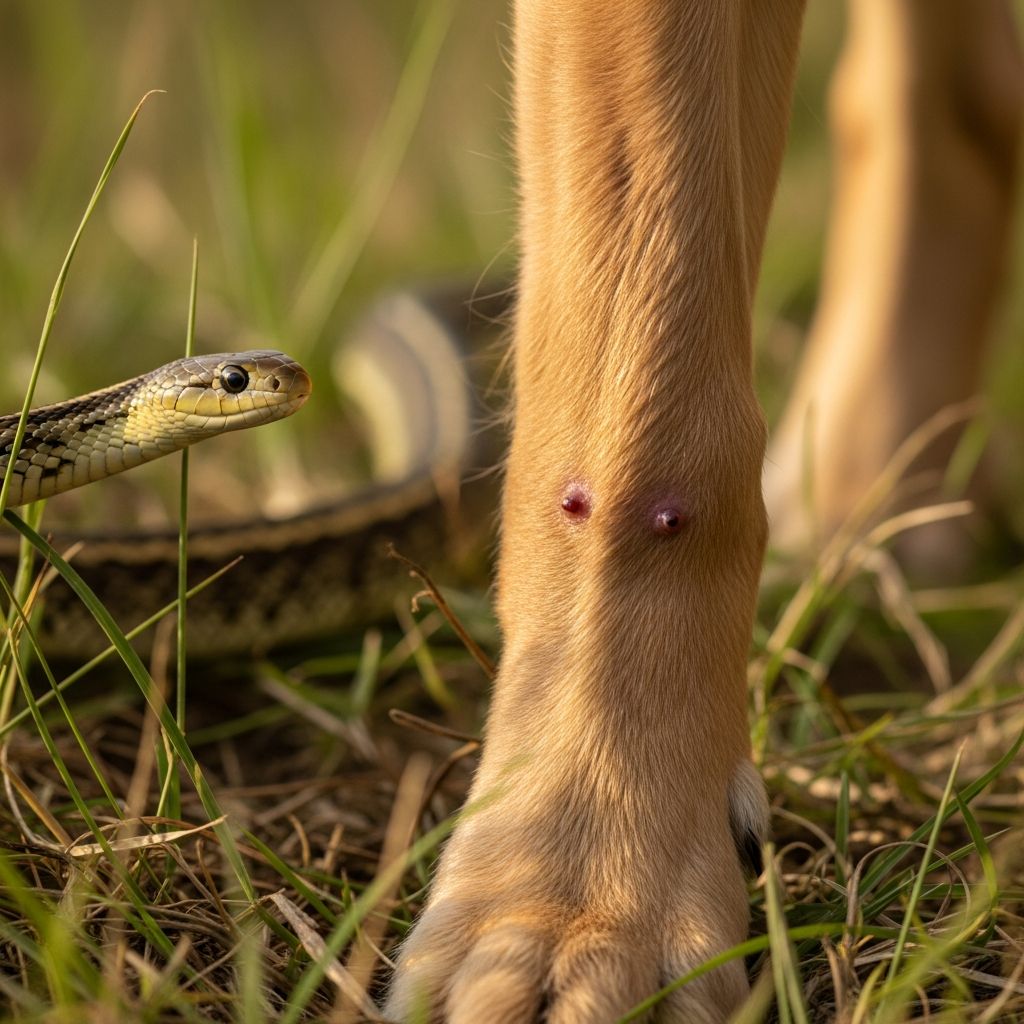
Venomous snake bites pose a serious threat to dogs and cats, particularly in regions with high snake populations. Quick recognition of symptoms and prompt veterinary intervention can dramatically improve survival rates, often exceeding 75-91% with proper treatment.
Understanding the Danger of Venomous Encounters
Snakes such as pit vipers, rattlesnakes, copperheads, and elapids like coral snakes deliver venom that disrupts blood clotting, damages tissues, and impairs organ function. Dogs are more prone to bites due to their curious nature, while cats may suffer severe localized effects like limb paralysis from certain species.
Envenomation occurs when venom enters the bloodstream, leading to systemic effects. Factors like snake species, bite location, pet size, and time to treatment influence severity. Puncture wounds from non-venomous snakes require basic wound care, but venomous cases demand intensive management.
Common Venomous Snakes and Their Impacts
| Snake Type | Region | Key Effects on Pets |
|---|---|---|
| Pit Vipers (Rattlesnakes, Copperheads) | North America | Tissue damage, swelling, coagulopathy |
| Elapids (Coral Snakes) | USA Southeast | Respiratory paralysis |
| Brown/Tiger Snakes | Australia | Coagulopathy, nephrotoxicity |
These snakes target the face, legs, or torso during encounters. Brown snake bites often require double antivenom doses due to potent coagulopathic effects.
Recognizing Symptoms in Dogs and Cats
- Immediate signs: Puncture marks, rapid swelling, pain, drooling.
- Progressive effects: Weakness, vomiting, bleeding from gums, collapse.
- Severe indicators: Respiratory distress, paralysis, seizures, dark urine.
Symptoms can escalate within minutes, especially in cats with whip snake bites causing limb immobility. Monitor for shock signs like pale gums or rapid breathing.
Immediate Actions for Pet Owners
Act swiftly without common mistakes. Carry your pet to the vet calmly to slow venom spread—do not run.
Critical Do’s
- Remove collars or harnesses to prevent circulation issues from swelling.
- Rush to an emergency vet without delay.
- Note bite time and symptoms for the vet.
Dangerous Don’ts
- Avoid tourniquets, ice, or cutting the wound—these worsen outcomes.
- Skip over-the-counter meds or home remedies.
- Do not wait for symptoms to confirm.
Veterinary Diagnosis Methods
Vets use snake venom detection tests, blood work for clotting factors, and imaging to assess damage. Continuous monitoring tracks kidney function and coagulopathy.
- IV catheter placement for fluids and meds.
- Prepare intubation for paralysis risks.
Core Treatment Strategies
Treatment prioritizes stabilization, venom neutralization, and complication prevention. IV crystalloids combat shock, while pain relief uses non-NSAID options.
Antivenom: The Key Neutralizer
Administer antivenom diluted 1:1 over 20 minutes; most effective within 6 hours but beneficial up to 24+ hours. Veterinary-specific products like VenomVet cover pit vipers without species ID needed. Brown snake cases may need two vials.
Monitor for anaphylaxis: Stop infusion, give epinephrine (0.5–1 mL 1:1,000 SC).
Supportive Care Essentials
- IV fluids to protect kidneys.
- Blood/plasma transfusions for clotting issues.
- Physiotherapy for paralysis.
- Antibiotics if infection suspected.
Hospitalization with 24/7 monitoring is standard, especially for intensive care units handling venom recovery.
Special Considerations by Species
Dogs
Dogs often face facial bites leading to drooling and breathing issues. Survival without treatment drops to 33%, emphasizing antivenom urgency.
Cats
Cats show rapid paralysis, particularly from whip snakes lacking antivenom. Supportive care focuses on pain and mobility.
Preventive Measures for Safety
- Supervise outdoor time in snake habitats.
- Clear yard debris to reduce hiding spots.
- Train dogs to avoid wildlife.
- Consider rattlesnake vaccines for high-risk dogs, though not fully proven.
Avoid snake-prone areas during peak activity like dawn/dusk.
Recovery and Long-Term Outlook
With treatment, most pets recover fully, though necrosis may require surgery. Prognosis improves with early care; delayed tiger snake treatment raises dog mortality.
Follow-up includes wound checks and blood tests. Alkaline urine aids kidney protection.
Frequently Asked Questions
Can snake bites be fatal without antivenom?
Survival without treatment is 33% for dogs and 66% for cats, highlighting antivenom’s role.
How soon after a bite should I seek help?
Immediately—every minute counts to halt venom spread.
Is there a vaccine for snake bites?
Rattlesnake toxoid exists for dogs but requires vet care post-bite.
What if I can’t identify the snake?
Treatment proceeds without ID for broad-spectrum antivenoms.
Do all bites require hospitalization?
Venomous cases yes, for monitoring dynamic venom effects.
Pet owners in snake regions must stay vigilant. Education on symptoms and response saves lives.
References
- Snake Bite Treatment (For Dogs And Cats) — Animal Emergency Service. 2023. https://animalemergencyservice.com.au/blog/snake-bite-treatment-for-dogs-and-cats/
- Snakebites in Animals – Toxicology — Merck Veterinary Manual. 2024-10-15. https://www.merckvetmanual.com/toxicology/snakebite/snakebites-in-animals
- Treatment of Snake Envenomation in Dogs and Cats — Animal Emergency Australia. 2023. https://animalemergencyaustralia.com.au/blog/treatment-of-snake-envenomation-in-dogs-and-cats/
- Developing a Plan for Pets: Preparing for Venomous Snake Bites — University of Florida Veterinary Hospital. 2024. https://smallanimal.vethospital.ufl.edu/clinical-services/emergency-critical-care/developing-a-plan-for-pets-preparing-for-venomous-snake-bites/
- In-hospital management for pit viper envenomations dogs and cats — National Snakebite Support. 2024. https://www.nationalsnakebitesupport.org/nss-snakebite-management-education/in-hospital-management-for-pit-viper-envenomaitons-dogs-and-cats
Similar Articles








Read full bio of medha deb