

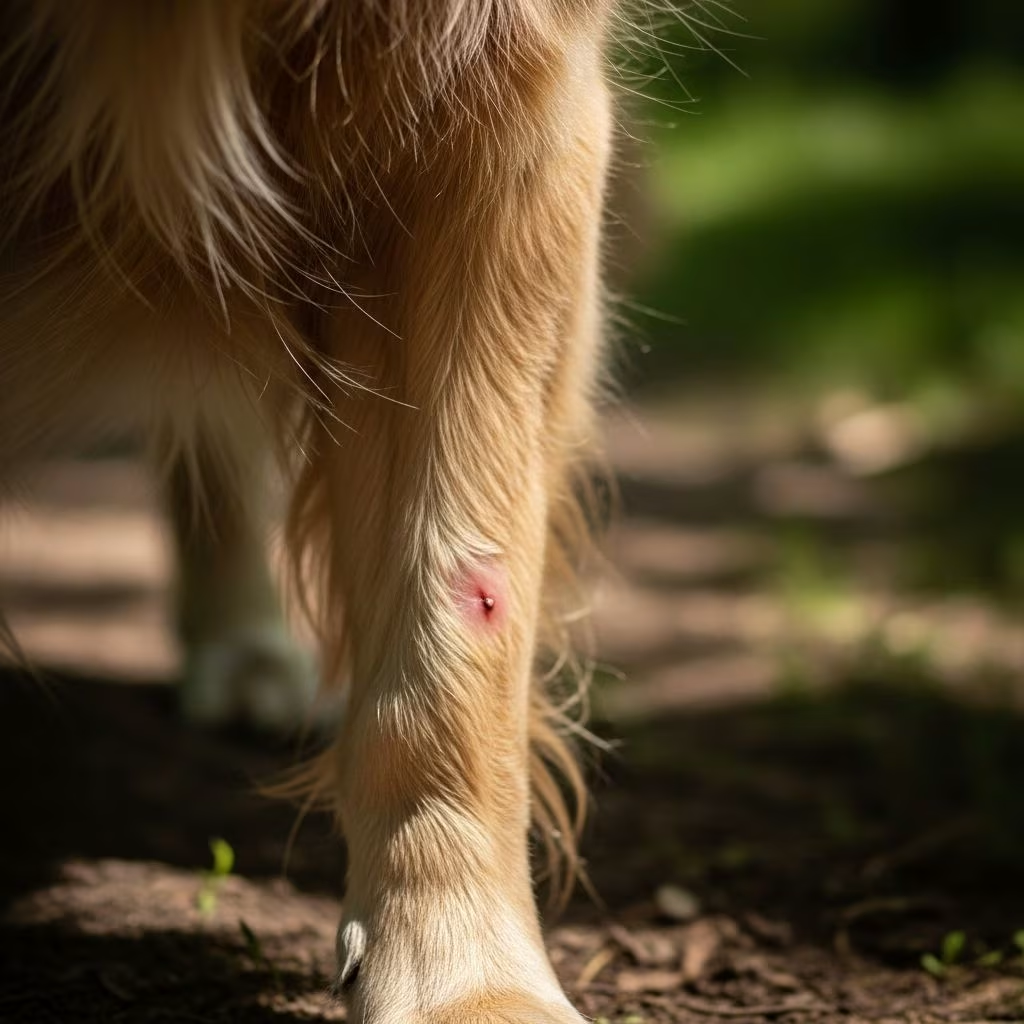
Snake bites pose a serious threat to dogs, especially in regions with venomous species. Quick recognition of symptoms and prompt action can make the difference between life and death. This guide covers everything from prevention to recovery.
Understanding the Danger of Venomous Encounters
Dogs often explore with their noses and paws, making them vulnerable to snakes hidden in grass, bushes, or under rocks. Venomous bites inject toxins that disrupt blood clotting, damage tissues, and affect the nervous system. Common culprits include rattlesnakes, copperheads, cottonmouths, and coral snakes in North America, while regions like Australia face additional risks from species like brown snakes.
Bites most frequently occur on the face, head, or front legs due to a dog’s curious sniffing behavior. The proximity to vital organs heightens the risk if the bite is closer to the torso. Not all snakes are venomous—about 20% of U.S. species are—but distinguishing them in the moment is challenging.
Early Warning Signs Your Dog Has Been Bitten
Symptoms can appear within minutes or delay up to 24 hours, depending on the venom type and amount injected (envenomation). Watch for these initial indicators:
- Sudden yelp, jump back, or cry of pain without obvious cause
- Swelling, bruising, or puncture marks at the site, often subtle under fur
- Excessive drooling or bloody discharge from the wound
Progression to severe signs includes:
- Lethargy and mental dullness
- Muscle tremors, shaking, or reduced blinking
- Dilated pupils and weakness (ataxia or wobbliness)
- Collapse followed by temporary recovery—a deceptive lethal sign
- Paralysis, especially in limbs or leading to breathing issues
- Bleeding from nose, mouth, bite site, or dark, bloody urine
- Vomiting, diarrhea, pale gums, or irregular breathing
A unique “pseudo-recovery” after collapse signals high venom dose, demanding immediate vet care. Coral snake bites may delay symptoms by hours, risking paralysis of breathing muscles.
Immediate Steps: First Aid for Snake-Bitten Dogs
Time is critical—venom spreads rapidly. Do not waste moments chasing the snake or applying unproven remedies like cutting the wound, sucking venom, tourniquets, or ice. Follow these proven steps:
- Stay calm to keep your dog calm, minimizing venom circulation
- Call your vet or emergency clinic ahead, confirming antivenom availability
- Bandage the bite site firmly if identifiable (above, below, and over), but avoid if on face/neck
- Remove collars to prevent swelling constriction
- Limit movement—carry if possible, avoid walking
- Note the snake’s appearance, color, or pattern for vet guidance without risk
Rush to a facility with 24/7 capability. Drive directly; antivenom efficacy peaks early.
Professional Treatment Protocols
Vets assess via physical exam, bloodwork (clotting, organ function), and snake ID tests if available. Core treatments include:
- Antivenom: Gold standard for venomous bites, infused IV over ~1 hour per vial. Not always needed but reduces pain/swelling; monitor via labs
- IV Fluids: Combat shock, support blood pressure
- Pain Management: Opioids preferred over NSAIDs; severe pain demands strong relief
- Blood Products: Transfusions for clotting issues or blood loss
- Supportive Care: Antibiotics, antihistamines if needed; ventilator for breathing failure
Hospitalization lasts 8-48 hours or longer for intensive monitoring. Coral snake cases require extended observation. Emerging aids like laser therapy or hyperbaric oxygen may accelerate healing.
| Venom Type | Key Effects | Primary Treatment |
|---|---|---|
| Pit Vipers (Rattler, Copperhead) | Swelling, tissue damage, clotting disruption | Antivenom, fluids, pain meds |
| Coral Snake | Neurologic: paralysis, slow onset | Antivenom, ventilation support |
| Elapids (e.g., Australian Browns) | Paralysis, bleeding, collapse | Antivenom, transfusions |
Preventing Snake Encounters in Everyday Life
Proactive measures reduce risks significantly:
- Supervise outdoor time, especially dawn/dusk when snakes are active
- Stick to cleared paths; avoid tall grass, woodpiles, or rodent-heavy areas
- Train “leave it” commands and recall reliably
- Yard-proof: mow grass short, seal rock walls/gaps, remove attractants like bird feeders
- Consider rattlesnake aversion training or vaccines (note: vaccine efficacy unproven in studies)
- Use snake-proof fencing in high-risk zones
In snake-prone areas, learn local species via extension services (e.g., .gov wildlife sites).
Recovery Timeline and Home Care
Most dogs survive with prompt care, but recovery varies: mild cases improve in days; severe ones take weeks. Expect:
- Initial 24-72 hours: Hospital monitoring for relapse
- Week 1-2: Wound care, restricted activity, pain meds
- Ongoing: Physiotherapy for paralysis, eye lubrication, bladder support
Monitor for infection, clotting return (via follow-up bloodwork). Provide soft bedding, warmth, and gentle physio like passive limb exercises. Full recovery possible, but some face lasting weakness or sensitivity.
Special Considerations for High-Risk Breeds
Brachycephalic (short-nosed) breeds like Bulldogs face amplified risks from facial bites causing airway obstruction. Prioritize antivenom and hospitalization for these. Puppies, seniors, or small dogs suffer worse due to body size.
Frequently Asked Questions (FAQs)
What if I can’t identify the snake?
Treat as venomous—err on caution. Safe description helps but doesn’t delay care.
Is antivenom always required?
No; bloodwork guides need. Many recover supportively, but it shortens suffering.
How much does treatment cost?
Variable: $500-$5000+, driven by antivenom ($600+/vial) and hospitalization. Pet insurance helps.
Can my dog die from a snake bite?
Yes, without treatment—fatality high. With care, survival exceeds 90%.
Are non-venomous bites dangerous?
Less so, but risk infection/pain. Clean and monitor.
Long-Term Outlook and When to Worry
Survivors often resume normal life, but watch for chronic issues like kidney strain or neuopathy. Annual checkups in endemic areas advised. Educate via vet seminars on local threats.
References
- A Guide To Snake Bites On Dogs – Signs, Symptoms & Treatment — Animal Emergency Service. 2023. https://animalemergencyservice.com.au/blog/a-guide-to-snake-bites-on-dogs/
- What To Do if a Snake Bites Your Dog — PetMD. 2024. https://www.petmd.com/dog/what-do-if-snake-bites-your-dog
- Snake Bites on Dogs: Prevention, Symptoms and Treatment Explained — Peak Paws Vet. 2023. https://peakpawsvet.com/blog/a-guide-to-snake-bites-on-dogs-prevention-symptoms-treatment/
- What to Do If Your Pet Is Bitten By A Snake — Texas A&M University. 2022-11-03. https://stories.tamu.edu/news/2022/11/03/what-to-do-if-your-pet-is-bitten-by-a-snake/
- What to Do If a Snake Bites Your Dog — American Kennel Club. 2024. https://www.akc.org/expert-advice/health/what-to-do-dog-bitten-by-snake/
- Snakebite 101 — Advanced Veterinary Specialists. 2023. https://www.avs4pets.com/blog/snakebite-101
- Treatment of Snake Envenomation in Dogs and Cats — Animal Emergency Australia. 2023. https://animalemergencyaustralia.com.au/blog/treatment-of-snake-envenomation-in-dogs-and-cats/



