Snake Bites in Dogs: Detection and Response
Learn to spot snake bite signs in dogs, provide immediate first aid, and ensure life-saving veterinary care for quick recovery.
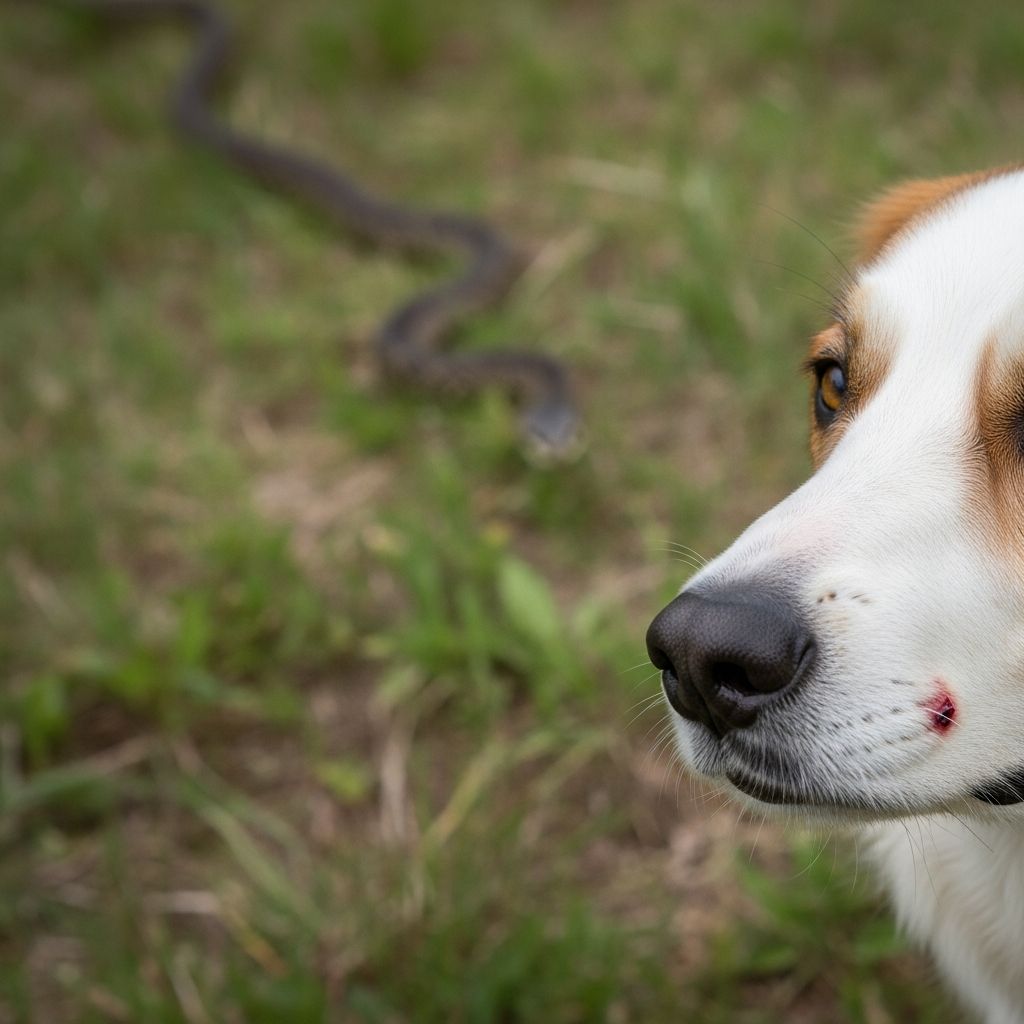
Snake bites pose a serious threat to dogs, especially in rural or wooded areas where venomous species thrive. Quick recognition of symptoms and prompt action can mean the difference between life and death for your pet. This guide covers everything from identifying bites to long-term care.
Understanding the Risk of Snake Encounters
Dogs exploring outdoors often encounter snakes, particularly during warmer months when reptiles are active. Venomous snakes like rattlesnakes, copperheads, and cottonmouths in North America, or various elapids elsewhere, deliver toxins that disrupt blood clotting, nerves, or tissues. Non-venomous bites cause local injury but rarely escalate. Factors increasing risk include a dog’s curiosity, thick fur hiding punctures, and bites on legs or faces during play or hunting.
Key Indicators of a Snake Bite
Symptoms appear rapidly, often within minutes to hours. Initial signs mimic minor injuries but progress if venomous. Watch for these red flags:
- Localized
swelling
and bruising around two small puncture marks, expanding quickly with possible bloody discharge. - Sudden
pain
, limping, or reluctance to move the affected limb. - Systemic effects:
lethargy
, trembling, dilated pupils, vomiting, or diarrhea. - Severe progression:
collapse
(sometimes with brief recovery), wobbliness, paralysis, bloody urine, or bleeding from nose/mouth. - Neurological issues like reduced blinking, incontinence, or breathing difficulty.
Bites on the face or neck worsen faster due to vascular proximity. Fur often conceals wounds, so check paws, legs, muzzle, and chest thoroughly.
Immediate Steps for Pet Owners
Time is critical—venom spreads fast. Act decisively without common mistakes:
- Stay calm and restrict movement: Carry your dog to prevent venom circulation; avoid running.
- Immobilize the site: Gently bandage above and below the bite (not too tight) if location known, to slow lymph spread.
- Rush to a vet: Call ahead to confirm antivenom availability; note snake description if seen.
- Avoid myths: No cutting, sucking venom, ice, tourniquets, or sedatives—these worsen outcomes.
| Do | Don’t |
|---|---|
| Keep dog calm and still | Cut or suck the wound |
| Bandage loosely if possible | Apply ice or tourniquet |
| Seek emergency vet care | Give human meds like NSAIDs |
| Monitor breathing/heart rate | Wait for symptoms to worsen |
Transport in a crate or on a board for stability.
Veterinary Diagnosis Methods
Vets confirm bites via physical exam, noting puncture wounds and swelling progression. Blood tests assess clotting factors, organ function (liver/kidney), platelet counts, and venom levels. Mark swelling edges hourly to track spread. Imaging or ultrasound checks internal damage; ECG monitors heart irregularities. Differentiate from insect stings or trauma through symptom patterns and history.
Core Treatment Protocols
Hospitalization lasts 24-72 hours or more, focusing on stabilization. Key interventions include:
- IV fluids: Combat shock, low blood pressure via rapid crystalloid infusion.
- Antivenom: Gold standard for venom neutralization, most effective early; binds toxins reducing tissue damage.
- Pain control: Opioids over NSAIDs/steroids, which may exacerbate bleeding.
- Blood products: Transfusions for coagulopathy or hemorrhage.
- Supportive care: Antibiotics for infection, wound cleaning, possible ventilation for respiratory failure.
For crotalid (pit viper) bites, follow unified algorithms emphasizing antivenom and monitoring. Elapid bites prioritize paralysis reversal. Serial labs guide therapy adjustments.
Variations by Snake Type
| Snake Family | Common Effects | Treatment Focus |
|---|---|---|
| Crotalids (Rattlesnakes, etc.) | Tissue destruction, clotting issues | Antivenom, fluids, pain meds |
| Elapids (Coral snakes, etc.) | Paralysis, neurotoxicity | Antivenom, respiratory support |
| Non-venomous | Local swelling, infection risk | Wound care, antibiotics |
Treatment adapts to regional species; U.S. focuses on pit vipers.
Recovery Timeline and Home Care
Most dogs survive with prompt care, recovering in 1-2 weeks. Expect:
- Days 1-3: Hospital monitoring, swelling peaks then recedes.
- Week 1: Restricted activity, wound checks, oral meds.
- Follow-up: Bloodwork at 1-2 weeks for organ recovery.
Home tips: Elevate bitten limb, clean wounds daily, prevent licking (e-collar), watch for infection signs like pus or fever. Full exercise resumption after vet clearance. Long-term, necrosis may require surgery or grafts.
Prevention Strategies for Snake-Prone Areas
Proactive steps reduce encounters:
- Yard maintenance: Clear brush, rocks, woodpiles; mow grass short.
- Training: Teach “leave it” commands; use snake avoidance classes with harmless mimics.
- Gear: Rattlesnake vaccines (reduces severity), boots/gaiters for hikes.
- Supervision: Leash walks, avoid dawn/dusk in high-risk zones.
- Professional removal: Hire services for persistent snake issues.
Seasonal vigilance peaks spring-fall.
Frequently Asked Questions
Can dogs survive snake bites without treatment?
Non-venomous yes, but venomous bites are fatal in 10-20% untreated cases; survival odds plummet without antivenom.
How long do symptoms take to show?
Minutes for local swelling, 30-60 minutes for systemic; delayed in some.
Is antivenom always needed?
No, for dry bites or mild cases; vets assess via labs.
What if I can’t identify the snake?
Treat as venomous; symptoms and tests guide care.
Cost of snake bite treatment?
$1,000-$10,000+ depending on antivenom doses, hospitalization. Pet insurance helps.
Long-Term Health Monitoring
Post-recovery, annual checkups screen for kidney/liver damage. Maintain vaccines, watch for behavioral changes indicating pain. Educate family on risks for multi-pet homes.
References
- What To Do if a Snake Bites Your Dog — PetMD. 2023. https://www.petmd.com/dog/what-do-if-snake-bites-your-dog
- A Guide To Snake Bites On Dogs — Animal Emergency Service. 2023. https://animalemergencyservice.com.au/blog/a-guide-to-snake-bites-on-dogs/
- Dogs and Snake Bites: Symptoms, Treatments, & More — Zoetis Petcare. 2023. https://www.zoetispetcare.com/blog/article/dog-snake-bites
- Rattlesnake bite treatment and prevention for dogs — Washington State University Veterinary Hospital. 2025-05-06. https://hospital.vetmed.wsu.edu/2025/05/06/rattlesnake-bite-treatment-and-prevention-for-dogs/
- What to Do If a Snake Bites Your Dog — American Kennel Club. 2023. https://www.akc.org/expert-advice/health/what-to-do-dog-bitten-by-snake/
- What To Do If Your Pet Is Bitten By A Snake — Texas A&M University. 2022-11-03. https://stories.tamu.edu/news/2022/11/03/what-to-do-if-your-pet-is-bitten-by-a-snake/
- Snakebites in Animals — Merck Veterinary Manual. 2023. https://www.merckvetmanual.com/toxicology/snakebite/snakebites-in-animals
Similar Articles






Read full bio of medha deb