Snake Bite Envenomization in Pets: Treatment & Recovery
Understanding snake bite envenomization in pets: symptoms, treatment with antivenin, and recovery protocols.
Understanding Snake Bite Envenomization in Pets
Snake bites in pets represent a serious medical emergency that requires immediate veterinary attention. Whether your dog or cat encounters a venomous or non-venomous snake, understanding the signs, treatment options, and potential outcomes can be crucial in saving your pet’s life. Envenomization occurs when a venomous snake injects toxins into your pet through bite wounds, causing systemic and localized effects that can be life-threatening without prompt intervention.
Signs of Non-Venomous Snake Bites
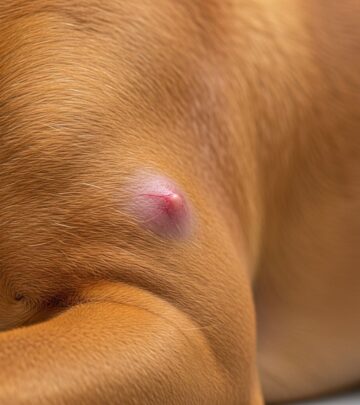
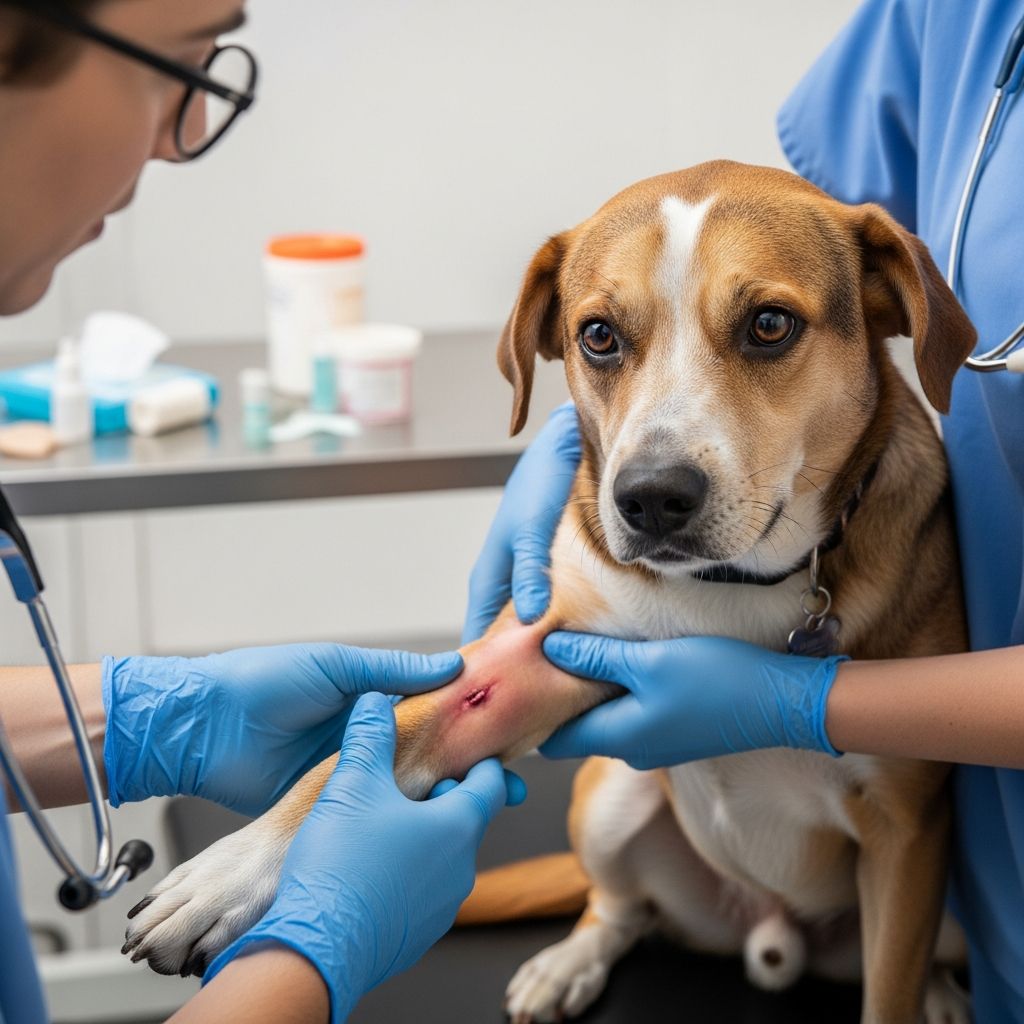
When a pet is bitten by a non-venomous snake, the clinical presentation is typically less severe than venomous bites. The most common signs include localized swelling and bruising around the bite area. In many cases, you may observe paired puncture wounds from the snake’s fangs in the center of the wound, though these may not always be visible. The bite site will likely be very painful for your pet, and there is a risk of infection if not treated promptly by a veterinarian.
One key characteristic of non-venomous bites is that the swelling generally will not increase significantly unless an infection develops at the wound site. Most uncomplicated non-venomous snake bites resolve within 48 hours. However, it is essential to seek veterinary care immediately, as proper wound treatment can prevent complications and infection from developing.
Signs of Venomous Snake Bites
Venomous snake bites present with much more severe clinical signs that vary based on the species of snake involved. The most prominent feature is extensive swelling that often spreads rapidly from the bite site. Bleeding or bloody discharge frequently occurs at the bite location, which is a key indicator of envenomization. Due to rapid swelling or the small mouth size of young or small snakes, the puncture wounds from the fangs may not be visible.
Clinical signs can vary significantly depending on the size of your pet, the location of the bite, and the amount of venom injected. Smaller pets are typically affected more severely due to their lower body mass relative to the venom load. Bites on the face or muzzle are particularly concerning because swelling in these areas can obstruct the airway and create breathing difficulties.
Effects of North American Pit Viper Venom
The venom of most North American pit vipers, including rattlesnakes and cottonmouths, contains toxic substances that produce both local and body-wide effects. Understanding these effects is critical for recognizing the severity of your pet’s condition.
Local Effects
Around the bite site, pit viper venom causes pain, swelling, inflammation, tissue breakdown, and hemorrhage. The tissue damage can be extensive and may require surgical intervention if not managed promptly.
Systemic Effects
Pit viper venom affects multiple body systems, leading to serious complications:
- Shock with dangerously low blood pressure
- Disturbances in the blood’s pH balance
- Abnormal bleeding, including bleeding from the nose or gums, and blood in the stool (which may appear black)
- Vomiting and diarrhea
- Difficulty breathing
- Loss of coordination and stumbling while walking
- Seizures
- Coma in severe cases
Most North American pit vipers cause only minor muscle and neurological disease. However, Mojave rattlesnakes and eastern diamondback rattlesnakes produce venom that may cause serious neurological problems, requiring even more intensive emergency care.
Coral Snake Venom and Effects
Coral snake venom differs significantly from pit viper venom in its composition and effects. Coral snake venom primarily contains components that are toxic to the neurological system, resulting in neuromuscular damage. In some cases, this can lead to difficulty breathing or bleeding disorders similar to those caused by pit viper venom.
A particularly dangerous aspect of coral snake envenomization is that clinical signs can take several hours to appear. There are often minimal symptoms and signs at the bite site initially, which may lead pet owners to underestimate the severity of the bite. This delayed presentation makes immediate veterinary evaluation even more critical, as treatment may need to be initiated before obvious symptoms develop.
Treatment Options for Snake Bites
Non-Venomous Snake Bite Treatment
When no envenomization occurs or when the bite is inflicted by a non-venomous snake, the bite is treated as a puncture wound. Treatment typically includes thorough wound cleaning to prevent infection, anti-inflammatory medications to reduce pain and swelling, and possibly antibiotics if your veterinarian determines they are warranted based on the wound characteristics and contamination risk.
Venomous Snake Bite Treatment
The treatment of venomous snake bites depends on the type of snake involved but typically includes the use of antivenin, also called antivenom. Antivenin is composed of antibodies that bind and neutralize venom, reducing its toxic effects on your pet’s body. The efficacy of antivenin depends critically on how quickly it is administered after the snake bite occurs.
Along with antivenin therapy, treatment is often needed to address specific clinical signs. This may include medications and interventions to manage shock, respiratory distress, bleeding disorders, and other complications. In severe cases, intensive monitoring and supportive care in a veterinary hospital is necessary.
Prognosis and Outcomes by Snake Type
The prognosis for recovery varies significantly depending on the species of snake that delivered the bite. Studies have shown that there is less than a 10% chance of death following a viper bite with appropriate treatment, though this depends on early intervention and proper medical care.
Rattlesnake envenomization is immediately life-threatening and prompt medical assistance must be sought without delay. Coral snake bites are also life-threatening and require immediate administration of appropriate antivenin. The neurological effects of coral snake venom can progress rapidly, making early treatment essential.
Copperhead, cottonmouth, and coral snake envenomization cases have a better prognosis for complete recovery compared to rattlesnake bites. However, cottonmouth envenomization may require antivenin treatment in severe cases, and all venomous snake bites should be treated as potential emergencies.
The Importance of Bite Location
The location of the snake bite significantly impacts the severity of complications and the urgency of treatment. Bites around the muzzle and face are particularly concerning because swelling in these areas can lead to breathing difficulties due to obstruction of the airway. These bites require even more immediate intervention and close monitoring. Bites on the extremities may have a better prognosis, though they still require prompt veterinary care to prevent systemic complications from developing.
What To Do If Your Pet Is Bitten by a Snake
If you suspect your dog or cat has been bitten by a snake, immediate action is critical:
- Contact a veterinarian immediately for recommendations and guidance
- Keep your pet calm and still to slow the spread of venom through the lymphatic system
- If possible, try to identify or describe the snake to help your veterinarian determine the appropriate treatment
- Do not wait for symptoms to develop before seeking medical help
- Avoid traditional first aid methods that may harm your pet, such as applying tourniquets, ice, or attempting suction
- Transport your pet to an emergency veterinary clinic as quickly as possible
Frequently Asked Questions About Snake Bite Envenomization
Q: How can I tell if a snake bite is from a venomous snake?
A: Venomous bites typically show rapid, extensive swelling, bleeding or bloody discharge at the bite site, and the development of systemic symptoms such as vomiting, difficulty breathing, or lethargy. Non-venomous bites generally show only localized swelling and bruising. However, prompt veterinary evaluation is the only way to be certain.
Q: What is antivenin and how does it work?
A: Antivenin is a medication composed of antibodies that specifically bind to and neutralize venom. It works by inactivating the toxic components of the venom, preventing them from causing further damage. Its effectiveness depends on how quickly it is administered after the bite.
Q: How long does it take for symptoms to appear after a snake bite?
A: For pit vipers, symptoms typically develop within 30 minutes to a few hours. For coral snakes, symptoms can take several hours to appear. This is why immediate veterinary care is important even if your pet appears well initially.
Q: Can my pet survive a venomous snake bite?
A: Yes, with appropriate and prompt treatment. Studies show less than a 10% mortality rate for viper bites when treated appropriately. The prognosis is better for some species (copperheads, cottonmouths) than others (rattlesnakes).
Q: What should I avoid doing if my pet is bitten by a snake?
A: Avoid applying ice, tourniquets, or attempting suction on the bite wound. Do not try to trap or kill the snake. Do not use traditional herbal remedies. Do not apply electric shock to the area. Simply keep your pet calm and get to a veterinarian as quickly as possible.
Q: Are there long-term effects from snake bite envenomization?
A: Most pets that receive prompt treatment recover fully. However, severe bites may result in permanent tissue damage at the bite site. Long-term neurological effects are possible with coral snake bites if not treated promptly.
References
- Snakebite Envenomization — VCA Animal Hospitals. 2025. https://vcahospitals.com/know-your-pet/snakebite-envenomization
- Snakebites: First aid — Mayo Clinic. 2024. https://www.mayoclinic.org/first-aid/first-aid-snake-bites/basics/art-20056681
- Snakebites – Injuries and Poisoning — Merck Manuals. 2024. https://www.merckmanuals.com/home/injuries-and-poisoning/bites-and-stings/snakebites
- Snake Bites: Treatment & Prevention — Cleveland Clinic. 2024. https://my.clevelandclinic.org/health/diseases/15647-snake-bites
- Snakebite envenoming — World Health Organization. 2024. https://www.who.int/health-topics/snakebite
- Snake Bites: Symptoms, Causes, and Treatment — American Red Cross. 2024. https://www.redcross.org/take-a-class/resources/learn-first-aid/venomous-snake-bites
- Venomous Snakes at Work — Centers for Disease Control and Prevention. 2024. https://www.cdc.gov/niosh/outdoor-workers/about/venomous-snakes.html
Similar Articles







Read full bio of Sneha Tete