

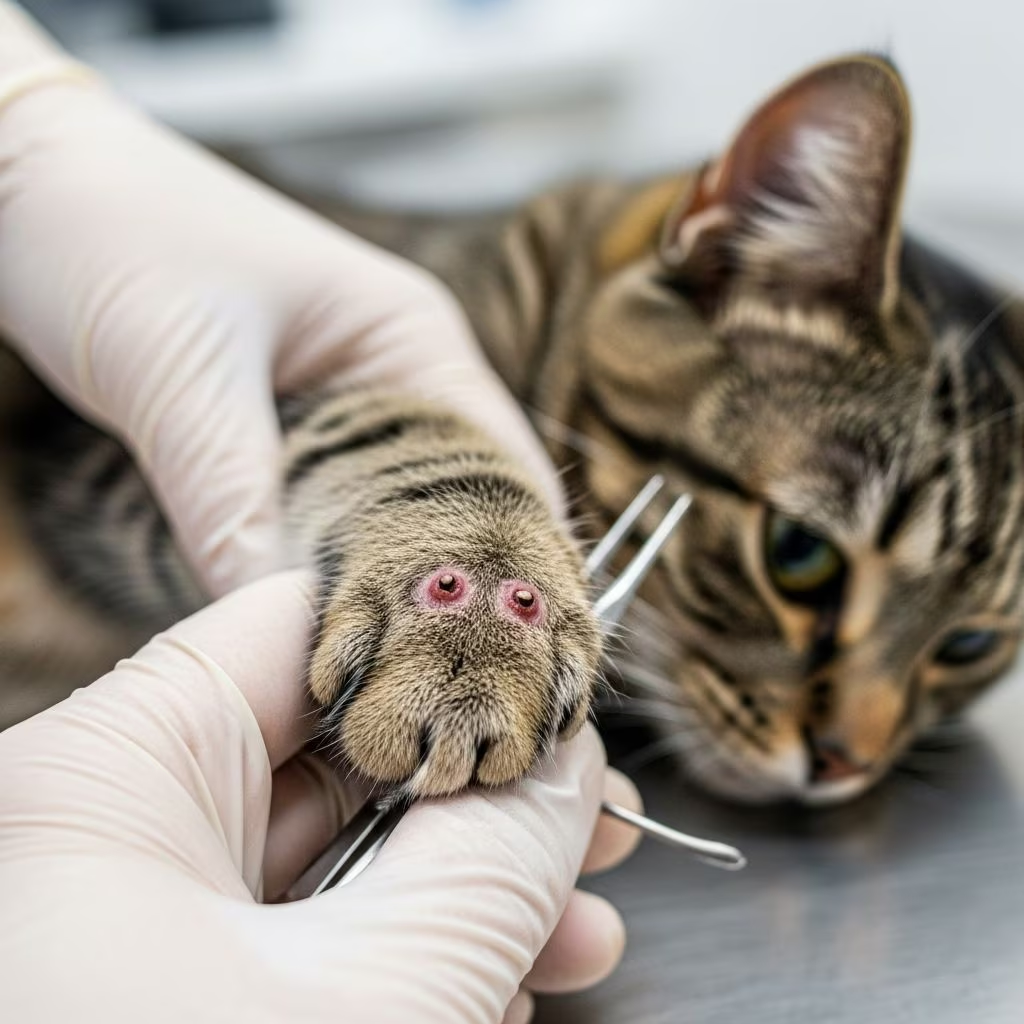
Encountering a snake can be a frightening experience for any pet owner, but understanding how to identify and respond to a snake bite in your cat can make a critical difference in survival outcomes. Cats, particularly outdoor cats or those living in regions with snake populations, face a real risk of snakebite incidents. Due to their natural curiosity and hunting instincts, felines often investigate snakes by batting at them with their front paws, which typically results in bites to the face, nose, and forelimbs rather than other body areas.
Why Cats Are Vulnerable to Snake Encounters
Cats possess an inherent drive to explore their environment and interact with small moving creatures. Unlike dogs that may try to bite or shake a snake, cats use their paws to bat and manipulate objects of interest. This behavioral difference explains why feline snakebites concentrate on the extremities and facial regions rather than other areas of the body. The anatomical positioning of puncture wounds during these encounters creates distinct patterns that can help veterinarians assess the severity and type of envenomation.
Outdoor and semi-outdoor cats face the greatest risk, particularly in warmer climates where snake activity peaks during certain seasons. Even indoor cats can experience snakebites if snakes enter homes or if cats have access to porches or patios where snakes might seek shelter.
Identifying Immediate Physical Signs of a Bite
Recognizing a snake bite requires careful observation, as the initial puncture wounds can be deceptively small and difficult to detect, especially on cats with thick or long fur. The bite site typically shows characteristic physical markers that become apparent within minutes to hours after the incident.
Primary Wound Characteristics
- Puncture wounds: Look for small, dark punctures usually arranged in pairs, reflecting the snake’s fangs. These may be barely visible on the surface.
- Rapid localized swelling: Inflammation develops quickly around the bite site and can spread significantly as venom circulates through tissue.
- Discoloration: The area surrounding the bite often appears bruised, reddened, or displays unusual pigmentation.
- Discharge or bleeding: Clear fluid or blood may emanate from the puncture wounds, potentially indicating venom injection or developing infection.
Systemic Symptoms and Behavioral Changes
Beyond local wound characteristics, snake venom triggers systemic responses that manifest through observable behavioral and physiological changes. These symptoms can develop rapidly and indicate the severity of envenomation.
Pain and Mobility Issues
Cats experiencing snakebites often display obvious pain responses, including limping, reluctance to bear weight on the affected limb, and vocalization such as hissing or meowing. Your cat may attempt to self-soothe by licking or pawing repeatedly at the bite site. In severe cases, cats become extremely protective of the injured area and resist handling or examination.
Cardiovascular and Respiratory Indicators
Certain snake venoms affect the cardiovascular and respiratory systems directly. Watch for rapid or irregular heartbeat, accelerated breathing, difficulty breathing, or signs of respiratory distress. These symptoms can emerge within minutes and demand immediate emergency intervention. Some cats may also drool excessively or show pale or white gums, which can indicate shock or severe systemic effects.
Neurological Manifestations
Neurotoxic venom components cause muscle twitching, weakness, paralysis, drooping eyelids, dilated pupils, incoordination, and convulsions. These symptoms reflect venom affecting the nervous system and warrant immediate veterinary care. Cats may appear disoriented, confused, or unable to walk normally.
Additional Warning Symptoms
Beyond the primary indicators, monitor for lethargy, weakness, vomiting, diarrhea, loss of bladder or bowel control, and altered consciousness. Any combination of these symptoms following a suspected snake encounter requires emergency treatment.
Understanding Venom Types and Their Effects
Different snake species inject distinct venom compositions that produce varying clinical presentations. Understanding these differences helps explain why some bites appear more immediately severe than others.
| Venom Type | Primary Mechanism | Observable Effects | Severity Timeline |
|---|---|---|---|
| Hematotoxic | Disrupts blood composition and clotting | Bleeding, hemorrhage, tissue discoloration, lack of clot formation | Can rapidly worsen |
| Neurotoxic | Affects nervous system and muscle function | Paralysis, muscle twitching, respiratory difficulty | May develop gradually |
Immediate First Aid Protocols
The critical period following a snakebite is crucial for minimizing venom distribution and preparing your cat for professional treatment. Appropriate first aid can significantly improve outcomes.
Essential Steps to Take Immediately
- Restrict movement: Limit your cat’s activity as much as possible to slow venom circulation through the bloodstream. Gently wrap your cat in a towel or blanket to minimize movement.
- Position the bite site: Keep the bitten area below heart level whenever feasible to slow venom absorption.
- Keep your cat calm: Maintain a quiet environment and avoid unnecessary stress, which can increase heart rate and accelerate venom distribution.
- Document the incident: If possible, note the snake’s appearance, the time of the bite, and which area was bitten. This information assists veterinarians in treatment decisions.
What NOT to Do
Certain well-intentioned interventions can actually worsen outcomes. Avoid tourniquets, ice packs, heat application, suction attempts, incisions, or other folk remedies. These approaches are ineffective and can delay critical veterinary treatment while potentially causing additional tissue damage.
Monitoring for Shock
Shock represents a life-threatening complication of severe snakebites that requires immediate recognition and management. Shock occurs when the body’s systems begin to fail due to severe venom effects or blood loss.
Recognizing Shock Symptoms
Signs of shock include pale or white gums, weak or rapid pulse, shallow breathing, cold extremities, unresponsiveness, and a glazed expression. Your cat may become increasingly listless and difficult to arouse.
Managing Shock Before Veterinary Care
If you suspect shock is developing, keep your cat warm by covering them with blankets, maintain a calm and quiet environment, and avoid offering food or water. Monitor breathing and heart rate if possible. Shock management at home is temporary—professional veterinary intervention remains essential and non-negotiable.
Vital Signs Assessment
Monitoring your cat’s vital signs provides valuable information about envenomation severity and helps veterinarians track treatment response.
Key Measurements
- Temperature: Normal feline body temperature ranges from 100 to 102.5°F. Temperatures below this range can indicate shock or severe systemic effects.
- Heart rate and breathing: Rapid, shallow, or irregular breathing; unusually fast or slow heart rate; or weak pulse all suggest venom affecting cardiovascular function.
- Neurological function: Loss of bladder or bowel control suggests venom attacking the nervous system and requires prompt professional intervention.
Professional Veterinary Treatment Options
Veterinary treatment for snakebites involves multiple therapeutic approaches working synergistically to neutralize venom, support organ function, and manage complications.
Antivenin Administration
When a venomous snakebite is confirmed or suspected, antivenin administration becomes the cornerstone of treatment. Antivenin effectiveness is time-sensitive, meaning earlier administration typically yields better outcomes. Cats can experience allergic reactions to antivenins more frequently than dogs, though this varies depending on the specific formulation used. Veterinarians carefully weigh the benefits against potential reactions based on bite severity and snake species identification.
Supportive Care Measures
Beyond antivenin, comprehensive supportive care addresses venom effects and maintains organ function. Intravenous fluid therapy helps maintain blood pressure, reduces shock progression, supports organ function, and assists in flushing venom from the body. Pain management medications alleviate discomfort and reduce stress-related complications. Antibiotics prevent secondary wound infections, which can occur at bite sites.
Intensive Monitoring and Specialized Interventions
Severe bites, particularly from highly venomous species, may require hospitalization for continuous monitoring. Cats experiencing respiratory paralysis may need oxygen therapy or mechanical ventilation. Blood loss from hematotoxic envenomation might necessitate blood transfusions or plasma infusions to restore clotting factors. Physiotherapy can help paralyzed cats regain mobility, while eye care becomes essential for cats unable to blink properly due to paralysis.
Recovery and Post-Treatment Care
Recovery following snakebite treatment requires careful attention to prevent complications and support healing.
Activity Restrictions
Limit your cat’s movement during recovery to prevent wound reopening or exacerbation of internal injuries. Provide a quiet, comfortable recovery space with appropriate padding and soft bedding to prevent pressure sores.
Complication Monitoring
Watch continuously for signs of complications including persistent or increasing swelling, discharge from the wound, behavioral changes, or development of new symptoms. Contact your veterinarian immediately if concerning signs emerge.
Ongoing Care Requirements
Keep your cat warm, maintain temperature stability, ensure adequate pain relief, apply regular eye lubrication if paralysis persists, and provide proper bladder and bowel care. Follow all veterinary recommendations regarding medication administration and follow-up appointments.
Distinguishing Venomous from Non-Venomous Bites
Determining whether a snake was venomous presents a practical challenge for most pet owners. The safest approach treats all snakebites as potentially venomous unless you are absolutely certain of the snake’s identity. Non-venomous bites can still pose risks through infection and tissue damage, though they typically do not produce the rapid systemic symptoms associated with venomous bites. When in doubt, seek immediate veterinary evaluation.
Prevention Strategies
While treatment knowledge is valuable, prevention remains the most effective approach to protecting your cat. Supervise outdoor time, particularly during warm months when snake activity peaks. Consider limiting outdoor access in snake-prone areas or creating enclosed outdoor spaces. Keep grass trimmed, remove rodent populations that attract snakes, and seal potential entry points to your home.
Frequently Asked Questions
How quickly do snake bite symptoms appear?
Symptoms can develop within minutes to hours depending on the venom type and amount injected. Some effects manifest almost immediately, while others may take several hours to become apparent.
Can a cat survive a venomous snake bite?
Yes, with prompt veterinary intervention, many cats survive snakebites. Outcomes depend on the snake species, venom amount, bite location, time elapsed before treatment, and treatment quality.
What is the cost of treating a snake bite?
Treatment costs vary significantly based on bite severity, required interventions, hospitalization duration, and geographic location. Severe cases requiring intensive care can exceed several thousand dollars.
Should I try to identify the snake?
If safe to do so without risking further injury, identifying the snake helps veterinarians select appropriate antivenin. However, never prioritize snake identification over seeking immediate veterinary care.
Conclusion
Snake bites in cats represent genuine medical emergencies requiring swift recognition and professional intervention. By understanding the signs of envenomation, implementing appropriate first aid, and seeking immediate veterinary treatment, you significantly improve your cat’s chances of recovery and minimize long-term complications. Remain vigilant about prevention through environmental management and supervised outdoor access, but know that prompt action and expert veterinary care offer hope for cats facing this serious threat.
References
- How to Treat Snake Bites in Cats: A Guide for Pet Owners — CPR Certification Now. 2024. https://cprcertificationnow.com/blogs/mycpr-now-blog/how-to-treat-snake-bites-in-cats-a-guide-for-pet-owners
- Venomous Snakebites in Cats — UC Davis School of Veterinary Medicine. 2024. https://healthtopics.vetmed.ucdavis.edu/health-topics/venomous-snakebites-cats
- Snake Bite Treatment for Dogs and Cats — Animal Emergency Service (Australia). 2024. https://animalemergencyservice.com.au/blog/snake-bite-treatment-for-dogs-and-cats/
- Treatment of Snake Envenomation in Dogs and Cats — Animal Emergency Australia. 2024. https://animalemergencyaustralia.com.au/blog/treatment-of-snake-envenomation-in-dogs-and-cats/
- How to Recognize a Snake Bite on a Cat: A Vet Explains — Whisker. 2024. https://www.whisker.com/blog/snake-bite-on-a-cat
- Snake Bites in Cats: Symptoms, Causes, Diagnosis, Treatment — Wag Walking. 2024. https://wagwalking.com/cat/condition/snake-bites



