

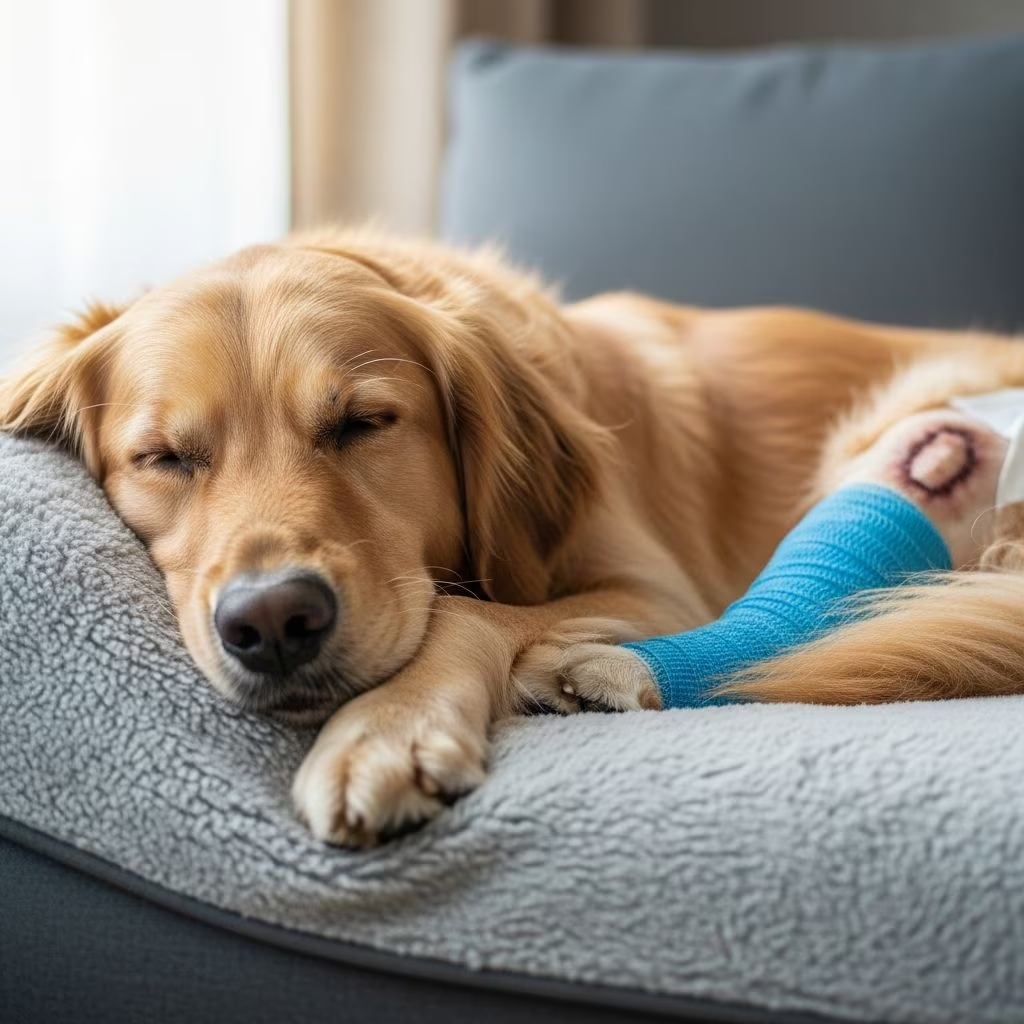
Your dog’s surgery marks the beginning of a critical healing phase where your attentive care can make all the difference. Proper post-operative management minimizes complications and speeds up return to normalcy.
Understanding the Stages of Canine Surgical Recovery
Dog recovery timelines vary based on procedure type, age, and health status. Soft tissue surgeries like spays or neuters often heal faster than orthopedic ones involving bones or joints.
The first 48 hours focus on anesthesia recovery: expect grogginess, reduced appetite, and mild swelling managed by vet-prescribed meds. From days 3-14, incisions close, activity ramps up gradually, and sutures may come out. Extended recoveries beyond two weeks apply to complex cases, requiring rehab.
- Immediate (0-48 hours): Monitor vitals, limit movement.
- Short-term (1-2 weeks): Wound healing, controlled walks.
- Long-term (4+ weeks): Strength building, full activity clearance.
Creating an Optimal Home Recovery Environment
A dedicated quiet space promotes rest. Choose a draft-free area with soft bedding at 68-75°F, away from kids and other pets. Use baby gates or crates to enforce boundaries.
| Recovery Zone Essentials | Benefits |
|---|---|
| Soft, clean bedding | Comfort without pressure on incisions |
| Quiet location | Reduces stress and overstimulation |
| Easy access to water/food | Minimizes unnecessary movement |
| Elizabethan collar or alternative | Prevents licking/chewing wounds |
Keep the area clean to avoid infections, changing bedding as needed.
Mastering Activity Restrictions for Safe Healing
Strict limits prevent incision dehiscence or seromas—fluid buildup delaying recovery. Confine to leash-only potty breaks for 7-14 days; no stairs, jumping, or play. Orthopedic cases demand 4-8 weeks of caution to protect hardware.
Gradual reintroduction: Start with 5-minute walks, increasing as vet approves. Physical therapy like gentle swims or massages aids mobility post-clearance.
Incision Monitoring and Wound Care Protocols
Inspect twice daily for redness, discharge, swelling, or odor—early infection signs. Keep dry; no baths or swimming until healed. Cones or recovery suits block self-trauma.
Normal healing: Mild bruising fades in days; edges knit by week two. Call vet for heat, pus, or gaping.
- Red, hot, or swollen? Infection risk.
- Clear discharge? Often normal.
- Green/yellow pus? Urgent vet visit.
Pain Management and Medication Adherence
Pain hampers appetite and healing; follow vet dosing precisely. Never use human meds like ibuprofen—they’re toxic. Expect some discomfort, but whining or guarding signals under-control.
Combine meds with comfort: Cool compresses for swelling, supportive harnesses over incisions. Track side effects like vomiting; adjust as directed.
Nutrition Strategies to Fuel Tissue Repair
Anesthesia nausea curbs hunger initially; offer small, bland meals (1/4 normal portion) transitioning to regular diet in 24 hours. High-protein foods support collagen formation; add vet-approved supplements for joints.
Hydration is key—fresh water always available. Avoid treats to prevent weight gain stressing wounds.
| Post-Surgery Feeding Guide | Timeline | Tips |
|---|---|---|
| Small/light meal | Day 1 | Boiled chicken/rice if vet OKs |
| Gradual normal diet | Days 2-7 | Monitor tolerance |
| Healing boost foods | Week 2+ | Protein-rich, omega-3s |
Recognizing and Responding to Complications
Watch for lethargy beyond 48 hours, fever (>103°F), diarrhea, or refusal to eat. Seromas feel like squishy lumps; don’t drain at home. Coughing or breathing issues post-abdominal surgery warrant immediate ER.
Follow-up visits at 7-14 days confirm progress; sutures removal signals milestone.
Advanced Recovery Techniques for Optimal Outcomes
Beyond basics, laser therapy reduces inflammation, acupuncture eases pain, and hydrotherapy builds strength without impact. Discuss with vet for tailored plans, especially seniors or athletes.
Mental stimulation prevents cabin fever: Puzzle toys, scent games on restricted scale.
FAQs: Common Post-Surgery Concerns
Q: How long until my dog acts normal?
A: 10-14 days for simple surgeries; 4-8 weeks for complex ones. Patience prevents re-injury.
Q: Can I bathe my dog during recovery?
A: No, until incisions fully closed (vet approval). Use wipes for spot cleans.
Q: What if my dog removes stitches?
A: Re-cone immediately; vet for repair if gaping.
Q: Is swelling normal?
A: Mild yes, peaking day 3 then receding. Persistent? Vet check.
Q: When to worry about appetite loss?
A: Beyond 48 hours or with vomiting—contact vet.
Long-Term Wellness Post-Recovery
Once cleared, ease into exercise with warm-ups. Annual checkups catch issues early. Weight management and joint supplements sustain mobility. Your vigilance turns surgery into a success story.
References
- How Many Days Does It Take for a Dog to Recover from Surgery? — Mission Road Animal Clinic. 2023. https://www.missionroadanimalclinic.com/how-many-days-does-it-take-dog-to-recover-from-surgery/
- Post-Operative Instructions in Dogs — VCA Animal Hospitals. 2024. https://vcahospitals.com/know-your-pet/post-operative-instructions-in-dogs
- How to Help Dog Recovery Quickly after Surgery — Southborough Veterinary Hospital. 2024-02-02. https://www.southboroughvet.com/site/blog/2024/02/02/dog-recovery-after-surgery
- Caring for Your Cat or Dog After Surgery — MedVet. 2024. https://www.medvet.com/post-surgery-care-for-pet/
- A Guide to Post-Operative Care for Pets After Surgery — Tuckahoe Animal Hospital. 2024. https://www.tuckahoeanimalhospital.com/a-guide-to-post-operative-care-for-pets-after-surgery/
- After Surgery: How to Care for Your Pet — ASPCA. 2024. https://www.aspca.org/aspca-spay-neuter-alliance/after-surgery-instructions
- Post-Surgery Care 101: Supporting Your Pet’s Recovery — Suncrest Veterinary Services. 2024. https://suncrestveterinaryservices.com/blog/post-surgery-care-101-supporting-your-pets-recovery/



