
Smoke Inhalation Risks for Pets
Understand the hidden dangers of smoke exposure for dogs, cats, and other pets, from immediate symptoms to long-term health effects and vital prevention strategies.
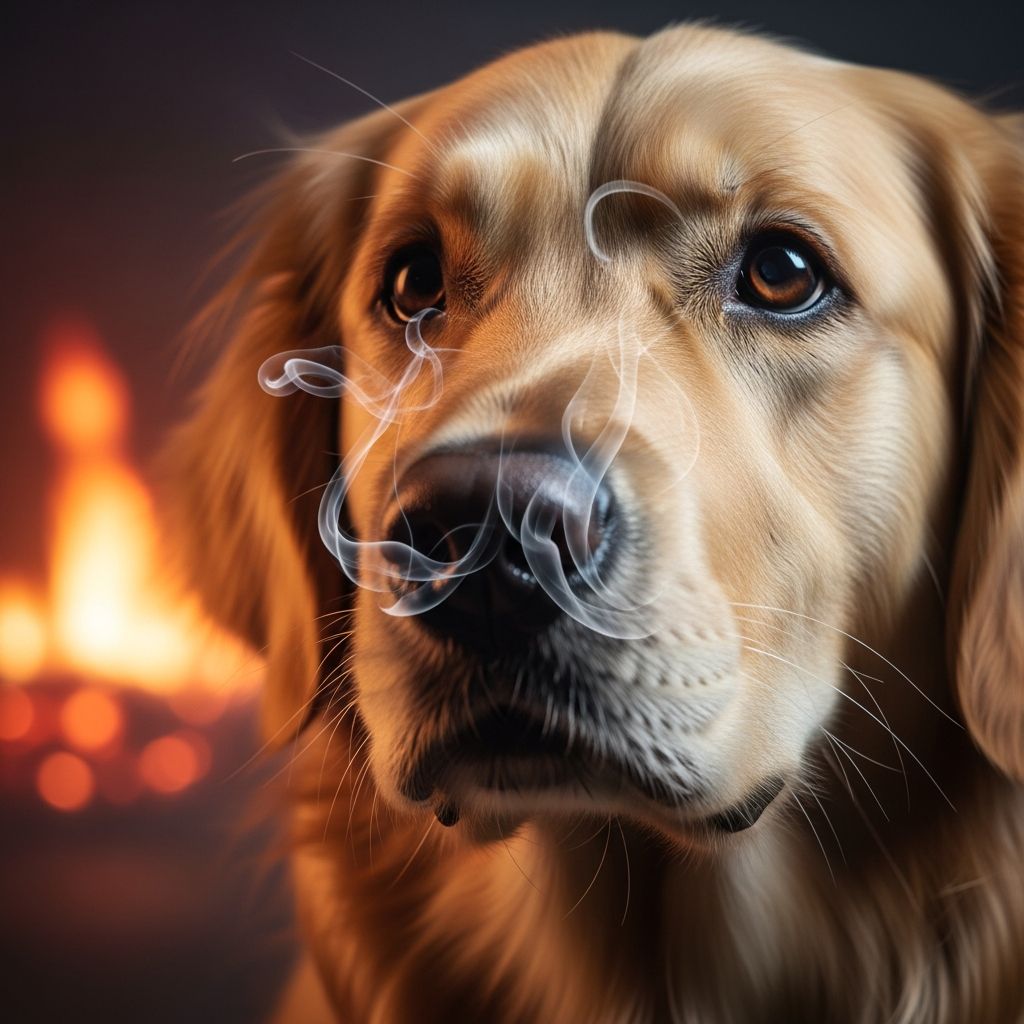
Smoke inhalation represents one of the most urgent threats to household pets during emergencies like house fires, wildfires, or even everyday accidents involving combustion. Pets, with their smaller size and higher respiratory rates relative to body mass, absorb toxic particles and gases more rapidly than humans, leading to severe respiratory, neurological, and systemic damage. This comprehensive guide explores the mechanisms of injury, recognizable signs, immediate response protocols, veterinary interventions, and proactive prevention measures to safeguard dogs, cats, birds, and other animals.
The Science Behind Smoke’s Toxicity to Animals
Smoke from burning materials releases a toxic cocktail including carbon monoxide (CO), cyanide, particulate matter, and irritant chemicals. These components damage the respiratory tract through thermal burns, chemical irritation, and oxygen deprivation. Smaller animals like birds suffer disproportionately due to their efficient but delicate respiratory systems, with greater minute ventilation per unit body weight.
Carbon monoxide binds to hemoglobin more strongly than oxygen, starving tissues of vital oxygen supply. This silent killer often manifests without immediate visible signs, progressing to brain hypoxia and organ failure. Cyanide, prevalent in fires involving plastics or synthetics, inhibits cellular respiration, compounding the crisis.
Thermal injury primarily affects upper airways via hot gases, causing edema and obstruction that may not peak until 24-48 hours post-exposure. Lower airways face chemical pneumonitis from particulates, heightening pneumonia risk.
Recognizing Early Warning Signs in Pets
Pet owners must stay vigilant for subtle and overt indicators of smoke exposure. Initial symptoms often mimic milder illnesses but can escalate rapidly.
- Respiratory distress: Coughing, wheezing, rapid or labored breathing, gagging, or extended neck posture to facilitate airflow.
- Ocular and facial issues: Red, watery eyes; squinting; elevated third eyelid; nasal discharge; mouth or throat swelling.
- Neurological changes: Agitation, weakness, stumbling, disorientation, seizures, or coma in severe cases.
- Systemic signs: Cherry-red gums (CO poisoning hallmark), singed fur, burns, lethargy, or reluctance to eat.
Even soot-free pets can harbor internal damage. Symptoms may delay 48-72 hours, underscoring the need for professional evaluation post-exposure.
Immediate Actions: First Response for Exposed Pets
Time is critical upon suspecting smoke inhalation. Follow these steps without delay:
- Evacuate to fresh air: Move the pet from the smoke source immediately, avoiding further exposure.
- Assess vitals (ABCs): Check airway patency, breathing, and circulation. Initiate CPR if absent—chest compressions at 100-120 per minute for dogs/cats, with rescue breaths.
- Monitor and stabilize: Keep calm, cool environment; avoid forcing water or inducing vomiting. Wipe soot from eyes/nose gently with saline if available.
- Rush to veterinary care: Contact an emergency clinic en route. Do not wait for symptoms to worsen.
During wildfires, preemptively limit outdoor time and seal indoor spaces.
Veterinary Diagnosis and Treatment Approaches
Vets employ comprehensive diagnostics including physical exams, blood gas analysis, chest X-rays, and endoscopy to assess airway damage. Treatment tiers by severity:
| Severity Level | Key Interventions | Expected Outcomes |
|---|---|---|
| Mild | Oxygen supplementation, bronchodilators, eye lubricants | Full recovery in days |
| Moderate | IV fluids, antibiotics for pneumonia prevention, nebulization, steroids for inflammation | Monitoring 24-72 hours; good prognosis |
| Severe | Hyperbaric oxygen (for CO), mechanical ventilation, anti-seizure meds, wound care | Guarded; risk of permanent damage |
Oxygen therapy displaces CO, while supportive care combats secondary infections. Birds may require specialized incubators due to heightened sensitivity.
Long-Term Health Complications and Monitoring
Survivors face ongoing risks like chronic bronchitis, pulmonary fibrosis, or laryngeal paralysis. Dogs exposed to tobacco smoke chronically develop inflammatory airway disease, coughing persistently, with links to nasal/lung cancers. Cats show lymphoma associations.
Post-discharge, monitor for delayed edema or aspiration pneumonia. Regular check-ups, especially for brachycephalic breeds or those with pre-existing conditions, are essential. Heart/lung-compromised or senior pets warrant extra caution during smoky events.
Preventing Smoke Exposure in Everyday and Emergency Scenarios
Proactive strategies minimize risks:
- Home safety: Install smoke/CO detectors; secure grills/generators outdoors; ban indoor smoking.
- Wildfire prep: HEPA air purifiers, sealed windows, HVAC off; avoid N95 masks on pets.
- Evacuation kits: Carrier, meds, records, first-aid supplies (saline, bandages).
- Avoid toxins: No overheated non-stick pans (PTFE fumes lethal to birds); ventilate workshops.
During poor air quality, limit exertion and watch for fatigue, coughing, or eye irritation.
Special Considerations for Birds and Small Animals
Avian species’ air sac systems amplify toxin uptake, rendering even minor smoke fatal. Symptoms include tail-bobbing respiration, open-mouth breathing, or sudden collapse. Immediate vet transfer to exotic specialists is non-negotiable.
FAQs on Pet Smoke Inhalation
Can pets recover fully from smoke inhalation?
Yes, with prompt care, many achieve complete recovery, though severe cases risk lasting respiratory or neurological deficits.
Is wildfire smoke as dangerous as house fire smoke?
Absolutely—high CO levels and particulates irritate airways similarly, especially for vulnerable pets.
Should I give my pet human medications post-exposure?
No—consult a vet only; human drugs can be toxic to animals.
How long do symptoms take to appear?
Immediately to 72 hours; always err toward evaluation.
Are brachycephalic breeds at higher risk?
Yes, their anatomy exacerbates breathing issues under stress.
Conclusion: Empowering Pet Owners for Safety
Armed with knowledge, pet owners can transform potential tragedies into manageable incidents. Prioritize prevention, recognize cues swiftly, and act decisively—your pet’s life depends on it.
References
- Smoke Inhalation Dangerous to Pets — Veterinary Medicine at Illinois. 2023-10-15. https://vetmed.illinois.edu/pet-health-columns/smoke-inhalation-dangerous-pets/
- Smoke Inhalation Is Toxic To Pets — Pet Poison Helpline. 2024-05-20. https://www.petpoisonhelpline.com/poison/smoke-inhalation/
- Smoke Inhalation in Dogs and Cats — PetMD. 2025-02-12. https://www.petmd.com/emergency/smoke-inhalation-in-dogs-and-cats
- Smoke Inhalation Injury in Animals — Merck Veterinary Manual. 2024-11-08. https://www.merckvetmanual.com/toxicology/smoke-inhalation-injury/smoke-inhalation-injury-in-animals
- Smoke Inhalation in Dogs — VCA Animal Hospitals. 2024-07-22. https://vcahospitals.com/know-your-pet/smoke-inhalation-in-dogs
- Dog Smoke Inhalation — American Red Cross. 2023-09-01. https://www.redcross.org/take-a-class/resources/learn-pet-first-aid/dog/smoke-inhalation
Similar Articles








Read full bio of medha deb


