
Smoke Inhalation In Animals: Emergency Signs, Diagnosis, Treatment
Essential guide to recognizing, diagnosing, and treating smoke inhalation injuries in pets and livestock from fires.
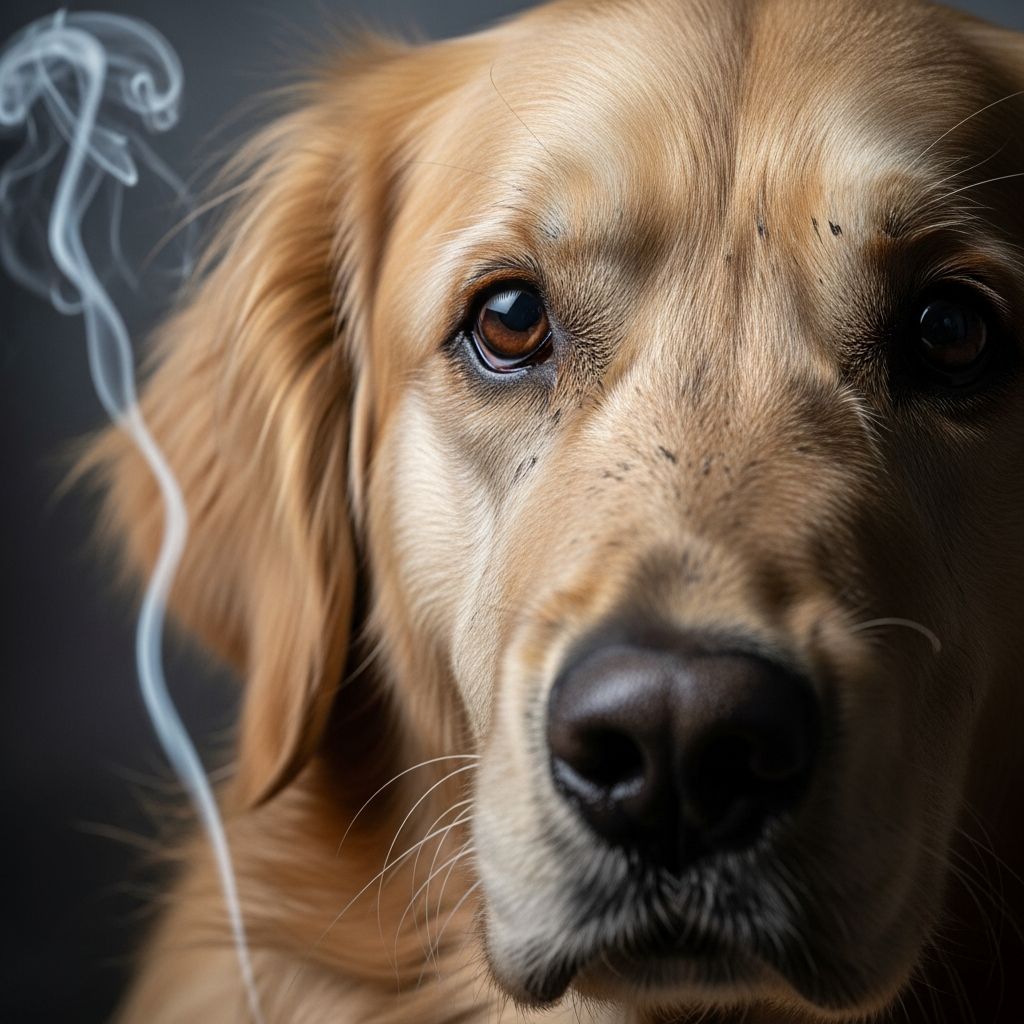
Smoke inhalation represents a critical emergency in veterinary medicine, affecting pets and livestock exposed to fires. It involves a complex mix of thermal damage, chemical irritants, and toxic gases that impair breathing and systemic function, often leading to rapid deterioration if not addressed promptly.
Understanding the Mechanisms of Smoke Damage
Smoke from fires contains superheated particles, harmful gases like carbon monoxide, and irritants such as hydrogen chloride and aldehydes. These elements cause immediate hypoxia by binding to hemoglobin and reducing oxygen delivery, while chemicals provoke inflammation and mucosal sloughing in airways. Thermal injury primarily impacts upper airways due to rapid heat dissipation in the respiratory tract, though superheated gases can extend damage deeper.
In animals, smaller species like dogs and cats face heightened vulnerability from confined spaces during house fires, where synthetic materials produce denser, more toxic smoke. Lung parenchyma suffers delayed injury through fluid leakage and edema formation, exacerbating ventilation-perfusion mismatches.
Recognizing Clinical Signs in Affected Animals
Symptoms vary by exposure severity and time since incident. Initial signs include coughing, tachypnea, and stridor from upper airway edema. Animals may exhibit extended neck postures, gagging, or open-mouth breathing indicative of distress.
- Respiratory:** Labored breathing, wheezing, increased effort, and potential cyanosis.
- Neurologic:** Agitation, ataxia, seizures, or coma from cerebral hypoxia.
- Ocular:** Squinting, conjunctivitis, third eyelid prolapse due to irritant exposure.
- Other:** Facial swelling, soot in nares, or skin burns.
Delayed manifestations, appearing 24-72 hours post-exposure, include progressive dyspnea from cast formation or pneumonia. In one case, a dog developed tracheal obstruction from necrotic sloughing days after a house fire.
Diagnostic Approaches for Confirmation
Diagnosis relies on history of fire exposure combined with clinical evaluation. Immediate assessment includes pulse oximetry (noting false normals in CO poisoning), blood gas analysis for carboxyhemoglobin, and lactate levels.
Imaging is crucial: thoracic radiographs may reveal interstitial patterns, alveolar edema, or bronchial thickening, often worsening over days. Fiberoptic bronchoscopy visualizes mucosal hyperemia, edema, or casts.
| Test | Purpose | Key Findings |
|---|---|---|
| Arterial Blood Gas | Assess oxygenation/hypoxia | Low PaO2, high carboxyhemoglobin |
| Chest Radiographs | Detect pulmonary changes | Ventral alveolar patterns, tracheal narrowing |
| Bronchoscopy | Visualize airways | Necrotic tissue, obstructions |
| CBC/Chemistry | Rule out complications | Leukocytosis, elevated lactate |
Repeat imaging monitors progression, as initial films may appear unremarkable.
Emergency Treatment Protocols
Treatment prioritizes airway patency, oxygenation, and supportive care. All suspected cases require immediate oxygen supplementation via mask, flow-by, or cage, bypassing delays for diagnostics.
Airway management may involve suctioning secretions, nebulized bronchodilators (e.g., albuterol), and mucolytics. Intubation or tracheostomy addresses severe obstruction. Fluid therapy maintains hydration judiciously to avoid pulmonary overload.
- Oxygen Therapy:** Cornerstone; hyperbaric if available for CO poisoning.
- Bronchodilators/Nebulization:** Relieve spasm and clear particulates.
- Anti-inflammatories:** Corticosteroids cautiously for edema; antibiotics only for confirmed infection.
- Pain Control:** Opioids for burns and discomfort.
For pneumonia or ARDS, mechanical ventilation may be necessary, alongside chest physiotherapy. Ophthalmic care includes lubrication and anti-inflammatories for corneal protection.
Specific Considerations for Common Species
Dogs and Cats
Companion animals often suffer combined thermal and chemical injuries from indoor fires. Cats, with narrower airways, risk rapid obstruction. Monitor for neurologic sequelae like seizures, treating with anticonvulsants if needed. Prognosis improves with mild signs responding to oxygen.
Livestock and Large Animals
Horses and cattle in barn fires face massive smoke volumes. Signs include colic-like distress and abortion risks from hypoxia. Field oxygen via nasal cannula and evacuation to open air are initial steps, followed by veterinary anti-inflammatory support.
Potential Complications and Long-term Effects
Secondary bacterial pneumonia arises from impaired mucociliary clearance, necessitating cultures for targeted antibiotics. Reactive airway dysfunction can persist, mimicking chronic bronchitis. Neurologic damage may resolve or lead to permanent deficits.
In severe cases, like extensive tracheal necrosis, euthanasia may be warranted due to grave prognosis. Early intervention mitigates risks, but progression despite therapy signals poor outcome.
Prevention Strategies for Pet Owners
Fire safety saves lives: install smoke detectors, avoid unattended candles, and create escape plans for pets. Microchipping aids recovery post-fire. Train animals to respond to commands for evacuation.
Barn fire prevention includes electrical checks, hay storage distancing from ignition sources, and sprinkler systems for livestock.
FAQs on Smoke Inhalation in Animals
What should I do immediately after fire exposure?
Remove from smoke, provide cool fresh air, and rush to a vet for oxygen without delay.
Can smoke inhalation symptoms appear later?
Yes, pulmonary edema or obstructions may develop 48-72 hours later, requiring monitoring.
Is pulse oximetry reliable?
No, it overestimates in CO cases; use blood gases instead.
Do all exposed animals need antibiotics?
No, only for confirmed infections; prophylaxis is not routine.
What is the prognosis?
Favorable for mild cases with prompt care; guarded for severe or progressive signs.
Case Study Insights
A Siberian Husky mix developed fatal tracheal obstruction four days post-house fire, highlighting delayed large airway risks despite initial stabilization. Radiographs showed progression from interstitial to alveolar patterns, with necropsy confirming sloughed mucosa and edema.
These examples underscore vigilant monitoring and advanced diagnostics in veterinary practice.
References
- Obstructive Tracheal Necrosis in a Dog Secondary to Smoke Inhalation Injury — Frontiers in Veterinary Science. 2020-07-10. https://www.frontiersin.org/journals/veterinary-science/articles/10.3389/fvets.2020.00409/full
- Treatment of Smoke Inhalation in Dogs and Cats — VETgirl. Accessed 2026. https://vetgirlontherun.com/videos/treatment-of-smoke-inhalation-in-dogs-and-cats-vetgirl-veterinary-ce-videos/
- Smoke Inhalation in Veterinary Patients: Pathophysiology, Diagnosis, and Treatment — PubMed (AAHA). 2024-09-01. https://pubmed.ncbi.nlm.nih.gov/39235782/
- Smoke Inhalation Dangerous to Pets — University of Illinois Veterinary Medicine. Accessed 2026. https://vetmed.illinois.edu/pet-health-columns/smoke-inhalation-dangerous-pets/
- Smoke Inhalation (Proceedings) — dvm360. Accessed 2026. https://www.dvm360.com/view/smoke-inhalation-proceedings
- Smoke Inhalation in Dogs and Cats — PetMD. Accessed 2026. https://www.petmd.com/emergency/smoke-inhalation-in-dogs-and-cats
Similar Articles








Read full bio of Sneha Tete


