

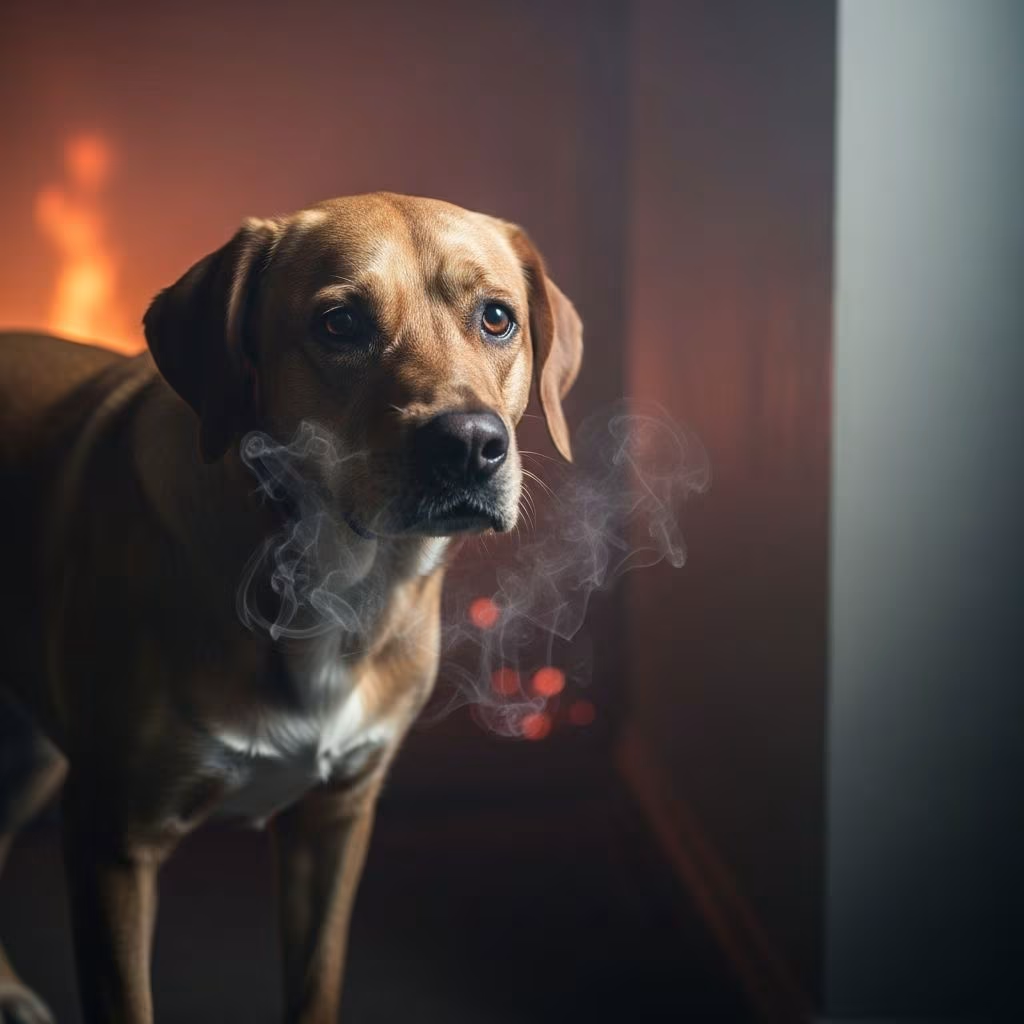
Understanding Smoke Inhalation in Dogs
Smoke inhalation is a serious condition that can affect dogs exposed to fires or heavy smoke. When dogs inhale smoke, they are exposed to a complex mixture of harmful gases, chemicals, and superheated particles that can cause significant damage to their respiratory system, eyes, and overall health. Understanding this condition is crucial for pet owners, as prompt recognition and treatment can make the difference between recovery and permanent complications or death.
Dogs are particularly vulnerable to smoke inhalation because their respiratory systems are sensitive, and they may not have the opportunity to escape smoke-filled environments as quickly as humans. The damage caused by smoke inhalation can progress over 48 to 72 hours, making early intervention and ongoing monitoring essential for a positive outcome.
What Causes Smoke Inhalation in Dogs?
Smoke inhalation occurs when dogs are exposed to smoke from fires, whether residential, commercial, or wildfire-related incidents. The smoke contains multiple toxic components that damage the airways and interfere with oxygen transport throughout the body. The primary harmful substances in smoke include carbon monoxide (CO), which binds to hemoglobin more readily than oxygen, and various chemical irritants that inflame the respiratory tract.
Additionally, the heat from smoke can cause thermal burns to the mouth, throat, and airways. Smoke particles also interfere with the lungs’ natural defense mechanisms, increasing the risk of secondary bacterial infections developing after the initial injury.
Recognizing the Signs of Smoke Inhalation
Early recognition of smoke inhalation symptoms is vital for getting your dog the emergency care they need. Signs of smoke inhalation can develop immediately or progress over time, so it’s important to monitor your dog closely after any smoke exposure.
Respiratory Signs
The most common signs of smoke inhalation are respiratory in nature. Affected dogs may exhibit:
- Coughing or gagging
- Labored breathing or shortness of breath
- Increased respiratory rate
- Wheezing
- Neck extension posture (appearing as if struggling to breathe)
Eye and Facial Symptoms
The heat and irritants in smoke can cause significant eye damage. Observable signs include:
- Squinting due to pain
- Third eyelid elevation over the eye
- Eye inflammation and redness (conjunctivitis)
- Facial swelling
- Burns around the mouth and face
- Blisters over the mouth
Neurologic Signs
When the brain is deprived of oxygen due to smoke inhalation, particularly with carbon monoxide exposure, neurologic signs may develop. These include:
- Weakness or lethargy
- Ataxia (impaired coordination or walking as if drunk)
- Seizures
- Coma
- Changes in mental state or depression
- Excessive drooling
- Vomiting
- Cherry red discoloration of the gums (specific to carbon monoxide inhalation)
Additional Signs
Dogs may also show changes in their vocalization patterns, such as altered barking sounds, which indicates throat irritation. Some dogs may experience agitation or unusual behavioral changes as a result of hypoxia or pain.
Complications from Smoke Inhalation
Beyond the immediate effects of smoke exposure, several complications can develop:
Pulmonary Edema: Fluid can accumulate in the lungs following smoke inhalation, making it difficult for the dog to breathe and reducing oxygen exchange efficiency.
Secondary Bacterial Pneumonia: Because smoke particles interfere with the lungs’ natural defense mechanisms, secondary bacterial infections are a common concern following smoke inhalation.
Airway Obstruction: In rare cases, severe swelling of the airways can lead to complete upper airway obstruction, which may require emergency intervention such as intubation or temporary tracheostomy.
Diagnosing Smoke Inhalation
Veterinarians use several diagnostic tools to assess the severity of smoke inhalation and guide treatment decisions. Immediate veterinary examination is essential if your dog has been exposed to smoke or shows any concerning signs.
Diagnostic Tests
Your veterinarian may recommend:
- Radiographs (X-rays): Used to evaluate the severity of pulmonary injury and identify patterns of inflammation in the lungs
- Complete Blood Count (CBC): Helps rule out concurrent medical problems and assess overall health status
- Serum Biochemistry Tests: Evaluate organ function and identify any systemic effects from smoke exposure
- Arterial Blood Gas (ABG) Monitoring: Measures oxygenation and ventilation levels to assess respiratory function
- Advanced Imaging: CT scans or ultrasound may be recommended to check for airway injury and respiratory tract function
- Electrocardiogram: Monitors heart rate and rhythm, as smoke inhalation can affect cardiac function
- Pulse Oximetry: While helpful for monitoring, pulse oximetry readings can be artificially elevated in carbon monoxide intoxication since most devices cannot differentiate between carboxyhemoglobin and oxyhemoglobin
It’s important to note that repeat imaging may be necessary because respiratory injury signs can have a delayed onset, progressing over the initial 48 to 72 hours following exposure.
Treatment Options for Smoke Inhalation
The treatment approach for smoke inhalation depends on the severity of your dog’s signs and may require hospitalization for monitoring and supportive care. Most dogs with smoke inhalation are hospitalized for at least 72 hours to ensure injuries are properly managed as they progress.
Oxygen Therapy
Oxygen therapy is the primary treatment for smoke inhalation and is begun in early stages of management. Oxygen clears carbon monoxide from the bloodstream, improving oxygen delivery to the body’s tissues. Dogs may be placed in an oxygen cage where concentrated oxygen is delivered in a non-stressful manner. In severe cases where airway obstruction is a concern, intubation with 100% oxygen administration may be necessary.
Airway Management
Ensuring a patent airway is the first priority in treating smoke inhalation. Veterinarians will assess for laryngeal swelling and excessive secretions that could obstruct airflow. Suction of the oropharyngeal cavity may be performed to clear secretions. In rare cases where complete upper airway obstruction occurs, intubation or temporary tracheostomy may be required.
Fluid Therapy
Intravenous (IV) fluids are administered judiciously to maintain proper hydration without causing additional complications. In cases where the dog shows signs of shock, balanced isotonic crystalloid fluids are given in strategic boluses, with the dog reassessed after each bolus to determine if shock signs are resolving.
Pain Management
Smoke inhalation often results in painful burns to the mouth, throat, and airways. Affected dogs are typically given injectable pain medications to keep them comfortable. Oral anesthetic rinses may also be used if burns are present in the mouth.
Bronchodilators
In cases where lower airway inflammation or bronchoconstriction is present, bronchodilators help keep airways open and improve breathing. Common medications include:
- Albuterol (via metered-dose inhaler)
- Terbutaline (injectable)
- Aminophylline (injectable)
Nebulization and Chest Physiotherapy
Nebulization therapy delivers medication directly to the airways to reduce inflammation and clear secretions. Combined with chest physiotherapy, these treatments support respiratory function and promote healing.
Antibiotics
Antibiotics may be administered to treat or prevent secondary bacterial infections that commonly develop following lung damage from smoke inhalation. These are typically prescribed if signs of pneumonia develop or are anticipated based on the severity of initial injury.
Anti-inflammatory Medications
Steroids are typically not recommended unless upper airway edema is present. If steroids are used, an appropriate anti-inflammatory dose of dexamethasone (such as 0.1 to 0.15 mg/kg IV) is administered to reduce swelling without causing systemic complications.
Ophthalmic Medications
Dogs with eye irritation and burns may require ophthalmic medications to reduce pain, prevent infection, and promote healing of damaged eye tissues.
Recovery and Prognosis
The prognosis for dogs with smoke inhalation varies depending on the severity of exposure and the promptness of treatment. Dogs with mild clinical signs who respond well to initial stabilization generally have a favorable prognosis. However, patients with severe signs or those showing progression despite initial stabilization may require more advanced or intensive care.
Rest is essential during recovery, similar to recovery from any major injury. Your veterinarian will provide guidance on activity restrictions and monitoring requirements during the recovery period. Because injuries can progress over 48 to 72 hours, close observation during this window is particularly important.
Prevention and Emergency Preparedness
While not all smoke exposure situations are preventable, pet owners can take steps to minimize risk:
- Install and maintain smoke detectors throughout your home
- Have an evacuation plan that includes your pets
- Keep carriers or leashes readily accessible for quick evacuation
- Ensure your dog has current ID in case you’re separated during evacuation
- During wildfire season, monitor air quality and limit outdoor exposure on high-smoke days
- Never leave dogs unattended in garages or near sources of carbon monoxide
Frequently Asked Questions
Q: How quickly do signs of smoke inhalation appear in dogs?
A: Some signs may appear immediately after smoke exposure, such as coughing or difficulty breathing. However, other symptoms, particularly neurologic signs from carbon monoxide exposure or pulmonary edema, can develop over 48 to 72 hours. This is why continued monitoring during this period is essential.
Q: Can I treat my dog’s smoke inhalation at home?
A: No. Smoke inhalation is a serious emergency requiring immediate veterinary attention. While first aid such as moving the dog to fresh air and applying cool water to burns is appropriate at the scene, professional veterinary care is essential. The risk of complications and delayed progression of injuries makes hospitalization and monitoring crucial.
Q: What is the difference between smoke inhalation and carbon monoxide poisoning?
A: Carbon monoxide (CO) is one of the harmful gases contained in smoke. CO binds to hemoglobin more readily than oxygen, displaces oxygen, and results in cellular hypoxia. While smoke inhalation refers to the overall injury from smoke exposure, carbon monoxide poisoning specifically refers to the effects of CO gas, which includes neurologic signs and characteristic cherry-red gum discoloration.
Q: Will my dog recover completely from smoke inhalation?
A: Recovery depends on the severity of exposure and promptness of treatment. Dogs with mild to moderate exposure and good response to initial treatment often recover well. However, severe cases may result in permanent respiratory complications or other long-term effects. Your veterinarian can provide a more specific prognosis based on your individual dog’s condition.
Q: How long will my dog need to stay hospitalized?
A: Most dogs with smoke inhalation require hospitalization for at least 72 hours to allow for proper monitoring and management as injuries progress. Some dogs may require longer stays depending on severity and response to treatment.
Q: Is pulse oximetry accurate for dogs with smoke inhalation?
A: Pulse oximetry readings can be misleading in smoke inhalation cases because most devices cannot differentiate between carboxyhemoglobin and oxyhemoglobin. This means SpO2 readings may appear artificially elevated despite actual oxygen deficiency. Arterial blood gas analysis is more reliable for assessing true oxygenation status.
References
- Smoke Inhalation in Dogs — VCA Animal Hospitals. 2024. https://vcahospitals.com/know-your-pet/smoke-inhalation-in-dogs
- Smoke Inhalation Injury in Animals — Merck Veterinary Manual. 2024. https://www.merckvetmanual.com/toxicology/smoke-inhalation-injury/smoke-inhalation-injury-in-animals
- Smoke Inhalation in Veterinary Patients: Pathophysiology, Clinical Presentation, Diagnosis, and Treatment — PubMed (National Center for Biotechnology Information). Published 2024. https://pubmed.ncbi.nlm.nih.gov/39235782/
- Treatment of Smoke Inhalation in Dogs and Cats — VETgirl Veterinary Continuing Education. 2024. https://vetgirlontherun.com/videos/treatment-of-smoke-inhalation-in-dogs-and-cats-vetgirl-veterinary-ce-videos/
- Smoke Inhalation: Signs, Diagnosis, Treatment, Prognosis — Clinician’s Brief. 2024. https://www.cliniciansbrief.com/article/smoke-inhalation
- Smoke Inhalation Dangerous to Pets — Veterinary Medicine at Illinois. 2024. https://vetmed.illinois.edu/pet-health-columns/smoke-inhalation-dangerous-pets/
- Understanding and Treating Smoke Inhalation in Your Pet — Animal Emergency Care. 2024. https://animalemergencycare.net/aecprevents/understanding-and-treating-smoke-inhalation-in-your-pet/



