

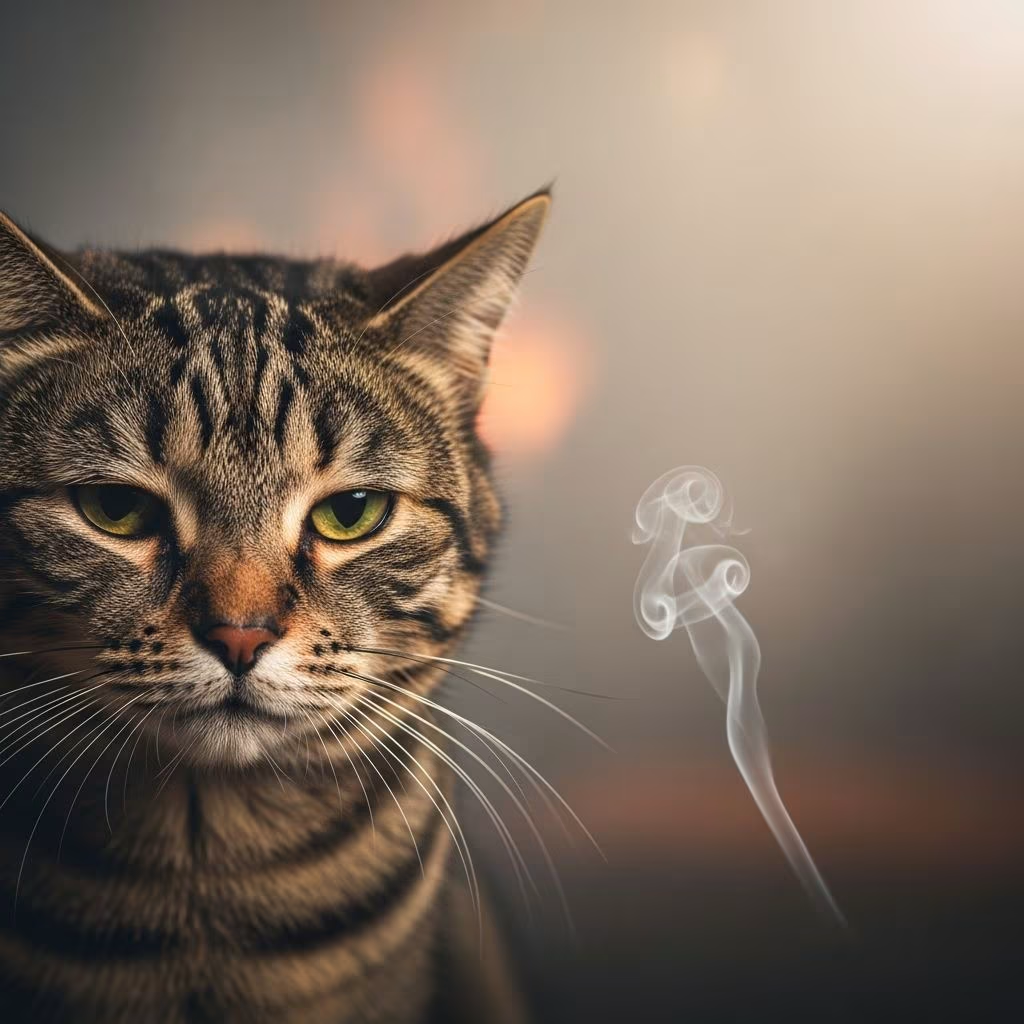
Smoke Inhalation in Cats: A Complete Guide
Smoke inhalation represents a serious medical emergency for cats and can result from house fires, structural fires, or accidental exposure to smoke and toxic fumes. When cats inhale smoke, they are exposed to a complex mixture of harmful gases, chemicals, and superheated particles that can cause immediate and delayed injuries to multiple body systems. Understanding the signs, treatment options, and potential complications of smoke inhalation is essential for pet owners who want to protect their feline companions and respond appropriately in emergency situations.
Understanding Smoke Inhalation Injuries
Smoke inhalation causes hypoxia, which is a deficiency of oxygen in the blood and tissues. This occurs because smoke contains carbon monoxide and other toxic gases that impair the body’s ability to transport and utilize oxygen effectively. Additionally, the heat and irritants within smoke cause thermal and chemical injuries to the airways and lungs. The damage is not always immediately apparent, and injuries can progress significantly over 48 to 72 hours following exposure. This delayed progression means that even cats who appear relatively stable initially may develop serious complications within the first few days after smoke exposure.
Beyond respiratory damage, smoke inhalation can affect multiple organ systems. The eyes are particularly vulnerable to irritation from smoke particles and heat. Cats may experience ocular pain, inflammation, and potential ulceration. Neurological signs can occur if the brain is deprived of sufficient oxygen, particularly in cases of carbon monoxide poisoning. The lungs’ normal defense mechanisms are compromised by smoke exposure, making secondary bacterial infections a significant concern.
Common Signs of Smoke Inhalation in Cats
Recognizing the signs of smoke inhalation is critical for prompt veterinary intervention. Respiratory symptoms are the most common manifestations and may include:
- Coughing, hacking, or gagging
- Labored or difficult breathing (dyspnea)
- Increased respiratory rate (tachypnea)
- Wheezing or abnormal breathing sounds
- Open-mouthed breathing
- Shortness of breath or gasping for air
- Cats standing with their neck extended as if struggling to breathe
Ocular involvement is also common with smoke inhalation. Cats may squint due to pain, and you may notice the third eyelid remaining up over the eye. Inflammation and redness of the eyes (conjunctivitis) typically occur, along with excessive tear production and potential eye ulceration.
If the brain is deprived of adequate oxygen due to carbon monoxide inhalation, cats may develop neurological signs including weakness, ataxia (impaired coordination or walking as if drunk), seizures, or coma. Cats with carbon monoxide inhalation may drool excessively, vomit, or develop a characteristic cherry-red discoloration of the gums.
Additional signs that may be observed include fever, depression or altered mental state, salivation, facial swelling, blisters around the mouth and nose, and changes in vocalization. Cats with severe smoke inhalation may also exhibit signs of shock, including pale gums and rapid heartbeat.
Complications of Smoke Inhalation
Several serious complications can develop following smoke inhalation in cats. Pulmonary edema, which is the accumulation of fluid in the lungs, is a significant concern. Secondary bacterial pneumonia can develop because smoke particles interfere with the normal defense mechanisms of the lungs. Thermal burns to the airways and mouth may result in ulceration and erosion. Cardiac arrhythmias may occur, particularly in cases involving carbon monoxide poisoning. Cyanide poisoning is another potential concern, as cyanide is present in smoke from certain types of fires.
Immediate First Aid and Emergency Response
If your cat has been exposed to smoke or fire, immediate action is essential. First, if it is safe to do so, remove your cat from the source of smoke or fire to a well-ventilated area with fresh air immediately. If your cat is not breathing, begin CPR or artificial respiration if you have been trained to do so.
If your cat is conscious and breathing, perform basic decontamination. Rinse the cat with tepid (lukewarm) tap water to remove soot and chemical residue from the fur and skin. Flush the eyes copiously with clean tap water to remove irritants. Keep your cat warm and dry while transporting to the veterinary clinic.
Most importantly, seek veterinary attention immediately, regardless of whether your cat is currently showing signs of smoke inhalation. Many injuries from smoke inhalation develop over hours or days, and early veterinary evaluation can prevent serious complications.
Veterinary Diagnosis of Smoke Inhalation
When you bring your cat to the veterinary clinic, the veterinarian will conduct a thorough physical examination. Blood tests will be performed to check for evidence of carbon monoxide poisoning, assess blood oxygen levels, and identify any concurrent medical problems. Chest radiographs (X-rays) are typically recommended to evaluate the lungs and airways for damage, inflammation, or fluid accumulation. Advanced imaging such as ultrasound or computed tomography (CT) scans may be recommended in severe cases to assess the full extent of airway injury and respiratory tract function.
Your veterinarian will monitor your cat’s oxygenation levels, ventilation ability, and mental status closely. An electrocardiogram (ECG) may be performed to monitor heart rate and identify any cardiac arrhythmias. Pulse oximetry will be used to continuously measure oxygen saturation in the blood.
How Smoke Inhalation Is Treated
The treatment of smoke inhalation depends on the severity of your cat’s signs and the extent of damage. Most injuries seen with smoke inhalation progress over 48 to 72 hours, so hospitalization and close monitoring for at least 72 hours is typically necessary.
Oxygen Therapy
In the early stages, most cases of smoke inhalation are treated with oxygen therapy. Oxygen clears carbon monoxide from the bloodstream and improves oxygen delivery to the body’s tissues. Your cat may be placed in an oxygen cage or chamber where concentrated oxygen can be delivered in a non-stressful manner. In more severe cases, a nasal cannula, face mask, or intubation may be necessary. Immediate oxygen therapy is mandatory for all suspected smoke inhalation patients and should not be delayed pending diagnostic test results.
Intravenous Fluids
Your veterinarian will place an intravenous (IV) catheter in your cat to administer IV fluids. These fluids keep the lungs moist and decrease the risk of secondary complications. Additionally, cats recovering from smoke inhalation may be unwilling or unable to drink water for the first few days, making IV fluids essential for preventing dehydration.
Pain Management
Smoke inhalation often results in painful burns to the mouth, throat, and airways. Your veterinarian will administer pain medication to keep your cat comfortable. Affected cats are typically given injectable pain medications for optimal comfort. Oral anesthetic rinses may also be used if there are burns in the mouth.
Bronchodilators and Airway Management
Your cat may receive bronchodilators to help keep airways open and improve breathing ability if needed. In some cases, nebulization and coupage may be employed. These techniques deliver medication directly to the lungs and help remove lung secretions.
Antibiotics and Anti-inflammatory Medications
Antibiotics may be required to treat or prevent secondary bacterial infections that can occur following lung damage. In severe cases, steroids may be administered to help reduce inflammation in the airways and lungs.
Supportive Care
Additional supportive care measures may be necessary depending on your cat’s condition. Temperature monitoring is essential, as fever may develop. Regular respiratory observation ensures any deterioration is detected quickly. In some cases, hyperbaric oxygen therapy may be beneficial for treating pulmonary edema, carbon monoxide poisoning, cyanide poisoning, and thermal burns, though this treatment is not widely available.
Prognosis and Recovery
Most cats with smoke inhalation have a good prognosis. Studies have shown that estimated survival rates for animals without skin burns are approximately 90%. Cats with mild clinical signs who respond well to initial stabilization generally have a favorable prognosis and can recover fully with appropriate treatment.
However, the prognosis becomes more guarded in cases where severe signs develop or progression continues despite initial stabilization. The combination of severe burns with severe carbon monoxide poisoning generally has a poor clinical outcome. In these cases, early euthanasia may be considered as a humane option.
Recovery time varies depending on the severity of injury. Most cats require hospitalization for at least 72 hours and may need supplemental oxygen for several days or longer. Cats should receive supplemental oxygen for at least six hours, even if respiratory improvement is observed, as complications can still develop. Follow-up veterinary visits may be necessary to monitor lung function and ensure complete recovery.
Prevention and Fire Safety
The best approach to smoke inhalation is prevention. Ensure your home has working smoke detectors on every level and in every bedroom. Have a fire escape plan that includes your pets, and keep a carrier and leash readily accessible in case rapid evacuation is necessary. Store flammable materials safely and maintain electrical systems properly. If you have a fireplace or wood stove, have it professionally inspected and cleaned annually.
In the event of a fire, prioritize evacuation. Do not re-enter a burning building to retrieve pets. Smoke inhalation injuries can be fatal, so your safety and your pet’s safety depend on quick evacuation.
Frequently Asked Questions About Smoke Inhalation in Cats
Q: How quickly does smoke inhalation affect cats?
A: Cats can be harmed by smoke inhalation within minutes of exposure. However, some injuries from smoke inhalation develop gradually over 48 to 72 hours following exposure, which is why veterinary evaluation is critical even if your cat appears relatively stable initially.
Q: Can a cat recover from severe smoke inhalation?
A: Many cats with severe smoke inhalation can recover with prompt and intensive veterinary treatment. However, cases combining severe burns with severe carbon monoxide poisoning have a poor prognosis.
Q: What should I do if my cat is unconscious after smoke exposure?
A: Check for a heartbeat. If you do not feel a heartbeat, begin CPR or artificial respiration if trained to do so. Transport your cat to an emergency veterinary clinic immediately while continuing CPR if possible.
Q: How long does smoke inhalation treatment take?
A: Most cats require hospitalization for at least 72 hours. Treatment duration depends on the severity of injury. Some cats may require supplemental oxygen for several days or longer.
Q: Can I treat smoke inhalation at home?
A: No. Smoke inhalation requires professional veterinary care. While you can perform immediate first aid by moving your cat to fresh air and rinsing the eyes, your cat must receive veterinary treatment as soon as possible.
Q: What is carbon monoxide poisoning in cats?
A: Carbon monoxide is a toxic gas present in smoke that binds to hemoglobin in the blood, preventing oxygen transport. This can cause neurological signs, weakness, seizures, and characteristic cherry-red gum discoloration in cats.
Q: Why do cats need extended oxygen therapy even after breathing normally?
A: Oxygen therapy helps reverse hypoxia and reduces the risk of delayed complications such as pulmonary edema and secondary infections. Cats should receive supplemental oxygen for at least six hours even if respiratory improvement is observed.
References
- Smoke Inhalation in Cats — VCA Animal Hospitals. https://vcahospitals.com/know-your-pet/smoke-inhalation-in-cats
- Smoke Inhalation in Veterinary Patients: Pathophysiology, Clinical Presentation, and Treatment — Merck Veterinary Manual, American Animal Hospital Association. 2024. https://www.merckvetmanual.com/toxicology/smoke-inhalation-injury/smoke-inhalation-injury-in-animals
- Smoke Inhalation in Veterinary Patients: Pathophysiology — PubMed Central, National Center for Biotechnology Information. 2024. https://pubmed.ncbi.nlm.nih.gov/39235782/
- Understanding and Treating Smoke Inhalation in Your Pet — Animal Emergency Care. https://animalemergencycare.net/aecprevents/understanding-and-treating-smoke-inhalation-in-your-pet/
- Smoke Inhalation in Dogs and Cats: What To Do if Your Pet Inhales Smoke — PetMD. https://www.petmd.com/emergency/smoke-inhalation-in-dogs-and-cats
- Smoke Inhalation in Cats — Lort Smith Melbourne Animal Hospital. https://lortsmith.com/need-help-now/cat/injury-trauma/smoke-inhalation-in-cats/



