

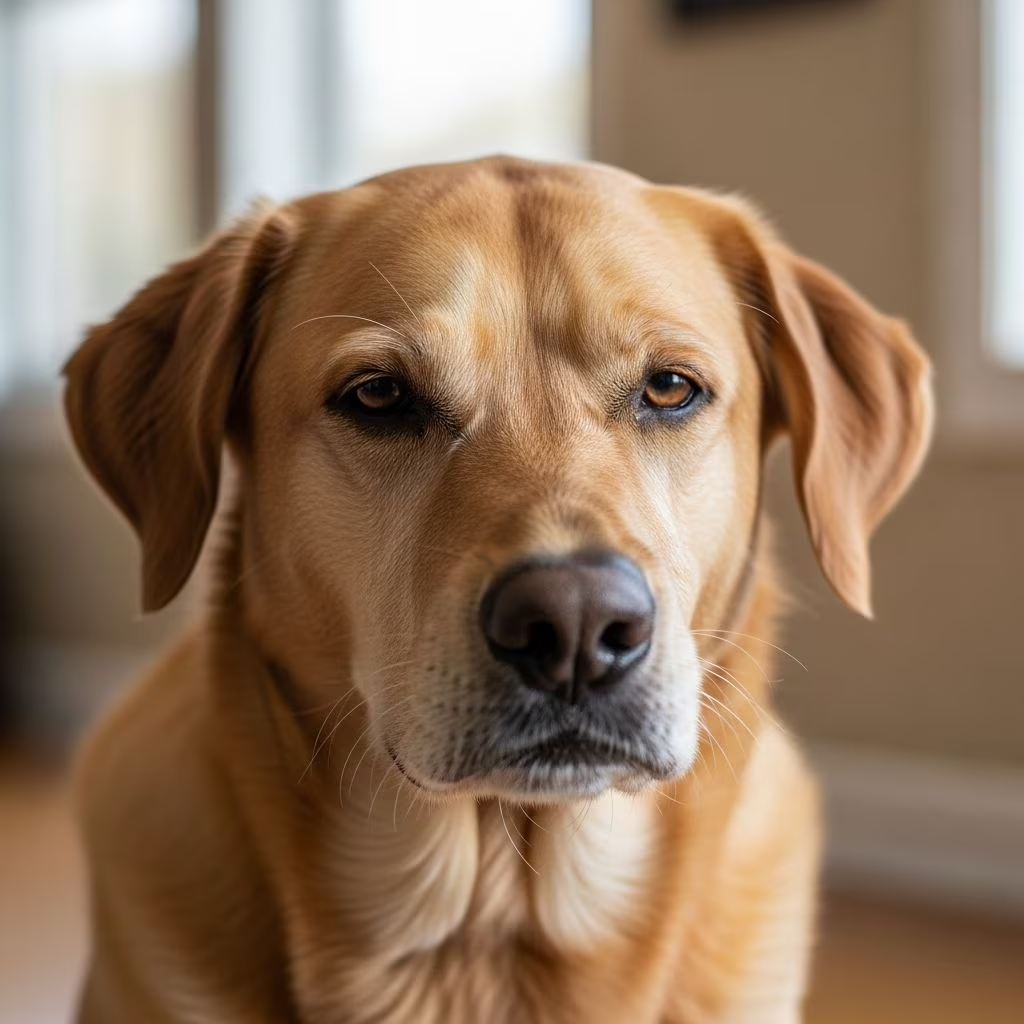
Smelly Dog: Why Does My Dog Stink?
If you’ve noticed that your dog has developed an unpleasant odor, you’re not alone. Many dog owners struggle with the question: “Why does my dog smell?” While it’s easy to dismiss a smelly dog as just part of pet ownership, persistent odors often signal an underlying issue that requires attention. Understanding the root cause of your dog’s smell is the first step toward resolving the problem and keeping your furry companion fresh and healthy.
Dog odor can range from a mild, natural musk to an overwhelming stench that fills your entire home. The good news is that in most cases, dog smell is preventable and treatable once you identify what’s causing it. This comprehensive guide will explore the various reasons why your dog might stink and provide practical solutions to eliminate odors and maintain your dog’s hygiene.
Common Causes of Dog Odor
Dogs can develop unpleasant odors for numerous reasons, ranging from simple hygiene issues to serious medical conditions. By understanding these causes, you can take appropriate action to address the problem effectively.
Skin Infections and Yeast
One of the most common causes of dog odor is a skin infection or yeast overgrowth. Dogs with bacterial or fungal skin infections often develop a distinctive musty or yeasty smell. These infections thrive in warm, moist environments, particularly in skin folds, ears, and between the paw pads. Breeds with skin folds, such as Shar-Peis, Bulldogs, and Pugs, are especially prone to these infections.
Yeast infections typically produce a pungent, corn chip-like odor sometimes called “Frito Paws.” Bacterial skin infections may result in a stronger, more unpleasant smell. If you notice your dog scratching excessively, have red or inflamed skin, or detect a persistent odor despite regular bathing, a skin infection is likely the culprit.
Ear Infections
Ear infections are another frequent source of dog odor. Dogs with floppy ears or those who spend time in water are particularly susceptible to ear problems. A healthy dog’s ear should have minimal odor, but an infected ear can produce a strong, unpleasant smell. You may also notice your dog shaking their head frequently, scratching at their ears, or showing signs of discomfort.
Ear infections can be caused by bacteria, yeast, or parasites and require veterinary treatment. If you suspect an ear infection, don’t delay seeking professional help, as untreated infections can lead to more serious complications.
Poor Oral Hygiene and Dental Disease
Bad breath is often the most noticeable sign of poor oral hygiene or dental disease in dogs. Plaque and tartar buildup on teeth create an ideal environment for bacteria to flourish, resulting in foul-smelling breath. If your dog’s breath smells particularly offensive or fishy, it may indicate gum disease or tooth decay.
Regular teeth brushing and professional dental cleanings can prevent most oral health issues. However, if your dog already has dental disease, veterinary intervention may be necessary to prevent tooth loss and systemic health problems.
Anal Gland Issues
Dogs have two small glands located near their anus that produce a strong-smelling secretion. In healthy dogs, these glands empty naturally during bowel movements. However, when these glands become impacted, infected, or inflamed, they produce a particularly pungent odor. You may notice your dog scooting across the floor or excessively licking the anal area, which are signs that the glands need attention.
Regular grooming and expression of the anal glands by a veterinarian or professional groomer can help prevent this issue.
Wet or Damp Coat
Even the cleanest dog can smell unpleasant when wet. The distinctive “wet dog smell” results from microbes and bacteria on your dog’s skin and coat being activated by moisture. This smell is completely normal and typically disappears once your dog dries off. However, if your dog spends a lot of time wet or damp, the smell may become more persistent.
If your dog enjoys water activities or lives in a humid climate, ensure their coat dries thoroughly after exposure to moisture. This helps prevent skin infections and maintains a fresher-smelling coat.
Dietary Issues
Sometimes, dog odor originates from within. Certain foods can contribute to increased body odor, gas, and unpleasant-smelling waste. Dogs with food sensitivities or allergies may develop skin issues that exacerbate odor problems. Additionally, a poor-quality diet lacking essential nutrients can result in an unhealthy coat and skin, contributing to overall odor.
Feeding your dog a high-quality, balanced diet appropriate for their age and health status can significantly improve their coat quality and reduce body odor.
Medical Conditions
Certain medical conditions can cause or contribute to dog odor. Diabetes, kidney disease, liver disease, and thyroid problems can all manifest in increased body odor. If your dog’s smell has suddenly worsened or is accompanied by other symptoms such as increased thirst, frequent urination, or behavioral changes, consult your veterinarian immediately.
Breed Predispositions to Odor
Some dog breeds are naturally more prone to odor than others due to their coat type, skin structure, or genetic predispositions. Understanding your breed’s tendencies can help you manage odor more effectively.
Breeds with thick, double coats, such as German Shepherds, Golden Retrievers, and Huskies, tend to retain moisture and odor more readily. Breeds with skin folds, including Bulldogs, Shar-Peis, and Pugs, are prone to infections that cause odor. Water-loving breeds like Retrievers may experience more frequent moisture-related odors. By being aware of your breed’s predispositions, you can implement preventive measures and maintain regular grooming schedules.
Solutions for Eliminating Dog Odor
Once you’ve identified the cause of your dog’s odor, you can take steps to address it. Here are several effective solutions:
Regular Bathing and Grooming
Regular baths are one of the most straightforward ways to manage dog odor. Most dogs benefit from bathing every 4-8 weeks, though this frequency depends on coat type, lifestyle, and any underlying skin conditions. Use a high-quality dog shampoo formulated for your dog’s specific coat and skin type.
Between baths, dry shampoo or grooming wipes can help manage odor. Regular brushing also helps remove dead hair and reduces odor-causing bacteria on the skin and coat.
Professional Grooming
Professional groomers have expertise in bathing, drying, and grooming techniques that can significantly reduce odor. They can also express anal glands and identify potential skin issues during grooming. Regular professional grooming every 6-8 weeks can help maintain your dog’s hygiene and freshness.
Veterinary Treatment
If your dog’s odor is caused by a medical condition, infection, or disease, veterinary treatment is essential. Your veterinarian can diagnose the underlying issue and recommend appropriate treatment, whether that’s antibiotics for bacterial infections, antifungal medications for yeast, or management of chronic conditions.
Dental Care
Maintaining your dog’s dental health is crucial for preventing bad breath and oral diseases. Brush your dog’s teeth daily if possible, or at least several times per week. Provide dental chews and toys designed to promote oral health. Regular professional dental cleanings by your veterinarian help prevent serious dental disease.
Diet and Nutrition
Feeding a high-quality, balanced diet can improve your dog’s overall health and reduce odor. Consider foods with omega-3 fatty acids, which promote healthy skin and coat. If you suspect a food sensitivity, work with your veterinarian to identify and eliminate problematic ingredients.
Environmental Management
Keep your dog’s living space clean and dry. Wash bedding regularly, ensure adequate ventilation, and dry your dog thoroughly after exposure to moisture. These simple steps can significantly reduce odor in your home.
When to See a Veterinarian
While some dog odor is normal, persistent or unusually strong smells warrant a veterinary visit. Schedule an appointment with your veterinarian if:
- Your dog’s odor has suddenly worsened or changed
- The smell persists despite regular bathing and grooming
- Your dog is scratching excessively or has visible skin issues
- Your dog is experiencing other symptoms such as increased thirst, frequent urination, or lethargy
- Your dog has ear odor or visible ear discharge
- Your dog is scooting or showing signs of anal gland problems
Your veterinarian can perform a thorough examination, identify underlying health issues, and recommend appropriate treatment to resolve the odor problem.
Preventive Measures
Preventing dog odor is easier than treating it once it develops. Implement these preventive strategies to keep your dog smelling fresh:
- Establish a regular bathing and grooming routine appropriate for your dog’s coat type
- Brush your dog’s coat regularly to remove dead hair and distribute natural oils
- Maintain excellent dental hygiene through daily teeth brushing
- Feed a high-quality, balanced diet suitable for your dog’s age and health status
- Ensure your dog has access to clean, fresh water at all times
- Keep your dog’s living space clean and dry
- Schedule regular veterinary checkups to catch health issues early
- Address ear and skin issues promptly before they become serious problems
- Provide regular exercise and mental stimulation to reduce stress-related health issues
Frequently Asked Questions
Q: Is it normal for dogs to smell?
A: All dogs have a natural scent, but it should be mild and not unpleasant. A strong or persistent odor typically indicates an underlying issue that needs attention.
Q: How often should I bathe my dog?
A: Most dogs benefit from bathing every 4-8 weeks, depending on coat type, lifestyle, and skin conditions. Dogs with skin problems may need more frequent bathing with medicated shampoo.
Q: Can diet affect my dog’s odor?
A: Yes, diet plays a significant role in your dog’s overall health, including skin and coat condition. A high-quality diet with proper nutrients can help reduce odor and improve your dog’s health.
Q: What causes the “wet dog smell”?
A: The distinctive wet dog smell results from bacteria and microbes on your dog’s skin being activated by moisture. This smell is normal and typically disappears once your dog dries off.
Q: When should I be concerned about my dog’s odor?
A: If your dog’s odor has suddenly worsened, persists despite regular grooming, or is accompanied by other symptoms, consult your veterinarian. These signs may indicate an underlying health issue.
Q: Are certain breeds more prone to odor?
A: Yes, breeds with thick coats, skin folds, or those that spend time in water are more prone to odor. Understanding your breed’s predispositions helps with effective odor management.
Q: How can I freshen my dog between baths?
A: Dry shampoos, grooming wipes, and regular brushing can help manage odor between baths. Ensure your dog’s coat dries thoroughly if exposed to moisture.
References
- Why Does My Dog’s Breath Stink? Possible Reasons for Bad Breath — American Kennel Club (AKC). 2024. https://www.akc.org/expert-advice/health/stinky-dog-breath/



