

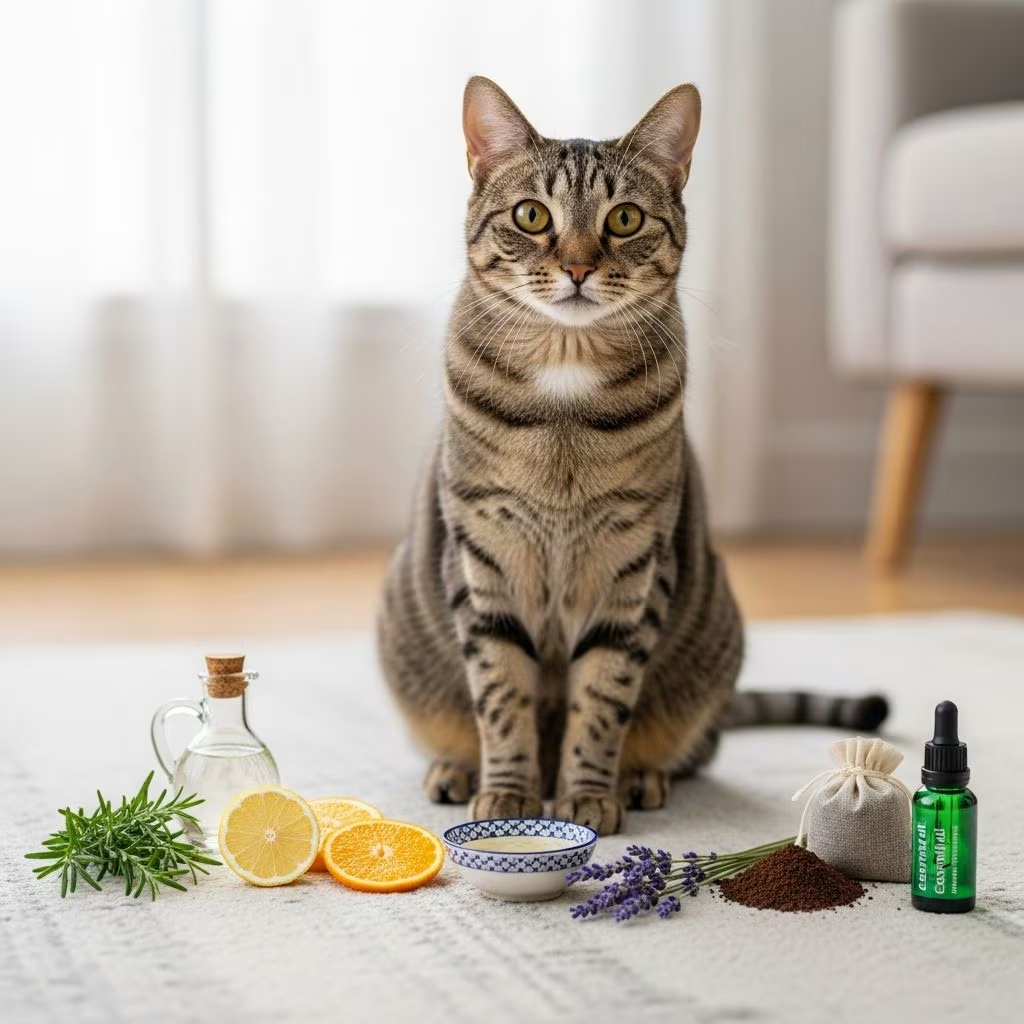
Cats are beloved pets, but dealing with inappropriate urination can be frustrating. Whether your cat is peeing outside the litter box due to stress, medical issues, or marking territory, certain strong scents can act as natural deterrents. Cats possess an extraordinary sense of smell—about 14 times stronger than humans—which makes them highly sensitive to odors they dislike. This article explores six vet-approved smells that effectively discourage cats from peeing in unwanted areas, such as furniture, carpets, or yards. These natural repellents are safe when used correctly, but always consult a veterinarian to rule out underlying health problems first.
Why Do Cats Pee Outside the Litter Box?
Before diving into solutions, understanding the root cause is essential. Cats may urinate inappropriately for several reasons: urinary tract infections, bladder stones, diabetes, or kidney disease are common medical culprits. Behavioral issues like stress from changes in the home, multi-cat conflicts, or litter box aversion also play a role. A dirty litter box, its location, or type can trigger avoidance. According to veterinary experts, addressing medical issues first ensures scent deterrents work effectively alongside proper litter training.
- Medical causes: Infections or diseases causing pain or urgency.
- Behavioral causes: Stress, territory marking, or litter preferences.
- Environmental factors: Unclean or inaccessible litter boxes.
Once health is confirmed, scents can reinforce litter box use by making off-limits areas unappealing.
The 6 Smells That Deter Cats From Peeing
Here are the top six scents proven to repel cats from peeing where they shouldn’t. These are drawn from veterinary recommendations and practical pet owner experiences, focusing on safety and efficacy.
1. Lavender
A bushy, strong-smelling perennial plant, lavender is renowned for its calming properties in human aromatherapy, reducing anxiety and stress. For cats, however, its potent floral aroma acts as a powerful deterrent against peeing problems. Place dried lavender sachets, potted plants, or diluted sprays near problem areas like sofas or rugs. Cats instinctively avoid the camphor-like scent, steering clear of treated spots while you enjoy a pleasant fragrance indoors or in gardens.
How to use: Stuff fabric pouches with dried buds and position them strategically. Refresh every few weeks as the scent fades. Lavender plants in yards create long-term barriers.
Safety note: Lavender essential oil can be toxic if ingested or over-concentrated; stick to dried forms or plants.
2. Peppermint Plants
Peppermint’s refreshing, cool menthol scent invigorates humans but overwhelms cats’ sensitive noses. This holiday favorite makes an excellent natural repellent. Pot fresh peppermint plants and place them near furniture legs, doorways, or garden beds where your cat frequents. The plant’s strong aroma encourages litter box use without harsh chemicals.
Tips: Combine with motion-activated devices for outdoor efficacy. Replant as needed for sustained deterrence.
3. Eucalyptus
Sharp, minty, and honey-sweet, eucalyptus clears sinuses for humans but repels cats effectively. Its powerful odor disrupts their marking instincts, making it ideal for homemade sprays to prevent peeing on carpets or plants. Use fresh leaves in bowls or dilute leaf infusions for spritzing surfaces.
Application ideas:
- Sprinkle dried leaves around yard perimeters.
- Create sprays: Boil leaves, strain, and mist fabrics (test for staining first).
- Pair with citrus for amplified effect.
Veterinarians note eucalyptus as safe in moderation, but avoid direct contact or ingestion.
4. Coffee
The harsh, bitter aroma of coffee beans or grounds is immediately off-putting to cats due to their acute olfactory sensitivity. Place small satchels of used grounds or whole beans near furniture, plants, or entry points. This low-cost solution absorbs odors while deterring future incidents.
Pro tips:
- Refresh weekly to maintain potency.
- Ideal for outdoors: Scatter around garden beds to protect veggies.
- Combines well with vinegar for multi-scent barriers.
Coffee is non-toxic and readily available, making it a go-to for many pet owners.
5. Vinegar
Vinegar’s pungent acidity not only neutralizes existing urine smells but also prevents recurrence. Dilute white vinegar with water (1:1 ratio) and spray on affected areas after cleaning. Its lingering sharpness repels cats from returning to the spot.
| Vinegar Use Cases | Method | Frequency |
|---|---|---|
| Indoor fabrics | Diluted spray | Daily until habit breaks |
| Yard borders | Full-strength soak | Weekly reapply |
| After accidents | Clean + spray | Immediately |
Use sparingly to avoid overwhelming your space. Enzyme cleaners pair excellently for thorough odor removal.
6. Citrus
Citrus scents from lemons, oranges, limes, and grapefruits are universally detested by felines. The zesty, acidic oils irritate their nasal passages, creating an effective barrier. Scatter peels around problem zones or simmer rinds for natural sprays.
Best practices:
- Peels in bowls near litter alternatives.
- Spray diluted juice on outdoor furniture.
- Rotate with other scents to prevent habituation.
Avoid essential oils; fresh peels are safest and most effective.
How to Use These Smells Safely and Effectively
To maximize results, integrate scents thoughtfully:
- Clean accidents thoroughly with enzyme cleaners to erase attractants.
- Provide multiple clean litter boxes (one per cat + one extra).
- Monitor for stress; combine with pheromone diffusers if needed.
- Test small areas to ensure no damage to surfaces.
- Reapply regularly, as outdoor scents dissipate faster.
For persistent issues, veterinary behaviorists recommend a multi-faceted approach over scents alone.
Potential Risks and Warnings
While natural, some scents pose risks:
- Essential oils: Toxic to cats (peppermint, eucalyptus, citrus oils)—use plants or peels only.
- Ingestion: Cats may nibble plants; elevate or supervise.
- Allergies: Rare, but watch for sneezing or irritation.
- Overuse: Can stress cats; rotate scents.
Always prioritize vet check-ups for urinary issues.
Frequently Asked Questions (FAQs)
What is the most effective smell to stop cats from peeing?
Citrus tops the list for its universal repulsion, followed by vinegar and lavender. Effectiveness varies by cat.
Are essential oils safe for deterring cats?
No, most are toxic. Use plants, peels, or diluted vinegars instead.
Can these smells harm my cat?
When used as directed (no oils, moderate application), they are safe. Avoid ingestion.
How long do scent deterrents last?
Indoors: 1-2 weeks; outdoors: 3-7 days. Reapply as needed.
What if scents don’t work?
Consult a vet for medical/behavioral evaluation. Consider litter changes or Feliway.
References
- What Smells Deter Cats From Peeing? 6 Vet-Approved Scents — Catster. 2023-10-15. https://www.catster.com/lifestyle/smells-that-deter-cats-from-peeing/
- What Smells Repel Cats: Top 20 Most Disliked Scents by Cats — Sonic Barrier. 2024-05-22. https://sonic-barrier.us/blogs/cats/what-smells-repel-cats
- Scent-sational Solutions: Safe Smells That Keep Cats Away — Neater Pets. 2023-11-08. https://neaterpets.com/blogs/news/scents-that-keep-cats-away
- What Smells Do Cats Hate? 15 Scents Cats Dislike — PetMD (Veterinarian-reviewed). 2024-02-14. https://www.petmd.com/cat/general-health/what-smells-do-cats-hate
- What Smells Deter Cats From Peeing? (A Veterinarian Explains) — Cats.com. 2024-01-30. https://cats.com/what-smells-deter-cats-from-peeing



