

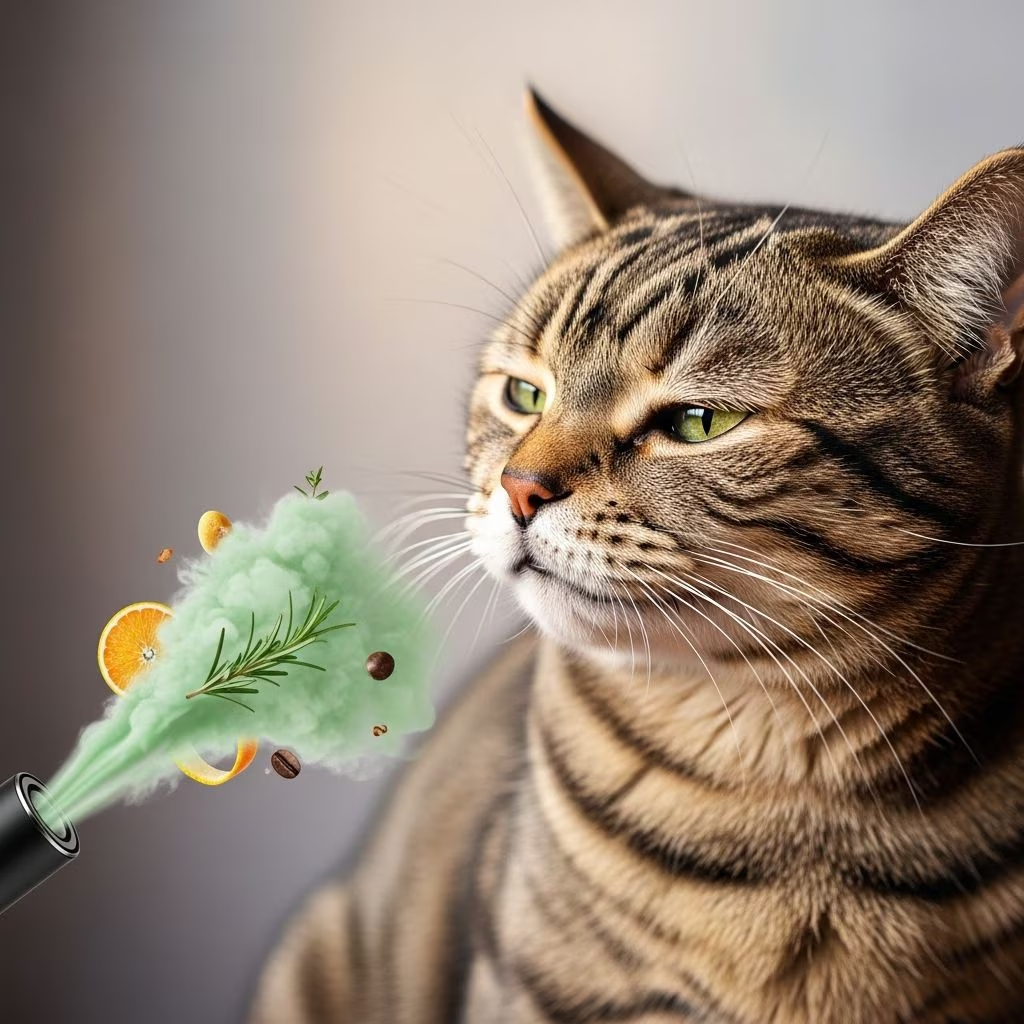
Cats possess an extraordinary sense of smell, far superior to humans, with over 50 million olfactory receptors compared to our mere 5 million. This heightened sensitivity allows them to detect subtle scents for communication, hunting, and navigation but also makes certain odors overwhelming or repulsive. Understanding smells that cats hate can help pet owners create a more comfortable environment, deter unwanted behaviors like scratching furniture, or keep cats away from dangerous areas. While cats are drawn to familiar or comforting scents like their owner’s laundry, strong or unfamiliar smells trigger avoidance instincts rooted in survival mechanisms from their wild ancestors.
This guide covers the top smells cats detest, backed by veterinary insights and behavioral studies. We’ll explore why these scents repel felines and practical tips for safe application. Always prioritize your cat’s health—avoid toxic essential oils and observe reactions closely.
Why Cats Hate Certain Smells
Cats’ noses divide incoming air into respiratory and scent-detection streams, enabling precise odor analysis. Strong smells can overload this system, signaling danger, toxicity, or territorial threats. For instance, wild cats avoid feces odors to prevent disease, a trait carried into domestication. Veterinary experts note that scents like citrus mimic predators or irritants, prompting flight responses.
Interestingly, while cats love catnip’s nepetalactone for its euphoric effects, overpowering human fragrances cause stress. A 2021 study indicated cats may not always find owner scents comforting without physical presence, highlighting nuanced preferences.
10 Smells That Cats Hate (And Why)
Here are the most common smells cats hate, drawn from animal behavior observations and vet recommendations. Use them sparingly as natural repellents.
- Citrus (Lemons, Oranges, Limes): The sharp, acidic tang of citrus is intensely irritating to cats. Commercial repellents often incorporate citrus essences to keep cats off counters or gardens. Place peels near plants or dilute sprays, but avoid essential oils which can be toxic if ingested.
- Vinegar: This sour, pungent aroma overwhelms feline senses, mimicking spoiled food. Mix with water for a safe spray to deter cats from carpets or furniture. Its acidity signals ‘avoid’ instinctively.
- Menthol & Mint (Peppermint, Eucalyptus): Cooling menthol scents jar cats’ nasal passages. Products like Vicks VapoRub or strong mints prompt immediate retreat. Ideal for keeping cats out of closets, but ventilate well.
- Pine & Rosemary: Woody pine from cleaners or litters repels cats, evoking unfamiliar forest threats. Rosemary’s herbal intensity has similar effects. Switch to unscented litters if your cat rejects pine-based ones.
- Lavender: Though calming for humans, lavender’s floral potency stresses cats. Avoid diffusers; dilute heavily if using as a plant-based deterrent.
- Coffee: Bitter coffee grounds signal toxicity. Sprinkle used grounds around garden beds to protect plants—cats steer clear.
- Spicy Foods (Chili, Mustard, Curry): Capsaicin in peppers creates a burning sensation detectable by smell alone. Cats avoid these as potential poisons, making them great for kitchen counters.
- Strong Perfumes & Soaps: Chemical-laden fragrances from human products overload senses. Cats may hide or urinate to mask them. Opt for unscented shampoos for bathing.
- Unclean Litter Box (Feces Ammonia): Cats innately shun feces smells to avoid parasites. Scoop daily; neglect leads to box avoidance and accidents.
- Other Cats’ Scents: Territorial instincts make unfamiliar cat smells provoke aggression or stress. Wash hands after petting strays; isolate new cats initially.
How to Use These Smells Safely as Repellents
Harnessing smells cats hate requires caution. Dilute sprays (e.g., 1:10 vinegar-water) and test small areas. Refresh every few days as scents fade. Combine with positive reinforcement like toys elsewhere.
| Smell | Best Use | Safety Notes |
|---|---|---|
| Citrus Peels | Gardens, furniture | Non-toxic; replace weekly |
| Vinegar Spray | Carpets, counters | Avoid eyes; rinse if ingested |
| Mint Oil (diluted) | Closets, doors | No diffusers; toxic undiluted |
| Coffee Grounds | Outdoor plants | Used grounds only |
| Chili Powder | Kitchen areas | Dust lightly; vacuum often |
Consult vets before essential oils—cats lack glucuronidase enzymes to metabolize phenols, risking liver damage.
Smells Cats Actually Love
Balancing aversions, cats adore certain scents: Catnip induces bliss via nepetalactone; silvervine offers similar highs. Owner scents on laundry provide security (though debated). Fishy treats appeal evolutionarily, but raw fish risks thiaminase. Use these for enrichment toys or beds.
Common Mistakes Cat Owners Make with Scents
- Overusing strong cleaners, causing litter box avoidance.
- Ignoring reactions to perfumes, leading to hiding or marking.
- Using undiluted oils, risking poisoning.
- Forgetting to clean—cats hate their own waste most.
Frequently Asked Questions (FAQs)
Why do cats hate citrus smells so much?
The limonene compound in citrus irritates their nasal receptors, mimicking danger signals. It’s a safe, natural repellent.
Can I use essential oils to repel my cat?
Diluted sparingly yes, but many like tea tree or eucalyptus are toxic. Stick to peels or sprays; vet approval recommended.
Do all cats hate the same smells?
Most do due to biology, but individuals vary. Observe your cat’s reactions.
What if my cat still goes near these smells?
Combine with barriers or training. Persistence may indicate medical issues—see a vet.
Are scented litters bad for cats?
Yes, many reject pine or floral litters, preferring unscented clumping types.
Creating a Scent-Friendly Home for Your Cat
Optimize your space by minimizing hated smells: Use hypoallergenic laundry, air out clothes post-vet visits, and choose mild cleaners. Enrich with loved scents via scratchers infused with catnip. Regular grooming reduces stress odors. Health checks ensure scent sensitivities aren’t illness signs.
By respecting their olfactory world, you’ll foster a happier, healthier cat. These insights empower proactive care, preventing issues like inappropriate elimination.
References
- Why Do Cats Like Smelly Stuff? Facts & FAQ — Catster. 2023. https://www.catster.com/cat-behavior/why-do-cats-like-smelly-stuff/
- What Smells Do Cats Like and Dislike? — PrettyLitter. 2024. https://www.prettylitter.com/blog/what-smells-do-cats-not-like
- Four Scents that Cats Hate — Patton Veterinary Hospital. 2023. https://pattonvethospital.com/blog/1407734-four-scents-that-cats-hate
- 10 SMELLS That CATS HATE (Video Transcript Insights) — AnimalWised via YouTube. 2024-03-15. https://www.youtube.com/watch?v=ahEtaJTUTs8



