
Smartest Dog Breeds: 20 Top Genius Canines Ranked
Discover the most intelligent dog breeds ranked by trainability and problem-solving abilities.
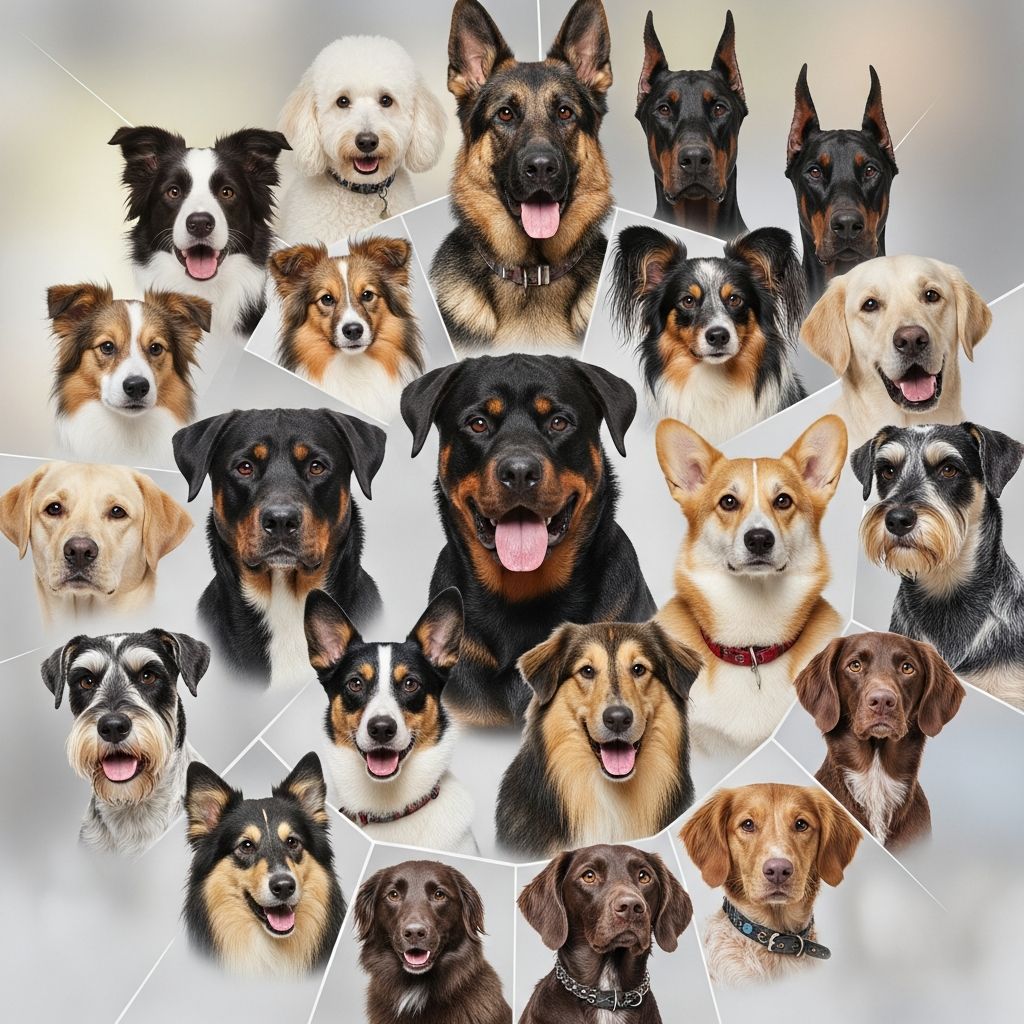
The 20 Smartest Dog Breeds, Ranked
When it comes to choosing a canine companion, many pet parents prioritize intelligence and trainability. Some dogs seem to understand commands after just a few repetitions, while others require more patience and repetition. But what exactly makes a dog “smart”? Dog intelligence is typically measured by trainability and problem-solving ability, with working breeds often ranking highest due to their history of performing complex tasks like herding livestock or assisting people with disabilities. If you’re looking for a highly intelligent dog that will be easy to train and a joy to work with, consider one of these 20 smartest dog breeds.
Key Takeaways
- Dog intelligence is often measured by trainability and problem-solving ability
- Working breeds tend to be the smartest dogs thanks to their history of performing complex tasks
- Even smart dogs need consistent, positive training from their pet parents
Understanding Canine Intelligence
Canine intelligence encompasses more than just the ability to learn commands. It includes problem-solving skills, adaptability, and the capacity to understand human gestures and verbal cues. Dogs that have been bred for working purposes—such as herding, retrieving, or protecting—tend to demonstrate higher levels of intelligence because their ancestors had to make independent decisions while performing their jobs. This genetic predisposition toward problem-solving makes certain breeds naturally more trainable and responsive to their owners’ wishes.
1. Border Collie
Size: Medium | Life Expectancy: 12–15 years | Temperament: Active, confident, genius
Most experts agree that the Border Collie is the smartest dog in the world, long praised for exceptional intelligence and trainability. These remarkable canines have demonstrated extraordinary cognitive abilities that set them apart from other breeds. In fact, a Border Collie named Rico was proven to recognize more than 200 different words, showcasing just how advanced their learning capabilities truly are. Border Collies were originally bred to herd sheep across the challenging terrain of the Scotland-England border, and this heritage has given them an unmatched ability to read situations, anticipate movements, and respond to complex commands. Their intense focus and drive to work make them ideal candidates for advanced obedience competitions, agility trials, and various service roles.
2. Poodle
Poodles consistently rank among the most intelligent dog breeds, with exceptional problem-solving abilities and remarkable trainability. Available in three sizes—Standard, Miniature, and Toy—Poodles demonstrate that intelligence isn’t limited to larger dogs. Their curly, hypoallergenic coat combined with their sharp minds has made them popular choices for service work, therapy roles, and competitive obedience. Poodles excel at learning tricks and commands, and they genuinely seem to enjoy the mental stimulation that training provides.
3. German Shepherd
Size: Large | Life Expectancy: 12–14 years | Temperament: Brave, heroic, loyal
German Shepherds are considered one of the smartest dog breeds due to their exceptional intelligence, trainability, and versatility. Brains and brawn have helped make the German Shepherd one of the world’s leading police and military dogs, where they put their big brains to use. Originally bred to herd cattle, these smart dogs are agile, highly trainable, and loyal—all qualities that have also enabled them to excel as working pups. Their instincts from hundreds of years protecting flocks are still intact today. Because of years spent problem-solving in the field, the adaptable and hard-working German Shepherd still excels in jobs that many humans would find demanding and stressful, like police and military work or on search and rescue missions. As pets, German Shepherds thrive in active families who will take them on neighborhood runs and weekend hikes.
4. Golden Retriever
Size: Large | Life Expectancy: 10–12 years | Temperament: Smart, silly, social
Golden Retrievers may come across as happy-go-lucky, but these blond beauties are also one of the smartest dog breeds. With training, Golden Retrievers can excel in various tasks such as hunting, retrieving, obedience, and even service and therapy work. These intelligent sporting dogs have a notoriously gentle nature. Their ability to learn quickly and respond well to commands means they’re relatively easy to train with a pocket full of dog treats to reward their food-motivated minds. Goldens are a popular breed for assisting individuals with disabilities, whether as guide dogs for the visually impaired or as mobility assistance dogs. Their success in this line of work can be attributed to their innate working ability and natural intelligence, as well as their eager-to-please attitude. Goldens are known for being very loyal and affectionate family pets, solidifying their stature as one of the most popular dogs in the U.S. Their gentle demeanor and eager-to-please nature make them an ideal breed for first-time dog parents.
5. Doberman Pinscher
Size: Large | Life Expectancy: 10–12 years | Temperament: Devoted, loyal, sensitive
Doberman Pinschers are exceptionally intelligent, loyal, and trainable. Powerful, vigilant, and fearless, the Doberman Pinscher embodies these three traits, but there’s more to them than just muscle. These versatile dogs excel in obedience competitions as well as police and military work. They’re also very smart, able to learn quickly and easily, and incredibly devoted to their people. While they are known for being highly perceptive, they are also very curious pups. To live their best lives, Dobermans should get plenty of exercise and be able to use their brains as well as their bodies. Their intelligence and athleticism make Dobermans well-suited for active families who have plenty of time to train and play.
6. Shetland Sheepdog
Size: Small to Medium | Life Expectancy: 12–14 years | Temperament: Alert, affectionate, energetic
Shetland Sheepdogs are known for their high intelligence, trainability, and excellent problem-solving skills. Also known as Shelties, these quick learners excel in herding, agility, obedience, and working as therapy dogs. While considered affectionate and loyal family pets, their energetic nature and intelligence means they’re best suited for active families who enjoy spending time outside. These pint-sized herders pack considerable brainpower and respond enthusiastically to training opportunities.
7. Labrador Retriever
Size: Large | Life Expectancy: 11–13 years | Temperament: Athletic, outgoing, smart
Labrador Retrievers are some of the friendliest dogs you’ll ever meet, but they’re also super smart! Labs have a long history of working alongside their humans to hunt and retrieve, meaning they’re instinctually perceptive and quick to learn. With adequate training, Labs can become champions in retrieving, obedience, and service and therapy work. Like Goldens, Labrador Retrievers use their smarts to serve people with disabilities. But they’re also sought-after family pets. In fact, the Lab is the most popular dog breed in the U.S., according to AKC registration data.
8. Papillon
Size: Extra small | Life Expectancy: 14–16 years | Temperament: Joyful, lively, social butterfly
A smart dog in a small package, the Papillon is an outgoing charmer. Their intelligence and enthusiasm make this breed easy to train, and they excel at learning tricks. Not only are Papillons social butterflies, but they’re actually named after the butterfly (papillon means “butterfly” in French) for their impressive ears that resemble butterfly wings. These tiny athletes consistently win obedience and agility competitions, proving that size is no barrier to intelligence.
9. Rottweiler
Size: Large | Life Expectancy: 9–10 years | Temperament: Loyal, confident, loving
Big, burly Rottweilers are known for their loyalty and smarts. With proper training, eager-to-please Rottweilers can excel in obedience competitions and as service dogs. Their intelligence and athleticism make them well-suited for active families who can ensure their Rottweiler gets plenty of mental stimulation, physical exercise, and early socialization. Puzzle toys are a great way to keep your Rottie from getting bored and to engage their problem-solving abilities.
10. Australian Cattle Dog
Australian Cattle Dogs are highly intelligent herding dogs known for their incredible work ethic and quick learning abilities. These energetic pups thrive on mental and physical challenges, making them excellent candidates for advanced training and competitive obedience. Their natural instinct to herd and their responsive nature make them quick to understand what their owners are asking of them.
11. Miniature Schnauzer
Size: Small | Life Expectancy: 12–15 years | Temperament: Feisty, loveable, ready for anything
These pint-sized pups pack a lot of punch as one of the cleverest dog breeds. Don’t let their small stature fool you—Miniature Schnauzers are intelligent, alert, and surprisingly capable learners. They excel at obedience training and enjoy the mental stimulation that comes with learning new commands and tricks.
12. English Springer Spaniel
English Springer Spaniels are another highly intelligent sporting dog known for their trainable, friendly nature. These smart dogs excel in hunting and retrieving skills, and they’re wonderful family pets that just want to be near their people. Their active nature and desire to please make them an excellent breed for active families who enjoy hunting and hiking. These gentle but capable dogs combine intelligence with a strong work ethic.
13. Belgian Tervuren
Size: Large | Life Expectancy: 12–14 years | Temperament: Determined, loyal, athletic
Like other members of the herding group, Belgian Tervuren are hard-working dogs who love having a job to do. These super-smart pups are very energetic, so they need lots of mental and physical challenges to keep them engaged. Consistent training and socialization is a must for Tervs, and tasks like herding, agility, and obedience will help them flex their muscles as well as their brains. As natural athletes, Tervs are well-suited for active families who enjoy being outside. Another herding dog, the distinguished Belgian Tervuren is one of the most intelligent dog breeds with a strong work drive.
14. Cocker Spaniel
Cocker Spaniels are intelligent, eager-to-please dogs that respond well to consistent training. Originally bred as hunting companions, these medium-sized dogs retain their natural intelligence and trainability. They’re affectionate family companions that enjoy learning new skills and commands.
15. Collie
Size: Medium | Life Expectancy: 12–14 years | Temperament: Family-oriented, friend to all, super-trainable
Perhaps no dog in history has a reputation for being as intelligent as Lassie! The perceptive, protective hero we know from the popular show is not far from Collies’ true nature. Not only are Collies one of the smartest dog breeds, but they’re also picture-perfect family dogs who, with proper socialization, will never meet a stranger because they consider everyone a friend. These herding dogs are alert and friendly—they’re problem-solvers as much as they are family pets. Collies can excel in herding, agility, and obedience competitions. While known for their trainability, super-smart Collies appreciate a little extra mental stimulation to keep them challenged.
16. Pembroke Welsh Corgi
Pembroke Welsh Corgis are small dogs with big brains. Originally bred to herd cattle, these intelligent pups have retained their quick thinking and problem-solving abilities. Despite their short stature, they demonstrate remarkable intelligence and respond well to training and positive reinforcement.
17. Vizsla
Vizslas are athletic and intelligent hunting dogs known for their strong desire to work alongside their owners. These sensitive, eager-to-please dogs learn quickly and excel in obedience, agility, and various sporting competitions. Their intelligence is matched by their affectionate nature.
18. Bernese Mountain Dog
Bernese Mountain Dogs are intelligent, loyal working dogs originally bred to herd cattle and pull carts in the Swiss Alps. While they have a calm demeanor, they possess significant problem-solving ability and respond well to consistent, positive training methods.
19. Brittany Spaniel
Brittany Spaniels are intelligent sporting dogs with a strong work ethic and eager-to-please attitude. These medium-sized dogs excel at learning commands and tasks, making them responsive to training. Their natural instinct to hunt is paired with remarkable intelligence and trainability.
20. Standard Schnauzer
Standard Schnauzers are intelligent, alert working dogs with strong problem-solving abilities. These medium-sized dogs were originally bred for ratting and guarding, and they retain their keen intelligence and protective instincts. They respond well to consistent training and mental stimulation.
Why Working Breeds Rank Highest in Intelligence
The prevalence of working and herding breeds on the smartest dog breeds list is no coincidence. These breeds were developed over centuries to perform complex, independent tasks. A herding dog needed to understand the shepherd’s commands while also making split-second decisions about how to move livestock. A retriever needed to navigate challenging terrain and locate downed game. This history of complex decision-making has created breeds with exceptional problem-solving abilities, strong memory retention, and keen responsiveness to human direction.
Measuring Dog Intelligence
Canine intelligence manifests in three primary ways: instinctive intelligence (bred-in abilities), adaptive intelligence (problem-solving skills), and working or obedience intelligence (the ability to learn from humans). Most of the breeds on this list rank highly in all three categories. They combine instinctive abilities honed by generations of selective breeding with remarkable adaptive intelligence and exceptional responsiveness to human training.
Training Smart Dogs: What You Need to Know
While owning an intelligent dog can be incredibly rewarding, it’s important to understand that even smart dogs need consistent, positive training from their pet parents. Intelligent dogs can become bored or frustrated without adequate mental and physical stimulation, potentially leading to behavioral problems. Regular training sessions, puzzle toys, interactive play, and engaging activities are essential for keeping smart dogs happy and well-behaved.
The Importance of Mental Stimulation
Smart dogs require more than just physical exercise—they need mental challenges. Without adequate mental stimulation, even the brightest dog can develop destructive behaviors, excessive barking, or other behavioral issues. Consider incorporating puzzle toys, advanced training exercises, nose work games, and interactive play sessions into your daily routine. Many smart dog owners report that their dogs respond particularly well to learning new tricks and commands, which provides both mental stimulation and strengthens the bond between dog and owner.
Early Socialization and Training
For intelligent breeds, early socialization and consistent training from puppyhood are crucial. These dogs are quick learners, which means they can pick up both good and bad habits rapidly. Establishing clear rules, boundaries, and expectations early on sets the foundation for a well-behaved adult dog. Professional training can be particularly beneficial for first-time owners of highly intelligent breeds.
Frequently Asked Questions
Q: What makes a dog considered “smart”?
A: Dog intelligence is typically measured by trainability, problem-solving ability, and responsiveness to human commands. Dogs that can learn commands quickly and apply them in various situations are considered intelligent.
Q: Are all small dogs less intelligent than large dogs?
A: No. While many of the smartest dogs are large working breeds, intelligent small dogs like Papillons and Miniature Schnauzers consistently rank among the top breeds in intelligence and competitive obedience.
Q: Do smart dogs require more exercise than average dogs?
A: Intelligent dogs typically require both physical exercise and mental stimulation. Without adequate mental challenges, smart dogs can become bored and develop behavioral problems, making training and puzzle toys essential.
Q: Can smart dogs be trained by first-time dog owners?
A: Yes, many intelligent breeds like Golden Retrievers and Labs are excellent choices for first-time owners due to their eager-to-please nature. However, highly intelligent breeds like Border Collies may require experienced handlers.
Q: How often should I train my intelligent dog?
A: Short, consistent training sessions several times per day are more effective than occasional long sessions. Most experts recommend 5-15 minute training sessions that keep your dog engaged and prevent boredom.
References
- 18 of the Smartest Dog Breeds — PetMD. 2024. https://www.petmd.com/dog/general-health/smartest-dog-breeds
- The 20 Smartest Dog Breeds, Ranked — Chewy. 2024. https://www.chewy.com/education/dog/general/the-smartest-dog-breeds-ranked
Similar Articles








Read full bio of medha deb


