

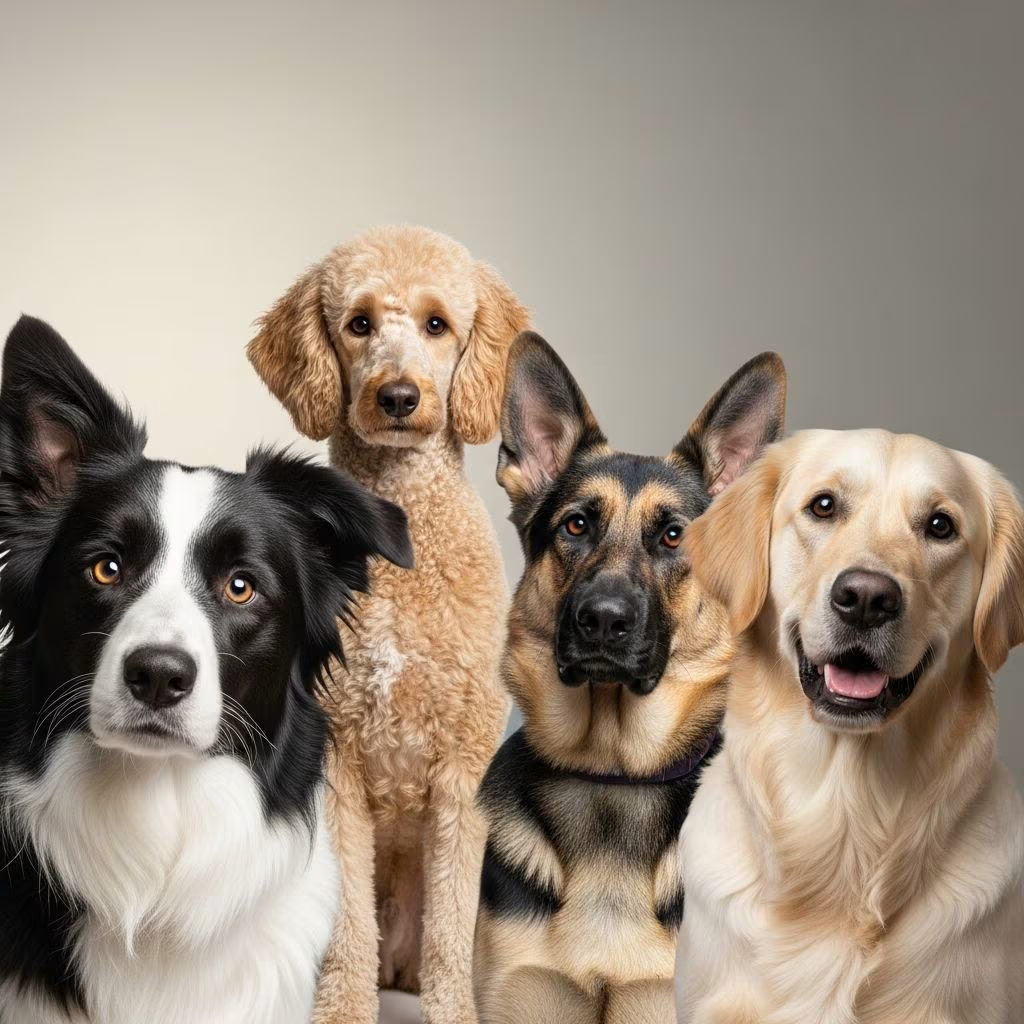
The Smartest Dog Breeds Ranked: Top Intelligent Pups
When it comes to choosing a canine companion, many pet owners prioritize intelligence and trainability. Some dog breeds stand out for their exceptional cognitive abilities, quick learning capacity, and problem-solving skills. Whether you’re looking for a service dog, a competitive obedience competitor, or simply a highly trainable family pet, understanding which breeds rank highest in canine intelligence can help you make an informed decision. This comprehensive guide explores the smartest dog breeds ranked by their intelligence, trainability, and working capabilities.
What Makes a Dog Breed Intelligent?
Canine intelligence encompasses multiple dimensions, including instinctive intelligence (breed-specific abilities), adaptive intelligence (problem-solving and learning), and working intelligence (obedience and trainability). Dogs with high intelligence typically learn new commands quickly, respond consistently to training, and excel in complex tasks. These breeds often demonstrate strong problem-solving abilities and can adapt to new situations with remarkable ease. The smartest dog breeds combine these intelligence types, making them ideal candidates for professional roles and competitive dog sports.
Top 15 Smartest Dog Breeds Ranked
1. Border Collie
The Border Collie consistently ranks as the most intelligent dog breed in the world. Originally bred for herding sheep, these remarkable dogs possess exceptional problem-solving skills and extraordinary learning capacity. Border Collies can learn new commands with fewer than five repetitions and obey on the first try over 95% of the time. They demonstrate both high instinctive and adaptive intelligence, making them natural problem-solvers. A famous Border Collie named Chaser learned to recognize over 1,000 words, showcasing the breed’s remarkable cognitive abilities. These energetic dogs thrive on mental stimulation and excel in agility competitions, obedience trials, and any task requiring quick thinking and precision.
2. Poodle
Poodles rank second among the smartest dog breeds, known for their exceptional trainability and eager-to-please nature. Originally bred as hunting dogs, poodles have maintained their keen instincts and remarkable learning abilities. They excel in obedience and agility competitions due to their intelligence and willingness to work with their handlers. Poodles respond exceptionally well to positive reinforcement training methods and have a strong desire to please their owners. Their versatility and quick learning make them ideal for various roles, from family companions to therapy and service dogs.
3. German Shepherd
German Shepherds are considered one of the smartest and most versatile dog breeds. Renowned for their exceptional intelligence and trainability, German Shepherds excel in demanding professional roles including police work, military service, and search and rescue missions. Their instincts, honed over generations of herding and protecting flocks, have made them quick learners capable of mastering complex commands. German Shepherds can learn new commands in under five repetitions, responding correctly 95% of the time on the first attempt. Their problem-solving abilities and adaptability make them invaluable in high-pressure working environments.
4. Golden Retriever
Golden Retrievers combine intelligence with a gentle nature and high emotional intelligence. These brilliant sporting dogs are known for their eagerness to please and quick learning abilities, making them perfect for service and therapy work. With proper training, Golden Retrievers excel in hunting, retrieving, obedience, and various service roles. Their gentle demeanor and food-motivated nature make them relatively easy to train, even for first-time dog owners. Golden Retrievers’ combination of intelligence, loyalty, and affectionate nature has solidified their position as one of the most popular and beloved dog breeds in the United States.
5. Doberman Pinscher
Doberman Pinschers are exceptionally intelligent, loyal, and trainable dogs. Originally bred as guard dogs, these athletic and perceptive canines excel in obedience competitions and professional roles such as police and military work. Dobermans demonstrate remarkable intelligence paired with athleticism, making them well-suited for active families who can provide adequate mental and physical stimulation. Their curious nature and quick learning abilities require consistent training and engagement to keep them mentally challenged and prevent boredom-related behavioral issues.
6. Shetland Sheepdog
Shetland Sheepdogs, commonly known as Shelties, are brilliant herding dogs with excellent problem-solving skills. These quick learners excel in herding, agility, obedience, and therapy work. Originally bred for herding sheep on the Scottish Shetland Islands, these intelligent dogs maintain their strong work ethic and eager-to-please attitude. Shelties require active families who can provide both physical exercise and mental stimulation through training and dog sports. Their high intelligence and trainability make them excellent candidates for competitive obedience and agility events.
7. Labrador Retriever
Labrador Retrievers are renowned for their friendliness and intelligence. With a long history of working alongside humans for hunting and retrieving, Labs possess instinctive perceptiveness and quick learning abilities. These competent sporting dogs excel in retrieving, obedience, and service work. Their gentle nature and eager-to-please attitude make them ideal family pets, while their intelligence enables them to succeed in demanding professional roles. Labrador Retrievers’ combination of intelligence, loyalty, and friendly demeanor has made them consistently popular family dogs and service animals.
8. Papillon
Despite their small size, Papillons are exceptionally intelligent and quick learners. These energetic dogs are highly perceptive and demonstrate remarkable trainability, making them loyal and confident family pets. Papillons excel in agility and obedience competitions, often outperforming larger breeds in dog sports. Their intelligence and trainability make them surprisingly adept at learning complex commands, and their active nature requires regular mental and physical stimulation to keep them engaged and happy.
9. Rottweiler
Rottweilers are big, burly dogs known for their loyalty and intelligence. With proper training and socialization, Rottweilers can excel in obedience competitions and as service dogs. Their intelligence and athleticism make them well-suited for active families who can provide adequate mental stimulation and physical exercise. Rottweilers benefit from consistent training and require enrichment activities to keep their minds engaged and prevent behavioral issues.
10. Australian Cattle Dog
Australian Cattle Dogs, also known as Blue Heelers, are among the smartest and most active dog breeds. Bred for herding cattle in Australia, these intelligent dogs possess strong problem-solving abilities and incredible work ethic. Their high intelligence combined with their energetic nature requires families committed to providing substantial physical exercise and mental enrichment through training and dog sports.
11. English Springer Spaniel
English Springer Spaniels are highly intelligent sporting dogs known for their trainable and friendly nature. These smart dogs excel in hunting and retrieving skills while making wonderful family pets. Their active nature and desire to please make them excellent for active families who enjoy outdoor activities like hunting and hiking. Their intelligence and eagerness to work with their handlers make them responsive to training.
12. Belgian Tervuren
Belgian Tervurens are hard-working herding dogs who love having a job to do. These super-smart pups are very energetic and require extensive mental and physical challenges to stay engaged. Consistent training and socialization are essential for this breed, with activities like herding, agility, and obedience helping them exercise both their muscles and minds. As natural athletes, Belgian Tervurens are well-suited for active families who enjoy outdoor pursuits.
13. Collie
Collies have a legendary reputation for intelligence, famously portrayed by Lassie. These perceptive, protective herding dogs are problem-solvers as much as they are family pets. Collies can excel in herding, agility, and obedience competitions. Their trainability and intelligence make them appreciative of mental stimulation through enrichment toys and training exercises, keeping them mentally challenged and engaged.
14. Miniature Schnauzer
Miniature Schnauzers are intelligent, spirited dogs with strong personalities. Despite their small stature, these breeds demonstrate remarkable intelligence and trainability. Their quick learning abilities and eager nature make them responsive to consistent training and positive reinforcement.
15. Pembroke Welsh Corgi
Pembroke Welsh Corgis are intelligent herding dogs with surprising problem-solving abilities for their size. Originally bred for herding cattle, these dogs maintain their keen instincts and quick learning abilities. Their intelligence combined with their independent nature requires consistent, positive training methods to achieve the best results.
Ranking Table: Comparison of Top Smartest Dog Breeds
| Rank | Breed | Intelligence Level | Primary Skills | Best For |
|---|---|---|---|---|
| 1 | Border Collie | Exceptional | Problem-solving, herding, obedience | Active families, competitive dog sports |
| 2 | Poodle | Exceptional | Obedience, agility, service work | Families, therapy, competitive sports |
| 3 | German Shepherd | Exceptional | Police work, military, search and rescue | Active families, professional roles |
| 4 | Golden Retriever | Very High | Service work, therapy, retrieving | Families, first-time owners, service roles |
| 5 | Doberman Pinscher | Very High | Protection work, obedience, police work | Active families, experienced owners |
| 6 | Shetland Sheepdog | Very High | Herding, agility, therapy work | Active families, dog sports |
| 7 | Labrador Retriever | Very High | Service work, retrieving, obedience | Families, service roles, active owners |
| 8 | Papillon | Very High | Agility, obedience, competitive sports | Active families, dog sports enthusiasts |
Why Intelligence Matters in Dog Breeds
Understanding canine intelligence is crucial for prospective dog owners. Highly intelligent breeds require substantial mental stimulation through training, puzzle toys, and interactive games to remain happy and well-behaved. Without adequate mental engagement, intelligent dogs may develop destructive behaviors or show signs of boredom and frustration. Intelligent breeds excel in structured training environments and respond well to positive reinforcement methods. They typically learn commands quickly and retain information better than less intelligent breeds. Intelligence also correlates with a dog’s ability to adapt to new situations, solve problems independently, and work effectively in professional capacities such as service, therapy, or police work.
Training Tips for Smart Dog Breeds
Training intelligent dog breeds requires specific strategies to maximize their learning potential and keep them mentally engaged. First, use positive reinforcement methods, as most intelligent breeds are motivated by praise, treats, and play rather than punishment. Keep training sessions short and varied to maintain their interest, as highly intelligent dogs can become bored with repetitive exercises. Introduce puzzle toys and mental enrichment activities to stimulate their problem-solving abilities. Practice consistency across all family members to prevent confusion about commands and expectations. Advanced training through dog sports like agility, obedience competitions, and scent work provides excellent mental stimulation for intelligent breeds. Finally, establish a regular training schedule that incorporates new challenges to prevent plateauing and maintain engagement.
Intelligence and Socialization
Highly intelligent dog breeds benefit tremendously from early socialization and consistent training. Their keen problem-solving abilities mean they can learn both positive and negative behaviors quickly, making early intervention critical. Socialization exposes them to various people, environments, and situations, helping them develop confidence and appropriate responses to different stimuli. Intelligent breeds with strong working drives, such as German Shepherds and Dobermans, particularly benefit from structured training that provides them with clear roles and responsibilities. Without proper socialization and direction, these intelligent dogs may develop anxiety or exhibit unwanted behaviors due to boredom or lack of purpose.
Frequently Asked Questions
Q: What is the smartest dog breed in the world?
A: The Border Collie is widely recognized as the smartest dog breed in the world. They can learn new commands with fewer than five repetitions and obey on the first try over 95% of the time. A famous Border Collie named Chaser learned to recognize over 1,000 words, demonstrating the breed’s exceptional intelligence.
Q: Are smart dog breeds harder to train?
A: Contrary to popular belief, highly intelligent dog breeds are typically easier to train but require more mental stimulation. They learn commands quickly and respond well to positive reinforcement. However, they need consistent training, mental enrichment, and purposeful activities to remain well-behaved and satisfied.
Q: Can smart dog breeds become destructive if bored?
A: Yes, highly intelligent dog breeds can develop destructive behaviors if they lack adequate mental and physical stimulation. Without proper engagement through training, puzzle toys, and interactive games, intelligent dogs may redirect their energy toward destructive activities.
Q: Which smart dog breed is best for first-time owners?
A: Golden Retrievers are excellent for first-time dog owners due to their combination of intelligence, gentle nature, and eagerness to please. They learn quickly while remaining patient and forgiving of training mistakes by inexperienced handlers.
Q: Do intelligent dog breeds need special training methods?
A: Intelligent dog breeds respond best to positive reinforcement, varied training sessions, and mental enrichment activities. They require consistency and clear communication from their handlers, but they don’t necessarily need “special” methods—rather, they benefit from engaging, interactive training that challenges their cognitive abilities.
Q: Can intelligent dog breeds work in professional roles?
A: Absolutely. Many of the smartest dog breeds excel in professional roles including police work, military service, search and rescue, therapy work, and service animal roles. Their intelligence, trainability, and problem-solving abilities make them ideal for demanding professional positions.
Q: How much exercise do smart dog breeds need?
A: Most intelligent dog breeds require substantial daily exercise combined with mental stimulation. The specific amount varies by breed, but generally includes long walks, vigorous play sessions, and training activities. Mental exercise through puzzle toys and training is equally important as physical activity.
Q: Are small intelligent dog breeds as smart as large ones?
A: Yes, small intelligent breeds like Papillons often demonstrate intelligence levels equal to or surpassing larger breeds. Intelligence is not determined by size but by breed characteristics and genetic predisposition for problem-solving and learning.
References
- Smartest Dog Breeds in the World — Jagran Josh. 2025-11-28. https://www.jagranjosh.com/general-knowledge/smartest-dog-breeds-in-the-world-1820001916-1
- 18 of the Smartest Dog Breeds — PetMD. 2025-11-28. https://www.petmd.com/dog/general-health/smartest-dog-breeds
- 20 Medium-Sized Dogs Just Right for Your Home — Chewy. 2025-11-28. https://www.chewy.com/education/dog/general/medium-sized-dogs-just-right-for-your-home



