

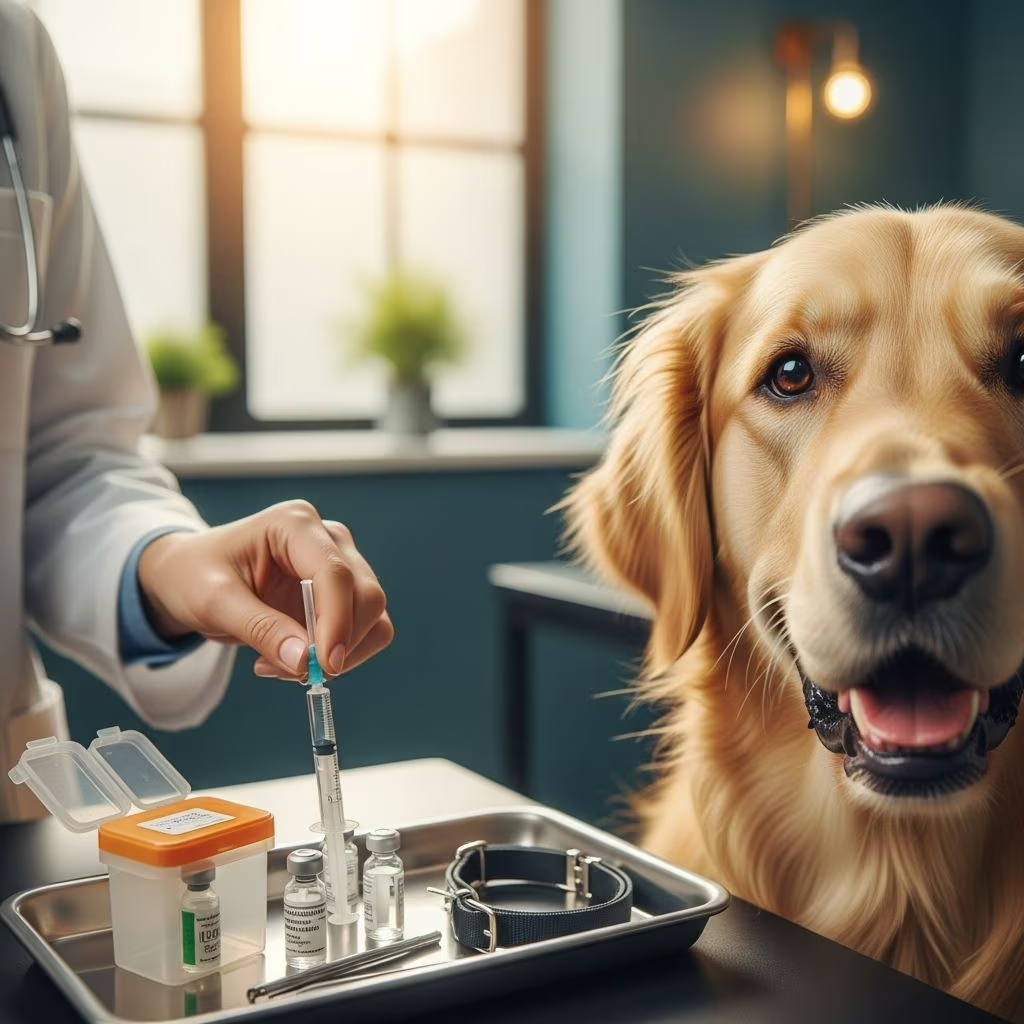
Vaccination is one of the most effective tools we have to protect dogs from serious, often fatal diseases. At the same time, modern veterinary medicine recognizes that not every dog needs every vaccine every year. Building a thoughtful vaccine plan means understanding the difference between essential protection and optional shots, and then tailoring those decisions to your dog’s age, health, and lifestyle.
This guide explains the major types of dog vaccines, standard schedules for puppies and adults, how to weigh benefits and risks, and what to ask your veterinarian so you can make informed, confident choices.
Why Dogs Need Vaccines
Vaccines prepare your dog’s immune system to recognize and fight specific viruses or bacteria before they cause serious disease. By exposing the body to a harmless form or component of a pathogen, vaccines stimulate immune memory that can last for years, sometimes for life, depending on the disease and vaccine type.
- Protects your dog from severe, sometimes fatal infections like parvovirus, distemper, and rabies.
- Protects other animals by reducing the spread of contagious diseases in the community.
- Protects people from zoonotic diseases such as rabies and some strains of leptospirosis.
- May be legally required by local or state law, especially for the rabies vaccine.
Leading veterinary organizations emphasize that vaccinations are a cornerstone of preventive care, but they also stress the importance of individualized plans rather than a one-size-fits-all schedule.
Core vs. Lifestyle (Non-Core) Vaccines
Modern guidelines sort dog vaccines into two main groups: core and non-core (sometimes called lifestyle vaccines).
Core Vaccines
Core vaccines are recommended for essentially all dogs, regardless of where they live or how they spend their time.
- Canine distemper
- Canine parvovirus
- Canine adenovirus-2 (protects against infectious hepatitis)
- Rabies (also a public health requirement in most regions)
These are usually given as combination vaccines. Your veterinarian may refer to them as DA2PP or DAPP, which includes distemper, adenovirus-2, parvovirus, and often parainfluenza.
Recent guidelines also recognize leptospirosis as a core vaccine for many dogs due to its widespread presence and risk to humans, though recommendations may vary by region and practice.
Non-Core (Lifestyle) Vaccines
Non-core vaccines are recommended based on a dog’s specific risk factors, such as geography, travel, exposure to wildlife, and contact with other dogs.
- Bordetella bronchiseptica (kennel cough)
- Canine influenza
- Lyme disease (Borrelia burgdorferi)
- Leptospirosis (when not considered core in a particular region)
- Other regional vaccines as advised by your veterinarian
Your vet will recommend these based on local disease prevalence and your dog’s lifestyle. A dog who boards frequently, attends daycare, or competes in events has very different needs from a dog who rarely leaves a low-risk, urban apartment.
Typical Vaccination Schedule by Life Stage
While each dog’s plan should be customized, most veterinarians follow a general framework aligned with evidence-based guidelines.
Puppies: Building Essential Immunity
Puppies are highly vulnerable to infectious disease, especially after the antibodies they received from their mother begin to decline. To cover this window, vaccines are given in a series.
| Age (approx.) | Core Focus | Possible Lifestyle Add-ons* |
|---|---|---|
| 6–8 weeks | First DAPP (distemper, adenovirus-2, parvovirus, ± parainfluenza) | Bordetella, if high contact with other dogs |
| 10–12 weeks | Second DAPP; leptospirosis may begin per local policy | Lyme and/or influenza where risk is documented |
| 14–16 weeks | Final puppy DAPP (must be at ≥16 weeks to ensure lasting immunity); first rabies within legal age range | Additional risk-based vaccines if indicated |
| ≈6 months | Booster for DAPP is often recommended to catch any pups with lingering maternal antibodies | Review lifestyle vaccines |
*Exact timing and selection should be guided by your veterinarian and local regulations.
Key points for puppies:
- The final core puppy dose for distemper, parvovirus, and adenovirus should be given at 16 weeks of age or later for reliable protection.
- Rabies timing is dictated by law; many regions require vaccination by around four months of age.
- Between vaccines, consider your puppy not fully protected, so avoid high-risk environments such as dog parks and daycare with unknown vaccination status.
Adult Dogs: Maintaining Protection
Once a complete puppy series and initial boosters are done, adult dogs move to a maintenance schedule. Research shows that immunity to core diseases often lasts several years, which is why major guidelines now support extended intervals for many core vaccines.
| Vaccine | Typical Booster Interval* | Notes |
|---|---|---|
| DAPP (distemper, adenovirus-2, parvovirus, ± parainfluenza) | Every 3 years after initial 1-year booster | Use a product labeled for 3-year duration where available. |
| Rabies | First booster at 1 year, then every 1–3 years depending on law and product | Legal requirements override preference; use 3-year product when allowed. |
| Leptospirosis | Annually | Usually requires an initial series of two doses 3–4 weeks apart. |
| Bordetella | Every 6–12 months | Interval depends on exposure risk (boarding, daycare, shows). |
| Canine influenza, Lyme | Annually | Given where disease is present and risk is significant. |
*This table summarizes common practice; your dog’s schedule should be tailored by your veterinarian.
How Vets Decide Which Vaccines Your Dog Needs
Veterinarians use published vaccination guidelines as a framework but then adjust them based on the individual dog.
Important factors include:
- Age – puppies and seniors may have different immune responses and risks.
- Health status – chronic illness, immune-mediated disease, or previous vaccine reactions may influence timing or product choices.
- Lifestyle – boarding, daycare, dog parks, dog sports, hunting, and travel all increase exposure risks.
- Geography and local outbreaks – some diseases, like Lyme and leptospirosis, are more common in particular regions.
- Legal requirements – especially for rabies, the law dictates when and how often vaccines must be given.
Annual or semiannual wellness visits are an opportunity to re-evaluate this risk profile and adjust vaccinations accordingly, rather than automatically repeating every vaccine every year.
Vaccine Safety and Possible Side Effects
Overall, vaccines used in dogs have an excellent safety record, and severe reactions are uncommon. However, no medical intervention is completely risk-free. Knowing what to watch for helps you respond quickly if your dog is uncomfortable or has a more serious reaction.
Common, Mild Reactions
These signs usually appear within a day and resolve on their own:
- Mild tenderness or swelling at the injection site
- Slight decrease in energy or appetite
- Mild fever
You can mention these to your veterinarian at your next visit, but they rarely require urgent care unless they persist or worsen.
Less Common, More Serious Reactions
Contact your veterinarian promptly or seek emergency care if you see:
- Facial swelling, hives, or widespread itching
- Vomiting or diarrhea soon after vaccination
- Collapse, difficulty breathing, or extreme lethargy
- Persistent swelling or a firm lump at the injection site that does not improve over weeks
These can indicate an allergic or hypersensitivity reaction, which is rare but serious. In many cases, future vaccinations can still be given with precautions, such as spacing out shots, using different products, or pre-medicating under veterinary supervision.
Rabies: A Special Case
Rabies is nearly always fatal once clinical signs appear and is a major public health concern. Because it can be transmitted to humans, vaccination against rabies is handled differently than other canine diseases.
- In many regions, rabies vaccination is required by law for all dogs.
- Initial vaccination is typically given between 12 and 16 weeks of age, followed by a booster one year later.
- After that, properly labeled vaccines often allow revaccination every three years, depending on local regulations.
Proof of rabies vaccination is usually needed for licensing, boarding, grooming, and travel. If your dog is overdue, your veterinarian will advise you on the safest and most compliant path to get back on schedule.
Answering Common Concerns About Dog Vaccines
Are Dogs Being Over-Vaccinated?
Older protocols often repeated many vaccines annually by default. Current guidelines from major veterinary groups support extended intervals for core vaccines—typically three years—once a proper puppy series and initial booster are complete.
This shift reflects research on how long immunity lasts and aims to reduce unnecessary vaccination while maintaining protection. Instead of skipping vaccines altogether, work with your vet to select the right vaccines at the right intervals.
What Are Vaccine Titers and Do They Replace Shots?
A vaccine titer is a blood test that measures antibodies to specific diseases, often distemper and parvovirus. In some cases, a strong titer may suggest that an additional booster is not needed at that moment.
Considerations:
- Titers are most commonly used for core viral diseases (distemper, parvovirus) and may not be as useful for others like leptospirosis.
- Some boarding facilities and legal regulations (especially for rabies) do not accept titers in place of official vaccination certificates.
- Titers are a tool for individualized decision-making, not a universal substitute for all vaccines.
Can Sick or Senior Dogs Be Vaccinated?
Underlying illness or advanced age does not automatically mean vaccinations must stop, but it does mean the plan should be carefully reviewed. Your vet may:
- Delay non-urgent vaccines during acute illness.
- Prioritize only the most critical vaccines, such as rabies and core viral protection.
- Adjust schedules or vaccine types to reduce stress on the immune system.
Do not postpone veterinary visits for older or medically fragile dogs out of fear of vaccines; instead, use the visit to craft a nuanced plan with your veterinarian.
Practical Tips for Your Dog’s Vaccination Plan
To make the most of vaccination visits and minimize stress for both you and your dog, consider the following strategies.
Before the Appointment
- Gather your dog’s previous medical and vaccination records, especially if you are switching clinics.
- Note any past reactions to vaccines, even mild ones, so you can discuss them with your vet.
- Write down questions about core vs. non-core vaccines, titers, and timing.
During the Appointment
- Ask which vaccines are being given and why each is recommended for your dog.
- Discuss the interval for the next booster instead of assuming it will be in exactly one year.
- Clarify which side effects are expected and when to call the clinic.
After the Appointment
- Keep your dog calm and avoid heavy exercise for the rest of the day.
- Monitor appetite, energy, and the injection site for 24–48 hours.
- Store digital or paper copies of vaccination certificates; you may need them for boarding, travel, or licensing.
Frequently Asked Questions (FAQ)
How often do dogs really need shots?
Most core vaccines (distemper, adenovirus-2, parvovirus) move to an every 3-year schedule after the puppy series and first adult booster, while rabies timing is set by law, often every one to three years. Many non-core vaccines are given annually if the risk persists. Your vet should confirm intervals based on current guidelines and your dog’s needs.
Can my indoor-only dog skip vaccinations?
Even dogs who rarely go outside still need core protection, especially against rabies, which is a legal and public health issue in many areas. Non-core vaccines may be optional for low-exposure dogs, but this decision should be made in consultation with your veterinarian.
Is one missed booster dangerous?
Being late for a booster does not usually erase all immunity immediately, but it may leave your dog less protected and out of compliance with legal or boarding requirements. Depending on how overdue the shot is, your vet might either give a booster and continue the schedule or restart a series for certain vaccines.
Can vaccines give my dog the disease they are meant to prevent?
The vaccines used for dogs are designed to avoid causing the full-blown disease. Some contain modified-live viruses that stimulate strong immunity without causing typical illness, while others are inactivated (killed) or recombinant vaccines. Mild, short-lived signs like low-grade fever or soreness are possible, but serious infection from a vaccine is extremely rare compared to the risks of natural infection.
Should I vaccinate my dog before travel?
Yes. Travel often changes your dog’s risk profile. You may encounter different disease patterns, boarding requirements, or international regulations. Plan well in advance so you can complete any needed vaccine series and gather documentation required for crossing borders or entering certain regions.
Working as a Team With Your Veterinarian
The most effective vaccination plan comes from a partnership between you and your veterinarian, guided by current scientific evidence and tailored to your dog’s life. Use routine checkups to revisit which vaccines are needed, how often they should be given, and whether tools like titers are appropriate.
By understanding what each vaccine does, why it is recommended, and how schedules can be personalized, you can protect your dog from serious disease without unnecessary interventions.
References
- Vaccinations for Your Pet — ASPCA. 2024-02-01. https://www.aspca.org/pet-care/general-pet-care/vaccinations-your-pet
- 2022 AAHA Canine Vaccination Guidelines — American Animal Hospital Association. 2022-09-01. https://www.aaha.org/resources/2022-aaha-canine-vaccination-guidelines/
- Vaccination Guidelines for Dogs and Cats — UC Davis Veterinary Medical Teaching Hospital. 2021-06-01. https://healthtopics.vetmed.ucdavis.edu/health-topics/feline/vaccination-guidelines-dogs-and-cats
- Puppy and Dog Vaccinations: A Schedule for Every Life Stage — PetMD. 2023-05-15. https://www.petmd.com/dog/care/dog-vaccinations-for-every-lifestage
- A Complete Guide to Puppy Vaccinations — American Kennel Club. 2023-04-10. https://www.akc.org/expert-advice/health/puppy-shots-complete-guide/
- GUIDELINES FOR THE VACCINATION OF DOGS AND CATS — WSAVA Vaccination Guidelines Group. 2015-01-01. https://wsava.org/wp-content/uploads/2020/01/WSAVA-Vaccination-Guidelines-2015.pdf
- Vaccinating your pet — American Veterinary Medical Association (AVMA). 2022-08-01. https://www.avma.org/resources-tools/pet-owners/petcare/vaccinations



