
Smart Treat Limits for Dog Training
Master the art of using treats in dog training without overfeeding—follow expert calorie rules for a healthy, responsive pup.
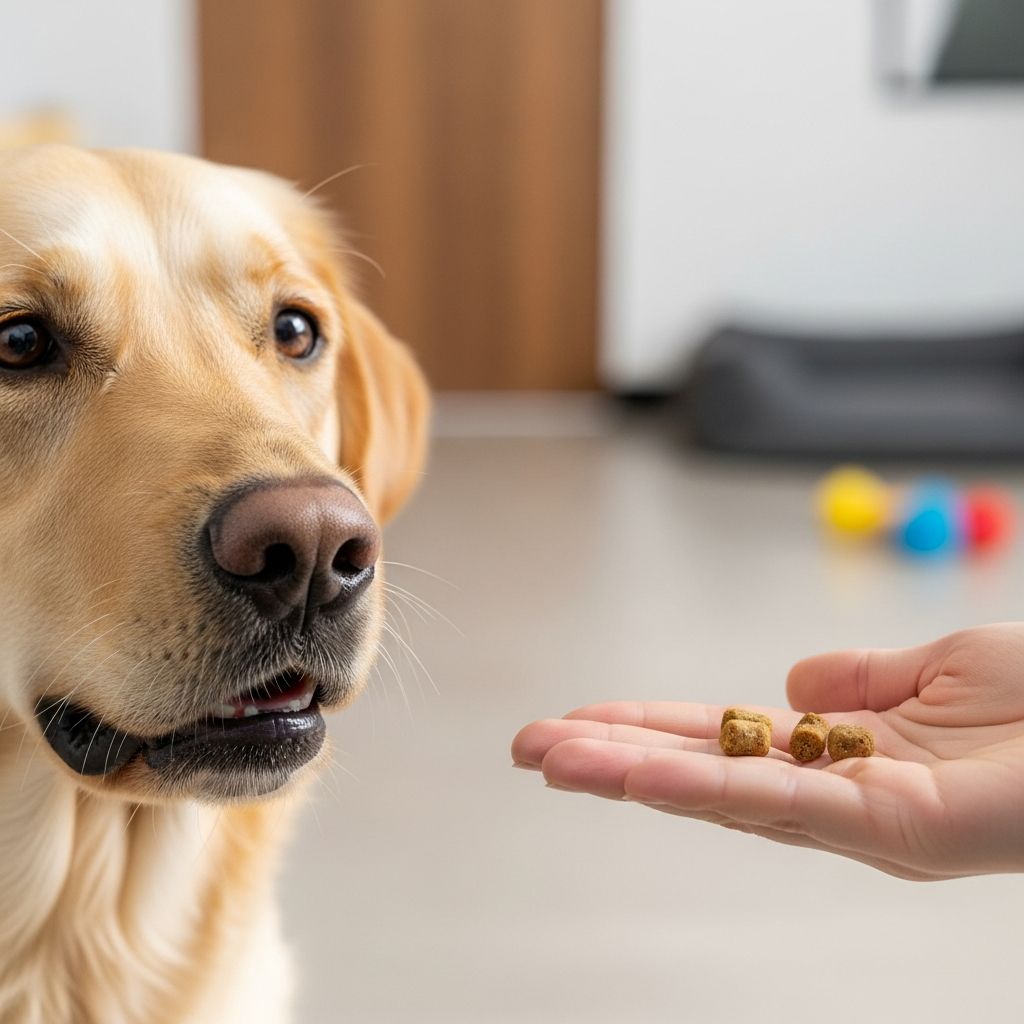
Effective dog training relies on positive reinforcement, where treats play a key role in motivating behavior. However, excessive treats can lead to weight gain and nutritional imbalances. The standard guideline limits treats to no more than 10% of a dog’s daily caloric intake to ensure their primary diet remains the foundation of health.
Understanding the 10% Caloric Rule
The 10% rule serves as a cornerstone for responsible treat use in training. This means treats should contribute less than 10% of total daily calories, with 90% coming from complete, balanced dog food. For a dog requiring 1,000 calories daily, treats should not exceed 100 calories.
This approach prevents overfeeding while allowing frequent rewards during sessions. Veterinary experts emphasize calculating your dog’s specific needs based on weight, age, activity level, and breed. Consult a veterinarian for precise daily caloric requirements, especially for puppies or overweight dogs.
Calculating Your Dog’s Daily Calorie Needs
To apply the 10% rule accurately, first determine your dog’s total daily energy needs. Factors include body weight, neuter status, and exercise routine. Use formulas like the Resting Energy Requirement (RER): for dogs, RER = 70 × (body weight in kg)0.75, then multiply by an activity factor (1.6-1.8 for adults, 2-3 for puppies).
| Dog Profile | Approx. Daily Calories | Max Treat Calories (10%) |
|---|---|---|
| 10 lb puppy, active | 400-500 | 40-50 |
| 50 lb adult, moderate | 1,000 | 100 |
| 100 lb senior, low activity | 1,400 | 140 |
Once calculated, multiply by 0.10 for the treat allowance. Track treat calories via packaging labels, which list kcal per treat or per gram.
Qualities of Ideal Training Treats
Great training treats are small, soft, smelly, and valuable—qualities that keep sessions flowing without distraction. Size matters: pea-sized for small dogs, dime-sized for larger ones, ensuring quick consumption.
- High-value ingredients: Real meats like chicken, beef, or fish as the first ingredient boost motivation.
- Low calorie: Under 5-10 kcal per piece allows more repetitions without hitting the limit.
- Soft texture: Enables rapid eating, maintaining focus on commands.
- Healthy add-ins: Fruits, veggies, or superfoods like blueberries or pumpkin for nutrition.
Avoid high-sugar, grain-heavy, or preservative-laden options, which can cause hyperactivity or health issues.
Treat Selection by Dog Size and Age
Puppies need frequent rewards but smaller portions due to rapid growth. Adults benefit from varied high-value treats for advanced skills. Seniors may prefer softer, lower-calorie options to suit dental health.
| Dog Size/Age | Ideal Treat Size | Example Calories per Treat | Daily Max Treats (est.) |
|---|---|---|---|
| Small Puppy (<20 lbs) | Pea-sized | 3-5 kcal | 10-15 |
| Medium Adult (30-60 lbs) | Dime-sized | 5-10 kcal | 10-20 |
| Large Senior (>70 lbs) | Quarter-sized | 10-15 kcal | 8-12 |
Adjust based on individual caloric needs. High-value treats like cheese bits or meat should be rarer due to density.
Adjusting Meals for Training Sessions
Increased treat use requires meal tweaks to stay within total calories. Reduce kibble portions by the treat calorie equivalent, or use kibble pieces as rewards—zero net calorie addition.
- Divide daily food into sessions, reserving 10-20% for training.
- For food-motivated dogs, train slightly hungry (pre-meal).
- Spread sessions across the day to distribute rewards evenly.
This maintains weight stability and reinforces that food comes from you, building handler focus.
Techniques to Maximize Treat Effectiveness
Beyond quantity, delivery matters. Pair treats with verbal praise like “yes!” or petting to fade treat dependency over time. Use a treat pouch for quick access, ensuring precise timing post-behavior.
Variety prevents boredom: rotate flavors (meat, fish, veggie) to sustain enthusiasm. For non-food-motivated dogs, mix with toys or play.
Healthy Homemade Treat Alternatives
DIY options control ingredients and calories. Safe choices include boiled chicken shreds (1 kcal/g), carrot sticks, or apple slices (no seeds).
- Peanut butter bites: Unsalted, xylitol-free, smeared thinly on veggies.
- Steamed green beans: Crunchy, low-cal (0.3 kcal each).
- Plain yogurt drops: Probiotic-rich, frozen for fun.
Portion meticulously and count toward the 10% limit.
Common Mistakes and How to Avoid Them
Over-reliance on treats creates bribe-dependent dogs. Gradually reduce frequency, rewarding every 2-5 repetitions, then randomly. Ignoring calories leads to obesity—monitor weight weekly.
Large, hard treats disrupt flow; always break them. Hyping ingredients (sugars) cause distraction—stick to protein-focused.
Special Considerations for Puppies vs. Adults
Puppies burn more energy but risk rapid weight gain. Limit to 10% while prioritizing growth formulas. Adults training for agility may need slightly higher allowances, but vet-approved.
Overweight dogs: Swap treats for praise or toys until ideal weight.
Monitoring Progress and Health Impacts
Track body condition score (BCS): Ideal is ribs palpable without visibility. Adjust if gaining. Successful training shows in responsiveness, not treat volume.
Frequently Asked Questions
How many training treats per session?
Depends on length, but 10-20 small treats max, staying under daily 10%.
Can kibble replace treats?
Yes, reserve from meals for calorie-neutral rewards.
What if my dog ignores treats?
Ensure hunger, try higher-value options, or use non-food rewards.
Are commercial treats safe?
Choose those with AAFCO statements, low cal, quality proteins.
How to wean off treats?
Pair with praise, increase intervals, reward intermittently.
References
- Treats guidelines for dogs — UC Davis School of Veterinary Medicine. 2020. https://www.vetmed.ucdavis.edu/sites/g/files/dgvnsk491/files/inline-files/treats-guidelines-for-dogs-2020.pdf
- How to Use Dog Treats for Training, Bonding & Rewarding — Purina US. N/A. https://www.purina.com/articles/dog/feeding/guides/how-to-use-dog-treats-for-training
- Your Complete Guide to Healthy Training Treats for Dogs — Nulo. N/A. https://nulo.com/blogs/nutrition/your-complete-guide-to-healthy-training-treats-for-dogs
- What to Look For in a Dog Treat for Training — Wellness Pet Food. N/A. https://www.wellnesspetfood.com/blog/what-to-look-for-in-a-dog-treat-for-training/
- Puppies and Adult Dogs: Feeding Treats — Purina Institute. N/A. https://www.purinainstitute.com/centresquare/understanding-pet-food/puppies-and-adult-dogs-feeding-treats
Similar Articles








Read full bio of medha deb




