

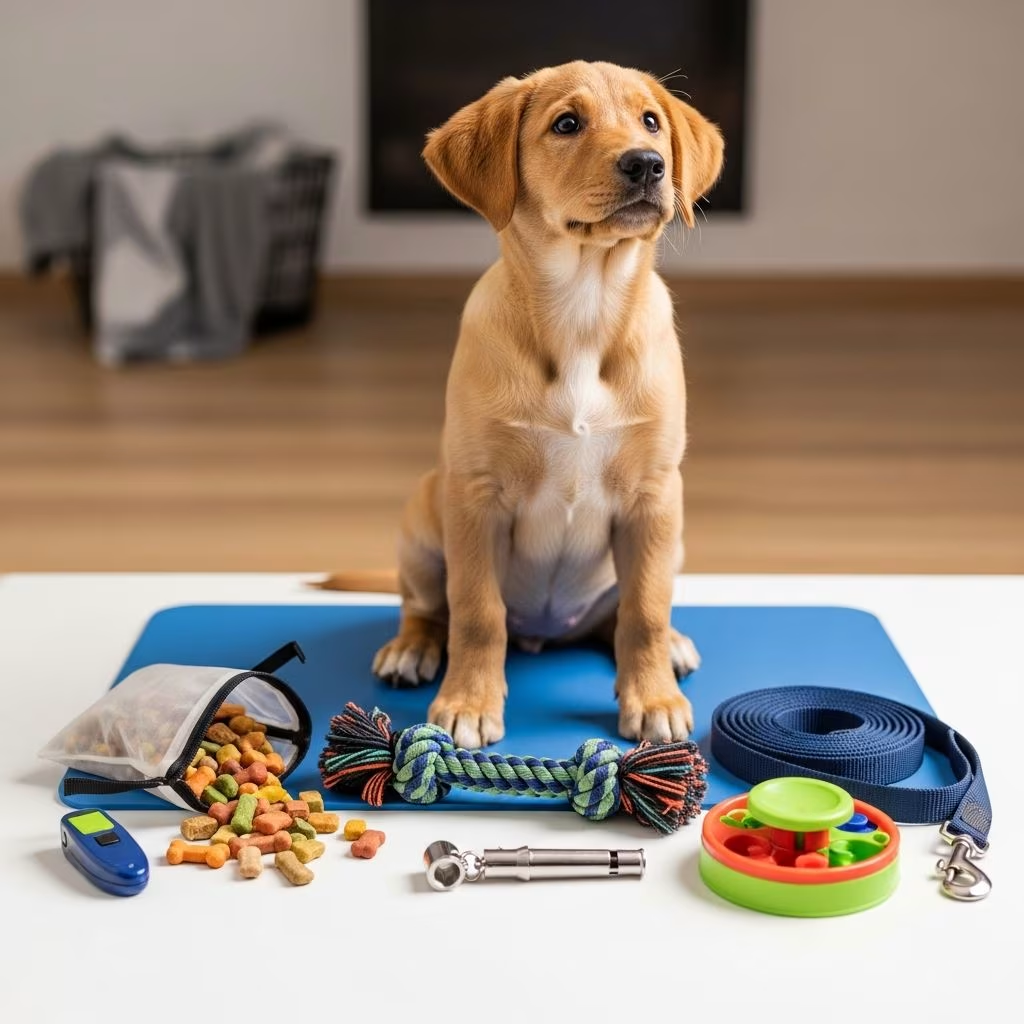
Bringing home a new puppy marks the beginning of an exciting journey filled with learning and bonding. Effective training starts immediately, leveraging the puppy’s natural curiosity and rapid development phase between 8 and 16 weeks. This guide outlines a structured approach to foundational skills, emphasizing positive reinforcement to foster trust and enthusiasm.
Why Early Training Matters
Puppies enter a critical learning window shortly after arriving home, typically around 8 weeks old. During this period, their brains are highly receptive, making it the ideal time to introduce basic cues like sit, stay, and come. Positive reinforcement—rewarding desired behaviors with treats or praise—builds confidence and ensures long-term retention. Consistency across family members prevents confusion, while short, frequent sessions keep young pups engaged without overwhelming them.
Building a Strong Foundation: Weeks 1-4
The initial weeks focus on acclimation and simple impulse control. Start in low-distraction environments to set puppies up for success.
- Name Recognition: Say the puppy’s name cheerfully; when they look, reward with a treat. This builds attention and sets the stage for recalls.
- Basic Sit Command: Hold a treat above their nose, moving it back until their bottom drops. Mark with ‘yes’ and treat. Practice before meals to teach ‘say please’ for food or toys.
- Prevent Mouthing: Redirect sharp teeth to durable chew toys like stuffed KONGs. Use an ‘ouch’ sound and withdraw attention if they nip skin, teaching bite inhibition.
These steps instill politeness, reducing jumping or grabbing behaviors early.
Crate and Potty Training Mastery
Crate training provides a safe den, aiding housebreaking and preventing destructive chewing. Introduce the crate with doors open and treats inside, allowing free exploration. Gradually close the door for short periods, rewarding calm stays.
| Age | Crate Time Goal | Potty Frequency |
|---|---|---|
| 8-10 weeks | 30 minutes | Every 30-60 min + after meals |
| 10-12 weeks | 1-2 hours | Every 1-2 hours |
| 12+ weeks | 3-4 hours | Every 2-3 hours |
For potty training, watch for sniffing or circling cues. Take them outside immediately after crate time, meals, naps, and play. Praise and treat outdoor success lavishly to reinforce the habit. Overnight, limit water after 8 PM and crate to minimize accidents.
Leash Skills for Confident Walks
Leash training prevents pulling and ensures safe outings. Begin indoors: attach the leash to a harness, walk casually, and reward for staying near without tension. Progress to yards, then streets, using treats for loose-leash walking. Avoid tight collars on growing necks; harnesses distribute pressure evenly.
- Stop walking if pulling occurs; resume when slack returns.
- Incorporate sit at doorways or crossings for impulse control.
- Gradually add distractions like mild traffic sounds.
Expanding Skills: Months 2-4
As puppies grow stronger (around 12-16 weeks), layer in advanced basics. Socialization classes end, so transition to group obedience with positive trainers.
Recall and Stay Commands
Recall (come) saves lives off-leash. Practice in safe areas: call once enthusiastically, reward heavily upon arrival. Use long lines outdoors for safety, fading them as reliability grows. For stay, start with 1-2 seconds, building duration and distance amid distractions like toys or family movement.
Leave It and Drop It
These prevent ingestion of hazards. For ‘leave it,’ place a low-value item down, cover with your foot if needed, and reward for ignoring it. ‘Drop it’ follows: trade toys for higher-value treats.
Addressing Common Challenges
Puppies test boundaries, but proactive management works wonders.
- Chewing Furniture: Puppy-proof by removing temptations; provide alternatives and supervise.
- Jumping Greetings: Turn away, fold arms, and reward four-on-floor calm.
- Night Whining: Ignore after ensuring needs are met; comfort tires them out.
Incorporate scent games: hide treats for ‘find it’ to engage their nose and build confidence. Daily 5-10 minute sessions suffice; end on successes to maintain positivity.
Nutrition and Exercise Integration
Training thrives with proper fuel. Feed 3-4 small meals daily of high-quality puppy food, using portions for rewards. Exercise matches age: short walks (5 min/month of age) plus play prevent overexertion on developing joints.
Advanced Training: 4-6 Months and Beyond
Refine leash manners in public, introduce heel for structured walks, and proof all cues in novel settings. Enroll in advanced classes for heel, longer stays, and reliable recalls. Lifelong practice ensures behaviors stick; fade treats to verbal praise over time.
Training Tools and Tips
| Tool | Purpose | Tips |
|---|---|---|
| High-value treats | Motivation | Soft, smelly bits like chicken; vary to prevent boredom |
| Clicker | Precise marking | Charge first: click-treat repeatedly sans cues |
| Long line (20-30 ft) | Safe recall practice | Use in open areas before off-leash |
| Interactive toys | Mental stimulation | Stuff with kibble for puzzle-solving |
Frequently Asked Questions
When should I start training my puppy?
Immediately upon bringing them home, around 8 weeks.
What if my puppy doesn’t respond to commands?
Ensure low distractions, high-value rewards, and consistency. Shorten sessions if needed.
Is punishment ever okay in training?
No; positive reinforcement is scientifically proven superior, avoiding fear.
How long until my puppy is fully trained?
Basics by 6 months with daily practice; mastery is lifelong.
Can older puppies catch up?
Yes, training works at any age with patience.
Socialization: The Hidden Training Pillar
Beyond commands, expose puppies to diverse people, dogs, sounds, and surfaces weekly until 16 weeks. Positive pairings (treats during exposures) prevent fear. Avoid dog parks until vaccinated and manners are solid.
Track progress in a journal: note successes, setbacks, and adjustments. Professional trainers via force-free certifications (e.g., CPDT-KA) offer personalized guidance post-basics.
References
- Your Guide to Mastering Basic Puppy Training — Chewy. 2023. https://www.chewy.com/education/dog/new-dog/basic-puppy-training
- Puppy Training Guide: How and When To Start — PetMD. 2024-01-15. https://www.petmd.com/dog/general-health/when-start-training-puppy
- The Ultimate 8-Week Puppy Schedule & Training Guide — Zigzag. 2023. https://zigzag.dog/en-us/blog/puppy-training/training-basics/ultimate-puppy-training-guide/
- The Ultimate Guide to Starting Training with Your Dog — PetSmart. 2024. https://www.petsmart.com/learning-center/dog-care/the-ultimate-guide-to-start-training-your-dog
- Puppy Training Timeline: Teaching Good Behavior Before It’s Too Late — AKC. 2023-05-10. https://www.akc.org/expert-advice/training/puppy-training-timeline-teaching-good-behavior-before-its-too-late/



