

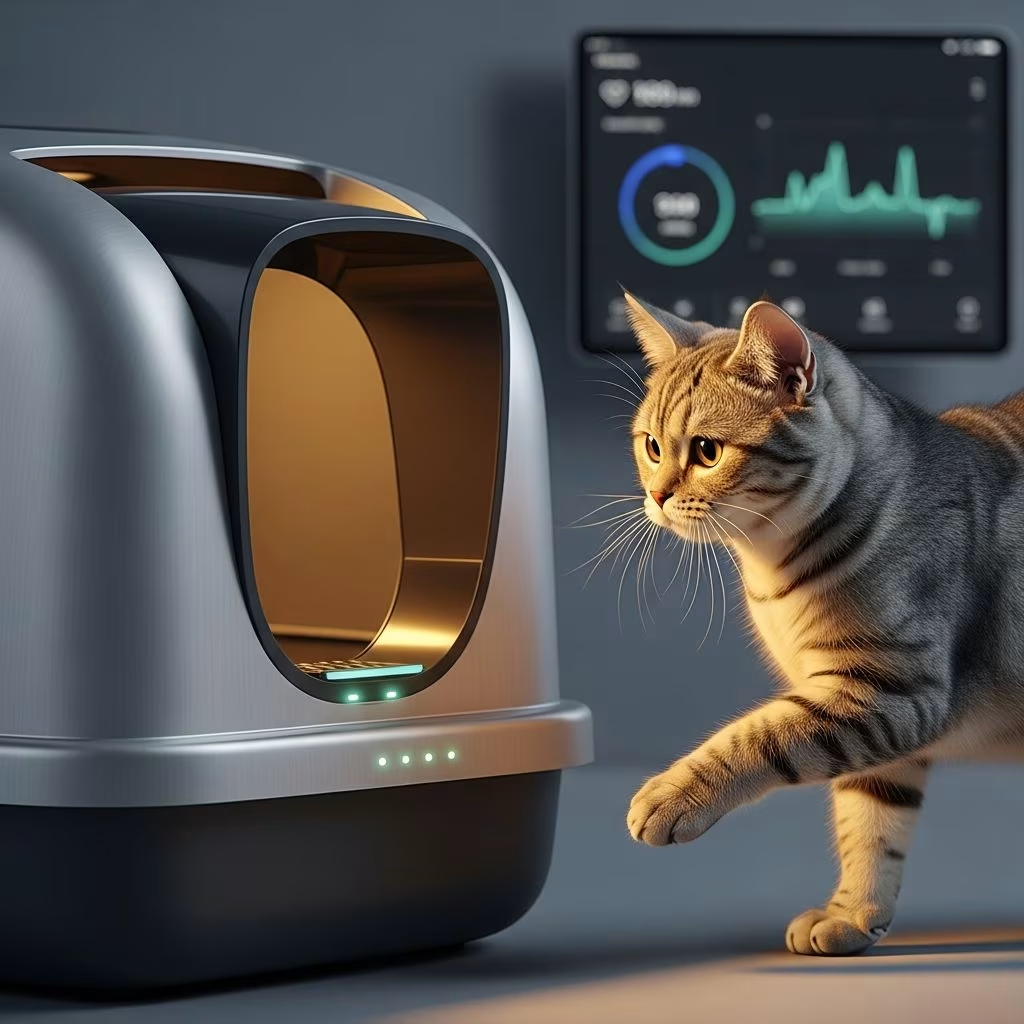
Health-monitoring cat litter uses embedded sensors to analyze urine and feces, providing data on pH levels, blood presence, and hydration to flag potential health issues early. These systems aim to bridge gaps in traditional vet check-ups by offering daily insights into a cat’s urinary and digestive health.
The Rise of Tech in Feline Wellness
Advancements in pet technology have introduced smart litter solutions that transform routine litter box use into a diagnostic tool. Unlike standard litter, these products incorporate non-invasive sensors that detect subtle changes in waste composition, such as abnormal pH or traces of blood, which can signal conditions like urinary tract infections or kidney problems. This innovation responds to the growing demand for proactive pet care, especially as cats age and chronic issues become more common.
In multi-cat households, distinguishing individual health patterns is challenging. Research on adaptive monitoring systems highlights the importance of accurate cat identification for reliable data, achieving up to 94.53% accuracy using machine learning classifiers like support vector machines on litter box imagery. Such precision ensures owners receive cat-specific alerts rather than generalized warnings.
Core Technology Behind Monitoring Litters
Smart litters typically feature thin sensor pads placed beneath the litter, compatible with various litter types. These pads measure key biomarkers:
- Urine pH: Normal range is 6.0-6.5; deviations may indicate diet issues or infections.
- Blood detection: Identifies microscopic hematuria linked to crystals or stones.
- Hydration levels: Tracks water content in urine to spot dehydration risks.
- Weight and frequency: Monitors elimination patterns for constipation or diarrhea clues.
Cloud-based analytics process this data via companion apps, establishing baselines from initial weeks of use and sending notifications for anomalies. For instance, devices like Tailio use AI to differentiate cats in shared boxes, analyzing waste volume and behavior without wearables. This setup mirrors continuous vital signs monitoring validated in veterinary studies, which shows superior accuracy over intermittent checks.
Proven Benefits for Cat Owners
Early detection is the standout advantage. Cats often hide symptoms, but litter data reveals issues before behavioral changes appear. Continuous monitoring reduces emergency visits by enabling timely interventions, similar to how 24/7 systems in human medicine shorten hospital stays.
| Benefit | Description | Evidence |
|---|---|---|
| Early Issue Spotting | Flags urinary problems or digestive shifts days before vet-visible symptoms. | AI-driven litter analytics detect subtle habit changes. |
| Multi-Cat Compatibility | Individual tracking via ML identification. | 94.53% accuracy in defecation monitoring. |
| Vet Collaboration | Exportable reports enhance check-up discussions. | Complements routine exams with real-time logs. |
| Convenience | App alerts provide peace of mind remotely. | Reduces guesswork in busy households. |
Pet parents report fewer surprises, with systems integrating seamlessly into daily routines. In veterinary critical care, analogous monitoring proves vital for post-op recovery, underscoring its home applicability.
Real-World Performance and User Experiences
While promising, effectiveness varies. Initial setup requires 1-2 weeks to calibrate baselines, during which false positives from diet changes or stress may occur. Studies on litter box monitoring emphasize adaptive algorithms to handle environmental variables like lighting or box position, ensuring long-term reliability.
Users in multi-cat homes praise differentiation features, but single-cat owners may find simpler trackers sufficient. Integration with broader health ecosystems, like activity collars, amplifies insights—wearables track biometrics while litter focuses on excretory health. Overall, these tools foster a data-driven approach, empowering owners with actionable intel.
Potential Drawbacks and Limitations
No system is flawless. Sensor pads need monthly replacements, adding costs beyond litter expenses. Accuracy can dip with clumping litters or if cats avoid tracked areas. Moreover, while excellent for urinary/digestive screening, they don’t assess overall vitality like heart rate or mobility, necessitating complementary methods.
Privacy concerns arise with app data, though reputable brands prioritize security. For seniors or picky cats, adaptation periods may frustrate. Veterinary guidelines stress these as adjuncts, not substitutes for professional exams—twice-yearly visits remain essential.
Comparing Top Health-Monitoring Options
| Feature | Tailio | PrettyLitter | Generic Smart Pad |
|---|---|---|---|
| Multi-Cat ID | Yes (AI) | No | Limited |
| Sensors | pH, Blood, Weight | pH, Blood | pH Only |
| App Alerts | Real-time | Weekly Reports | Basic |
| Cost/Month | $20-30 | $25 | $15 |
| Litter Compatibility | All Types | Subscription Litter | Most |
Choices depend on household needs; multi-cat setups favor advanced AI, while budget users opt for basics.
Integrating Smart Litter with Routine Vet Care
Share app logs during visits for precise diagnostics—e.g., pH trends guide urine tests. This partnership mirrors ICU monitoring, extending proactivity homeward. Vets recommend combining with physical exams, bloodwork, and behavior observation for holistic care.
Future Innovations in Cat Health Tech
Emerging trends include AI emotion detection and full-body scanners, potentially unifying litter data with wearables for 360-degree monitoring. Adaptive ML will refine accuracy amid changing cat appearances or environments, promising even earlier interventions.
Frequently Asked Questions
What exactly does health-monitoring litter detect?
It tracks urine pH, blood, hydration, and elimination frequency to spot urinary tract issues, kidney strain, or digestive problems early.
Is it suitable for multiple cats?
Yes, advanced models use AI for individual identification, vital in shared households.
How accurate are the readings?
High, with validations showing reliability comparable to clinical tools when calibrated properly.
Does it replace vet visits?
No, it supplements them by providing data for informed discussions.
What if my cat doesn’t adapt?
Most do within days; choose compatible litters and monitor initially.
Are there subscription costs?
Often yes, for pads and apps, but they enable ongoing analysis.
References
- 24/7 Cat Health Monitoring: The Ultimate Guide to Proactive Pet Care — MyCatsHome. 2024. https://www.mycatshome.com/en/blog/24-7-cat-health-monitoring-benefits-en
- Multi-Cat Monitoring System Based on Concept Drift Adaptive… — NIH/PMC. 2023-11-01. https://pmc.ncbi.nlm.nih.gov/articles/PMC10648833/
- How does the Pet Health Monitoring Devices Market enhance Pet Wellness — MetaTech Insights. 2024. https://www.metatechinsights.com/blogs/how-does-the-pet-health-monitoring-devices-market-enhance-pet-wellness
- The Power of Continuous Vital Signs Monitoring — Zomedica. 2023. https://zom-dx.zomedica.com/power-of-continuous-vital-signs-monitoring/
- How Can a Cat Health Monitor Help Detect Problems Early? — SiiPet. 2024. https://siipet.com/blogs/knowledge/how-can-a-cat-health-monitor-help-detect-problems-early



