

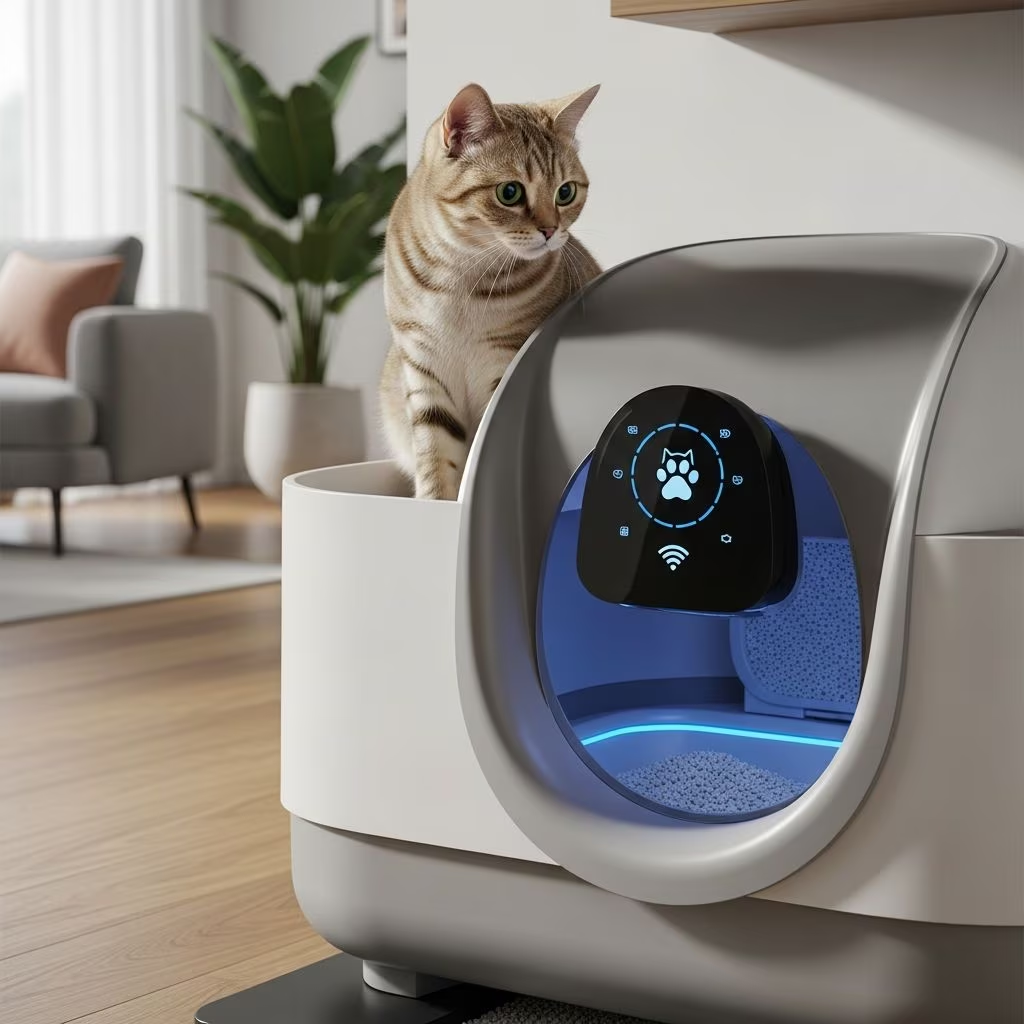
Automatic litter boxes represent a significant advancement in pet care technology, designed to eliminate daily scooping while providing cat owners with valuable insights into their pets’ health and habits. These devices use sensors, apps, and mechanical systems to sift waste, control odors, and track usage patterns, offering convenience for single-cat and multi-cat households alike.
Why Choose an Automatic Litter Box?
Traditional litter maintenance involves frequent scooping, which can be time-consuming and unpleasant. Smart litter boxes address this by automating the process: after a cat leaves, sensors detect the exit and initiate a cleaning cycle that separates clean litter from waste. This ensures a fresh surface for every use, reducing bacterial buildup and litter tracking across floors.
Key advantages include extended intervals between full cleanouts—up to 10 days for one cat or two weeks in some models—and superior odor management through sealed drawers and filtration systems. For health-conscious owners, integrated scales and AI track weight fluctuations and bathroom habits, alerting to potential issues like urinary problems early.
- Time savings: No daily scooping required.
- Hygiene boost: Fresh litter after each visit minimizes mess.
- Health monitoring: App notifications for changes in weight or frequency.
- Multi-cat compatibility: Handles up to five cats with individual tracking.
Core Technologies Powering Smart Litter Boxes
Modern automatic litter boxes rely on a blend of sensors, AI, and mechanical innovation. Entry-level models use weight and infrared sensors to pause cycles if a cat re-enters, while premium versions incorporate facial recognition and dual cameras for precise identification in multi-cat homes.
Self-cleaning mechanisms vary: rotating globes sift litter quietly, spinning trays deposit waste into sealed bins, or modular systems with magnetic components allow easy disassembly. Odor control often features multi-layered carbon filters, TiO2 coatings, and smart detection that differentiates urine from solids to optimize cycling timing.
| Technology | Description | Benefits |
|---|---|---|
| Sensor Detection | Laser, weight, and anti-obstruction sensors | Ensures safe operation; prevents cycling during use |
| App Connectivity | Wi-Fi enabled with real-time data | Tracks visits, weights, and waste types remotely |
| Odor Systems | Sealed drawers, deodorizers, airflow | 4x better control than manual boxes |
| AI Features | Facial recognition, waste ID | Individual cat profiles and habit analysis |
Top Features to Evaluate in Smart Cat Litter Boxes
Advanced Waste Management
Effective waste handling is central. Devices like those with WasteID technology distinguish between liquid and solid waste, cycling immediately for solids to curb smells while allowing urine clumps to form. Large-capacity drawers with liners hold waste for weeks, and some auto-seal post-cleaning for touch-free disposal.
Health and Behavior Tracking
Built-in scales weigh cats per visit, logging trends via apps. This data reveals irregularities—such as sudden weight loss or reduced visits—prompting vet visits. Video streaming and AI cameras provide visual confirmation, especially useful for monitoring seniors or post-surgery cats.
Safety and Accessibility
Safety features like OmniSense detection use multiple sensors to halt operations if obstructions occur. Low-entry designs accommodate kittens and seniors, with spacious interiors fitting cats up to 25-30 pounds. Quiet operation (e.g., QuietSift tech) minimizes stress during acclimation.
Customization and Maintenance
Many models offer adjustable lights, colored accents, and litter compatibility with clumping formulas. Hopper systems auto-refill litter levels, while modular builds simplify deep cleans. Firmware updates via apps ensure ongoing improvements.
Comparing Leading Smart Litter Box Models
Several standout products dominate the market, each excelling in specific areas.
| Model | Cat Capacity | Key Tech | Drawer Capacity | App Features |
|---|---|---|---|---|
| Litter-Robot 5 | Up to 5 | WasteID, dual cameras, LCD display | 10 days (1 cat) | Weight tracking, facial ID, live stream |
| ScoopFree SmartSpin | Multi-cat | SmartSpin, deodorizer | 2 weeks | Weight/habits monitoring |
| PetSnowy SNOW+ | Multi-cat | Auto-seal bin, TiO2 odor control | 10L bin | Sensor-triggered cleaning |
| Litter-Robot 4 | Multi-cat | LitterHopper, OmniSense | High capacity | Waste levels, usage insights |
Litter-Robot 5 leads with AI-driven personalization, ideal for tech-savvy owners. ScoopFree SmartSpin prioritizes odor control and simplicity, while PetSnowy emphasizes modular ease and floor protection.
Helping Your Cat Adjust to a Smart Litter Box
Over 95% of cats adapt quickly, but gradual introduction prevents resistance. Place the new box near the old one, sprinkle familiar litter inside, and block the globe initially for familiarity. Use treats and play near it to build positive associations. Monitor via app for usage patterns, and consult vets if avoidance persists, as it may signal stress or health issues.
- Start with door open or unassembled.
- Maintain old box temporarily.
- Observe for 1-2 weeks.
Maintenance Tips for Longevity
Though low-maintenance, periodic checks ensure peak performance. Empty drawers weekly for multi-cat homes, wipe interiors monthly, and replace filters quarterly. Use compatible clumping litter to avoid jams, and update apps for new features. Most models include liners and deodorizers for hassle-free routines.
Frequently Asked Questions
Are smart litter boxes safe for kittens?
Yes, models with low entries and adjustable sensors suit kittens over 3-5 pounds. Pause cycles manually during early training.
Do they work with all litter types?
Best with clumping litter; avoid non-clumping to prevent malfunctions.
How much do they cost?
Ranging $500-$800, offset by litter savings (up to 50%) and no scooping tools.
Can they detect health problems?
Yes, by tracking weight, frequency, and waste volume—early indicators of issues like diabetes or kidney disease.
What if my cat doesn’t like it?
Most acclimate; trial periods and placement strategies help. Returns are common with reputable brands.
Environmental and Cost Considerations
Smart boxes reduce waste through efficient sifting and reusable components. Litter savings stem from less tracking and optimal bed depths. Long-term ROI comes from time saved and potential vet bill reductions via early detection. Eco-friendly litters enhance sustainability.
References
- Litter-Robot 5 Product Page — Whisker. 2025. https://www.whisker.com/litter-robot-5
- ScoopFree SmartSpin Self-Cleaning Litter Box — PetSafe. 2025. https://www.petsafe.com/p/scoopfree-smartspin-self-cleaning-litter-box/PAL00-17985/
- Litter-Robot 4 Product Page — Whisker. 2025. https://www.litter-robot.com/litter-robot-4.html
- PETSNOWY SNOW+ Self-Cleaning Litter Box — PetSnowy. 2025. https://petsnowy.com/products/snow-self-cleaning-litter-box
- Top Self-Cleaning Cat Litter Box Features — ToolSmarts. 2025-10-29. https://toolsmarts.ca/2025/10/29/best-features-of-top-self-cleaning-cat-litter-boxes-what-every-cat-owner-needs-to-know/



