

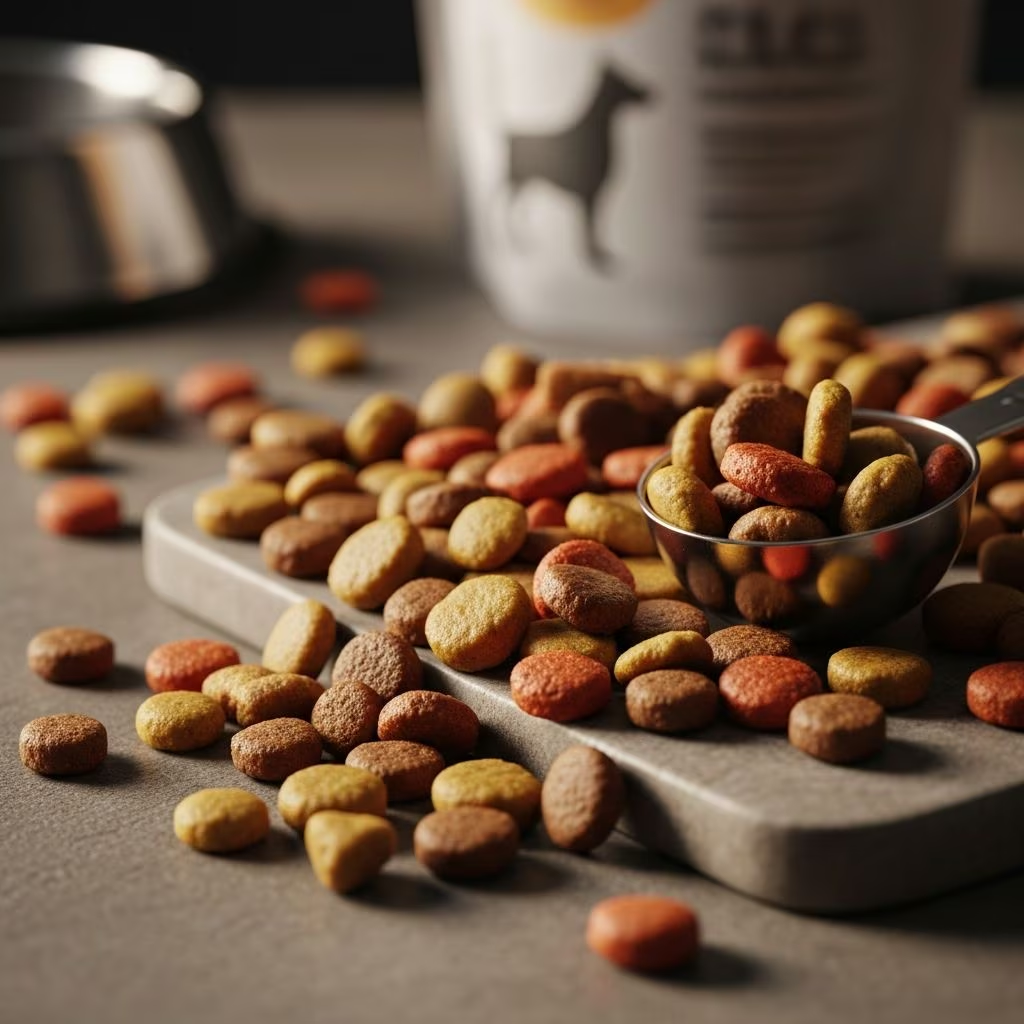
Dry dog food remains a staple choice for pet owners due to its convenience, affordability, and long shelf life. With about 90% dry matter and just 10% moisture, it simplifies storage and feeding routines while delivering essential nutrients when selected wisely. This guide equips you with practical strategies to navigate the aisles confidently, prioritizing your dog’s long-term well-being.
Understanding Label Essentials for Informed Choices
Pet food labels hold critical details mandated by regulators like the FDA, including product name, net weight, manufacturer info, guaranteed analysis, ingredient list, species designation, nutritional adequacy statement, and feeding directions. The nutritional adequacy statement, often in fine print, confirms if the food meets standards set by the Association of American Feed Control Officials (AAFCO), ensuring it’s complete and balanced for specific life stages or maintenance.
Look for phrases like “complete and balanced” backed by AAFCO testing or formulation protocols. This verifies the food supplies all necessary vitamins, minerals, proteins, fats, and other nutrients without supplements. Always match the label to your dog’s species—dog-specific formulas differ from cat food, as canines lack needs like taurine or pre-formed vitamin A required by felines.
Decoding the Guaranteed Analysis Section
The guaranteed analysis lists minimum protein, fat, fiber, and maximum moisture percentages, plus optional extras like omega fatty acids or ash. For adult maintenance, aim for at least 18% protein to support muscle health and energy. Puppies and performance dogs often need higher levels, around 22-32%, while seniors might benefit from moderated fat to prevent weight gain.
| Nutrient | Adult Minimum | Puppy Minimum | Senior Suggestion |
|---|---|---|---|
| Protein | 18% | 22% | 18-25% |
| Fat | 5% | 8% | 5-15% |
| Fiber (max) | 5% | 5% | 5% |
| Moisture (max) | 10% | 10% | 10% |
These benchmarks guide comparisons, but remember values are pre-moisture adjustments—dry foods concentrate nutrients effectively.
Mastering the Ingredient List Hierarchy
Ingredients appear in descending order by weight, revealing the food’s foundation. Prioritize named meats like chicken, beef, lamb, or fish in the first five spots for high-quality protein—avoid vague “animal by-products” lacking specificity. Meals (e.g., chicken meal) are concentrated proteins post-dehydration, often nutrient-dense if from quality sources.
- Top-tier: Deboned chicken, salmon meal, turkey.
- Supportive carbs: Brown rice, oats, sweet potatoes for digestible energy.
- Beneficial adds: Fruits/veggies (blueberries, carrots) for antioxidants; probiotics for gut health.
- Red flags: Excessive fillers (corn syrup, artificial colors), unnamed sources.
Balance matters—grains aren’t villains if whole and moderate; grain-free suits allergies but watch legume excesses linked to heart issues in studies.
Tailoring Food to Your Dog’s Life Stage
Dogs’ needs evolve: Puppies require DHA for brain development and higher calories for growth; adults focus on maintenance; seniors prioritize joint support via glucosamine/chondroitin. Large breeds need controlled calcium for bone health, while small ones demand calorie-dense kibble to match metabolism.
Consult your vet first for personalized advice, especially with health conditions like obesity or kidney disease. Formulas labeled “all life stages” simplify for multi-dog homes but verify AAFCO backing.
Size-Specific Formulas for Optimal Nutrition
Breed size influences kibble design and nutrition. Small dogs thrive on tiny, crunchy pieces to prevent choking and higher-calorie recipes for fast metabolisms. Large/giant breeds benefit from larger kibble promoting chewing and added joint aids.
- Small breeds (<20 lbs): High energy, small kibble.
- Medium (20-50 lbs): Balanced all-rounder.
- Large (>50 lbs): Joint support, moderate calories.
Addressing Special Dietary Requirements
Sensitive stomachs? Opt for limited-ingredient or novel proteins like duck/venison. Allergies demand hypoallergenic options minus common triggers (chicken, wheat). Weight management formulas cut calories while preserving satiety via fibers. Performance dogs need elevated proteins/fats; therapeutic diets target issues like urinary health under vet guidance.
Evaluating Manufacturing and Brand Reliability
Reputable brands use human-grade ingredients, U.S./EU sourcing, and third-party testing for contaminants like heavy metals or pathogens—Consumer Reports flagged variability even in premium lines. Check for recalls via FDA databases; transparency on processing (extrusion for digestibility) builds trust.
Cost vs. Value: Beyond the Price Tag
Premium doesn’t guarantee superiority—compare cost per cup, not bag size. A $50 bag yielding 40 cups ($1.25/cup) may outvalue a $30 bag at 20 cups ($1.50/cup). Factor feeding amounts: Active dogs eat more, stretching value.
Transitioning Foods Smoothly to Avoid Upset
Abrupt switches risk diarrhea—blend old/new over 7-10 days: 25% new day 1-2, 50% days 3-4, 75% days 5-6, 100% thereafter. Monitor stool, energy; revert if issues persist.
Storage and Freshness for Peak Quality
Seal opened bags airtight; use portion scoops to minimize air exposure. Store cool/dry—discard after 6 months or odor changes. Buy smaller bags for frequent feeders to ensure freshness.
Frequently Asked Questions
What does AAFCO approval mean for dry dog food?
AAFCO sets standards ensuring complete nutrition via lab tests or formulations meeting profiles for life stages.
Are grain-free dry foods always better?
Not necessarily—balance grains if tolerated; excess legumes may pose risks.
How often should I switch my dog’s food?
Only for needs like age or health; stick to one for consistency unless advised.
Can I mix dry food with wet or toppers?
Yes, for variety—adjust calories to prevent overfeeding.
What’s the ideal protein percentage in dry kibble?
18%+ for adults, higher for growth/active phases.
Key Takeaways for Confident Shopping
Armed with label savvy, life-stage awareness, and quality checks, you’ll select dry dog food fueling peak health. Prioritize vet input, observe your dog’s response, and adjust as needed for a thriving companion.
References
- What’s Really in Your Dog’s Food? — Consumer Reports. 2023-10-15. https://www.consumerreports.org/health/pet-food/whats-really-in-your-dogs-food-a1115304393/
- Dog Food Buyer’s Guide — Tractor Supply. 2024-05-20. https://www.tractorsupply.com/tsc/cms/life-out-here/pet/dogs/dog-food-buyer-s-guide
- How to Choose the Best Dog Food — American Kennel Club. 2024-02-10. https://www.akc.org/expert-advice/nutrition/choosing-right-dog-food/
- How to Choose the Best Dog Food — PetMD. 2023-11-05. https://www.petmd.com/dog/nutrition/how-to-choose-the-best-dog-food
- Dog Food Advisor — Dog Food Advisor. 2026-03-01. https://www.dogfoodadvisor.com
- How To Choose the Right Dog Food — Wholesomes Pet Food. 2024-01-12. https://wholesomespetfood.com/how-to-choose-the-right-dog-food/
- 5 Tips To Help You Choose The Best Pet Food — IFA Country Stores. 2023-08-18. https://grow.ifa.coop/pets/5-tips-for-choosing-the-best-pet-food



