

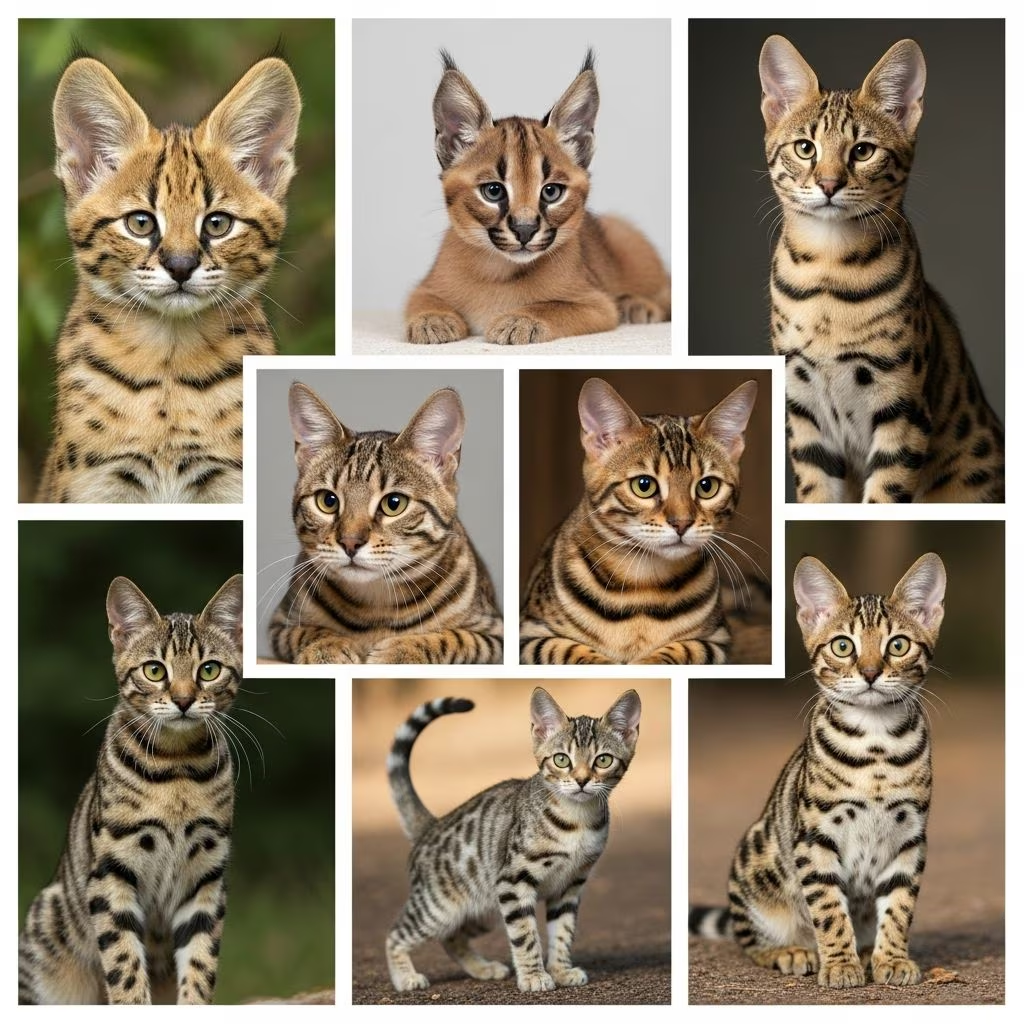
Exotic cat breeds captivate with their wild appearances and unique personalities, offering pet owners a taste of the untamed without venturing into fully wild territory. These small exotic cats, often hybrids or close relatives of wild felines, can be legal pets in certain regions, provided owners meet strict regulations. This article explores seven standout small exotic cat breeds: bobcats, servals, Canadian lynx, ocelots, caracals, jungle cats, and Asian leopard cats. Each brings distinct traits, from striking coats to agile builds, but demands specialized care including ample space, raw diets, and legal compliance.
Before adopting, research local laws as regulations vary widely by state or country. Many U.S. states permit these with permits, while others ban them outright. These cats thrive in enriched environments mimicking their natural habitats, making them ideal for experienced owners seeking adventurous companions.
1. Bobcats
Bobcats (Lynx rufus) are compact North American wildcats measuring 18-35 inches long and weighing 15-35 pounds, with short bobbed tails and tufted ears defining their silhouette. Their reddish-brown coats sport black spots and bars, providing excellent camouflage in forests and deserts.
These adaptable felines inhabit diverse U.S. environments from swamps to mountains, showcasing remarkable hunting prowess by leaping up to 10 feet for prey like rabbits. As pets, bobcats retain strong independence and nocturnal tendencies, requiring secure enclosures with climbing structures and live prey simulations.
Temperament blends aloofness with occasional affection toward familiar humans, though they remain wary of strangers. Legal in states like Texas and North Carolina with permits, bobcats demand veterinary expertise in exotic care. Owners report their intelligence shines in puzzle-solving, but socialization from youth is crucial to curb wild instincts.
- Size: Small to medium, up to 35 pounds
- Coat: Spotted tawny fur
- Legal Notes: Permit-required in many U.S. states
- Care Needs: Large outdoor enclosures, raw meat diet
2. Servals
Servals (Leptailurus serval) resemble miniature cheetahs with elongated legs, oversized ears, and melanistic spots on golden coats, standing 17-24 inches at the shoulder and weighing 20-40 pounds. Native to African grasslands, their exceptional hearing detects rodents underground.
These high-jumpers leap 10 feet vertically for birds, translating to pets needing tall aviaries and horizontal runs. While unlikely to attack humans, servals deliver potent bites or scratches when threatened, necessitating gloves during handling.
Affectionate yet high-energy, servals bond deeply but overfeeding leads to obesity. Legal in over 20 U.S. states like Florida with caging requirements, they eat whole prey like quail. Their playful pouncing entertains but demands 10x10x8-foot minimum enclosures.
- Size: 20-40 pounds, long-legged
- Traits: Big ears, spotted coat
- Legal: Allowed in FL, TX, NV with permits
- Diet: Raw poultry, rodents
3. Canadian Lynx
Canadian lynx (Lynx canadensis) feature thick silvery-gray fur, black ear tufts, and furry paws for snow travel, weighing 18-24 pounds for females and up to 40 for males. Adapted to boreal forests, they hunt snowshoe hares with bearded faces and short tails.
As pets, their dense double coat requires weekly grooming, especially in winter simulations. Shy and solitary, lynx prefer quiet homes and bond selectively, displaying curiosity toward owners.
Permits allow ownership in states like New York; they need insulated dens and climate control. Raw diets of venison mimic wild habits, supporting their 15-year lifespan.
- Size: 18-40 pounds
- Coat: Thick, spotted gray
- Habitat Needs: Cold-tolerant enclosures
- Temperament: Reserved, intelligent
4. Ocelots
Ocelots (Leopardus pardalis) boast luxurious yellow-ochre coats with black rosettes, stripes, and solid spots, weighing 18-39 pounds and spanning 3 feet long. South American natives, they climb expertly and swim well.
Diurnal hunters, pet ocelots vocalize with barks and yowls, enjoying water play and puzzle feeders. Nervous around strangers, they thrive with patient socialization.
Legal in Texas and Montana, enclosures must include water features and branches. They hunt birds and lizards in the wild, so varied raw meats prevent nutritional gaps.
- Size: Up to 39 pounds
- Coat: Rosetted, beautiful
- Legal: TX, MT permitted
- Activity: Arboreal, aquatic
5. Caracals
Caracals (Caracal caracal) exhibit sleek tawny coats, long legs, and dramatic ear tufts, weighing 13-40 pounds. African/Asian desert dwellers, they leap 12 feet for birds.
Pet caracals are dog-like, learning fetch and leash walks, but require 100-foot runs for sprints. Loyal yet muscular, they need claw caps indoors.
Allowed in 12+ states like Arizona, their diet includes bones for dental health. Vocalizations range from purrs to screams.
- Size: 13-40 pounds
- Traits: Tufted ears, athletic
- Legal: AZ, TX with permits
- Exercise: High, vertical leaps
6. Jungle Cats
Jungle cats (Felis chaus) are slender reed-like cats with elongated legs and small heads, weighing 10-35 pounds, uniform coats from gray to tawny. Asian wetland specialists, they swim and catch fish.
Territorial hybrids like Jungle Curls retain swimming prowess, enjoying ponds. Elusive in homes, they suit rural setups.
Fewer restrictions in some areas; provide water access and raw fish diets.
- Size: 10-35 pounds
- Habitat: Wetlands
- Temperament: Independent
- Diet: Fish, fowl
7. Asian Leopard Cats
Asian leopard cats (Prionailurus bengalensis) feature vivid rosettes on cream coats, weighing 6-13 pounds. From Asian forests to Sri Lanka, they hunt in trees.
Founders of Bengal breed, F3+ are pet-friendly, loving water and heights. Playful but skittish.
Legal widely as domestics; raw diets and tall cat trees essential.
- Size: 6-13 pounds, smallest
- Coat: Leopard rosettes
- Legal: Broadly permitted
- Traits: Agile climbers
Key Care Considerations for Exotic Cats
Exotic cats need 2:1 enclosure-to-body-length space, raw diets (80% muscle meat, bones, organs), and annual vet checks by exotic specialists. Enrichment via scent trails and toys prevents boredom.
| Breed | Weight (lbs) | Legal States (Examples) | Key Need |
|---|---|---|---|
| Bobcat | 15-35 | TX, NC | Secure fencing |
| Serval | 20-40 | FL, NV | Vertical space |
| Canadian Lynx | 18-40 | NY | Insulated shelter |
| Ocelot | 18-39 | TX, MT | Water features |
| Caracal | 13-40 | AZ | Running room |
| Jungle Cat | 10-35 | Varies | Pond access |
| Asian Leopard | 6-13 | Widespread | Climbing trees |
Frequently Asked Questions (FAQs)
What are small exotic cat breeds?
Small exotic cats are wild or hybrid felines under 40 pounds with striking appearances, legally keepable as pets in permitted areas.
Are servals good pets?
Servals suit experienced owners with space; they’re playful but need large enclosures and can scratch if scared.
Can you own a caracal in the US?
Yes, in states like Texas and Arizona with proper permits and facilities.
What’s the smallest exotic cat?
Asian leopard cats at 6-13 pounds are among the smallest, basis for Bengals.
Do exotic cats make good house pets?
They require more space and raw diets than domestics but bond loyally with dedicated owners.
References
- Browse All Breeds — The International Cat Association (TICA). 2023-10-01. https://tica.org/ticas-breeds/browse-all-breeds/
- 7 Small Exotic Cat Breeds That Are Allowed as Pets — Catster. 2023-05-15. https://www.catster.com/cat-breeds/small-exotic-cat-breeds/
- Exotic Cat Breeds: Top 10 Unique Pets for Your Home — PetSafe. 2024-02-20. https://www.petsafe.com/blog/exotic-cat-breeds-top-10-unique-pets/
- 15 Exotic Cat Breeds You Can Adopt — Litter-Robot. 2024-01-10. https://www.litter-robot.com/blog/exotic-cats/
- Exotic cat breeds — Bow Wow Meow Pet Insurance. 2023-11-05. https://bowwowinsurance.com.au/cats/cats-breeds/exotic-cat-breeds/



